what is Cell Counting?
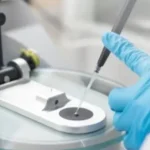
An Automated Cell Counter is a fundamental procedure in biology and medicine. Accurate cell counting is essential for various applications, including disease diagnosis, cell therapy, and cell culture analysis. Traditional methods like manual hemocytometry have limitations, including human error and time consumption. Automated cell counters have revolutionized this process, offering fast, reliable, and reproducible results. These devices utilize advanced technologies like image analysis, electrical impedance, and fluorescence to provide precise data on cell concentration, viability, and size.
Learn more : Chemical vs. Ducted vs. Walk-in Fume Hoods: Which Lab Hood is Right for You?
Methods of Automated Cell Counting
Automated cell counters rely on several methods to analyze cell samples. These methods aim to eliminate human error and increase the efficiency of cell counting.
-
Image Analysis
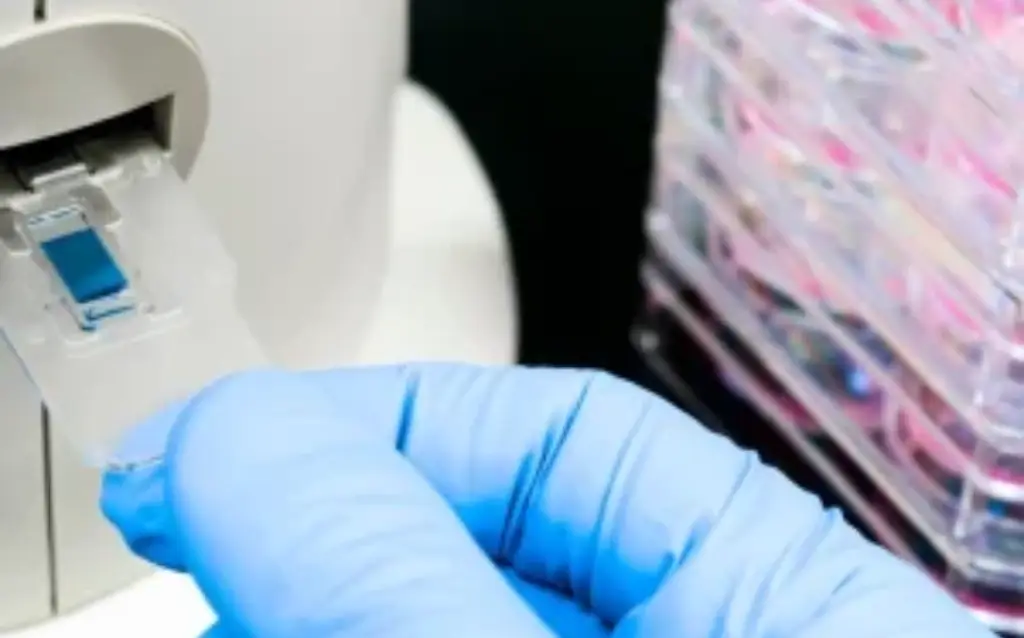
Automated image cytometers capture high-quality images of cells using fluorescent dyes or stains. These images are then processed through algorithms that count cells, assess viability, and analyze cell size. Fluorescent dyes like acridine orange (AO) and 4′,6-diamidino-2-phenylindole (DAPI) are commonly used to distinguish between live and dead cells. -
Electrical Impedance
Electrical impedance-based cell counters measure changes in electrical conductivity as cells pass through a sensing zone. This method counts cells by detecting shifts in electrical resistance caused by the non-conductive nature of cells. It is a cost-effective method but may not differentiate between live and dead cells. -
Flow Cytometry
Flow cytometers utilize laser light to scatter off cells as they flow through a stream. This scattering provides information on cell size, viability, and internal structures. Flow cytometry is highly accurate and versatile but requires specialized maintenance and can be costly.
Key Features of Automated Cell Counters
Automated cell counters offer several advantages over manual methods. Key features include:
-
Precision and Speed
Automated systems provide consistent results in a fraction of the time compared to manual methods.
-
High Throughput
These systems can process multiple samples simultaneously, making them ideal for large-scale experiments and clinical applications.
-
Reduced Human Error
Automation eliminates variability caused by human judgment, ensuring consistent and reproducible results across different users and laboratories.
-
Cell Viability Analysis
Many automated counters assess cell viability by distinguishing live cells from dead cells, which is crucial for applications like drug testing and tissue culture maintenance.
-
Data Integration
Automated counters often integrate with software for real-time analysis, reporting, and data export, enhancing workflow efficiency.
Learn more : Water Activity Meter: Measuring Water’s Role in Product Stability
Applications of Automated Cell Counters
Automated cell counters are widely used in clinical diagnostics, bioprocessing, and research. Common applications include:
Blood Cell Counting
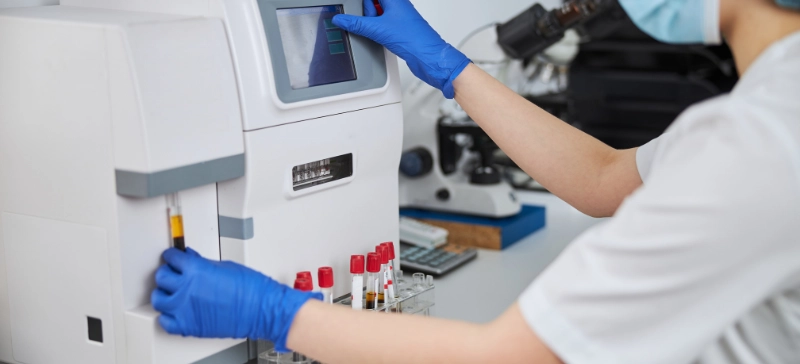
In clinical laboratories, automated cell counters are used for complete blood counts (CBCs). These counters measure the concentration of various blood cells, such as red and white blood cells, which helps doctors diagnose infections, anemia, and other conditions.
Cell Therapy
In cell therapy, accurate cell counting is critical for adjusting doses of cells administered to patients. Automated counters ensure the right number of viable cells is delivered, improving the efficacy and safety of therapies.
Infectious Disease Monitoring
Automated cell counters are used to count pathogens in blood and other bodily fluids. This helps clinicians monitor infections and assess the effectiveness of treatments.
Cell Culture Monitoring
In research, researchers use automated counters to measure the growth rate of microorganisms and determine cell viability.This is essential in experiments studying cell behavior, drug effects, and genetic expression.
Learn more : Water Activity Meter: Measuring Water’s Role in Product Stability
Advantages Over Manual Methods
Manual cell counting methods, such as hemocytometry, are time-consuming and prone to error. Automated systems offer several advantages:
- Higher Accuracy: Automated systems reduce the risk of human error, ensuring more accurate and consistent results.
- Faster Results: Automated cell counters can process samples in seconds or minutes, significantly reducing analysis time.
- Ease of Use: Most automated systems are designed for user-friendly operation. With minimal training, users can quickly obtain reliable data.
Technological Advancements in Cell Counting
Recent innovations in automated cell counting have focused on increasing the precision, speed, and versatility of these systems. Some automated counters now offer advanced features, such as:
- Multiplexing Capabilities: The ability to analyze multiple parameters (e.g., size, viability, and fluorescence) in a single sample, enabling more comprehensive analyses.
- Integrated Software: Customizable software solutions that provide automated reports, data visualization, and easy integration into laboratory management systems.
- Compact Designs :Designers create many modern automated counters to be compact and portable, making them suitable for a variety of laboratory settings.
Introduction to the Aelab Automated Cell Counter
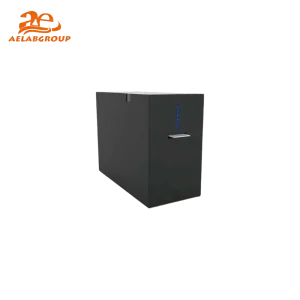
The Aelab automated cell counter quickly and accurately counts cells using the Trypan Blue exclusion method. It differentiates between viable and non-viable cells and filters out debris with automated image analysis and electronic sensing. The device is compatible with multiple cell morphologies and supports a cell concentration range of 1×10^4 – 3×10^7 cells/ml and a diameter range of 5-200 µm.
With a sample volume of 25 µL, it provides results in 2 seconds per sample and has a CV value of ≤5%. The EasyFive counting slide allows for 6 samples per consumable. Weighing only 1.8 kg, it has USB data output and compact dimensions of 255 x 164 x 97 mm, making it ideal for clinical diagnostics, blood analysis, and cell culture monitoring.
Conclusion
Automated cell counters are transforming the way researchers conduct cell analysis. These devices offer speed, accuracy, and reproducibility, making them indispensable tools in both clinical and research laboratories. They streamline workflows, reduce human error, and provide more reliable data, which is essential for a wide range of applications, from disease diagnosis to drug development. As technology continues to advance, automated cell counters will only become more efficient and versatile, further enhancing their value in scientific and medical fields.
By improving the accuracy and efficiency of cell counting, automated systems play a critical role in advancing research, improving patient outcomes, and optimizing bioprocessing workflows.