

Introduction
A Benchtop COD Analyzer is an essential instrument for today’s laboratories and industries that need fast, accurate, and reliable analysis of water pollution. Used to measure Chemical Oxygen Demand (COD), this compact device helps evaluate the organic load in wastewater or natural water sources—critical for compliance, process control, and environmental protection.
As environmental regulations become stricter and the need for sustainable wastewater treatment grows, understanding how this modern analysis device works—and why it’s better than traditional COD testing methods—has become more important than ever.
What Is a Benchtop COD Analyzer?
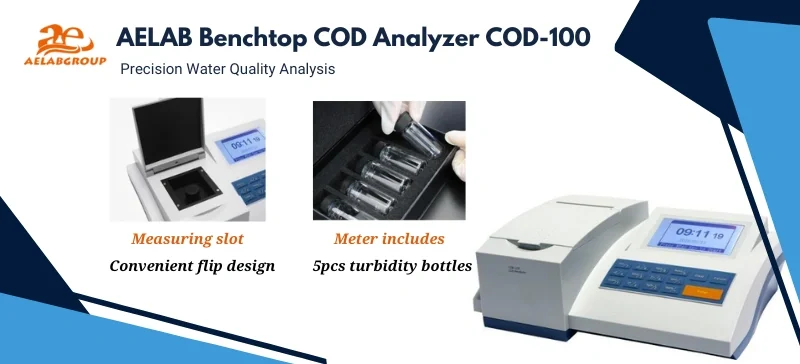
A Benchtop chemical oxygen demand Analyzer is a laboratory device designed to measure the chemical oxygen demand in water samples. COD indicates the amount of oxygen required to oxidize organic and inorganic materials in the water—a key metric for assessing pollution levels.
Unlike manual testing, this device automates the sample digestion and measurement process, reducing human error and delivering faster results.
Key Components:
Sealed reaction vials
Reagent delivery system
High-precision heating block
Colorimetric or spectrophotometric detector
User interface (digital display or touchscreen)
How Does a Benchtop COD Analyzer Work?
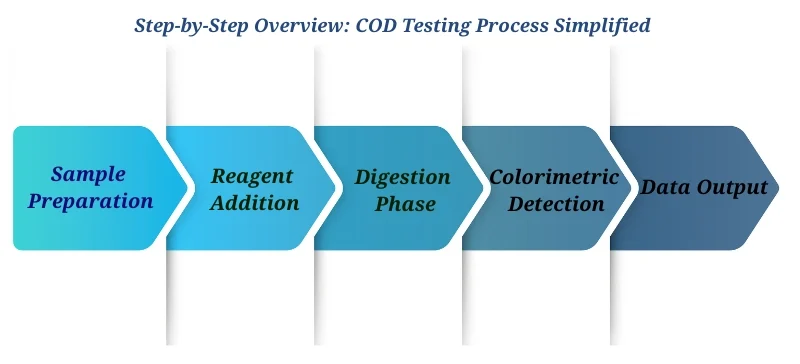
Step-by-Step Process:
Sample Preparation: A small water sample (10–20 mL) is placed into a sealed vial.
Reagent Addition: Pre-measured reagents—usually potassium dichromate and sulfuric acid—are added.
Digestion Phase: The analyzer heats the vial to 150°C for 15–120 minutes depending on the model.
Colorimetric Detection: The change in color (from orange to green) indicates the oxidation of organic matter.
Data Output: The COD value is displayed and can be exported for record-keeping.
Most modern Benchtop COD Analyzers also include built-in calibration and quality control protocols, ensuring data accuracy for regulatory compliance.
Why Use a Benchtop COD Analyzer?
Choosing a Benchtop COD Analyzer over traditional methods offers several advantages:
Faster Results
Traditional COD tests can take up to 2 hours; modern analyzers can deliver results in under 30 minutes.
High Accuracy
Consistent reagent dosing and temperature control provide repeatable results.
Improved Safety
Sealed digestion vials reduce exposure to hazardous chemicals like dichromate and mercury salts.
Ease of Use
Intuitive interfaces and automated workflows make them accessible even to non-expert users.
Compact & Portable
Designed to sit on a lab bench, these units are space-saving and ideal for smaller labs or mobile testing setups.
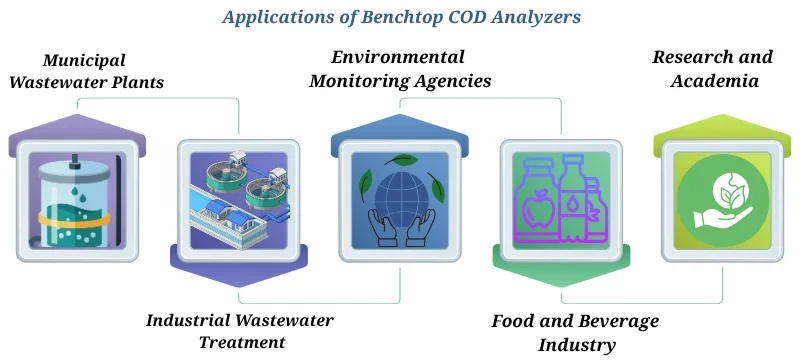
Applications of Benchtop COD Analyzers
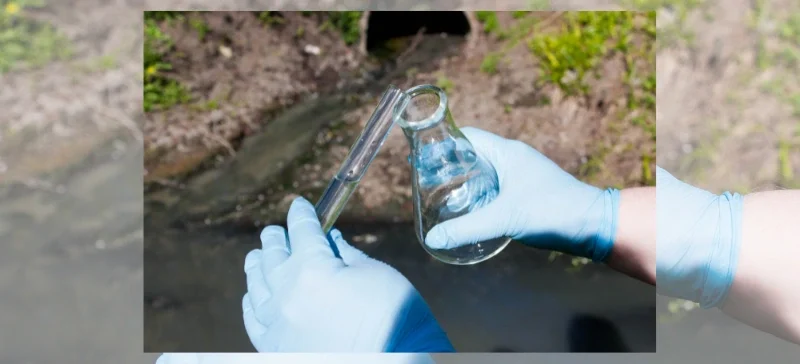
This type of equipment is widely used in different sectors where water quality monitoring is crucial.
Industry Use-Cases:
Municipal Wastewater Plants: To monitor influent and effluent organic loads.
Industrial Wastewater Treatment: For controlling pollution in textile, chemical, and pharmaceutical discharges.
Environmental Monitoring Agencies: To assess the health of lakes, rivers, and coastal areas.
Food and Beverage Industry: Ensuring process water meets regulatory hygiene standards.
Research and Academia: For water analysis in educational or environmental studies.
Benchtop COD Analyzer vs Traditional COD Testing
| Feature | Benchtop COD Analyzer | Traditional COD Test |
|---|---|---|
| Time Required | 15–120 minutes | ~2 hours |
| Automation | Fully automated | Manual process |
| Reagent Handling | Pre-measured, safer | Requires manual mixing |
| Accuracy | High and repeatable | Operator-dependent |
| User Experience | Easy, minimal training needed | Requires expertise |
🔍 Conclusion: This instrument significantly reduces testing time, minimizes human error, and improves lab safety—making it the superior choice for most applications.
How to Choose the Best Benchtop COD Analyzer
Here are key factors to consider when selecting a Benchtop COD Analyzer:
Technical Performance
Look for models with high detection sensitivity and fast digestion cycles.
Compliance
Ensure it adheres to EPA, ISO, or local regulatory standards.
Reagent Compatibility
Use safe and certified reagents, preferably sealed to prevent contamination.
Data Connectivity
Choose systems with USB, Wi-Fi, or Bluetooth for easy data transfer.
Maintenance & Support
Select a brand that offers accessible support and calibration services.
Best Practices for Using a Benchtop COD Analyzer
To maximize the effectiveness of your water testing equipment, follow these expert tips:
Establish a COD-BOD Correlation: Helps reduce frequency of BOD testing.
Use Certified Reagents: For consistent results and instrument longevity.
Calibrate Regularly: Maintain accuracy with periodic calibration and QC checks.
Document Everything: Use built-in data export features for traceability.
Real-World Example
Imagine a pharmaceutical plant that discharges wastewater with variable organic loads. By integrating a Benchtop COD Analyzer into their daily routine, they can monitor fluctuations in real-time, optimize their treatment process, and avoid penalties for non-compliance.
Conclusion: Why Your Lab Needs a Benchtop COD Analyzer
If you’re involved in water quality testing, investing in this system can transform your workflow. With its speed, safety, and accuracy, it’s a game-changer for environmental monitoring and regulatory compliance.
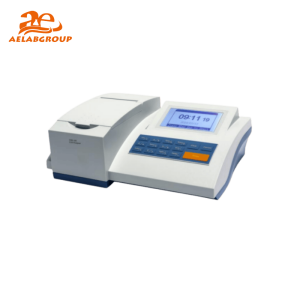
Ready to upgrade your lab? Explore AELAB’s range of Benchtop COD Analyzers and find the solution that fits your needs.