





info@aelabgroup.com
QR Code 1
QR Code 2

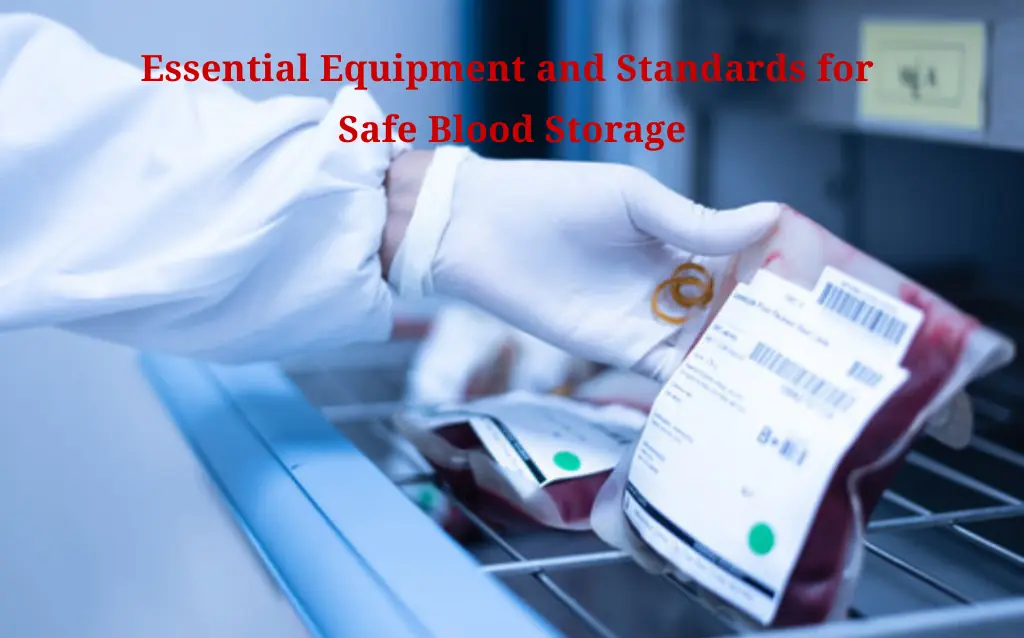
Essential Equipment and Standards for Safe Blood Storage

This article highlights how advanced equipment and strict standards ensure the safe collection, storage, and transport of blood and its components. It emphasizes the vital role of technology and compliance in preserving blood quality and protecting patient health.

Why a Deionized (DI) Water System Is Essential for Every Laboratory ?

A reliable DI Water System is fundamental to maintaining accuracy, cleanliness, and consistency in any laboratory. From solution preparation to equipment longevity, DI water ensures contamination-free research and supports compliance with strict scientific standards.

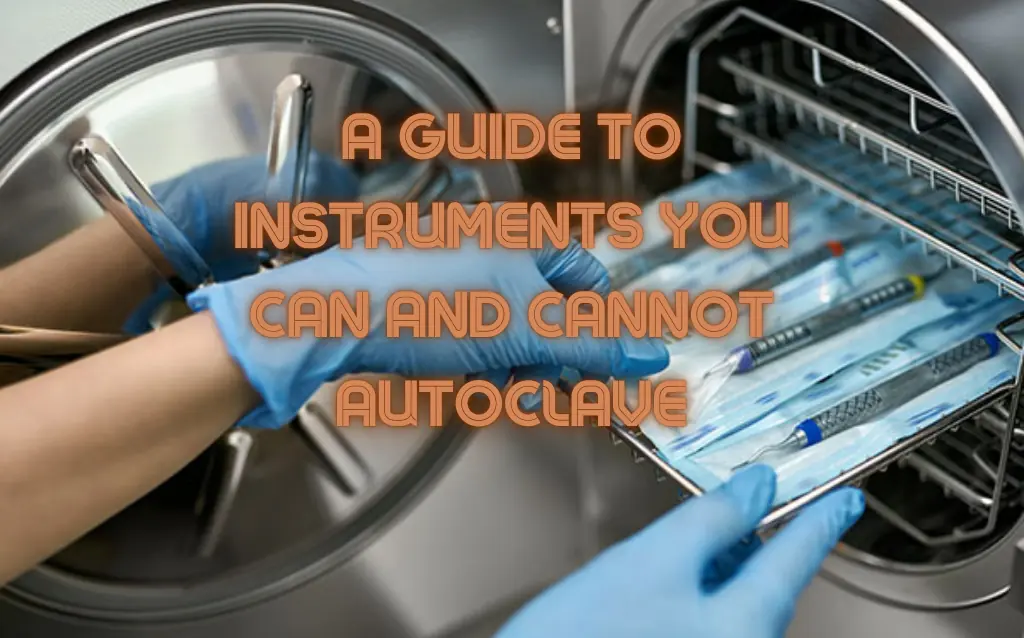
A Guide to Instruments You Can and Cannot Autoclave

Autoclaving is a powerful sterilization method, but not all instruments can handle its heat and pressure. This guide explains which tools are safe to autoclave and which should be avoided to ensure safety and equipment longevity.

Selecting the Ideal Lab Mixer for Every Scientific Application

Choosing the right lab mixer is essential for achieving accurate, reproducible results across scientific research and product development. This guide explores mixer types, key selection criteria, and scale-up strategies to help you make informed decisions from lab bench to industrial production.

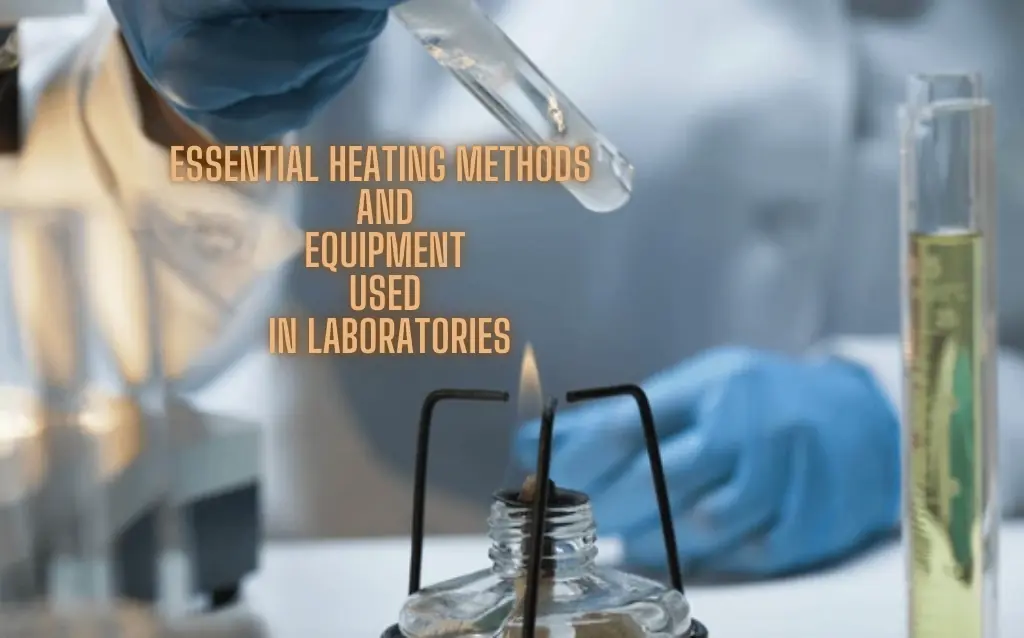
Essential Heating Methods and Equipment Used in Laboratories

This comprehensive guide explores essential laboratory heating methods, from direct flame to advanced technologies like microwave and infrared systems. It outlines equipment types, key applications, and critical safety practices. Ideal for researchers seeking reliable, efficient, and safe heating solutions.

Revolutionizing Gold Testing with XRF Technology

XRF (X-ray fluorescence) technology has revolutionized gold testing, offering a fast, non-destructive, and highly accurate method to determine gold purity and authenticity. By using X-rays to analyze the elemental composition of a sample, XRF analyzers can instantly detect gold content and identify fraudulent materials, making them an essential tool for jewelers, investors, and industry professionals alike

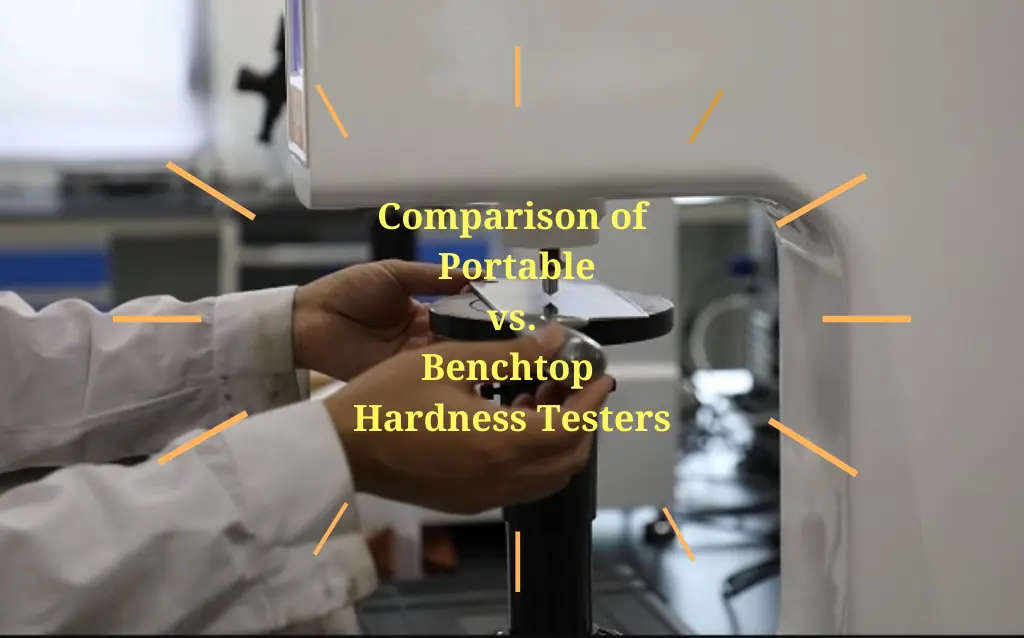
Comprehensive Comparison of Portable vs. Benchtop Hardness Testers

This article provides a comprehensive comparison between portable and benchtop hardness testers, highlighting their key differences, advantages, and ideal use cases. Whether you're conducting field inspections or certified lab testing, understanding which type of tester suits your needs is essential for accurate and efficient material evaluation.

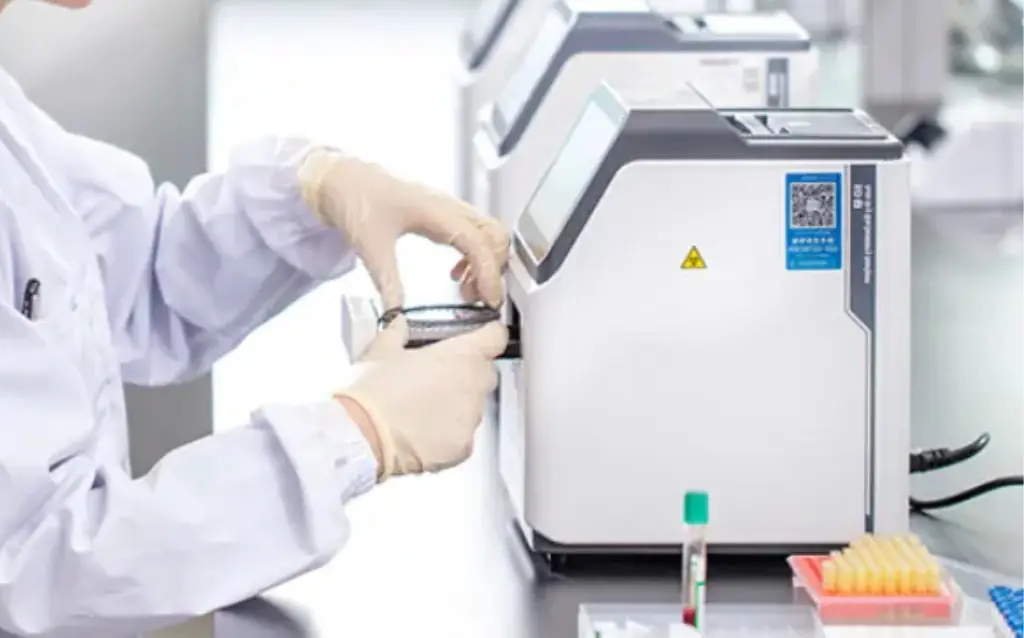
Effective Calibration Methods for Biochemistry Analyzers

Effective calibration of biochemistry analyzers is essential for ensuring accurate, reliable, and consistent diagnostic results in clinical laboratories. This process corrects for instrument drift, reagent variability, and environmental influences—ultimately safeguarding patient safety and regulatory compliance.

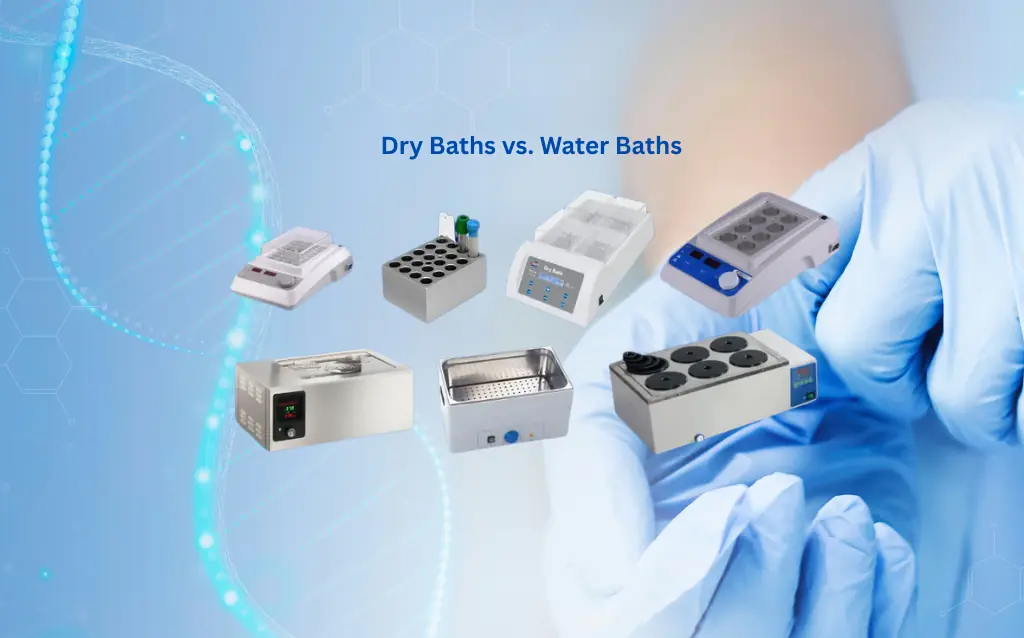
Comparing Dry Baths and Water Baths in the Lab

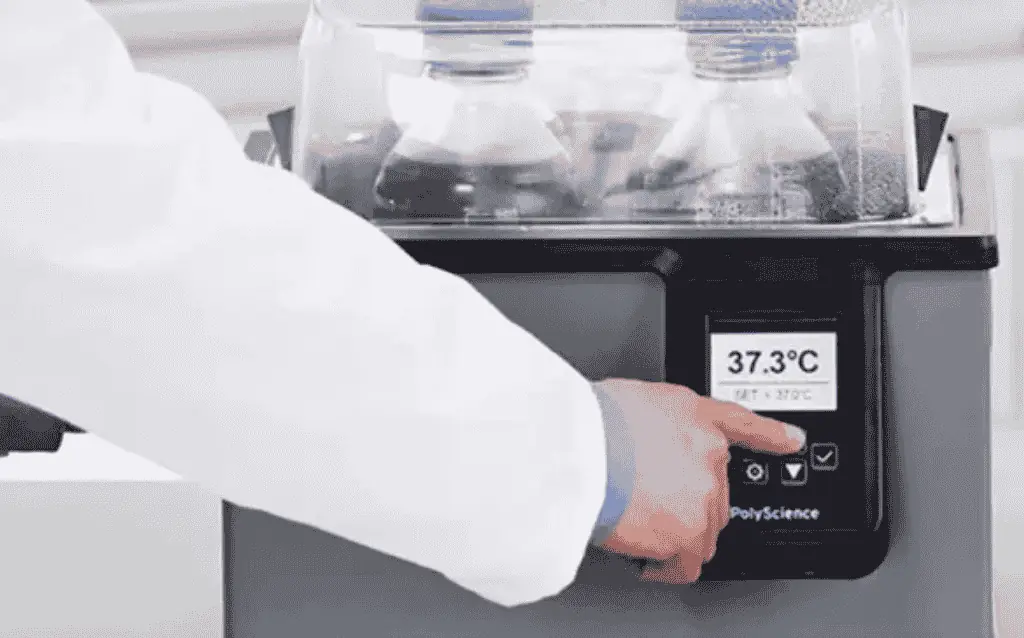
"Dry baths and water baths are essential tools in modern laboratories, each offering unique advantages for specific applications. This comprehensive guide compares their functions, benefits, and ideal use cases to help you choose the right solution for your lab's temperature control needs."

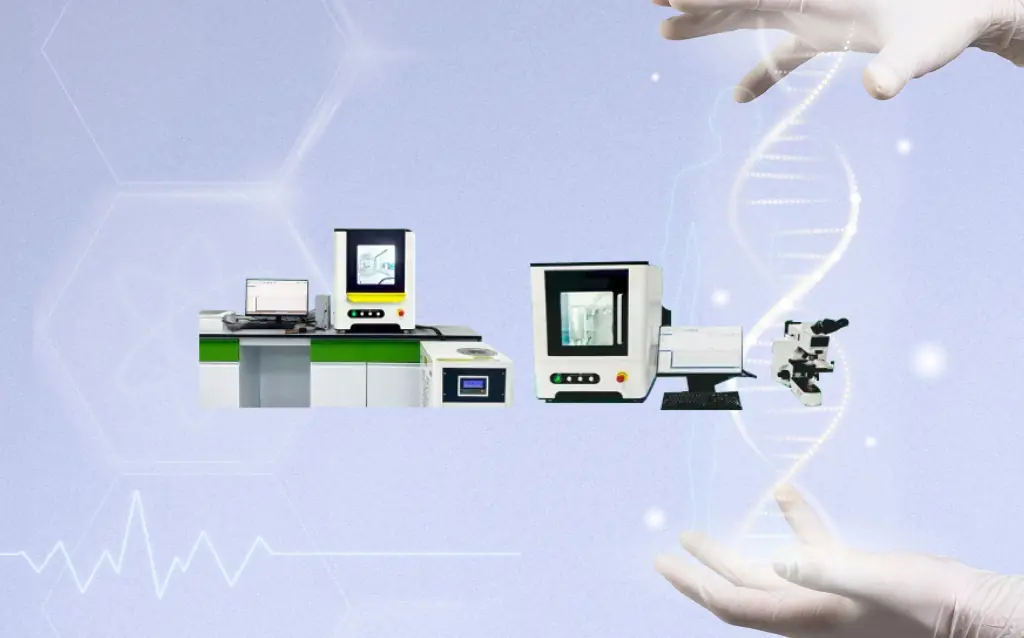
Types of Nanomaterials Analyzed by XRD

X-ray diffraction (XRD) is a powerful, non-destructive technique widely used to analyze the crystal structure of various nanomaterials. From nanoparticles and thin films to nanocomposites and quantum dots, XRD provides critical insights into phase composition, crystallinity, and structural properties essential for advanced material development.

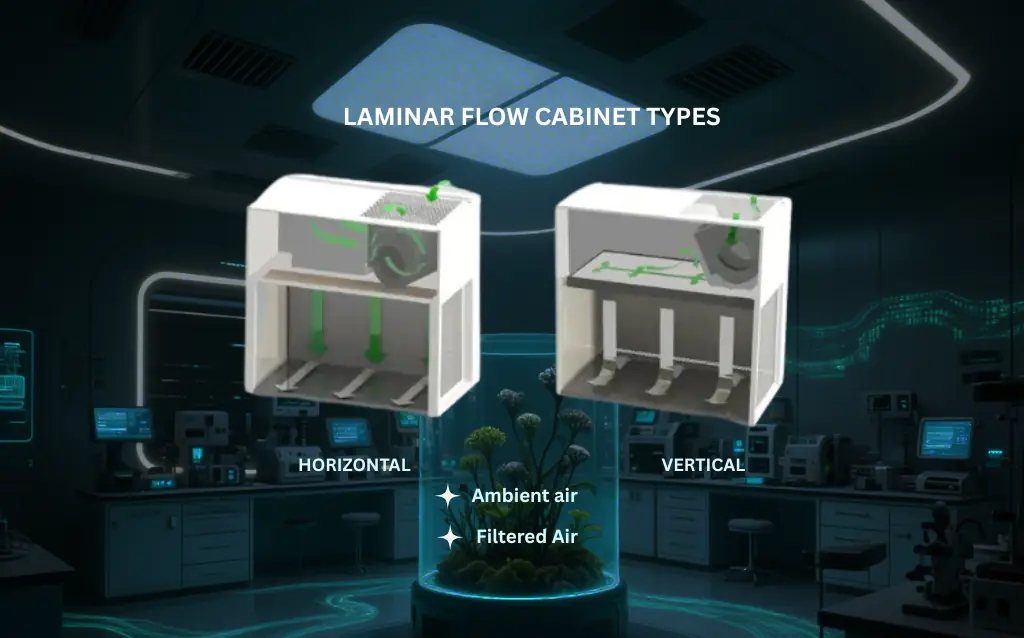
“Comparing Vertical and Horizontal Laminar Flow Cabinets for Laboratory Applications”

Discover the key differences between vertical and horizontal laminar flow cabinets to determine which best suits your laboratory's needs. This guide explores airflow mechanics, safety considerations, space requirements, and application-specific benefits—helping you make an informed decision for optimal contamination control and operational efficiency.

Customizing Water Baths for Industry: Why It Matters & How

This article discusses the importance of customizing water baths for various industrial applications, focusing on precision temperature control, material compatibility, and energy efficiency. Customization enhances efficiency, safety, and compliance with industry standards across sectors like pharmaceuticals, food processing, and electronics, providing tailored solutions for improved performance and cost-effectiveness.