



info@aelabgroup.com
QR Code 1
QR Code 2

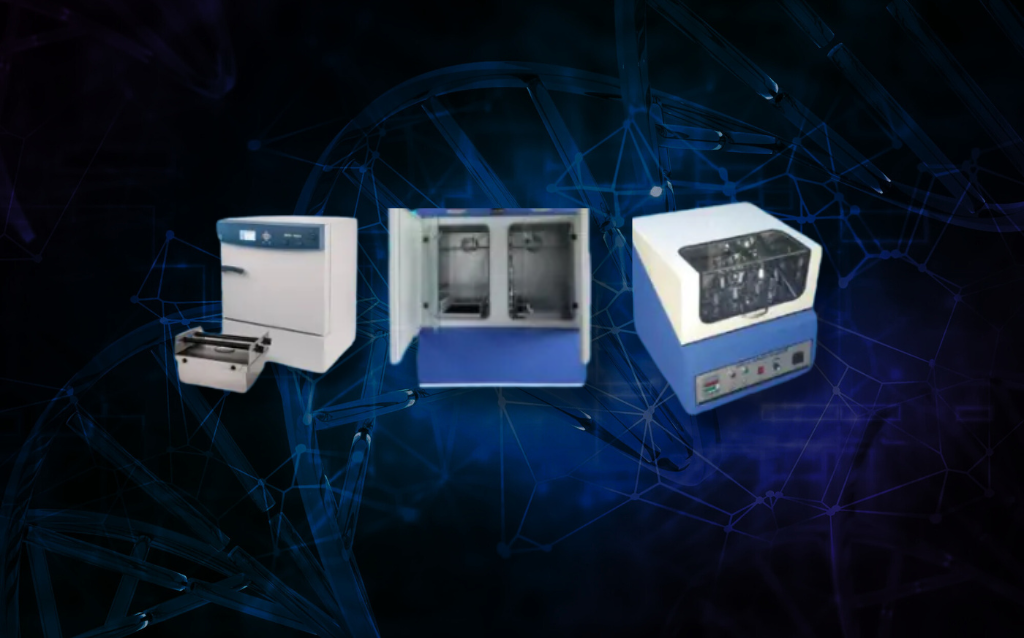
Key Factors to Consider for Choosing the Right Type of Shaking Incubator

This article provides a practical guide to selecting the right shaking incubator for your lab, covering types, key features, and buying considerations. It highlights motion types, temperature control, capacity, and safety features, while showcasing AELAB's reliable and cost-effective solutions for diverse laboratory needs.

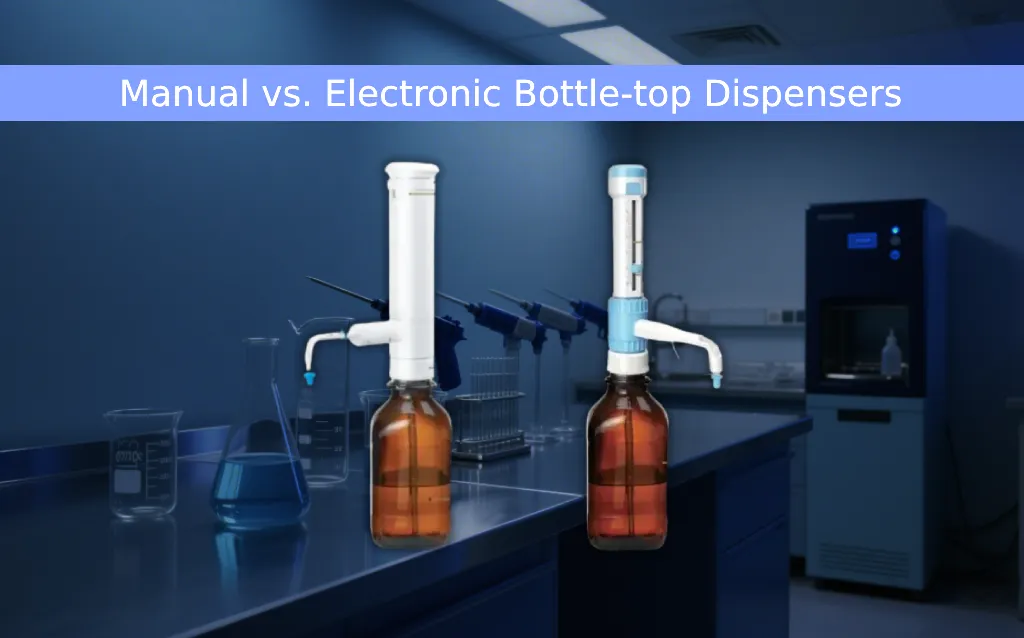
Manual vs. Electronic Bottle-top Dispensers

In laboratories, precision in liquid handling is crucial to ensure reliable results. Among the essential tools that help achieve this level of accuracy, bottle-top dispensers play a critical role. These dispensers come in two main types: manual and electronic. While both serve the same fundamental purpose of providing reliable volume measurements, they differ significantly in functionality, ease of use, and suitability for specific applications. This article explores the differences between manual and electronic bottle-top dispensers, helping you make an informed decision based on your laboratory’s needs.

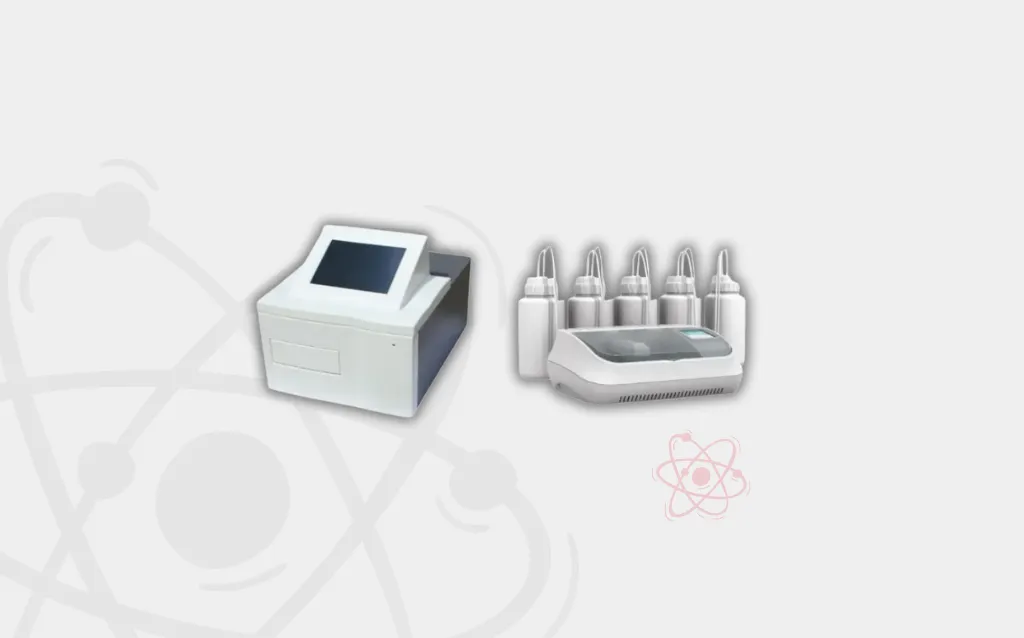
How to improve ELISA reader accuracy?

Improving your AELAB ELISA reader's sensitivity and accuracy isn't about fancy features — it's about thoughtful calibration, high-quality components, and smart sample handling. With consistent attention to detail, you can trust every result, every time.

What is the best pH electrode for food applications?

Choosing the right pH electrode isn't rocket science, but it is science — and precision matters. With the right knowledge, you can confidently match the ideal electrode to your application. From AELAB benchtop meters to rugged field probes, there's a perfect fit for every environment.

Fraction Collectors: Key Features, Applications, Uses, and FAQs

Fraction collectors are essential tools in chromatography, automating the collection of sample fractions. They can collect fractions based on time, volume, or peak detection, offering precision and efficiency. These devices are used in various fields, including biochemistry, environmental analysis, and pharmaceuticals, to purify compounds and analyze complex mixtures. Their automation improves throughput while minimizing manual intervention.

Semi-Automatic Biochemistry Analyzers: A Comprehensive Guide

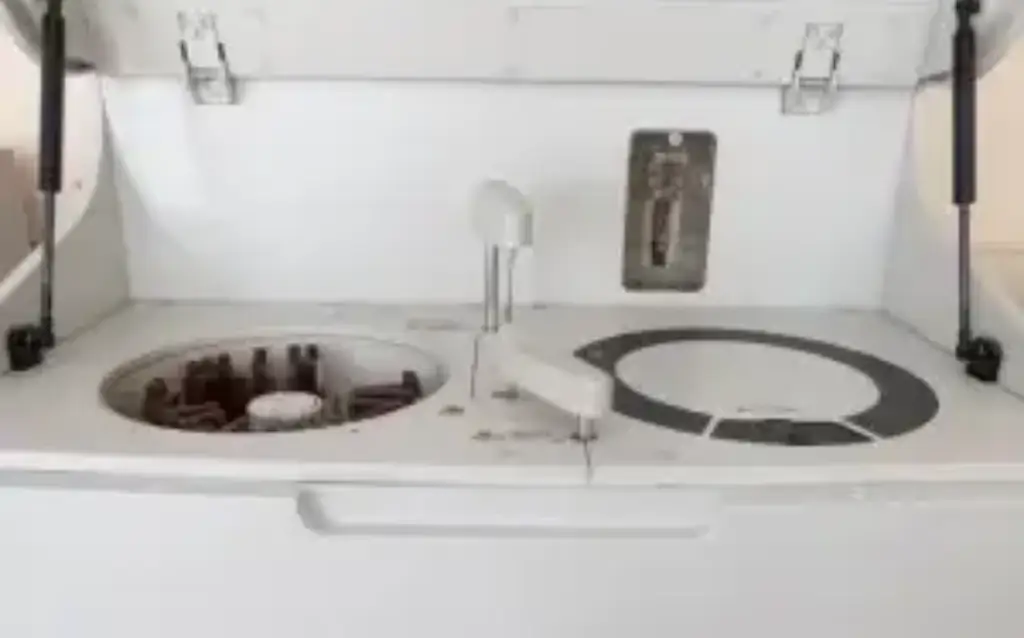
Semi-automatic biochemistry analyzers are laboratory devices designed for the quantitative analysis of biochemical substances in clinical samples. These analyzers combine automated and manual processes to offer high accuracy and speed. They can perform tests such as liver function, kidney function, lipid profiles, and glucose levels. Their compact and user-friendly design makes them ideal for small to medium-sized laboratories. These analyzers are valuable tools for fast and efficient diagnostics in clinical and research environments.

Essential Guide to Paraffin Dispensers in Histology

Paraffin dispensers are essential in histology and pathology labs for embedding tissue samples in paraffin. They provide precise temperature control and efficient wax melting, ensuring consistent flow and minimal waste. These devices enhance workflow by reducing embedding time and improving sample preservation. Their ergonomic design and safety features make them reliable tools in high-volume laboratories.

Tissue Processor in Histology: Automatic & Manual Processing Steps Explained

A tissue processor automates the preparation of histological samples for microscopic analysis. It ensures consistent fixation, dehydration, clearing, infiltration, embedding, and sectioning. Automated models improve workflow efficiency, reduce human error, and enhance tissue quality. Manual processors require operator control but remain useful for small labs. New trends include xylene-free processing, microwave-assisted techniques, and AI-powered automation. Proper tissue processing ensures precise diagnosis in histopathology. Choosing the right model depends on lab needs, processing capacity, and technology.

Microtome Analysis: Applications, Techniques, and Types of Microtomes in Biological Research

Microtome analysis is crucial in biological research for precise tissue sectioning. It enables detailed examination of cells and tissues under microscopes. This technique is widely used in histology, pathology, forensic science, and neuroscience. Different types of microtomes, like rotary and cryostat, offer various applications, ensuring accurate results in tissue analysis.

Tablet Hardness Testing: Best Methods, Key Factors, and Quality Control Guide

Tablet hardness is a key factor in pharmaceutical manufacturing. It affects drug dissolution, packaging durability, and patient experience. Various methods, including compression and tensile strength testing, measure hardness. Factors like formulation, compression force, and storage conditions impact hardness. Advances in automated testing and AI integration improve quality control and consistency.

Medical-Grade Refrigerators: How to Store and Transport Medications Safely

Medical refrigerators maintain a consistent and appropriate temperature, preventing degradation and chemical changes in medications and vaccines. They protect the efficacy of temperature-sensitive substances through precise temperature control. Utilizing standard medical-grade refrigerators is essential for ensuring the safe and effective storage of pharmaceuticals.

Fluorometer : Principles, Types, Applications, and Advances in Fluorescence Measurement

Fluorometers are crucial instruments for accurate and sensitive quantification of nucleic acids, proteins, and other bioactive compounds. By measuring fluorescence emitted from samples after excitation, these devices enable precise analysis in various scientific fields, including molecular biology, environmental monitoring, and medical diagnostics. Their high sensitivity, rapid measurement capabilities, and versatility make them essential tools for advanced research and quality control applications.