info@aelabgroup.com
QR Code 1
QR Code 2

Biological Safety Cabinets: Types, Functions, and Key Considerations for Buyers

Biological Safety Cabinets (BSCs) are essential laboratory equipment designed to protect personnel, products, and the environment from hazardous biological agents. These devices use HEPA filters and laminar airflow to prevent contamination in the laboratory environment. Different types of BSCs, including Class I (personnel and environmental protection) and Class II A2 (personnel, product, and environmental protection), serve various biosafety needs. Choosing the right model depends on the specific biosafety requirements, features, and the laboratory's budget.

Best Automated Cell Counter for Accurate Cell Viability Analysis: Fast and Reliable Results for Clinical and Research Labs

Automated cell counters are essential tools in modern laboratories for accurate and efficient cell counting and viability analysis. These devices use advanced technologies such as image analysis, electrical impedance, and fluorescence to provide precise data on cell concentration, viability, and size. Their applications span across clinical diagnostics, cell therapy, and research, offering advantages like high throughput, reduced human error, and faster results compared to traditional manual methods. The integration of automated systems enhances workflow efficiency and ensures reliable, reproducible outcomes.

Chemical vs. Ducted vs. Walk-in Fume Hoods: Which Lab Hood is Right for You?

Laboratory fume hoods are crucial for maintaining safety by managing hazardous fumes and airborne contaminants. This article provides a comparison of chemical, ducted, and walk-in fume hoods, focusing on their airflow control, safety features, space requirements, and maintenance costs. Chemical fume hoods are designed for localized containment, while ducted fume hoods deliver enhanced ventilation for handling high-risk chemicals. On the other hand, walk-in fume hoods are suitable for large-scale experiments. The choice of fume hood depends on factors such as lab size, specific chemical handling needs, and energy efficiency, ensuring adherence to safety regulations and operational effectiveness.


Water Activity Meters: Measuring Water’s Role in Product Stability

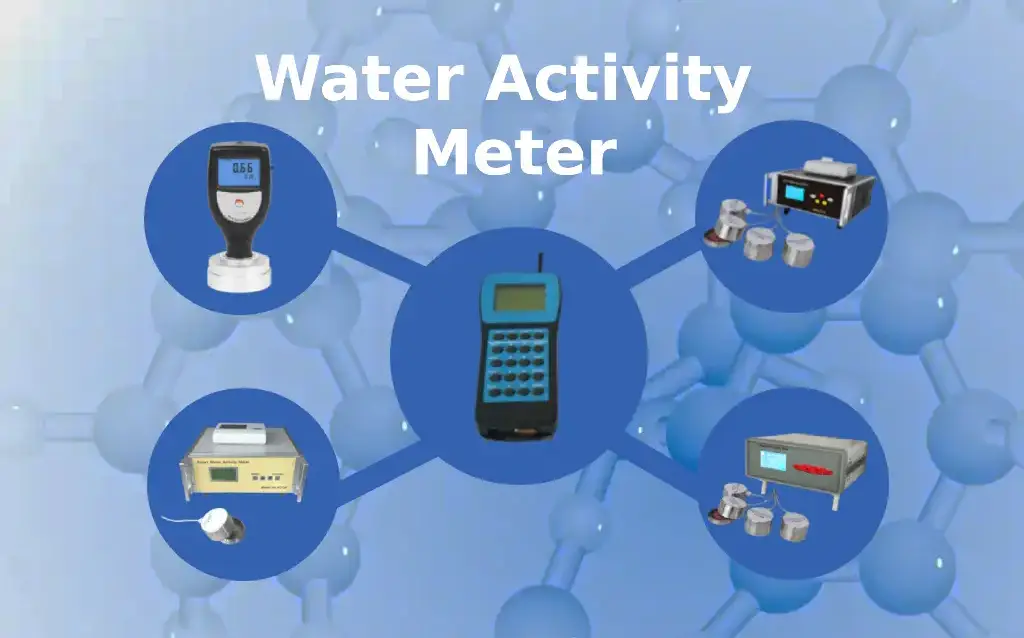
Water activity meters are essential tools for measuring free, unbound water in products, crucial for assessing microbial stability, shelf life, and product quality. By measuring water activity (aw), these devices help control moisture levels, prevent microbial growth, and ensure food safety in various industries such as food, pharmaceuticals, and cosmetics. Accurate water activity measurement allows manufacturers to optimize product storage and improve quality control, making these meters indispensable for maintaining stability and safety.

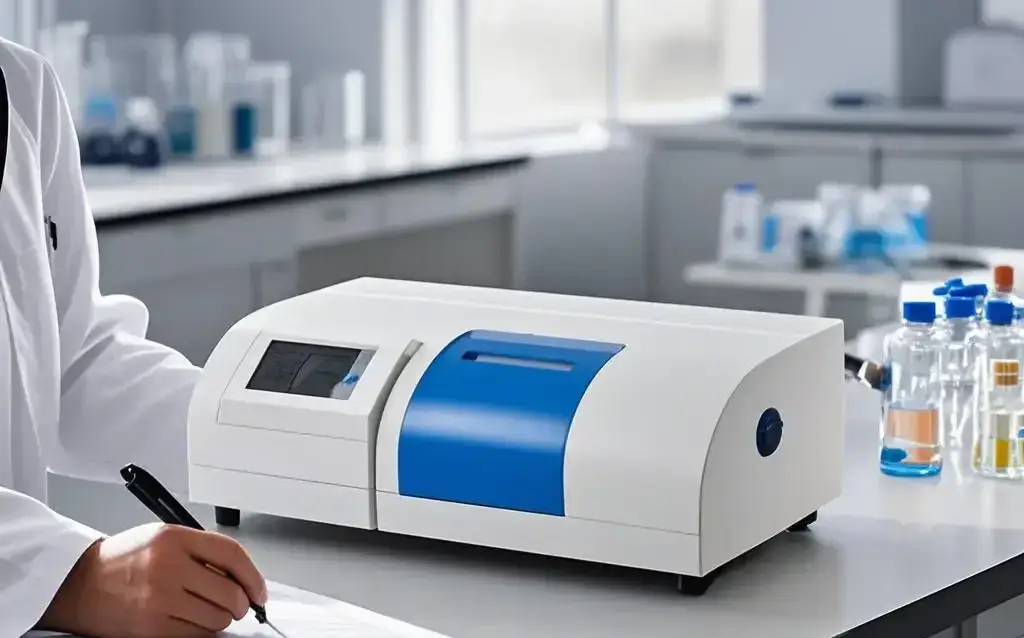
What is a Polarimeter? Principles, Applications, and Measuring Optical Rotation

This article explores the principles and applications of polarimeters, instruments used to measure optical rotation in optically active substances. It discusses the working mechanism, including the use of polarized light and the relationship between optical rotation and concentration. The article also highlights the diverse applications of polarimetry in fields such as chemistry, food industry, and pharmaceuticals, emphasizing its importance in determining substance concentrations and quality control.

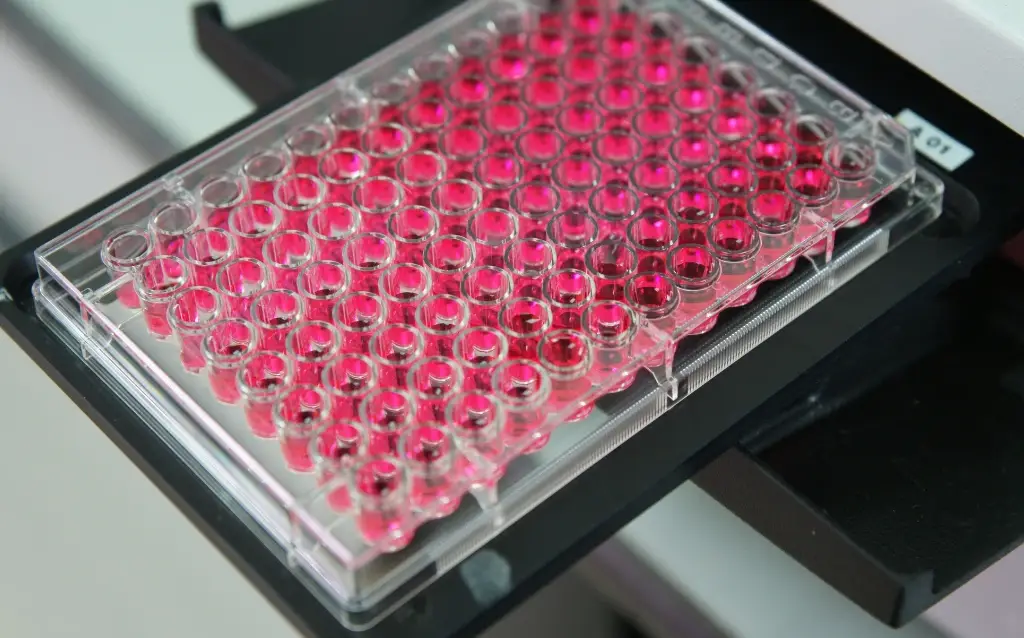
Microplate Readers and Elisa Readers : Essential Tools in Laboratory Research

Microplate readers, including Elisa readers, are crucial instruments in biological, chemical, and medical research. They quantify samples in microplates, offering precise data for assays involving absorbance, fluorescence, and luminescence. These devices are widely used in fields like drug discovery, disease detection, and environmental analysis. Their key features include sensitivity, automation, and multi-detection capabilities, enhancing research efficiency and accuracy.

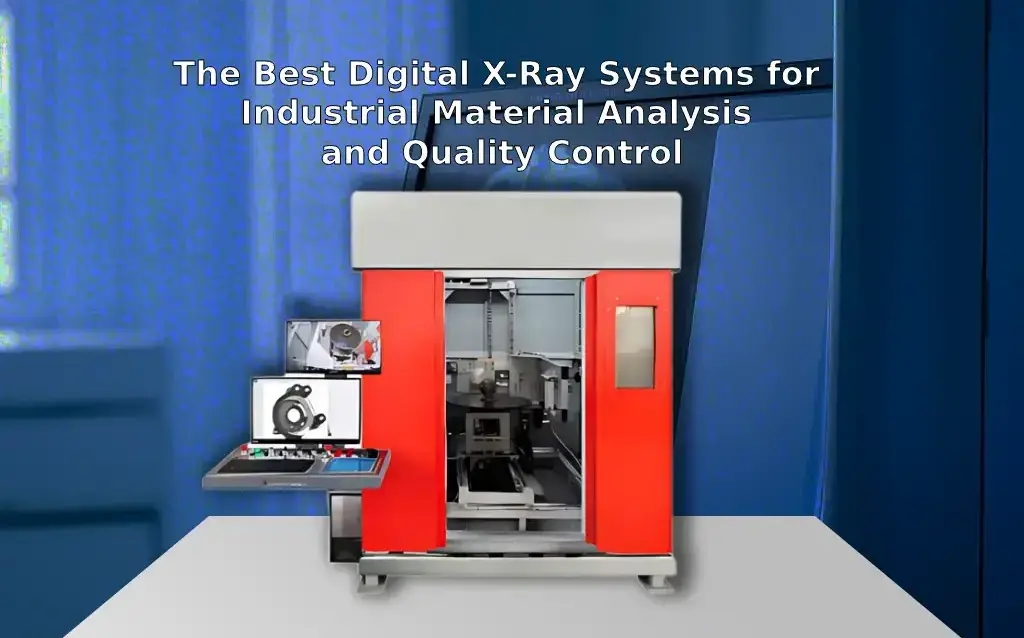
The Best Digital X-Ray Systems for Industrial Material Analysis and Quality Control

Digital X-ray systems and X-ray diffractometers are critical instruments for analyzing industrial materials and ensuring quality control. These systems deliver high-resolution imaging for detecting defects and providing in-depth analysis of crystal structures. They are widely utilized in sectors such as aerospace, automotive, and pharmaceuticals, improving manufacturing workflows and guaranteeing product quality. These technologies support non-destructive testing and accurate material characterization, which is vital for research and development.

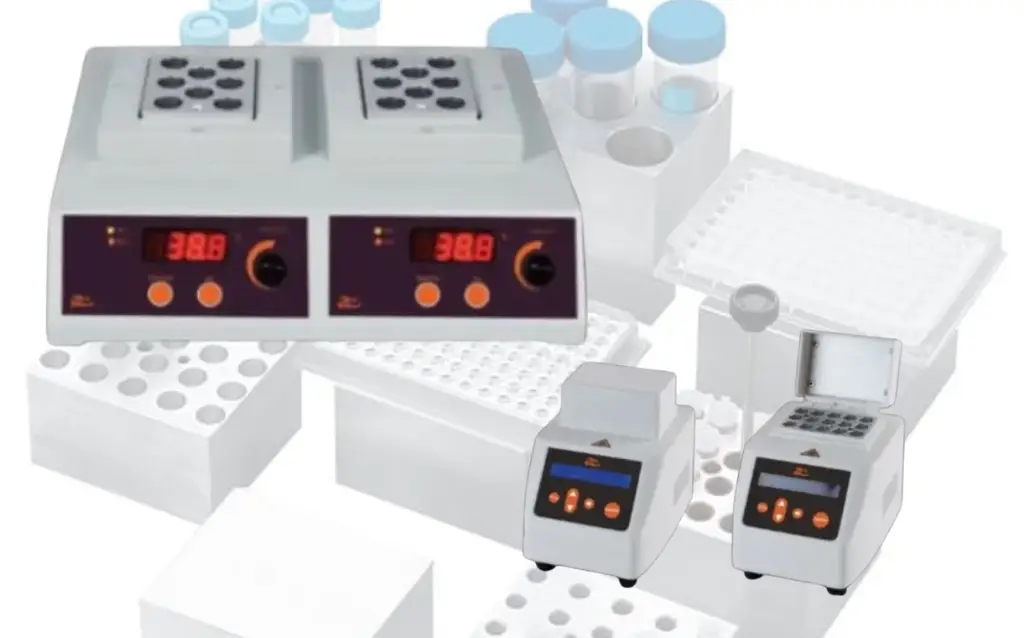
Heating Blocks: A Comprehensive Overview

Heating blocks, also known as dry block heaters, provide precise and uniform heating for laboratory samples. These devices are essential in applications like DNA amplification, enzyme reactions, and sample preparation. They offer energy efficiency, fast heating, and easy maintenance. Digital models ensure accurate temperature control, making them ideal for sensitive scientific experiments.

What is PCR? Types, Tests, and Applications Explained

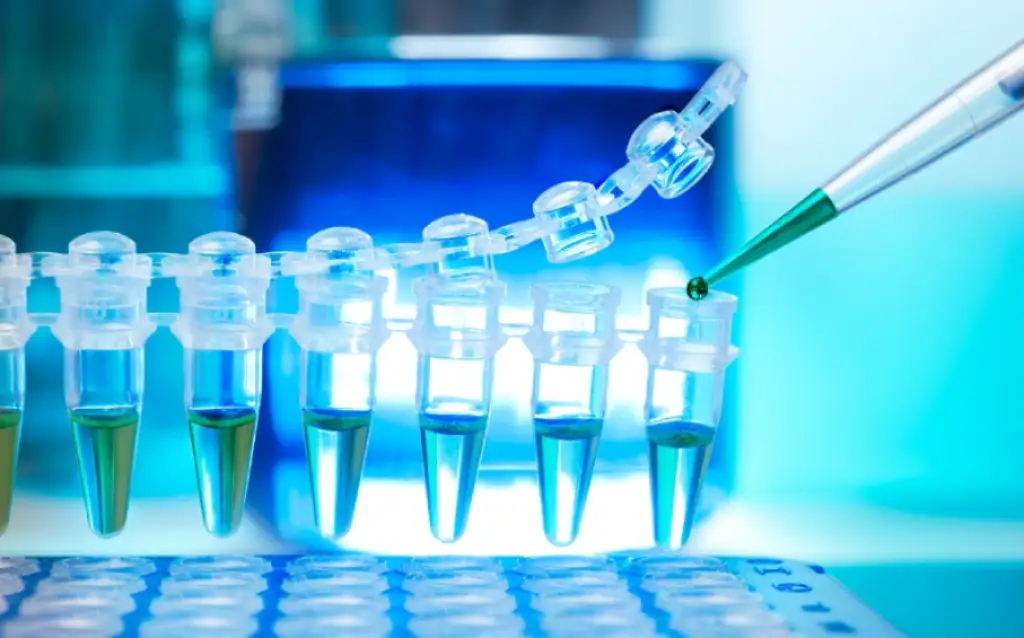
PCR is a vital technique for amplifying specific DNA sequences. It is widely used in disease diagnosis, genetic research, and personalized medicine. PCR enables rapid detection of infections like COVID-19 and helps analyze genetic disorders. Recent advancements in PCR have expanded its accuracy and applications.

Understanding Centrifugal Force and Centrifuge Machines: Applications, Benefits, and Key Differences

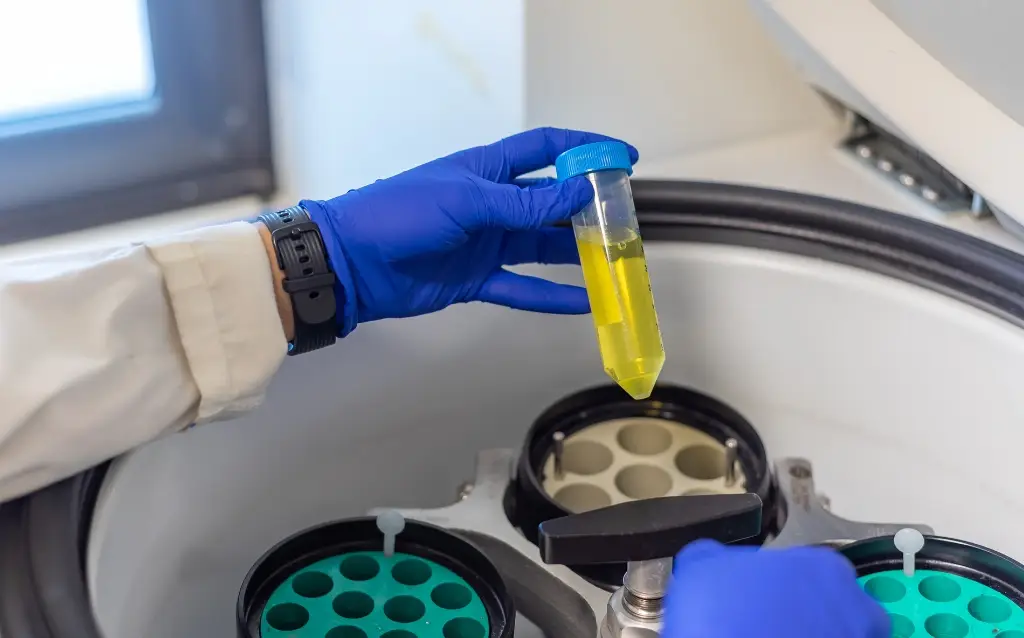
Centrifugal force is crucial in laboratory and industrial centrifuge machines for efficient separation of substances based on density. These machines, used in medical, scientific, and industrial applications, offer precise control, quiet operation, and customizable settings. Understanding how centrifugal force powers these machines helps optimize their use in diverse fields like blood analysis, PCR, and waste treatment.

Recirculating Chillers: How They Work, Applications, and Key Considerations

Recirculating chillers provide precise temperature control for laboratories, HPLC, analytical instruments, and industrial processes. They use a closed-loop system to efficiently remove heat, reduce energy consumption, and prevent equipment overheating. With applications in spectrophotometry, chromatography, and semiconductor cooling, they ensure optimal performance, cost efficiency, and reliability.

Muffle Furnace: Applications, Features, Benefits, and How to Choose the Right One for Laboratory and Industrial Use

A muffle furnace is a high-temperature heating device used to heat materials in laboratories and industries. It isolates the material from combustion gases and fuel, providing a clean and controlled heating environment. Muffle furnaces are used in processes like ashing, heat treatment, calcination, and sintering. Choosing the right furnace depends on factors such as the desired temperature, chamber size, and type of heating elements.