


info@aelabgroup.com
QR Code 1
QR Code 2

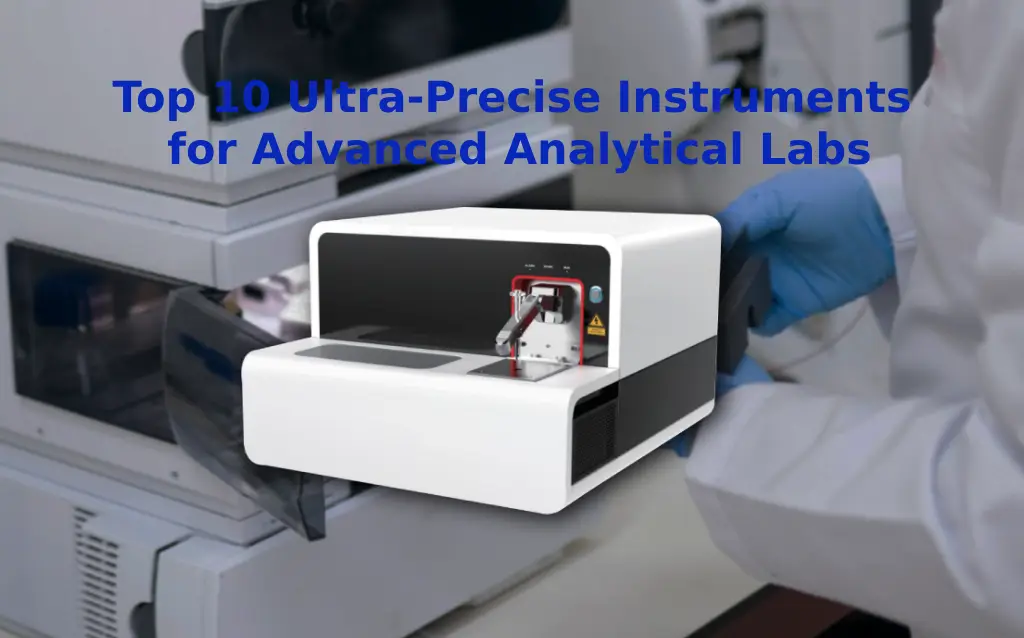
Top 10 Ultra-Precise Instruments for Advanced Analytical Labs

This article introduces the top 10 ultra-precise instruments for advanced analytical labs. It highlights tools for accurate chemical and physical analysis. These instruments ensure reliable and reproducible results in research and industry.

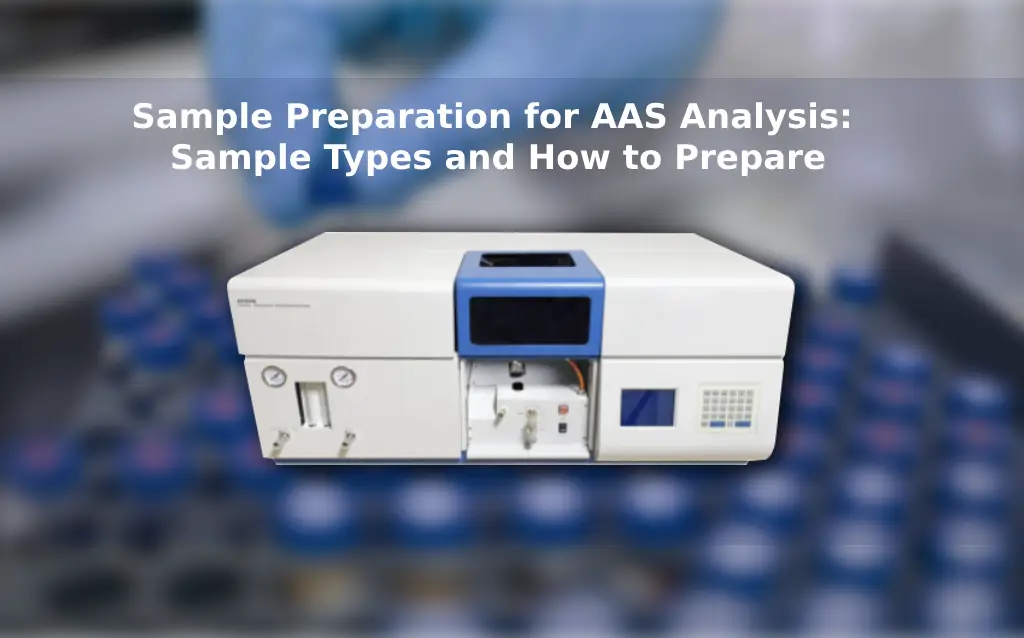
Sample Preparation for AAS Analysis: Sample Types and How to Prepare

This article explores essential sample preparation techniques for Atomic Absorption Spectroscopy (AAS), including methods for solid, liquid, and gaseous samples. It highlights challenges like contamination and matrix interferences and introduces innovative AELAB instruments for precise elemental analysis. These tools enhance efficiency, accuracy, and reliability in modern laboratory applications.

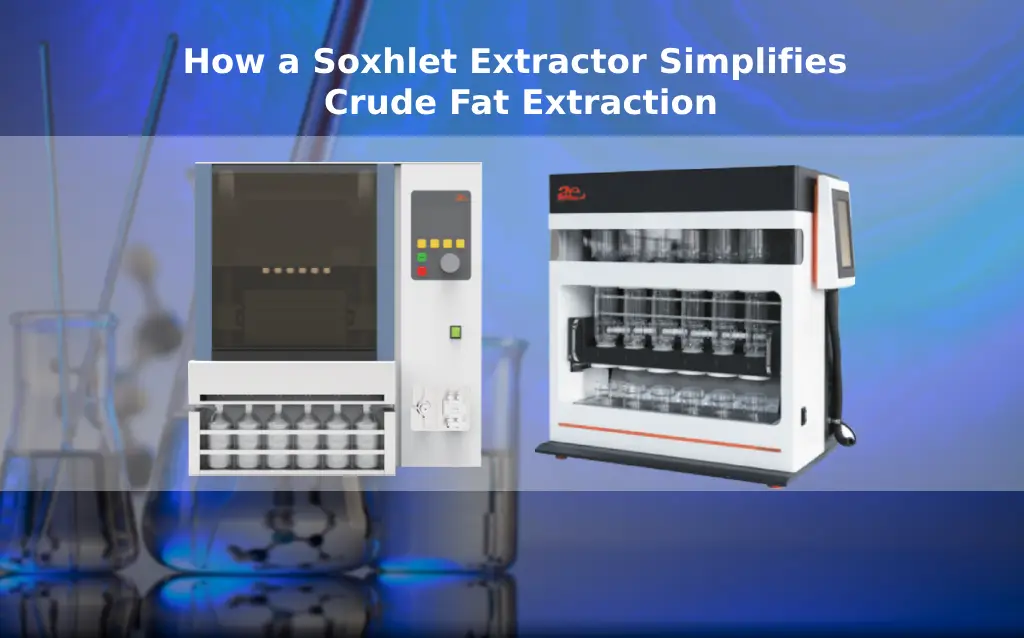
How a Soxhlet Extractor Simplifies Crude Fat Extraction

Soxhlet extraction is a robust and reliable method for crude fat analysis in food, pharmaceutical, and environmental industries. Its continuous solvent recycling mechanism ensures precision, efficiency, and versatility across diverse sample types. With modern enhancements like automation, microwave, and ultrasound assistance, Soxhlet extraction remains indispensable for accurate and reproducible results in laboratory applications.

Overcoming the Challenges of High-Salt Sample Analysis in ICP-MS

This article examines the challenges and solutions for analyzing high-salt matrices in ICP-MS. It addresses issues such as spectral interferences, matrix effects, and reduced sensitivity, while introducing methods like ion-exchange resins, dilution, and filtration to improve accuracy and recovery rates. Advanced techniques like ICP-OES and ICP-MS, combined with these approaches, enhance the analysis of complex samples. This article is valuable for laboratories and researchers in various scientific and industrial fields.

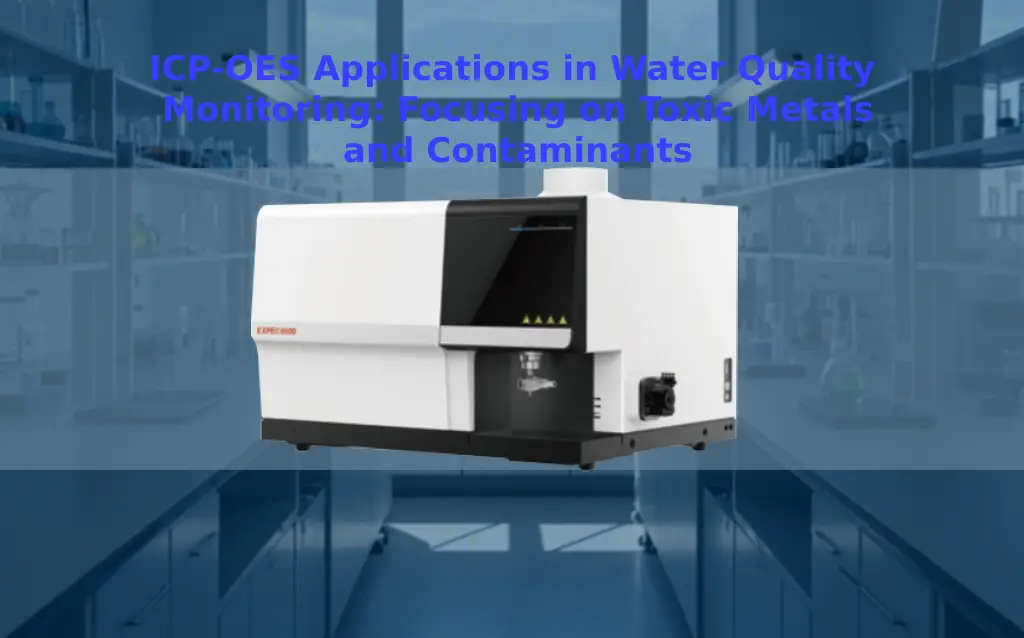
ICP-OES Applications in Water Quality Monitoring: Focusing on Toxic Metals and Contaminants

ICP-OES is an essential tool for detecting toxic metals in water, ensuring environmental compliance and public health safety. It offers high sensitivity, precision, and the ability to analyze multiple contaminants simultaneously. This technique is widely used in water quality monitoring for regulatory testing and environmental protection.

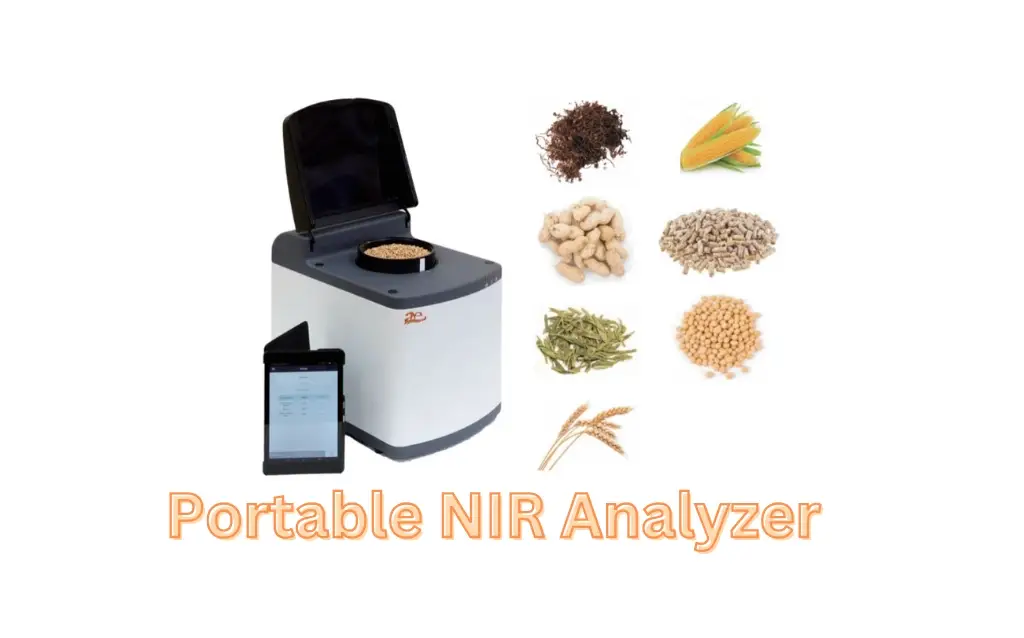
Application of Portable NIR Analyzer 1330 in Quality Control of Ethanol Production from Grains

This article explores the application of portable NIR analyzers in ethanol production from grains. It highlights their role in real-time quality control, grain composition analysis, and process optimization. Portable NIR technology enhances efficiency, reduces waste, and supports sustainable production practices.

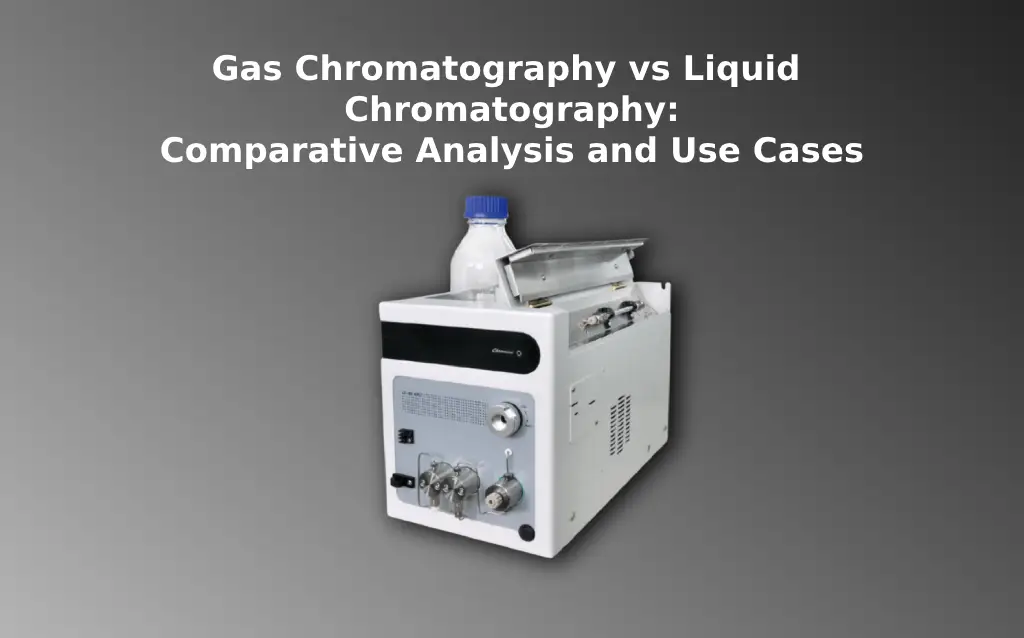
Gas Chromatography vs Liquid Chromatography: Comparative Analysis and Use Cases

This paper compares Gas Chromatography (GC) and High-Performance Liquid Chromatography (HPLC), highlighting their key differences, advantages, and limitations. GC uses gas as the mobile phase, suitable for volatile and thermally stable compounds, while HPLC employs liquid phases, ideal for non-volatile, polar, and large biomolecules. The paper also discusses detection principles, operational costs, and sample requirements. It provides insights into their industrial applications, emphasizing the selection criteria based on sample properties and analysis goals.

Surface Profile Gauges: Optimizing Industrial Surface Quality

Surface profile gauges are essential tools in industrial quality control and surface preparation. These devices operate by analyzing surface peaks and valleys, ensuring optimal coating adhesion and durability. From surface blasting to coating optimization and concrete profiling, they reduce material waste, improve efficiency, and meet international standards, making them indispensable in industrial workflows.

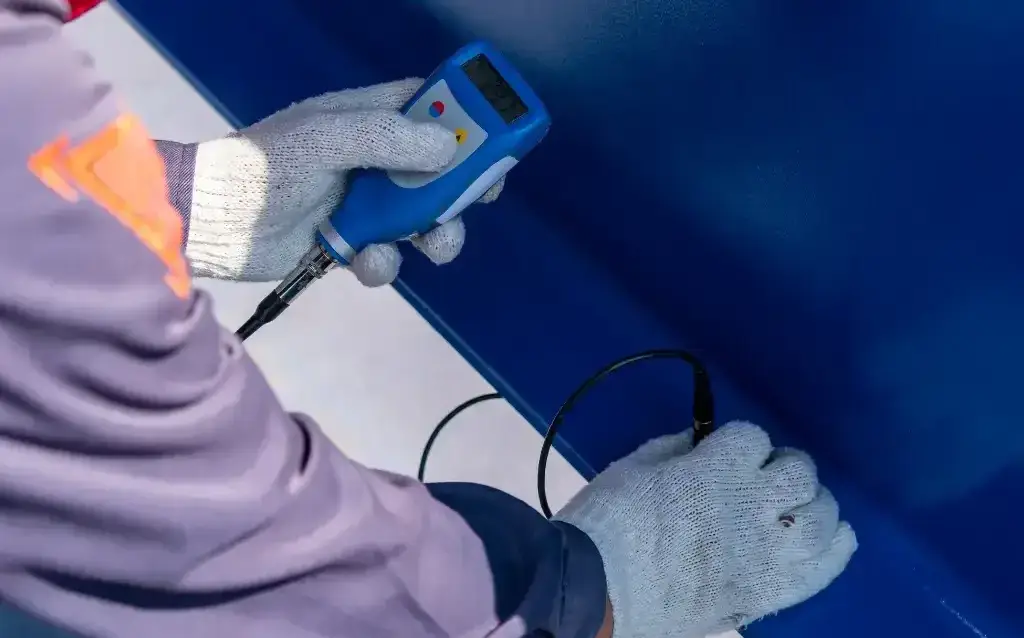
Digital Coating Thickness Gauges: Applications and Benefits Across Industries

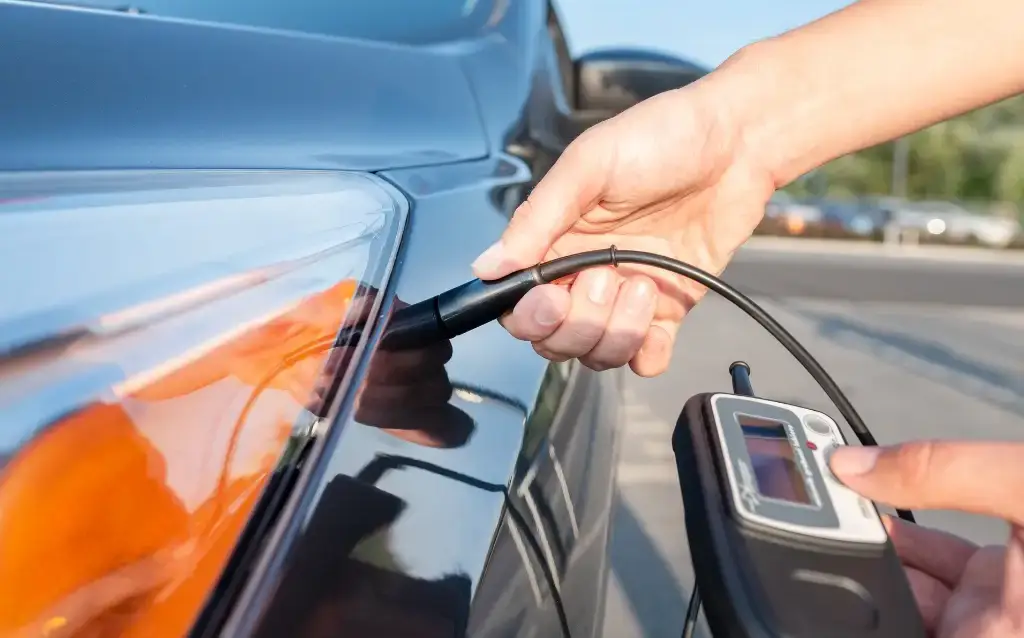
Digital coating thickness gauges are essential tools for measuring dry film thickness (DFT) in industries like automotive, construction, and manufacturing. Utilizing advanced technologies like magnetic induction and eddy currents, these devices ensure quality, material efficiency, and compliance with standards. The CM-8820 is a standout example for precise and reliable measurements.

Gloss Meters: Digital or Analog? Which One Offers Better

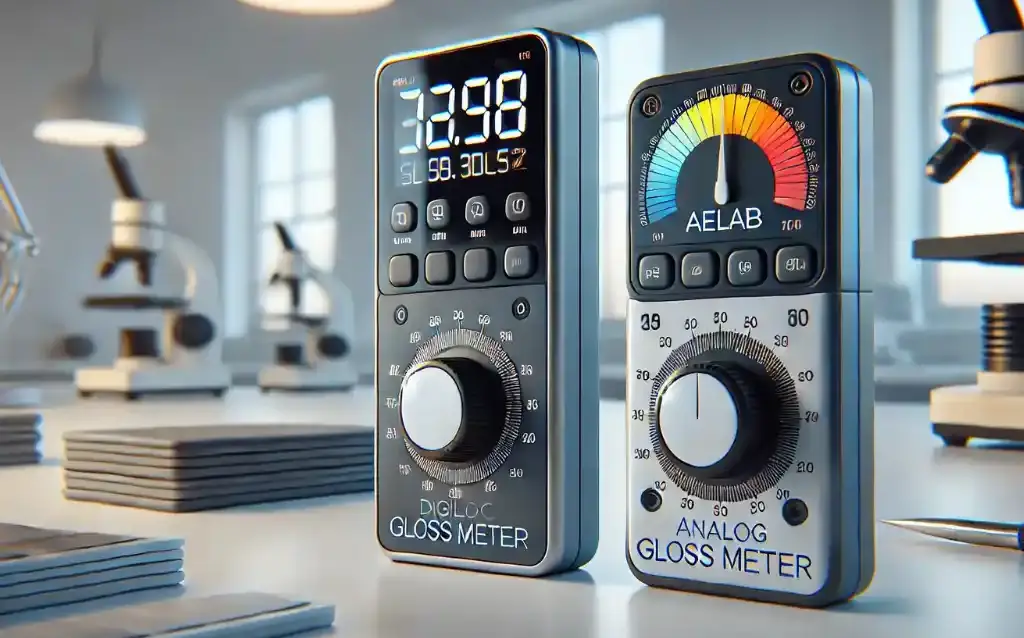
Choosing between digital and analog gloss meters depends on your needs for precision and surface type. Digital gloss meters provide accurate, repeatable measurements with customizable angles (20°, 60°, 85°) for various gloss levels. Analog models offer continuous measurement for high-precision applications, especially in quality control processes.

Window Tint Meters: Applications in Various Industries

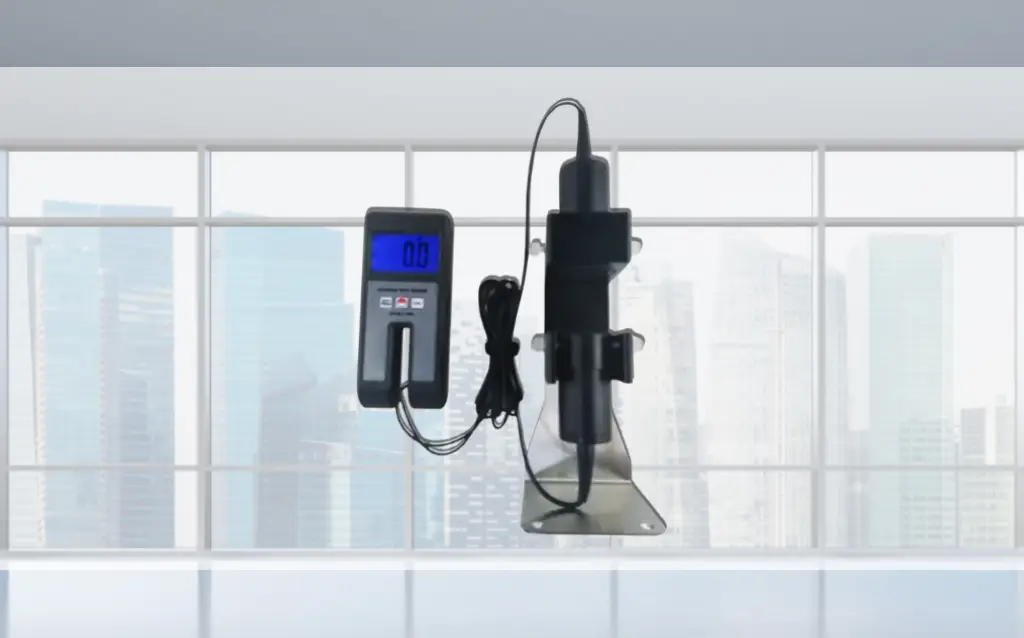
Window tint meters are devices used to measure the amount of light transmitted through glass surfaces, widely applied in industries such as automotive, construction, and security. These meters ensure compliance with legal and performance standards, playing a key role in enhancing safety, energy efficiency, and privacy. In particular, they contribute to reducing energy consumption and improving comfort in automotive and building applications.

Applications and Target Industries of the LX-1261R Optometer Illuminometer

The LX-1261R Optometer Illuminometer is a versatile tool used for accurate light measurement in various industries. It offers precise Lux and Foot-Candle readings, with advanced features like Bluetooth connectivity and a detachable sensor for flexible usage. This device plays a critical role in sectors such as lighting design, manufacturing, and phototherapy.