




info@aelabgroup.com
QR Code 1
QR Code 2

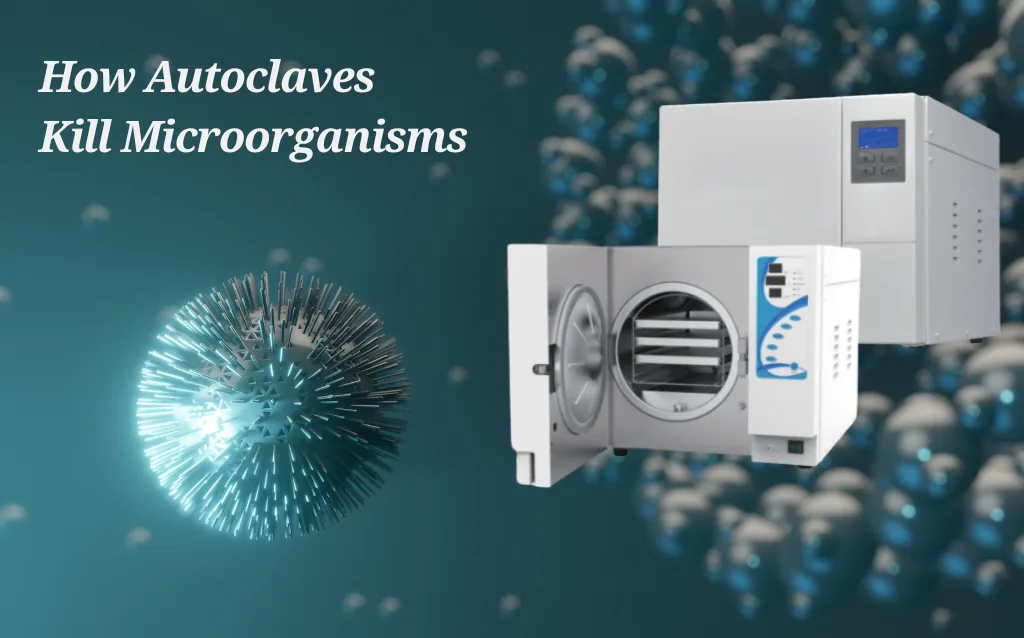
How Autoclaves Kill Microorganisms: The Science Behind It

How autoclaves kill microorganisms through steam, heat, and pressure—an essential process for sterilization in hospitals, labs, and clinics.

Analytical Balance Accuracy: 6 Key Factors That Affect It

Achieving reliable results in the lab starts with precise weighing. This guide explores the top 6 factors that impact Analytical Balance Accuracy and offers expert tips to minimize errors and ensure consistent performance.

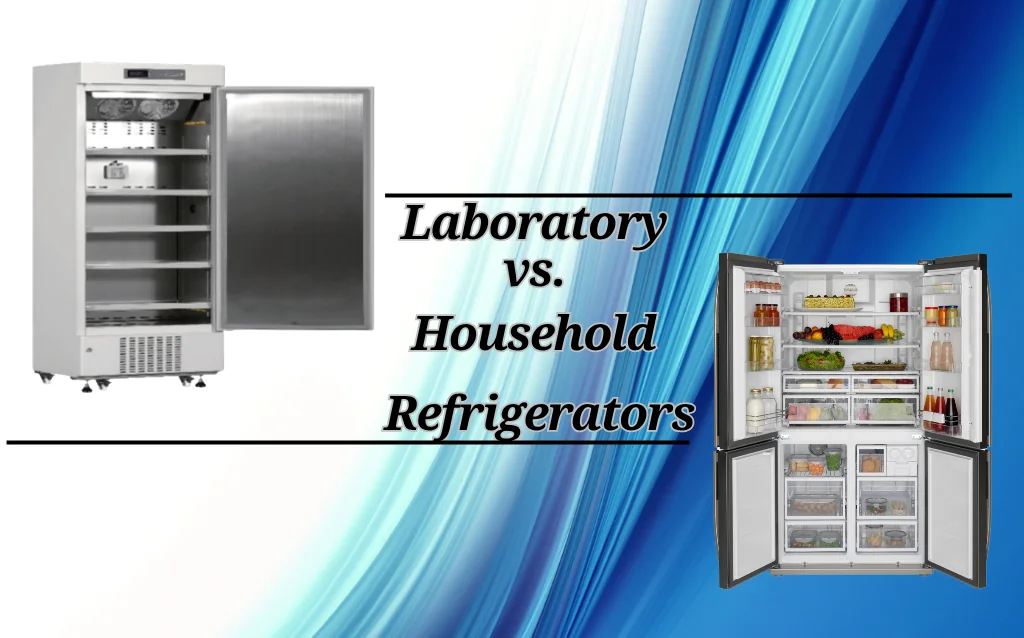
Laboratory vs. Household Refrigerators: Which Protects Samples?

Explore the crucial differences in precision, safety, and compliance between Laboratory vs. Household Refrigerators to ensure optimal storage of sensitive scientific materials

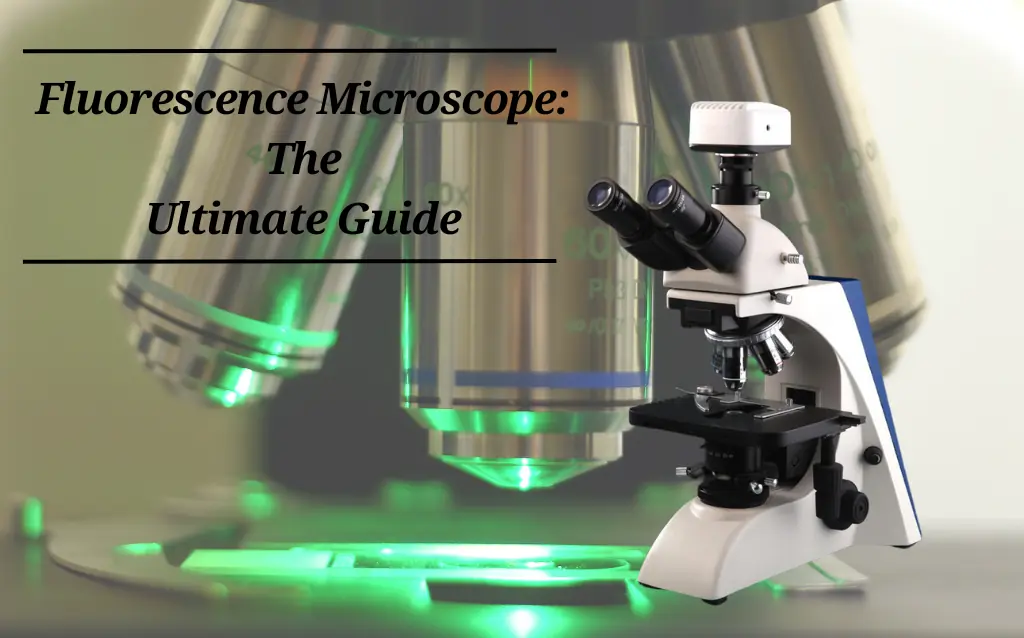
Fluorescence Microscope: The Ultimate Guide

Discover how the fluorescence microscope revolutionizes scientific imaging by combining optical precision with fluorescent labeling. This comprehensive guide explores its working principles, core components, advanced types like confocal and TIRF, and diverse applications in biology, medicine, and material science. Whether you're a researcher or a student, learn how fluorescence microscopy enables high-contrast, real-time visualization of microscopic structures with unparalleled accuracy.

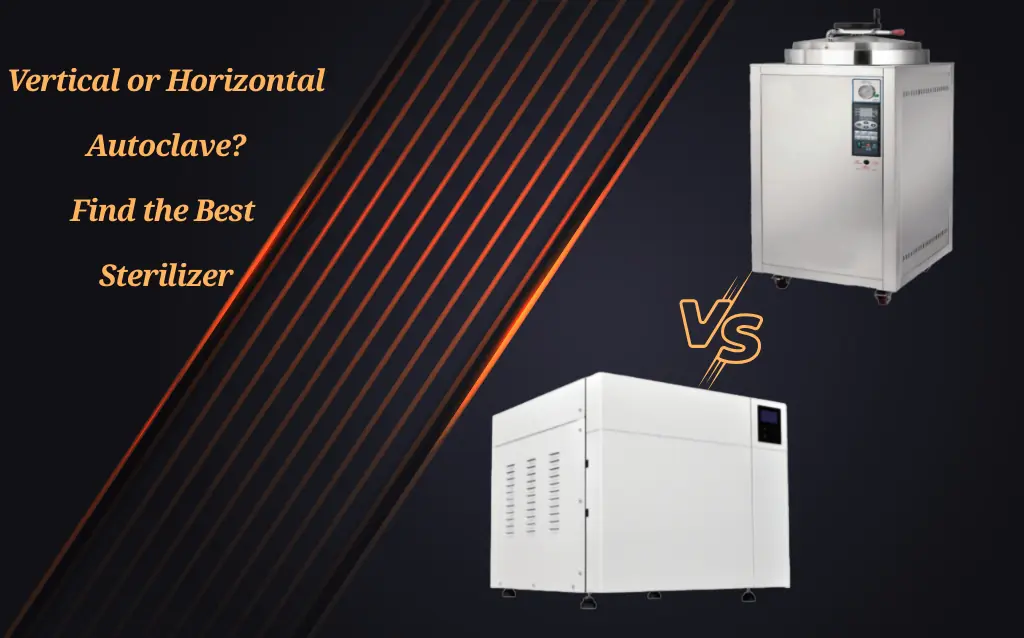
Vertical or Horizontal Autoclave? Find the Best Sterilizer

Choosing between a vertical or horizontal autoclave depends on your facility’s sterilization volume, space, and workflow. Discover the pros, cons, and key differences to select the ideal steam sterilizer for your lab, clinic, or production line.

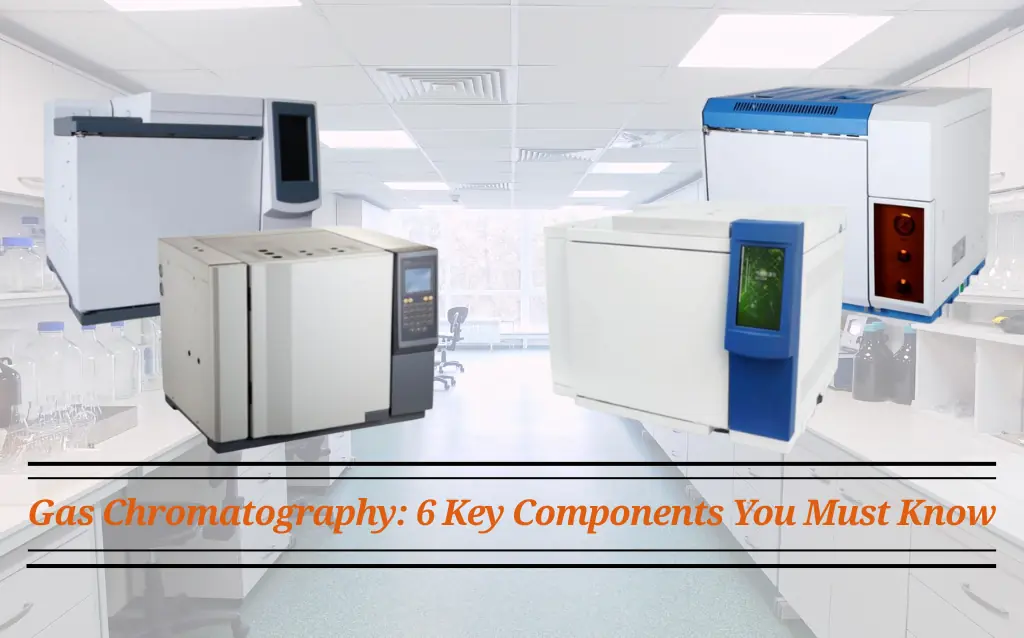
Gas Chromatography: 6 Key Components You Must Know

Gas Chromatography is a powerful analytical technique used to separate and analyze volatile compounds with high precision. This guide explores the 6 key components of a modern GC system—including the injector, carrier gas, column, oven, detector, and data system—explaining how each part contributes to accurate, efficient, and reliable chemical analysis across industries.

14 Essential Questions About Polarimeters – A Complete Guide

Looking for clear answers to your questions about polarimeters? This expert Q&A guide covers 14 essential topics—from how polarimeters work to their use in pharmaceuticals, food science, and chemical labs. Learn about light sources, calibration, specific rotation, and more in one complete resource.

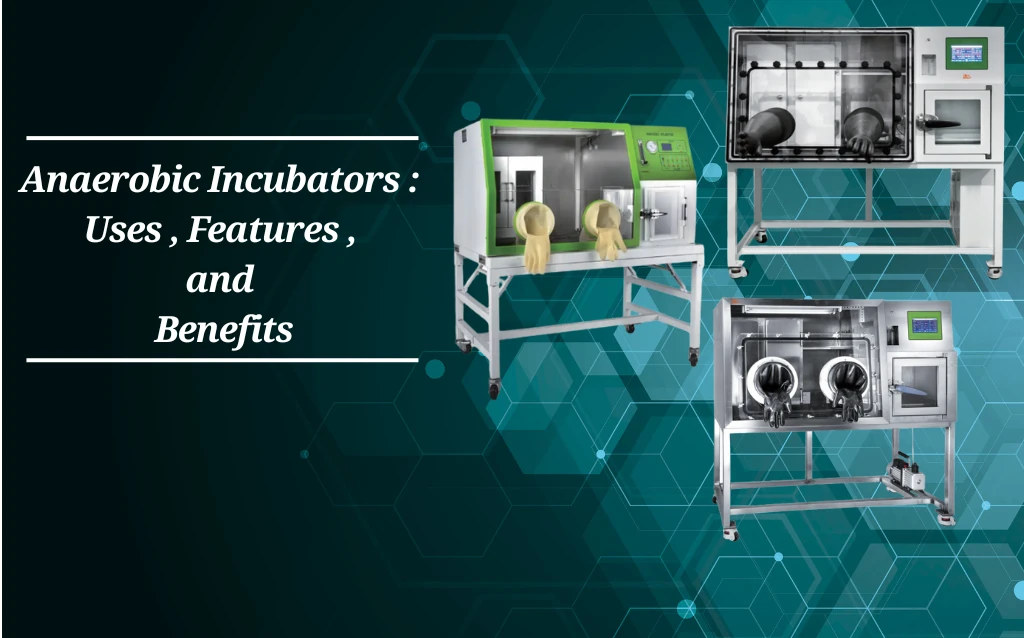
Anaerobic Incubators : Uses, Features, and Benefits

Anaerobic incubators are essential tools in microbiology, clinical diagnostics, and biotechnology, providing controlled oxygen-free environments to grow and study anaerobic microorganisms. This article explores their key features, gas compositions, scientific applications, and best practices for effective use in modern research labs.

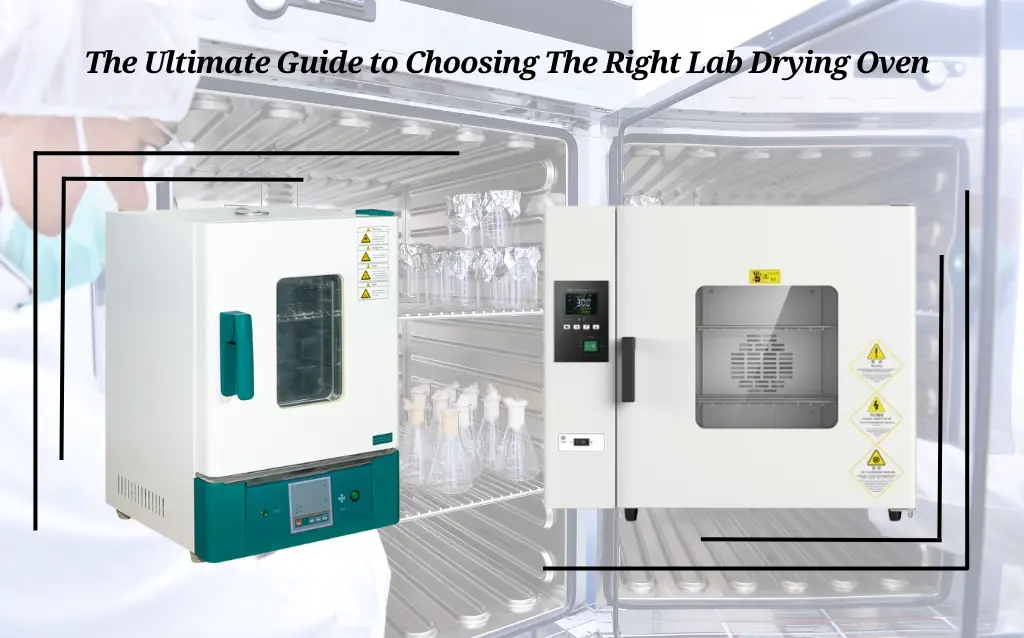
The Ultimate Guide to Choosing the Right Lab Drying Oven

Choosing the right lab drying oven is essential for ensuring accurate, efficient, and safe laboratory operations. This comprehensive guide explores the different types of drying ovens, key features to consider, and expert tips to help you make the best decision for your specific lab needs.

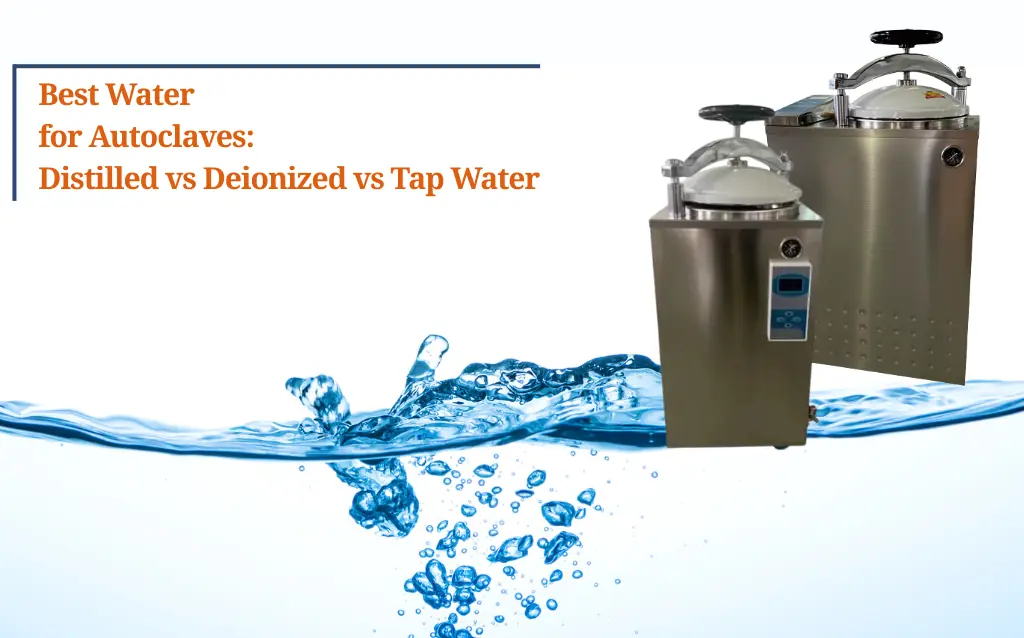
Best Water for Autoclaves: Distilled vs Deionized vs Tap Water

Choosing the best water for autoclave sterilization is essential for safety and performance. This guide compares distilled, deionized, and tap water to help you make the right choice.

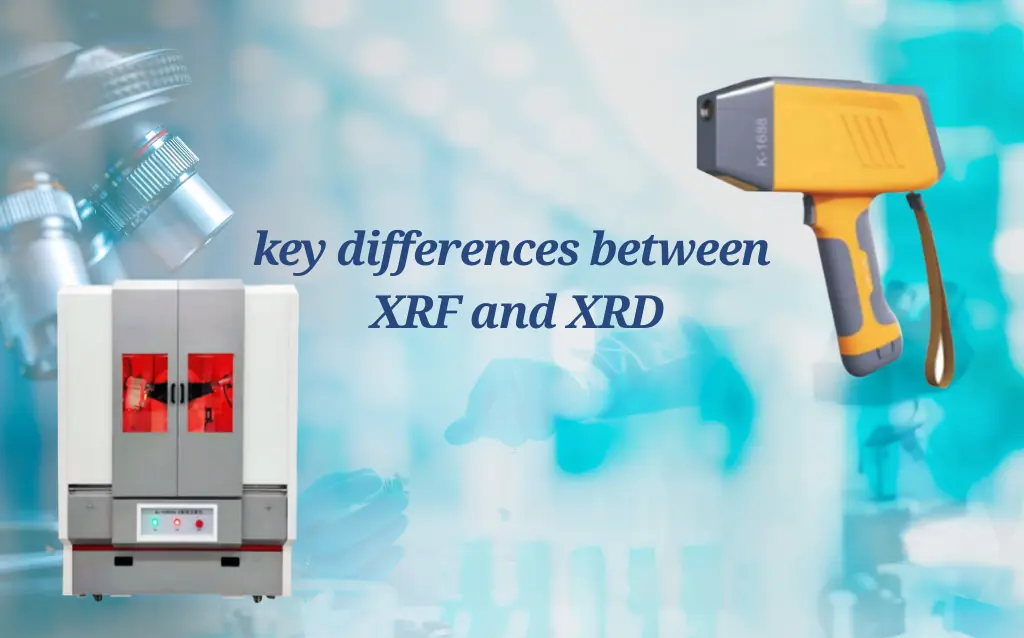
key differences between XRF and XRD

Discover the key differences between XRF and XRD techniques for material analysis. Learn when to use each method, their applications in science and industry, and how combining both can deliver complete insights into a sample’s composition and structure.

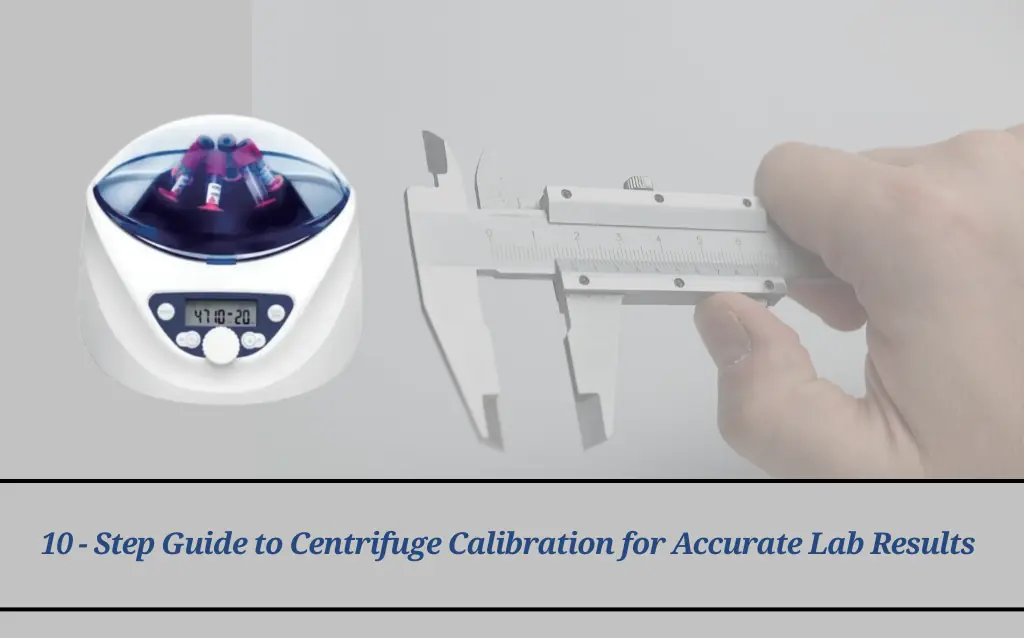
10-Step Guide to Centrifuge Calibration for Accurate Lab Results

"Master Centrifuge Calibration in 10 simple steps to ensure accurate lab results, regulatory compliance, and longer equipment life. This essential guide covers RPM, timer, and temperature checks for safe and consistent laboratory performance."