
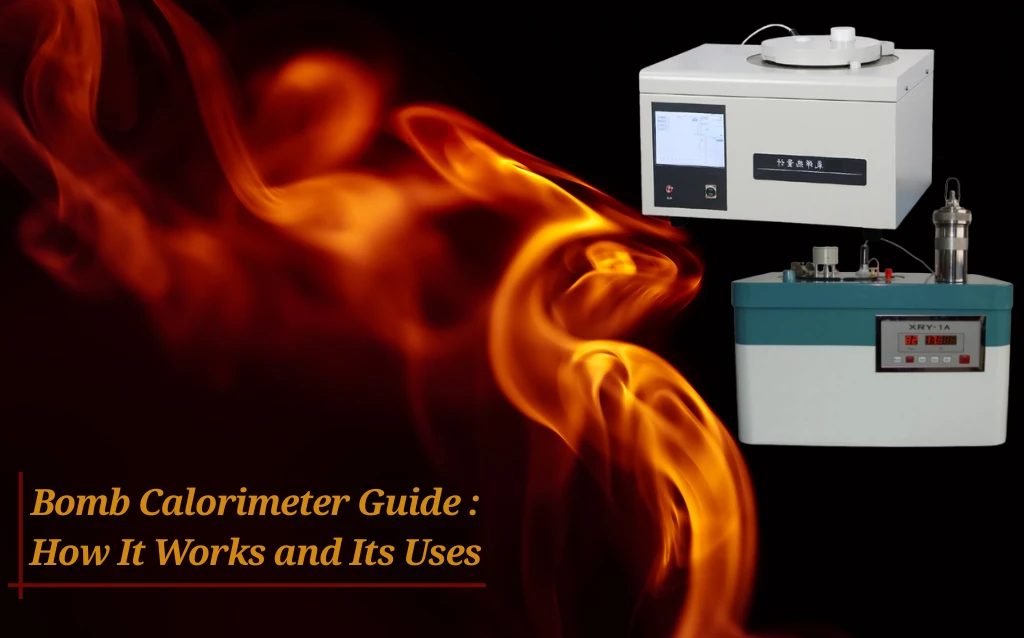

Discover the essentials of the bomb calorimeter, a precise instrument used to measure the heat of combustion in various materials. This comprehensive guide covers its structure, working principle, and diverse applications, helping researchers and industry professionals achieve accurate energy content analysis with reliable results.
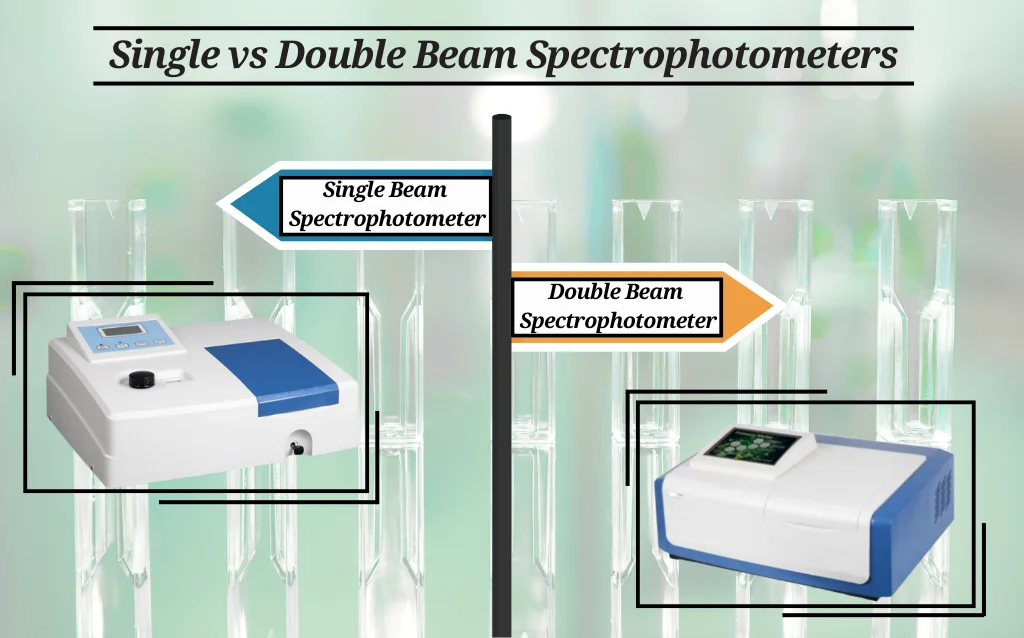
Explore the essential differences between Single vs Double Beam Spectrophotometers to make an informed choice for your lab. This comprehensive guide covers performance, accuracy, cost, and ideal applications to help you select the perfect spectrophotometer tailored to your scientific needs.
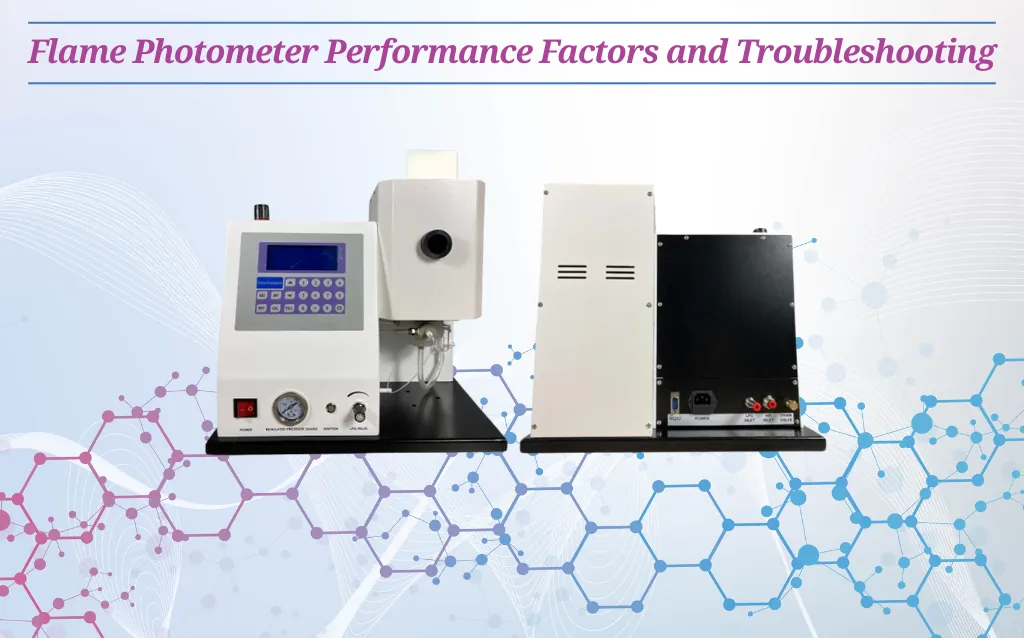
Discover how to improve flame photometer accuracy by understanding key performance factors and solving common operational issues. A must-read for lab professionals
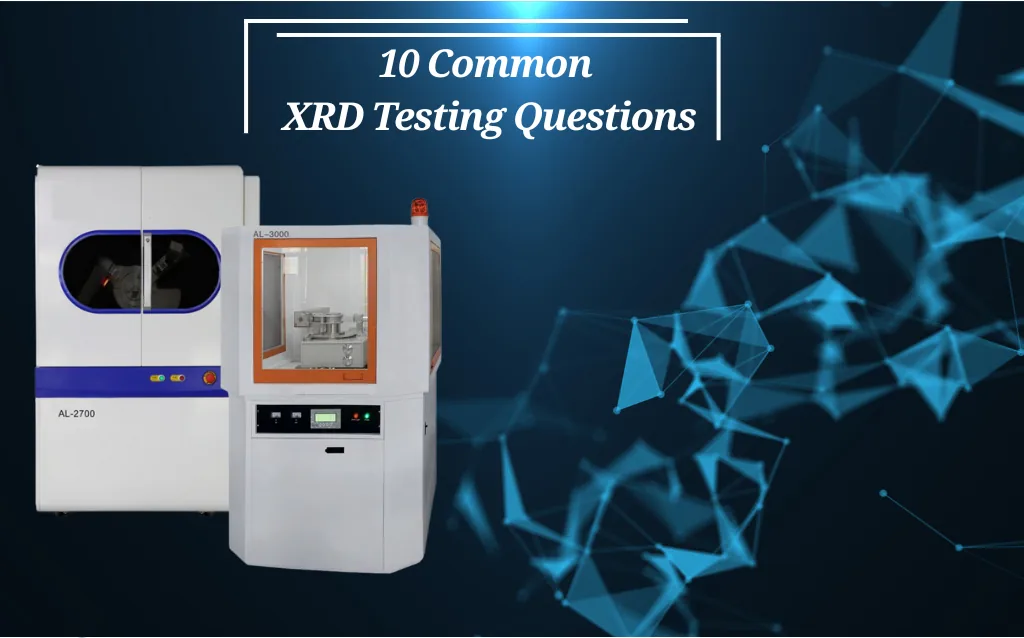
X-Ray Diffraction (XRD) is a non-destructive technique for determining material crystalline structures. This guide answers common XRD Testing Questions to help professionals in material science, research, and quality control
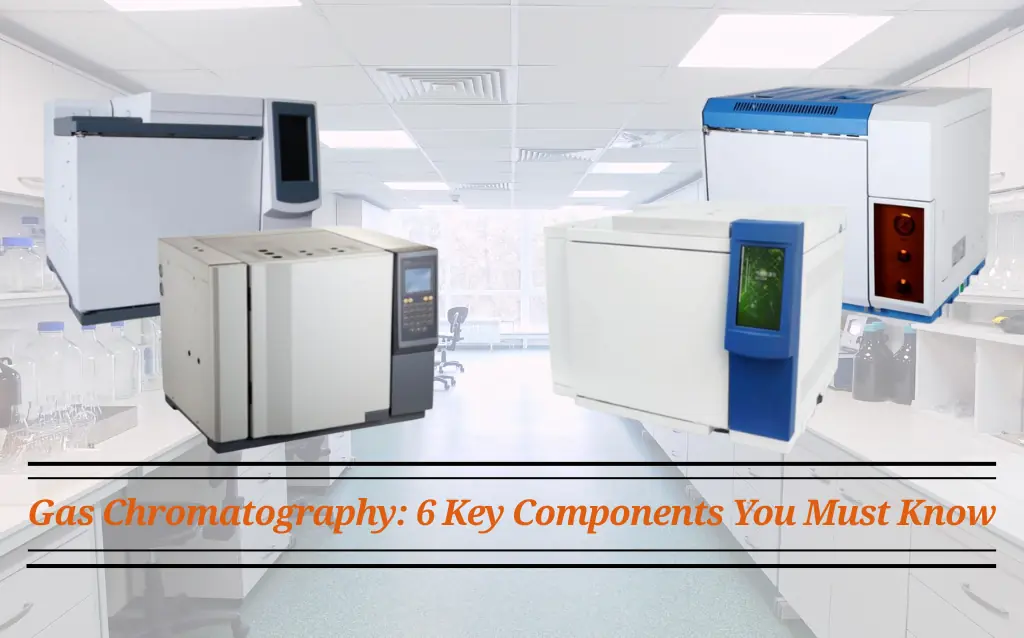
Gas Chromatography is a powerful analytical technique used to separate and analyze volatile compounds with high precision. This guide explores the 6 key components of a modern GC system—including the injector, carrier gas, column, oven, detector, and data system—explaining how each part contributes to accurate, efficient, and reliable chemical analysis across industries.
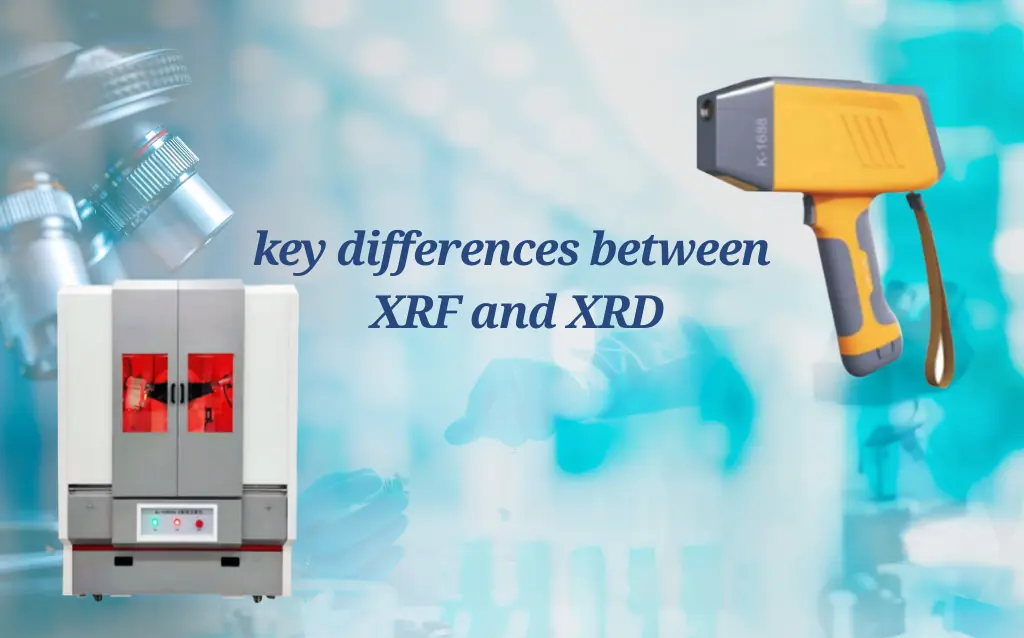
Discover the key differences between XRF and XRD techniques for material analysis. Learn when to use each method, their applications in science and industry, and how combining both can deliver complete insights into a sample’s composition and structure.
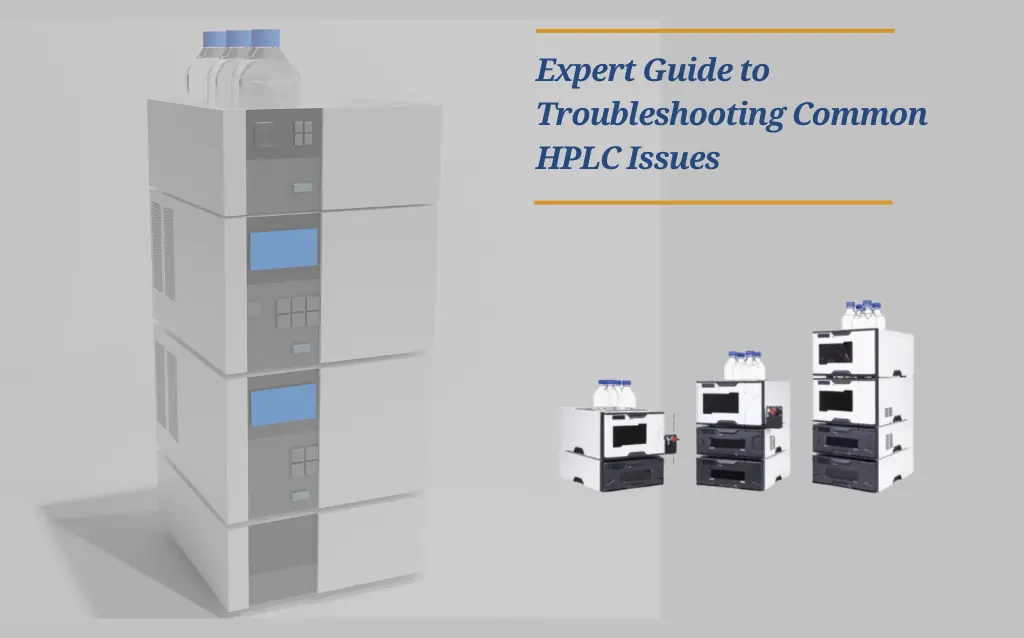
Discover expert tips to troubleshoot common HPLC problems and ensure reliable chromatographic results. Learn how to identify system pressure issues, peak shape problems, baseline noise, and more—plus practical solutions to keep your HPLC running smoothly and extend instrument life.
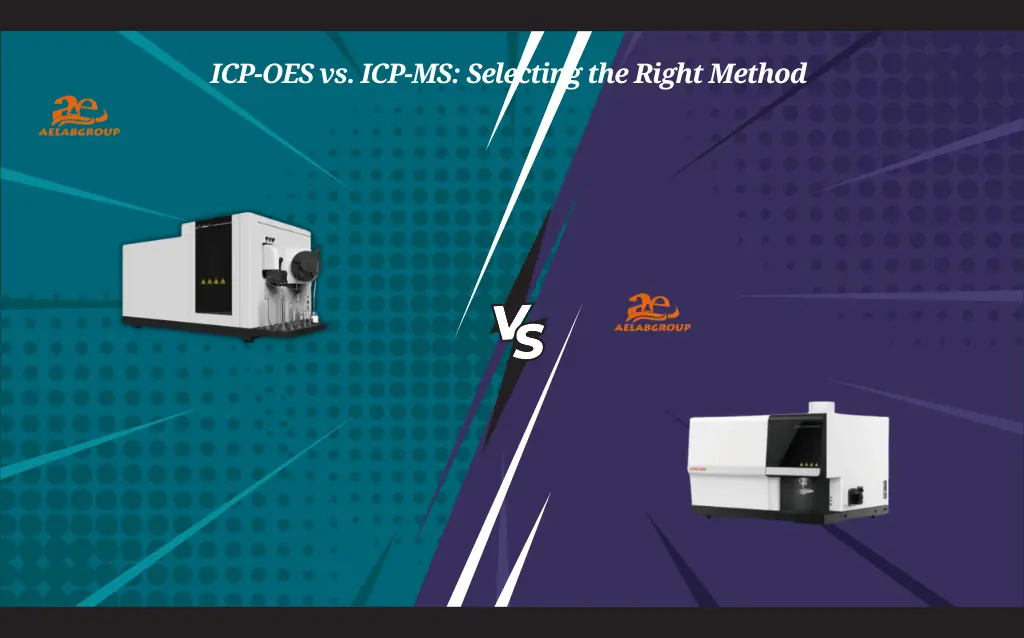
"Discover the key differences between ICP-OES and ICP-MS, two leading techniques in elemental analysis. Learn which method is best suited for your laboratory’s needs, whether it’s ultra-trace detection, isotopic analysis, or routine multi-element analysis. Choose the right technology to enhance accuracy, efficiency, and cost-effectiveness in your research."
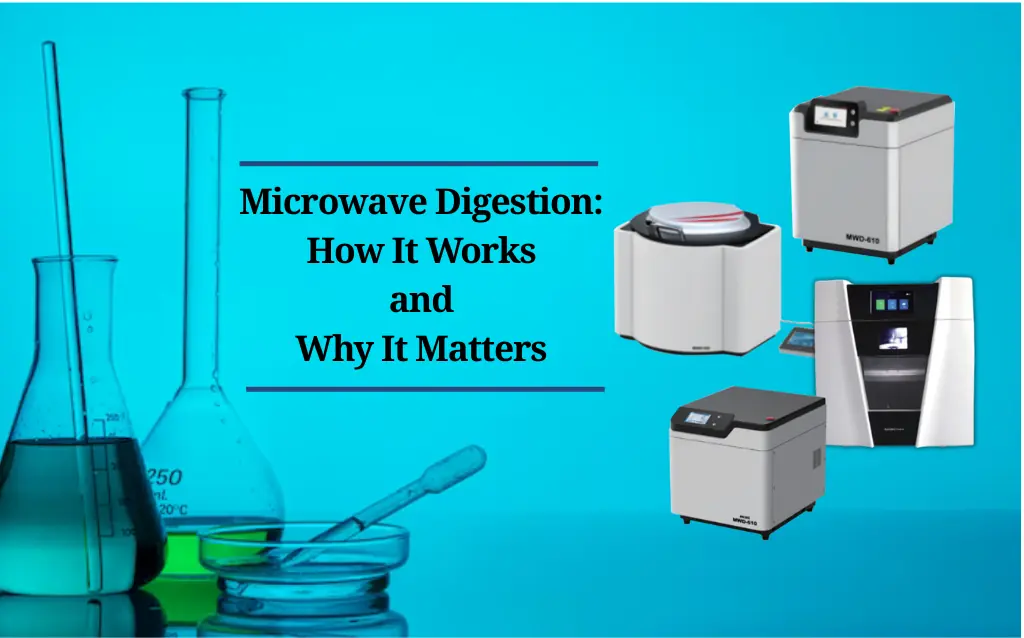
Microwave digestion is a modern sample preparation technique that uses high-pressure, closed-vessel heating to rapidly and safely break down complex materials for elemental analysis. This method enhances accuracy, reduces contamination, and significantly improves efficiency compared to traditional digestion approaches.
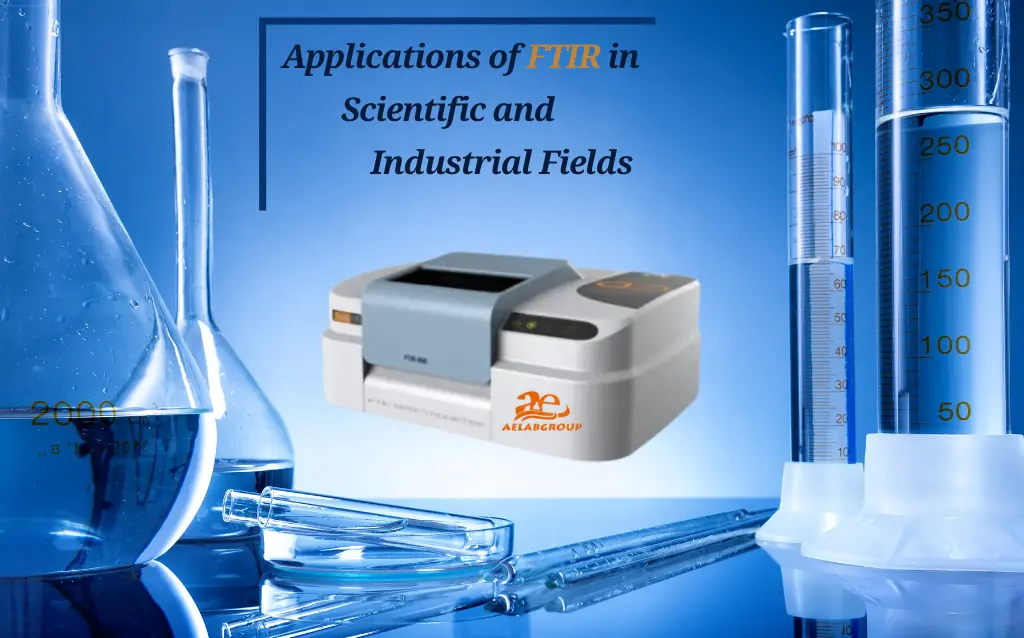
Fourier Transform Infrared Spectroscopy (FTIR) is a powerful analytical method used across science and industry to identify materials, monitor processes, and ensure product quality. With its speed, accuracy, and versatility, FTIR has become essential in fields ranging from pharmaceuticals and environmental monitoring to forensics and food safety.
This article provides a comprehensive comparison between spectrophotometers and fluorometers—two essential tools in analytical science. It outlines their working principles, key differences, advantages, and ideal applications to help researchers choose the right instrument for accurate and efficient sample analysis.