
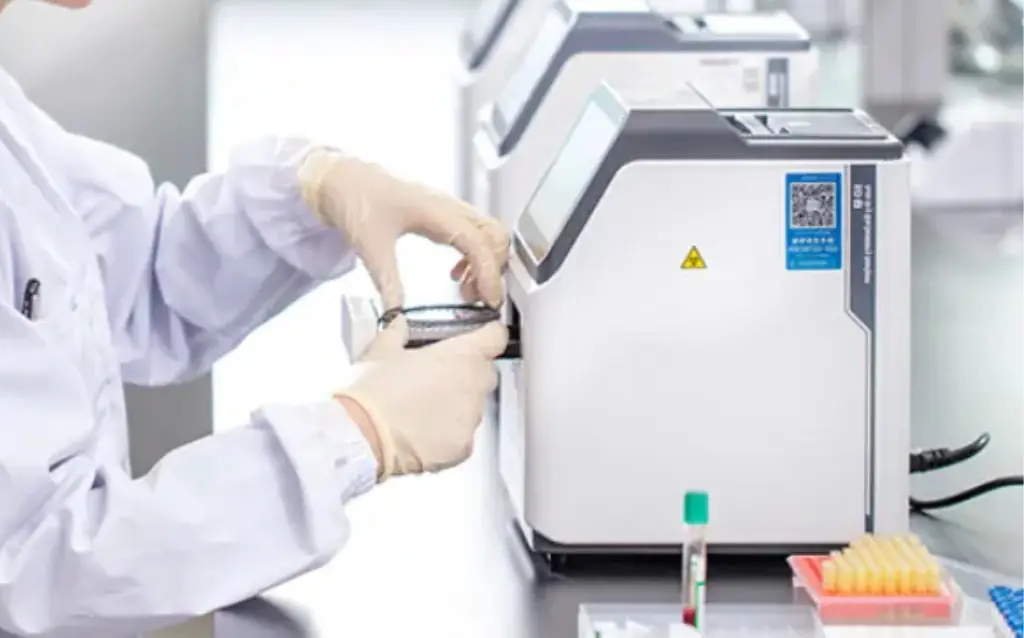

Effective calibration of biochemistry analyzers is essential for ensuring accurate, reliable, and consistent diagnostic results in clinical laboratories. This process corrects for instrument drift, reagent variability, and environmental influences—ultimately safeguarding patient safety and regulatory compliance.
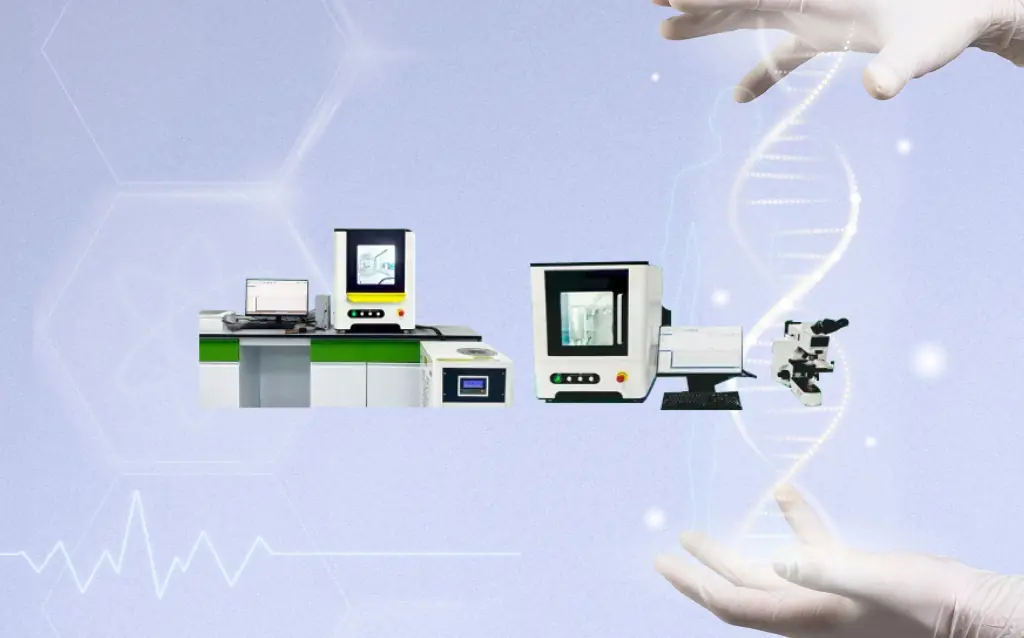
X-ray diffraction (XRD) is a powerful, non-destructive technique widely used to analyze the crystal structure of various nanomaterials. From nanoparticles and thin films to nanocomposites and quantum dots, XRD provides critical insights into phase composition, crystallinity, and structural properties essential for advanced material development.
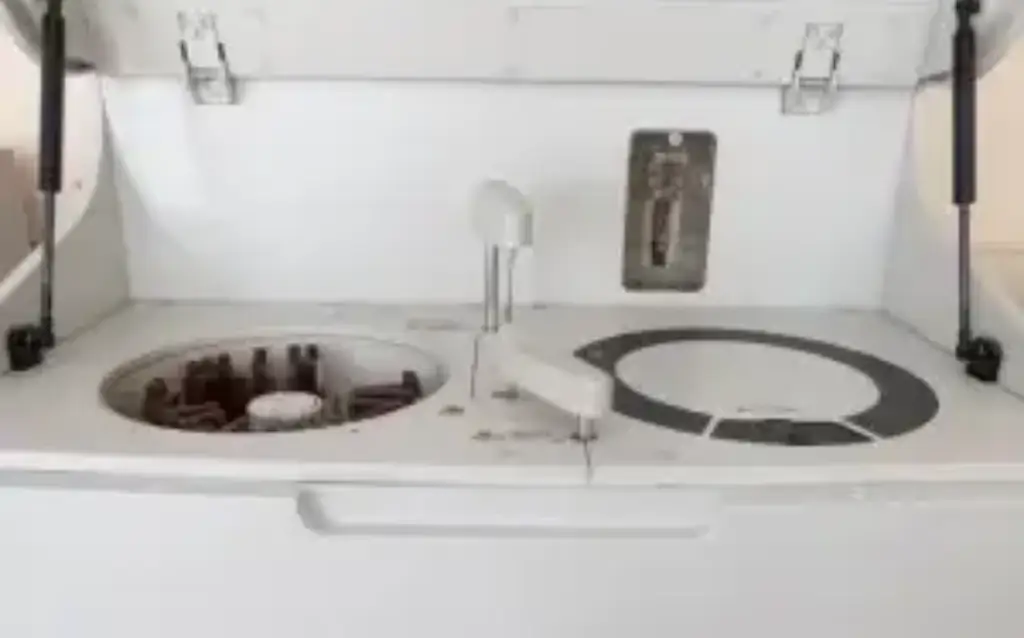
Semi-automatic biochemistry analyzers are laboratory devices designed for the quantitative analysis of biochemical substances in clinical samples. These analyzers combine automated and manual processes to offer high accuracy and speed. They can perform tests such as liver function, kidney function, lipid profiles, and glucose levels. Their compact and user-friendly design makes them ideal for small to medium-sized laboratories. These analyzers are valuable tools for fast and efficient diagnostics in clinical and research environments.
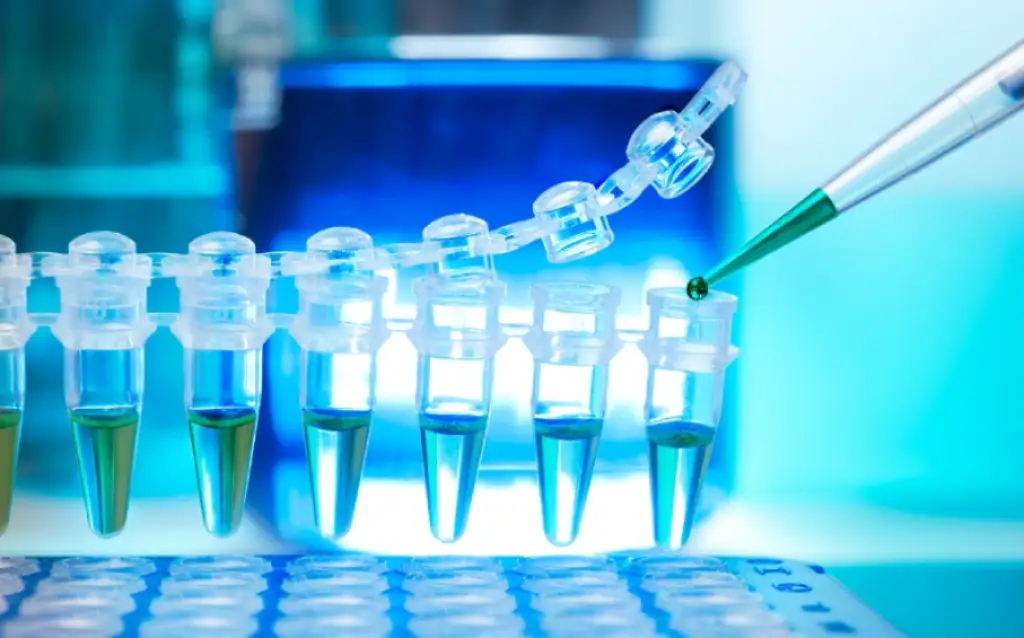
PCR is a vital technique for amplifying specific DNA sequences. It is widely used in disease diagnosis, genetic research, and personalized medicine. PCR enables rapid detection of infections like COVID-19 and helps analyze genetic disorders. Recent advancements in PCR have expanded its accuracy and applications.
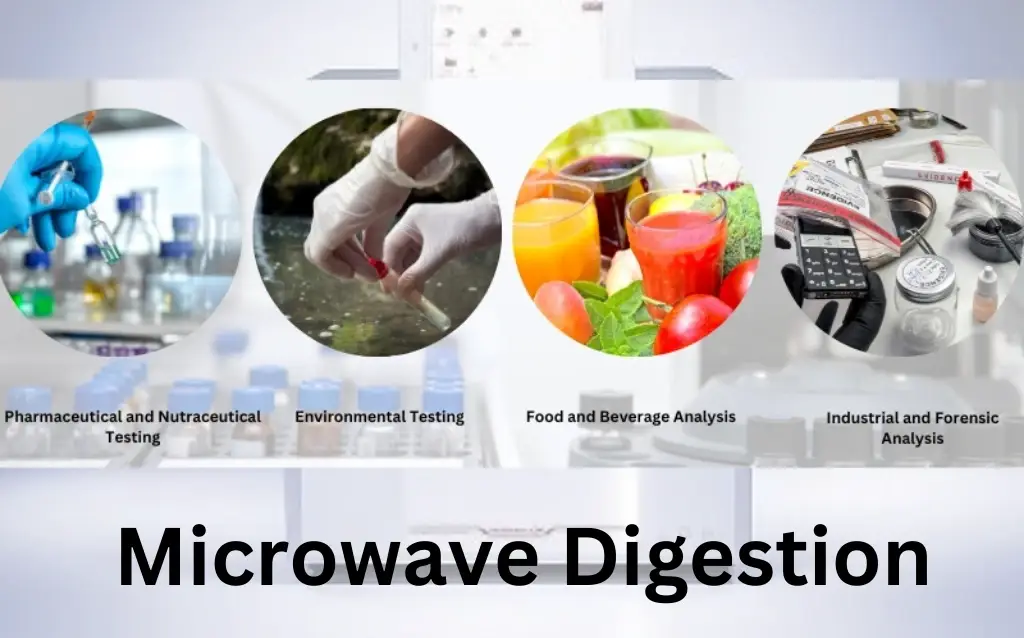
Microwave digestion systems are essential tools in modern analytical laboratories for efficient sample preparation. These systems utilize microwave energy to rapidly heat samples under high pressure and temperature, ensuring complete digestion of complex matrices. They offer precise control over temperature and pressure, enhancing the accuracy of elemental analysis. This method is widely used in environmental testing, pharmaceutical research, and industrial material analysis.
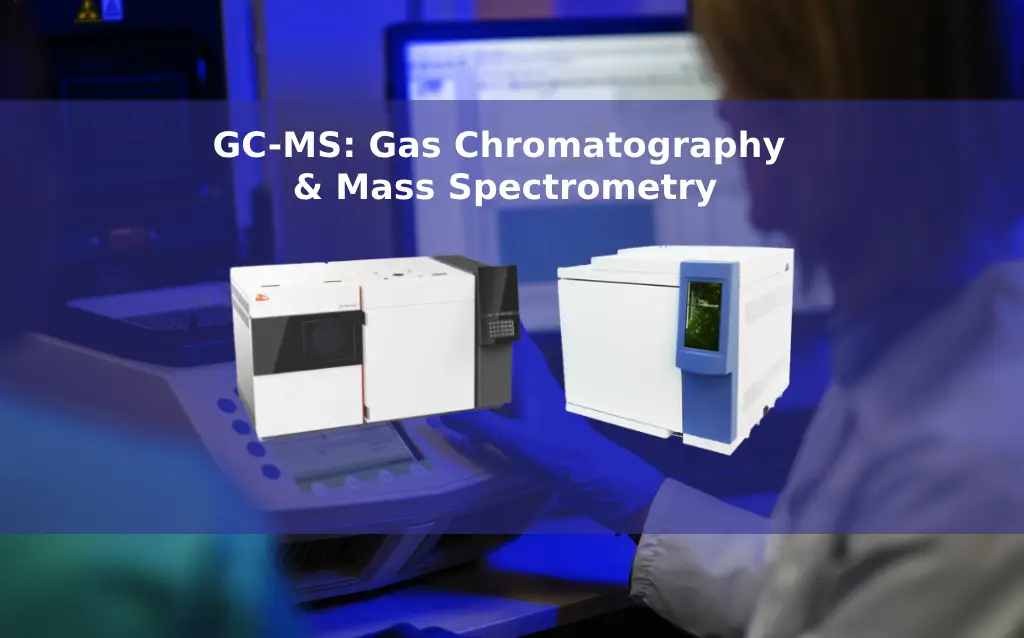
GC-MS (Gas Chromatography-Mass Spectrometry) combines gas chromatography and mass spectrometry to analyze complex chemical mixtures. It separates, identifies, and quantifies components with high precision. This technique is widely used in environmental testing, forensics, pharmaceuticals, and food safety to detect trace amounts of substances. GC-MS ensures accurate results and is essential for reliable chemical analysis.
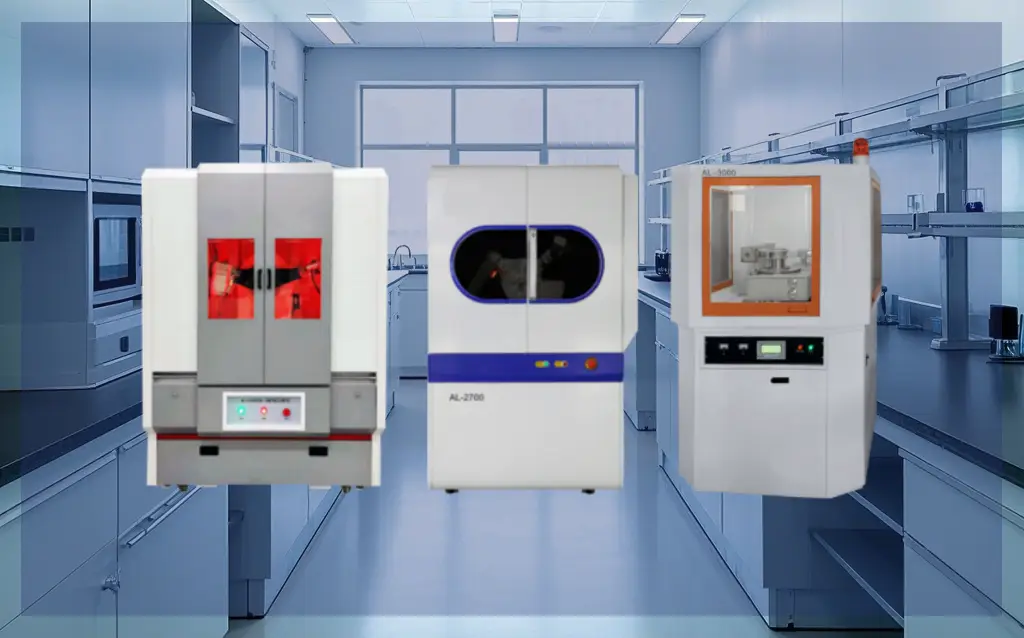
An X-Ray Diffractometer (XRD) is a vital tool for analyzing the crystal structure, phase composition, and residual stress of materials. By utilizing X-rays, it provides detailed insights into atomic structures through diffraction patterns. XRD is widely used across industries such as metallurgy, nanotechnology, pharmaceuticals, and geology, offering both non-destructive and fast analysis for materials, including powders, thin films, and bulk samples.
Gas chromatography (GC) is a powerful analytical technique used to separate, identify, and quantify compounds in a mixture based on their volatility. It finds applications in various fields, including environmental analysis, pharmaceuticals, and food safety, offering precise and efficient results. With advancements like GC-MS and specialized detectors, it continues to be a critical tool for both research and industrial quality control.
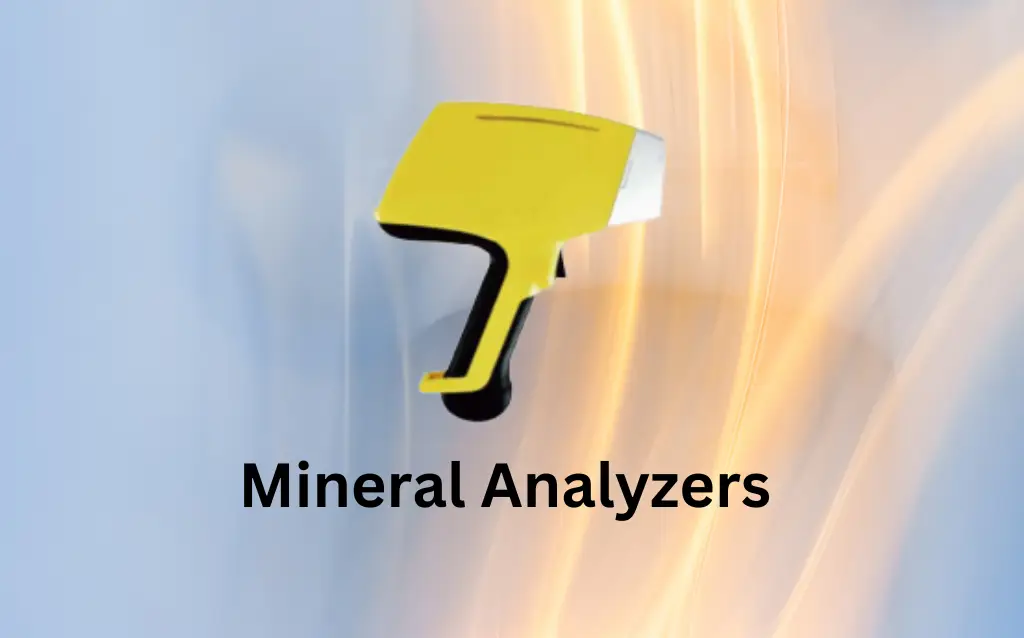
Mineral analyzers, such as Raman spectroscopy and XRF, have revolutionized exploration by providing rapid, accurate, and sustainable methods for analyzing minerals. These tools address traditional challenges by enhancing efficiency, reducing costs, and minimizing environmental impact. From ore grading to mapping mineralized zones, they are indispensable in modern exploration. Future advancements, including AI integration, promise even greater precision and automation in the field.
Learn how to select the best elemental analyzer based on key factors like sensitivity, accuracy, and sample type. Explore techniques such as ICP, AAS, and XRF to find the ideal fit for your analysis needs, ensuring reliable results and optimal performance.
Soxhlet extraction is a robust and reliable method for crude fat analysis in food, pharmaceutical, and environmental industries. Its continuous solvent recycling mechanism ensures precision, efficiency, and versatility across diverse sample types. With modern enhancements like automation, microwave, and ultrasound assistance, Soxhlet extraction remains indispensable for accurate and reproducible results in laboratory applications.
This article examines the challenges and solutions for analyzing high-salt matrices in ICP-MS. It addresses issues such as spectral interferences, matrix effects, and reduced sensitivity, while introducing methods like ion-exchange resins, dilution, and filtration to improve accuracy and recovery rates. Advanced techniques like ICP-OES and ICP-MS, combined with these approaches, enhance the analysis of complex samples. This article is valuable for laboratories and researchers in various scientific and industrial fields.