info@aelabgroup.com
QR Code 1
QR Code 2

Microbiology Laminar Flow Cabinets: Types & Functions

Microbiology Laminar Flow Cabinets play a critical role in maintaining sterile laboratory environments. This guide explains their types, airflow principles, clinical applications, and key selection factors to ensure contamination control, diagnostic accuracy, and safe laboratory workflows.

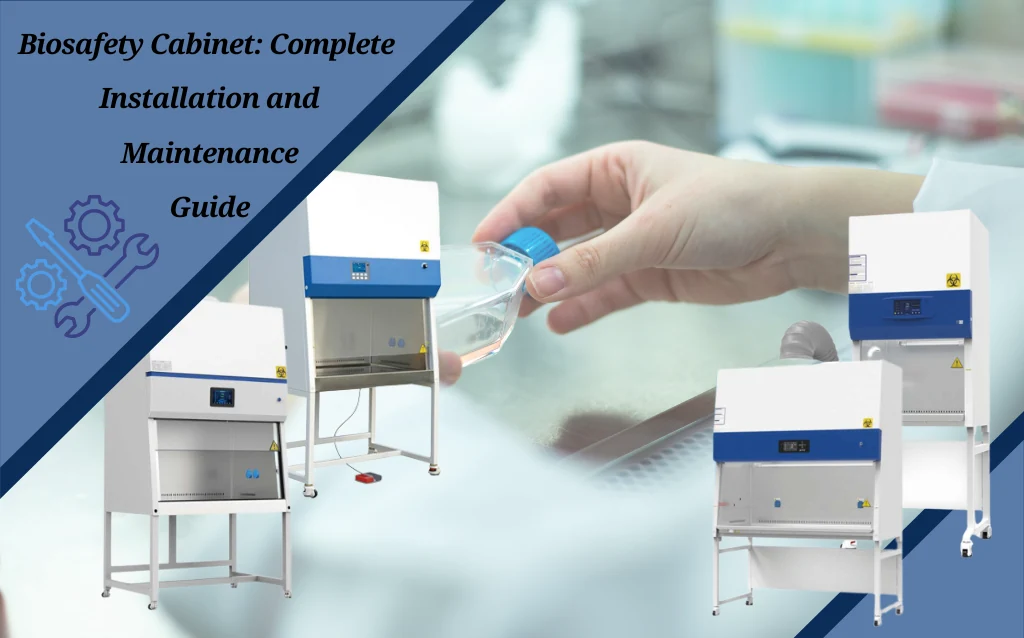
Biosafety Cabinet : Complete Installation and Maintenance Guide

Master the safe use of your Biosafety Cabinet with this expert guide. Learn proper installation, daily maintenance, and certification to keep your lab secure, efficient, and fully compliant.

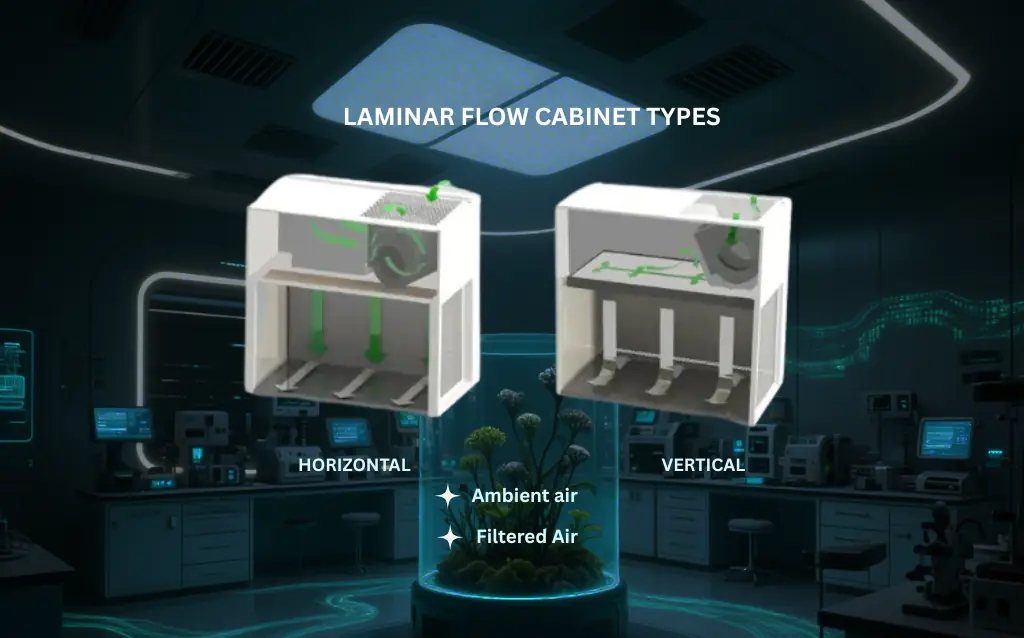
“Comparing Vertical and Horizontal Laminar Flow Cabinets for Laboratory Applications”

Discover the key differences between vertical and horizontal laminar flow cabinets to determine which best suits your laboratory's needs. This guide explores airflow mechanics, safety considerations, space requirements, and application-specific benefits—helping you make an informed decision for optimal contamination control and operational efficiency.

Biological Safety Cabinets: Types, Functions, and Key Considerations for Buyers

Biological Safety Cabinets (BSCs) are essential laboratory equipment designed to protect personnel, products, and the environment from hazardous biological agents. These devices use HEPA filters and laminar airflow to prevent contamination in the laboratory environment. Different types of BSCs, including Class I (personnel and environmental protection) and Class II A2 (personnel, product, and environmental protection), serve various biosafety needs. Choosing the right model depends on the specific biosafety requirements, features, and the laboratory's budget.

Chemical vs. Ducted vs. Walk-in Fume Hoods: Which Lab Hood is Right for You?

Laboratory fume hoods are crucial for maintaining safety by managing hazardous fumes and airborne contaminants. This article provides a comparison of chemical, ducted, and walk-in fume hoods, focusing on their airflow control, safety features, space requirements, and maintenance costs. Chemical fume hoods are designed for localized containment, while ducted fume hoods deliver enhanced ventilation for handling high-risk chemicals. On the other hand, walk-in fume hoods are suitable for large-scale experiments. The choice of fume hood depends on factors such as lab size, specific chemical handling needs, and energy efficiency, ensuring adherence to safety regulations and operational effectiveness.