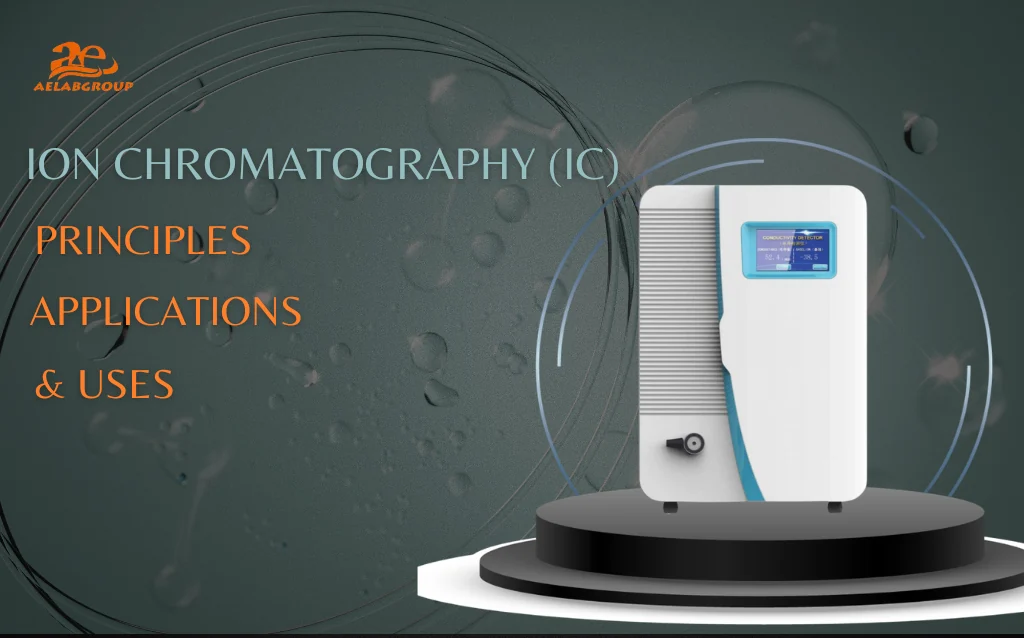
Ion Chromatography (IC) is a powerful analytical technique used to separate and quantify anions and cations with high precision. This guide explains the principles, working process, types, and key applications of ion chromatography in water analysis, pharmaceuticals, food safety, and industrial testing. Learn how IC ensures accurate, reliable, and regulatory-compliant ion analysis across modern laboratories.
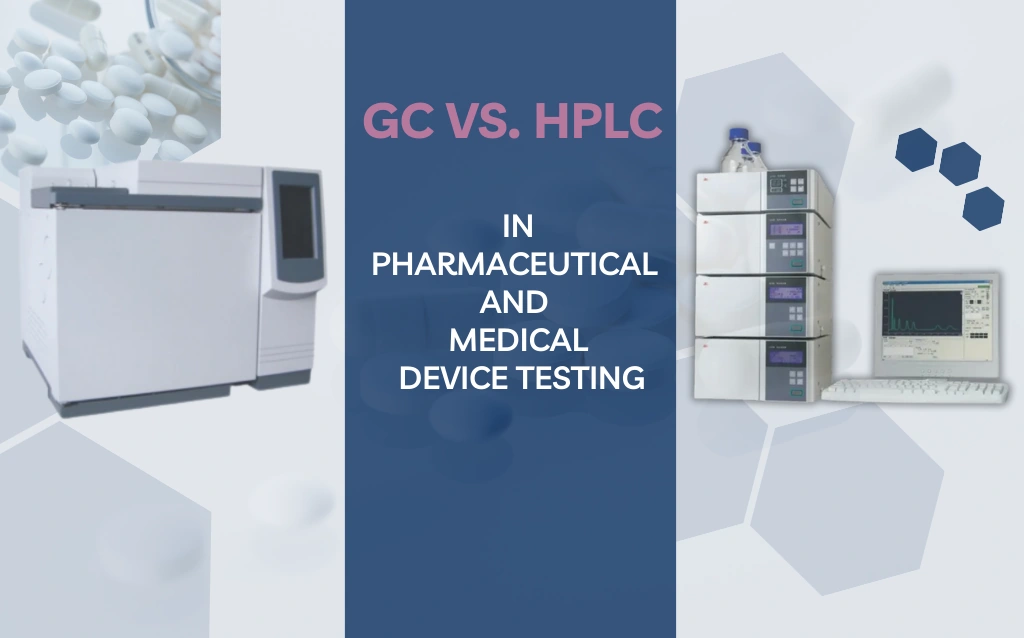
Explore the key differences between Gas Chromatography (GC) and High-Performance Liquid Chromatography (HPLC) in pharmaceutical and medical device testing. This comprehensive comparison highlights their applications, advantages, and when to choose each technique to ensure the highest standards of product quality and regulatory compliance.
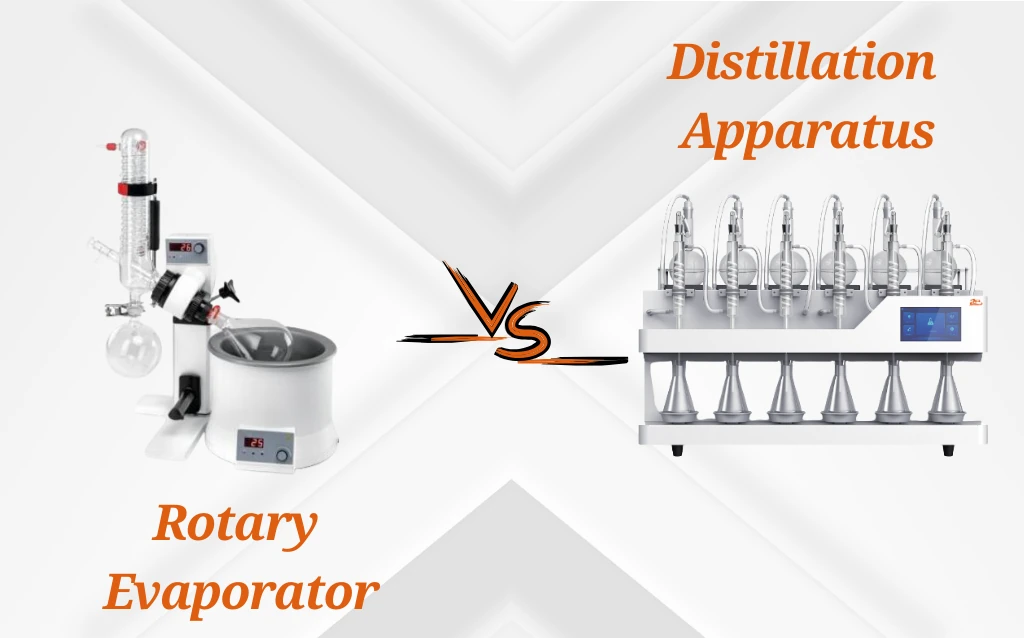
"Discover the key differences between Rotovap or Distillation Apparatus in this comprehensive guide. Learn which equipment is best suited for your laboratory's solvent removal, separation, and purification needs based on efficiency, speed, and application versatility."
Fraction collectors are essential tools in chromatography, automating the collection of sample fractions. They can collect fractions based on time, volume, or peak detection, offering precision and efficiency. These devices are used in various fields, including biochemistry, environmental analysis, and pharmaceuticals, to purify compounds and analyze complex mixtures. Their automation improves throughput while minimizing manual intervention.
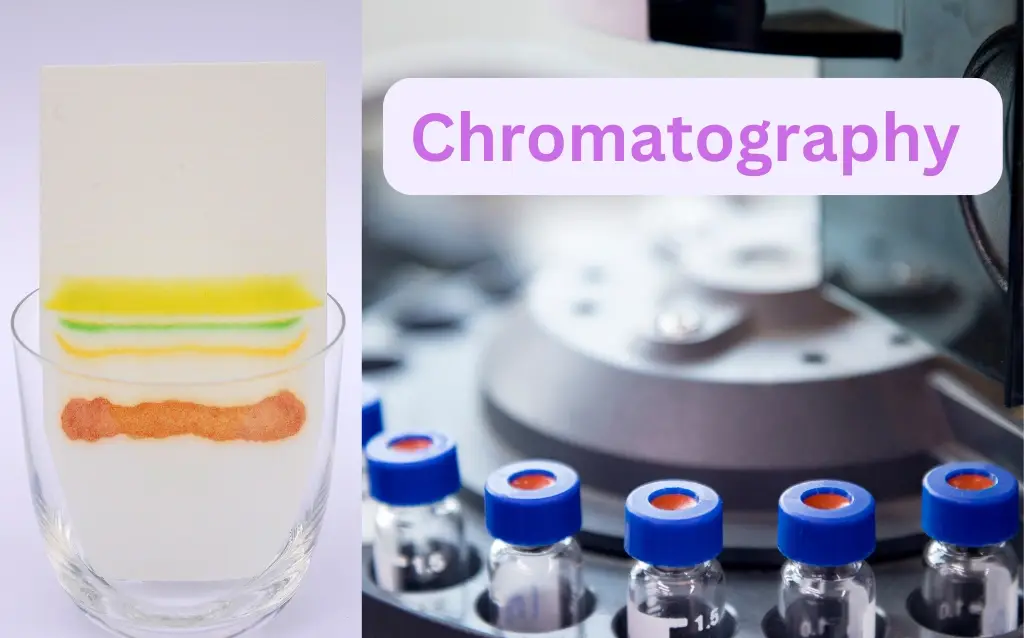
Chromatography is a powerful separation technique used to analyze mixtures based on their interactions with stationary and mobile phases. Different methods, like paper, thin-layer, and liquid chromatography, separate compounds based on properties like polarity, size, or charge. These techniques are widely used in chemical analysis, environmental testing, and pharmaceutical research.