info@aelabgroup.com
QR Code 1
QR Code 2
How Does HPLC Work? AELAB

How Does HPLC Work?

High-Performance Liquid Chromatography (HPLC) is a powerful analytical technique used to separate, identify, and quantify

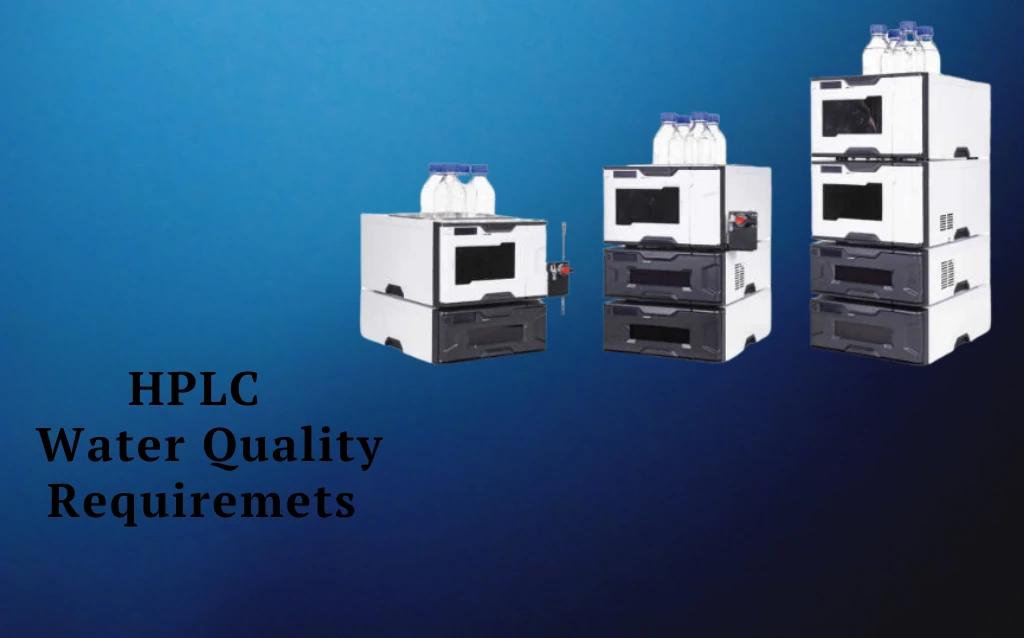
HPLC Water Quality Requirements

HPLC Water Quality is a critical factor in chromatographic accuracy and reproducibility. This article explains water quality requirements for HPLC, focusing on ultrapure Type I water, TOC limits, and best practices for stable, reliable results.

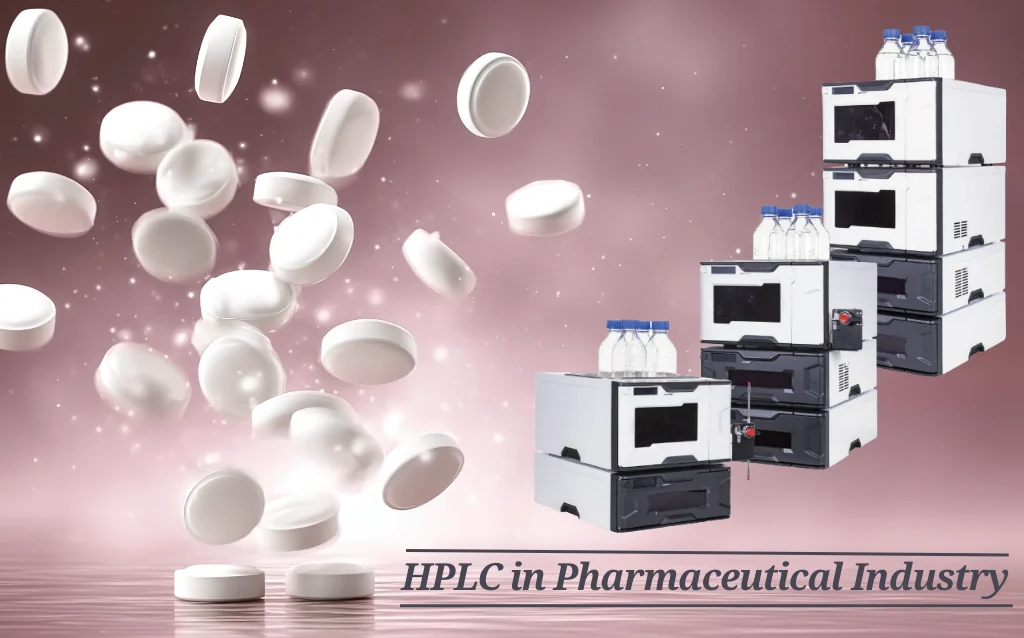
HPLC in Pharmaceutical Industry: Key Applications and Benefits

High-Performance Liquid Chromatography (HPLC in Pharmaceutical Industry) is a vital analytical tool ensuring the safety, efficacy, and quality of pharmaceutical products. From drug discovery to production, HPLC in Pharmaceutical Industry plays a key role in maintaining stringent regulatory standards, driving innovation, and ensuring consistency across the entire drug lifecycle. Discover how HPLC enhances pharmaceutical processes and quality control.

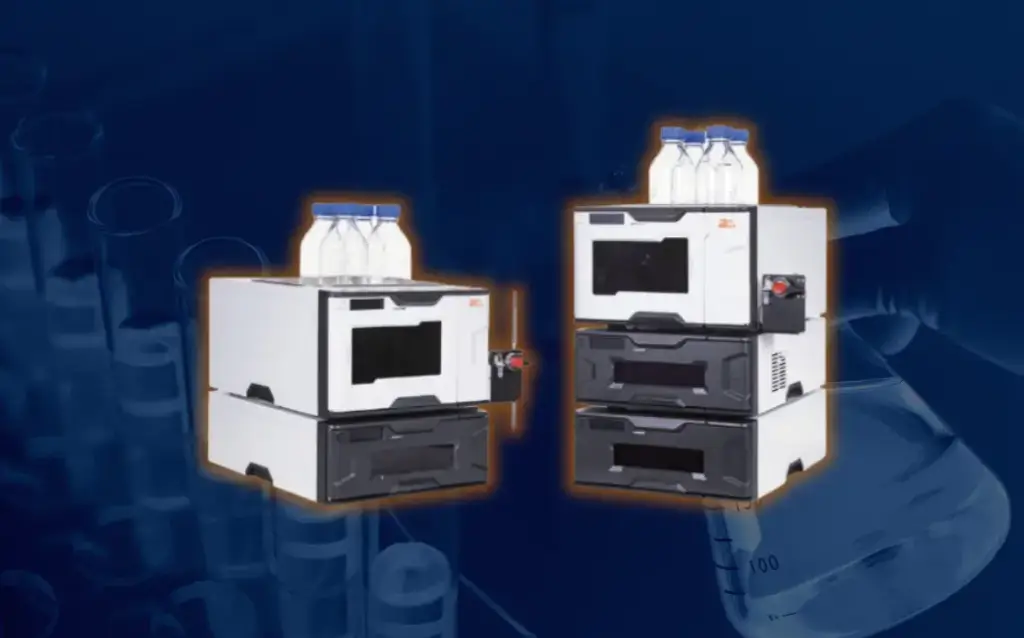
How Does HPLC Work?

High-Performance Liquid Chromatography (HPLC) is a powerful analytical technique used to separate, identify, and quantify components in a mixture. It involves passing a liquid sample through a high-pressure column filled with solid adsorbent material. Different interactions between the sample components and the adsorbent cause the components to separate as they move through the column. The separated components are then detected and quantified. HPLC is essential in pharmaceuticals, environmental science, and food safety due to its precision and versatility.