

info@aelabgroup.com
QR Code 1
QR Code 2

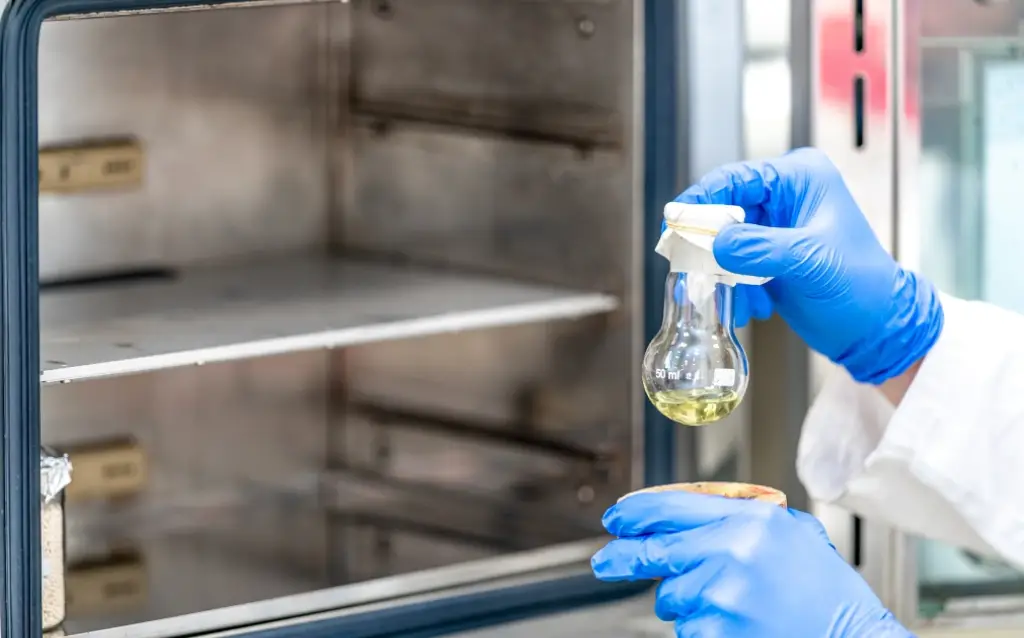
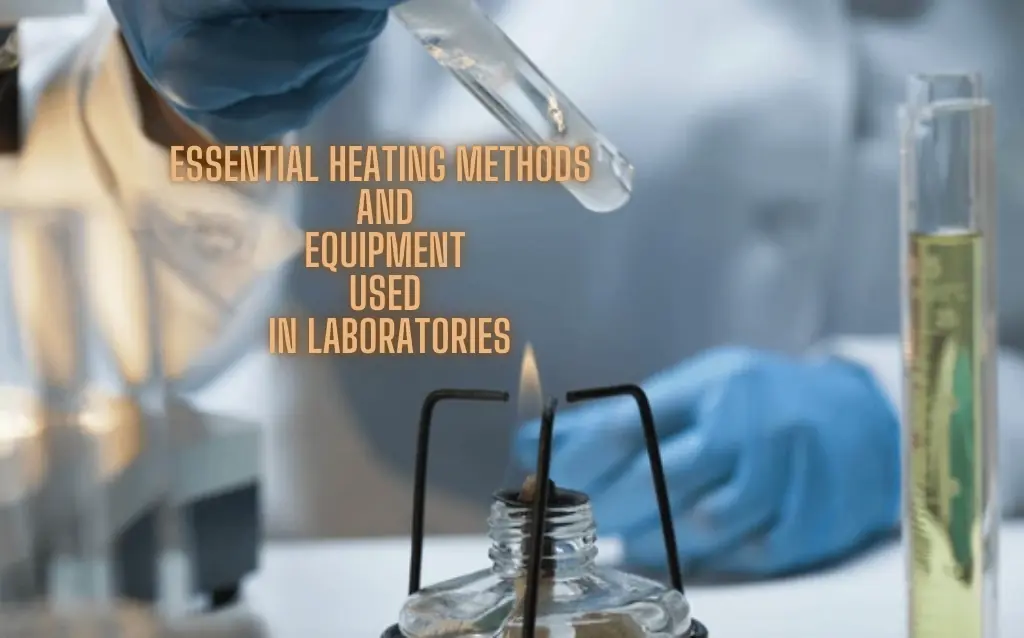
Essential Heating Methods and Equipment Used in Laboratories

This comprehensive guide explores essential laboratory heating methods, from direct flame to advanced technologies like microwave and infrared systems. It outlines equipment types, key applications, and critical safety practices. Ideal for researchers seeking reliable, efficient, and safe heating solutions.

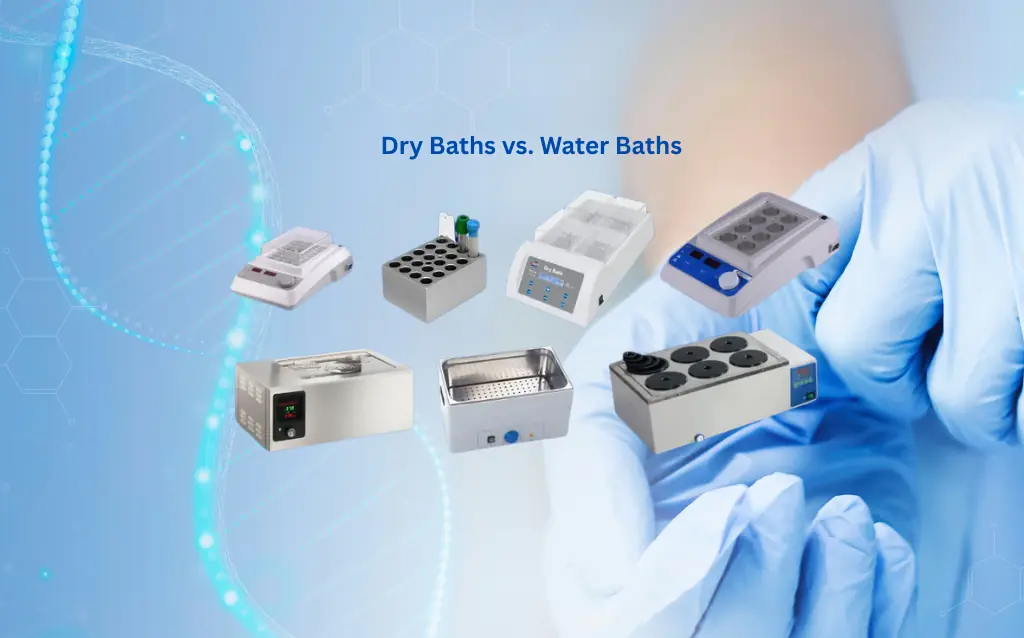
Comparing Dry Baths and Water Baths in the Lab

"Dry baths and water baths are essential tools in modern laboratories, each offering unique advantages for specific applications. This comprehensive guide compares their functions, benefits, and ideal use cases to help you choose the right solution for your lab's temperature control needs."

Essential Guide to Paraffin Dispensers in Histology

Paraffin dispensers are essential in histology and pathology labs for embedding tissue samples in paraffin. They provide precise temperature control and efficient wax melting, ensuring consistent flow and minimal waste. These devices enhance workflow by reducing embedding time and improving sample preservation. Their ergonomic design and safety features make them reliable tools in high-volume laboratories.

Tissue Processor in Histology: Automatic & Manual Processing Steps Explained

A tissue processor automates the preparation of histological samples for microscopic analysis. It ensures consistent fixation, dehydration, clearing, infiltration, embedding, and sectioning. Automated models improve workflow efficiency, reduce human error, and enhance tissue quality. Manual processors require operator control but remain useful for small labs. New trends include xylene-free processing, microwave-assisted techniques, and AI-powered automation. Proper tissue processing ensures precise diagnosis in histopathology. Choosing the right model depends on lab needs, processing capacity, and technology.

Microtome Analysis: Applications, Techniques, and Types of Microtomes in Biological Research

Microtome analysis is crucial in biological research for precise tissue sectioning. It enables detailed examination of cells and tissues under microscopes. This technique is widely used in histology, pathology, forensic science, and neuroscience. Different types of microtomes, like rotary and cryostat, offer various applications, ensuring accurate results in tissue analysis.

Tablet Hardness Testing: Best Methods, Key Factors, and Quality Control Guide

Tablet hardness is a key factor in pharmaceutical manufacturing. It affects drug dissolution, packaging durability, and patient experience. Various methods, including compression and tensile strength testing, measure hardness. Factors like formulation, compression force, and storage conditions impact hardness. Advances in automated testing and AI integration improve quality control and consistency.

Medical-Grade Refrigerators: How to Store and Transport Medications Safely

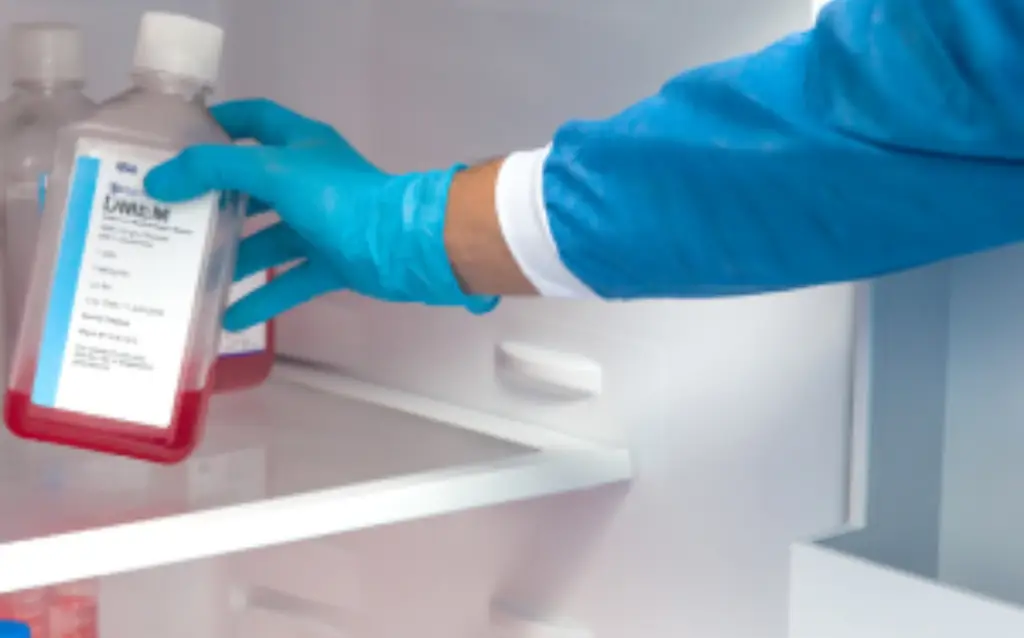
Medical refrigerators maintain a consistent and appropriate temperature, preventing degradation and chemical changes in medications and vaccines. They protect the efficacy of temperature-sensitive substances through precise temperature control. Utilizing standard medical-grade refrigerators is essential for ensuring the safe and effective storage of pharmaceuticals.

Heating Blocks: A Comprehensive Overview

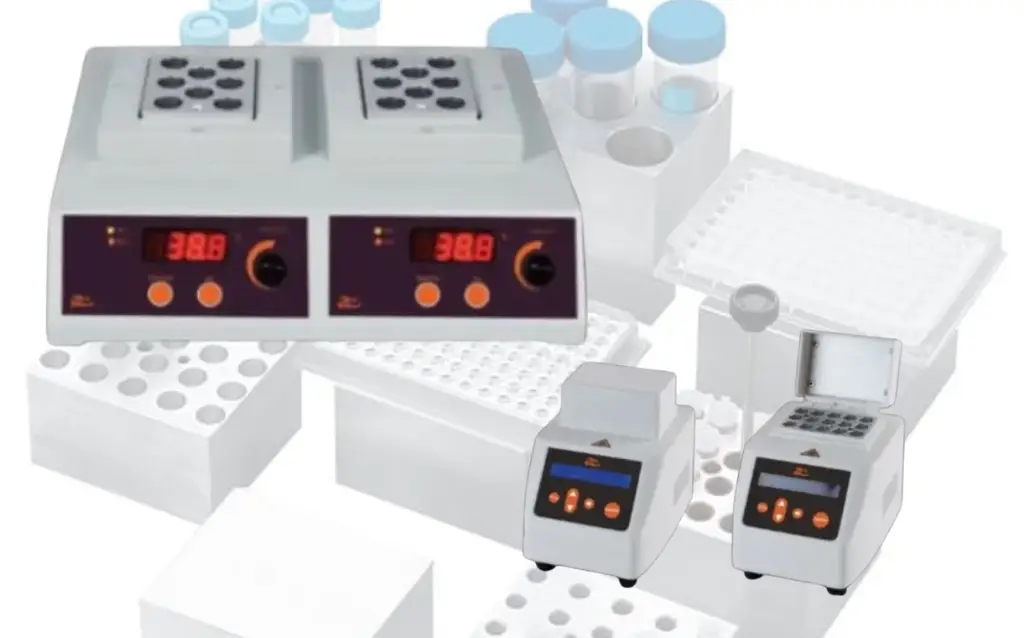
Heating blocks, also known as dry block heaters, provide precise and uniform heating for laboratory samples. These devices are essential in applications like DNA amplification, enzyme reactions, and sample preparation. They offer energy efficiency, fast heating, and easy maintenance. Digital models ensure accurate temperature control, making them ideal for sensitive scientific experiments.

Recirculating Chillers: How They Work, Applications, and Key Considerations

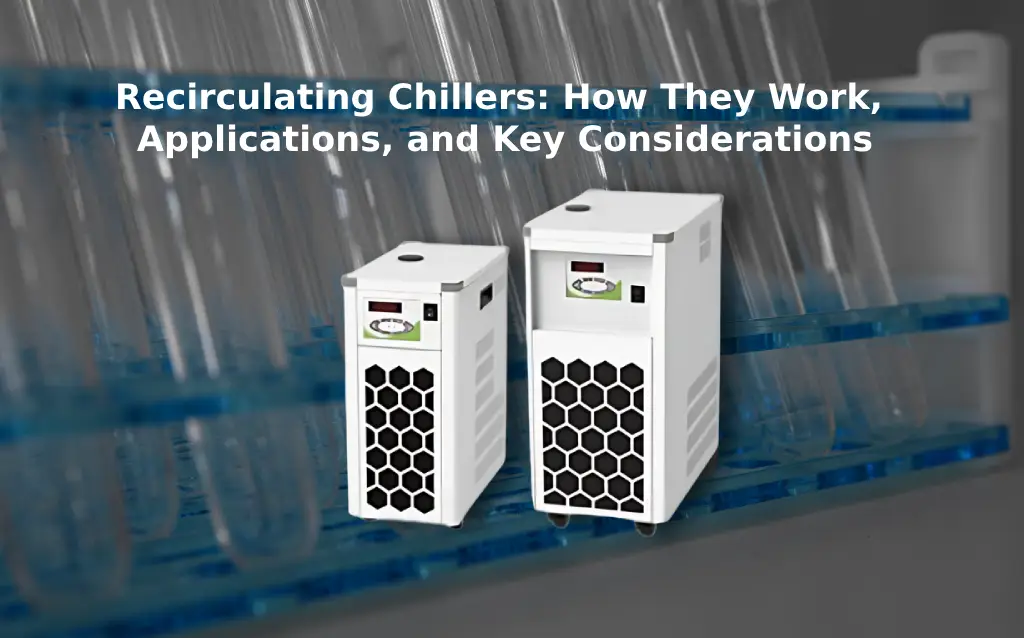
Recirculating chillers provide precise temperature control for laboratories, HPLC, analytical instruments, and industrial processes. They use a closed-loop system to efficiently remove heat, reduce energy consumption, and prevent equipment overheating. With applications in spectrophotometry, chromatography, and semiconductor cooling, they ensure optimal performance, cost efficiency, and reliability.

Muffle Furnace: Applications, Features, Benefits, and How to Choose the Right One for Laboratory and Industrial Use

A muffle furnace is a high-temperature heating device used to heat materials in laboratories and industries. It isolates the material from combustion gases and fuel, providing a clean and controlled heating environment. Muffle furnaces are used in processes like ashing, heat treatment, calcination, and sintering. Choosing the right furnace depends on factors such as the desired temperature, chamber size, and type of heating elements.

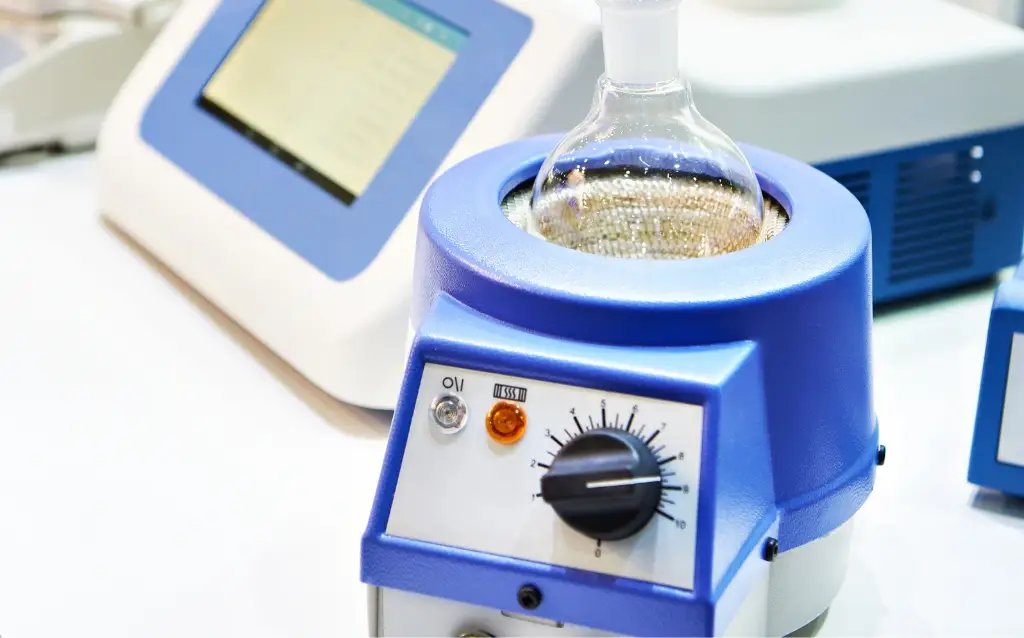
Magnetic Stirring Heating Mantles: Ultimate Guide for Choosing the Best Stirrer and Heater for Your Lab

Magnetic Stirring Heating Mantles combine precise heating and stirring functions, making them essential in laboratories for applications such as chemical reactions, biochemical studies, and pharmaceutical research. These devices use high-temperature-resistant fiberglass and nickel-chrome resistance wire to provide safe and uniform heating. With stepless speed control, they offer accurate stirring, making them ideal for small-volume and sensitive experiments. Magnetic Stirring Heating Mantles ensure reliable results in both industrial and scientific research labs.

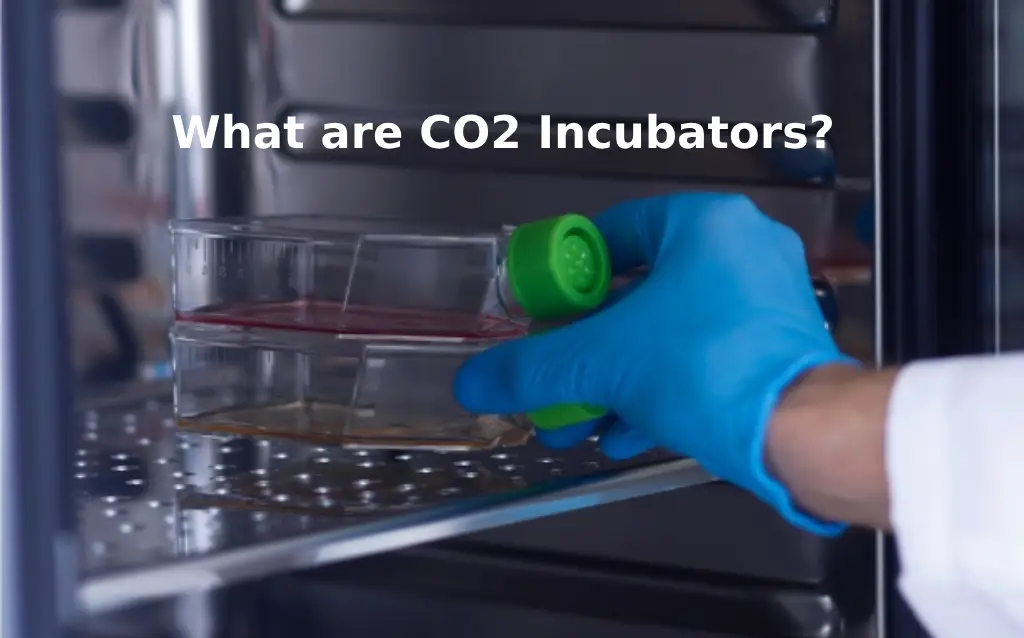
What are CO2 Incubators?

"CO2 incubators provide controlled environments for cell culture, tissue engineering, diagnostics, and biosensor development. Essential for research in pharmaceuticals, cancer studies, and microbiology, these incubators regulate key factors like temperature, CO2, and humidity to ensure optimal growth conditions."