info@aelabgroup.com
QR Code 1
QR Code 2

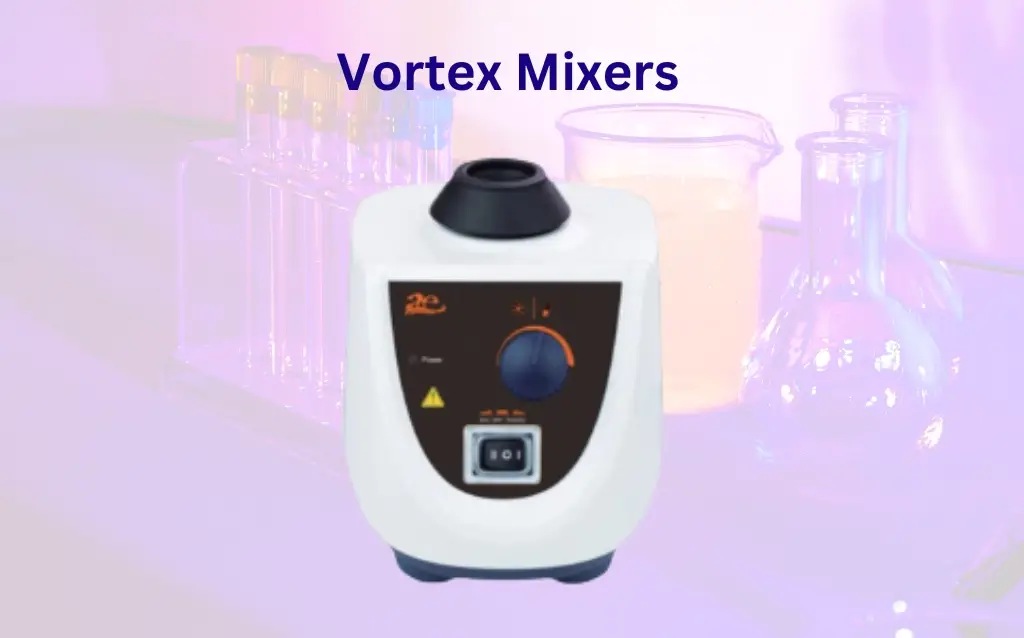
Using Vortex Mixers for Sensitive Sample Handling in Biochemistry and Molecular Biology

Vortex mixers are crucial laboratory tools for efficiently blending small liquid volumes in biochemistry and molecular biology. They ensure uniform mixing of samples, reagents, and biomolecules, optimizing experimental outcomes. With adjustable speeds and reliable performance, vortex mixers are key to achieving reproducible and precise results in sensitive scientific research.

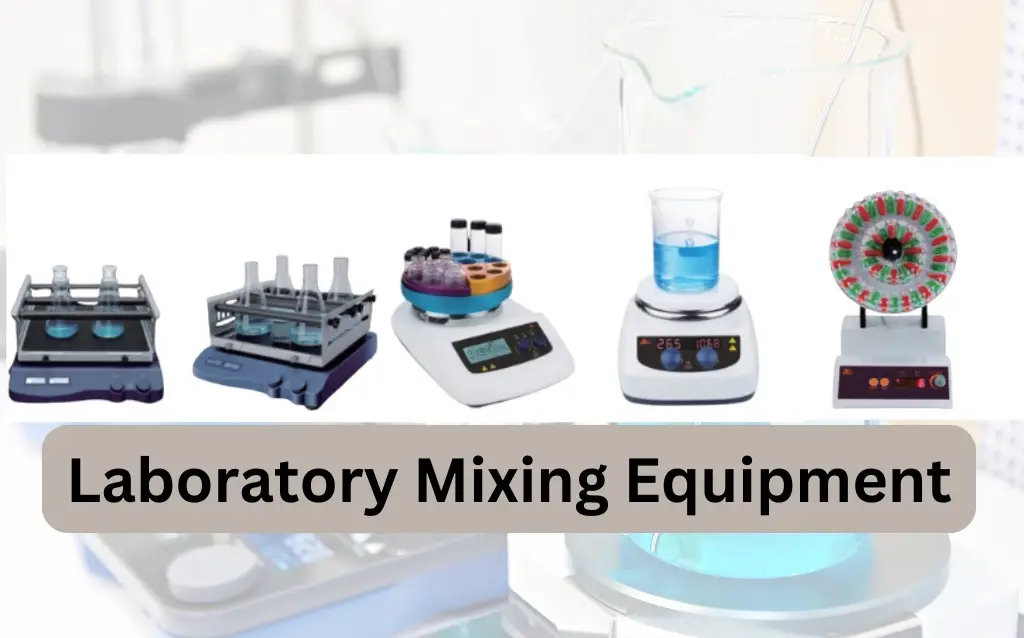
Laboratory Mixing Equipment: Types, Applications, and Selection Guide

Laboratory mixing equipment plays a critical role in research and industrial processes, ensuring precise mixing of liquids, powders, and high-viscosity materials. This article explores key types such as magnetic stirrers, ultrasonic mixers, and homogenizers, along with their applications in pharmaceuticals, biotechnology, and environmental testing. Learn essential tips for selecting the right mixer to enhance efficiency and accuracy

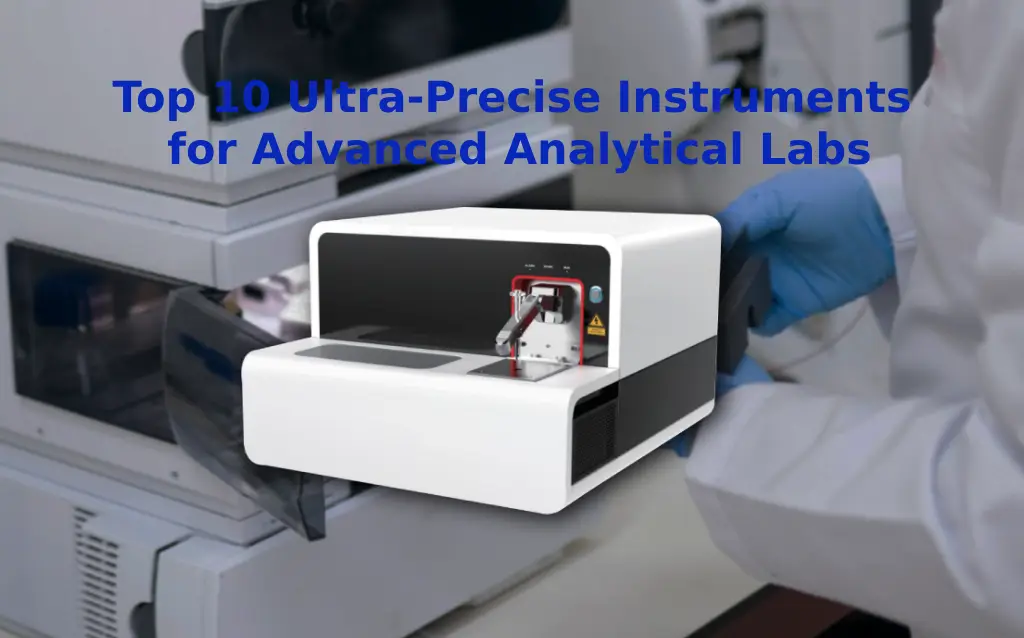
Top 10 Ultra-Precise Instruments for Advanced Analytical Labs

This article introduces the top 10 ultra-precise instruments for advanced analytical labs. It highlights tools for accurate chemical and physical analysis. These instruments ensure reliable and reproducible results in research and industry.

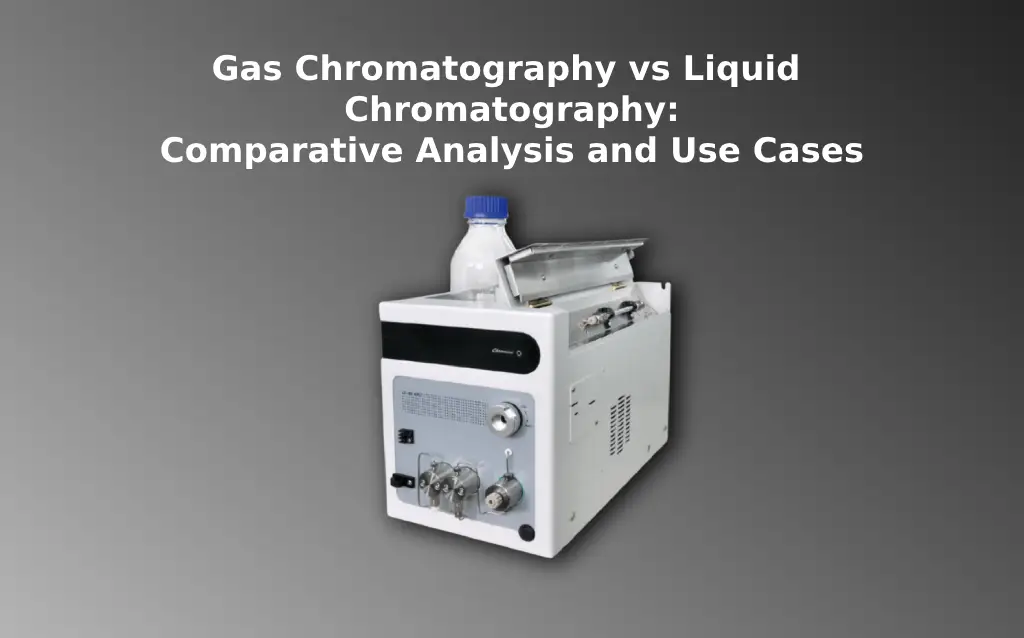
Gas Chromatography vs Liquid Chromatography: Comparative Analysis and Use Cases

This paper compares Gas Chromatography (GC) and High-Performance Liquid Chromatography (HPLC), highlighting their key differences, advantages, and limitations. GC uses gas as the mobile phase, suitable for volatile and thermally stable compounds, while HPLC employs liquid phases, ideal for non-volatile, polar, and large biomolecules. The paper also discusses detection principles, operational costs, and sample requirements. It provides insights into their industrial applications, emphasizing the selection criteria based on sample properties and analysis goals.


Viscometer: Principles and Applications in Laboratories

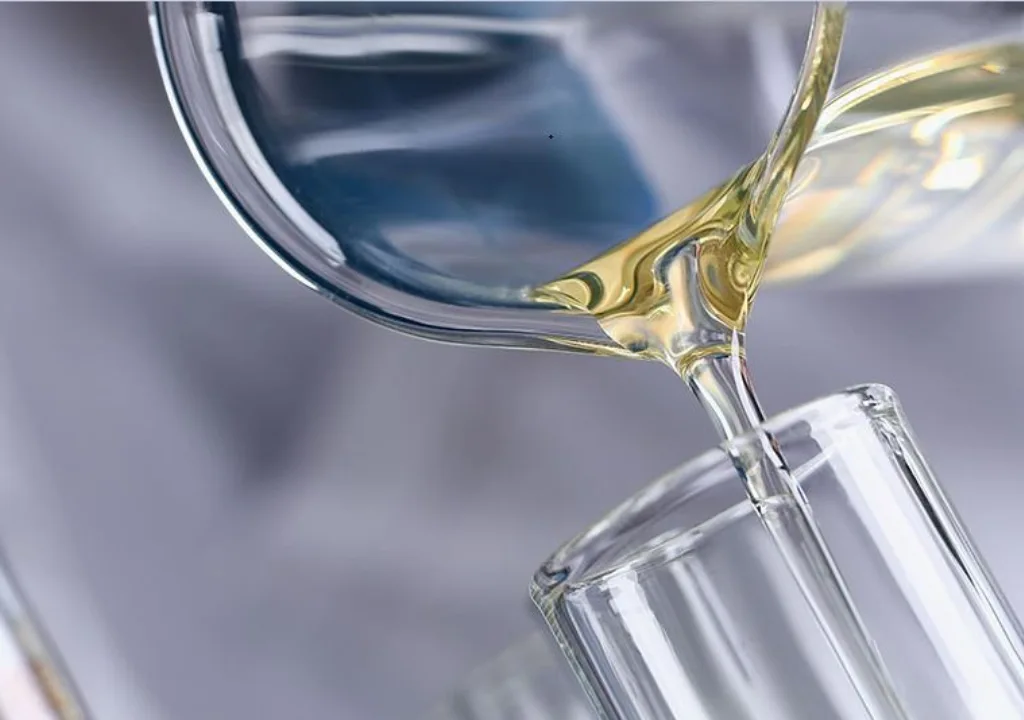
A viscometer is an essential tool for measuring the viscosity of fluids, a critical parameter in industries like pharmaceuticals, food, cosmetics, and petroleum. Understanding viscosity ensures product quality, consistency, and process efficiency. This article explores viscometer types, key applications, and practical guidance for selecting the right device to achieve accurate and reliable results in laboratory and industrial settings.

Distillation Apparatus: Performance and Applications

Distillation apparatus are essential tools in laboratory environments for purifying and separating liquid mixtures based on differences in boiling points. Common types include simple, fractional, vacuum, and short path distillation systems, each suited for specific applications. These apparatuses play a crucial role in chemical purification, water distillation, and the pharmaceutical industry. Advancements in distillation technology ensure more precise control over temperature and pressure, improving the accuracy and reliability of laboratory processes.

Freeze Drying(lyophilization): A Scientific Overview and Practical Insights

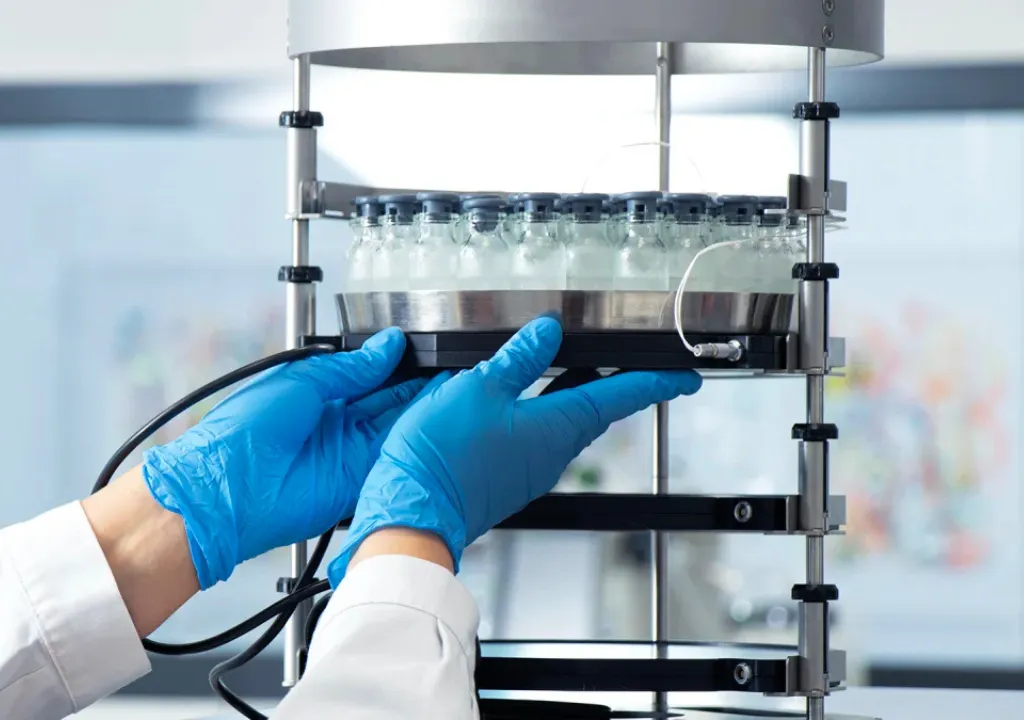
Freeze drying (lyophilization) is a method used to preserve materials by removing moisture under vacuum. It retains the structure, nutrients, and potency of sensitive substances, making it ideal for food, pharmaceuticals, and biotechnology. This article covers the process, challenges, and best equipment for effective freeze drying.

Spectrophotometers vs. Fluorometers: Key Differences & Applications

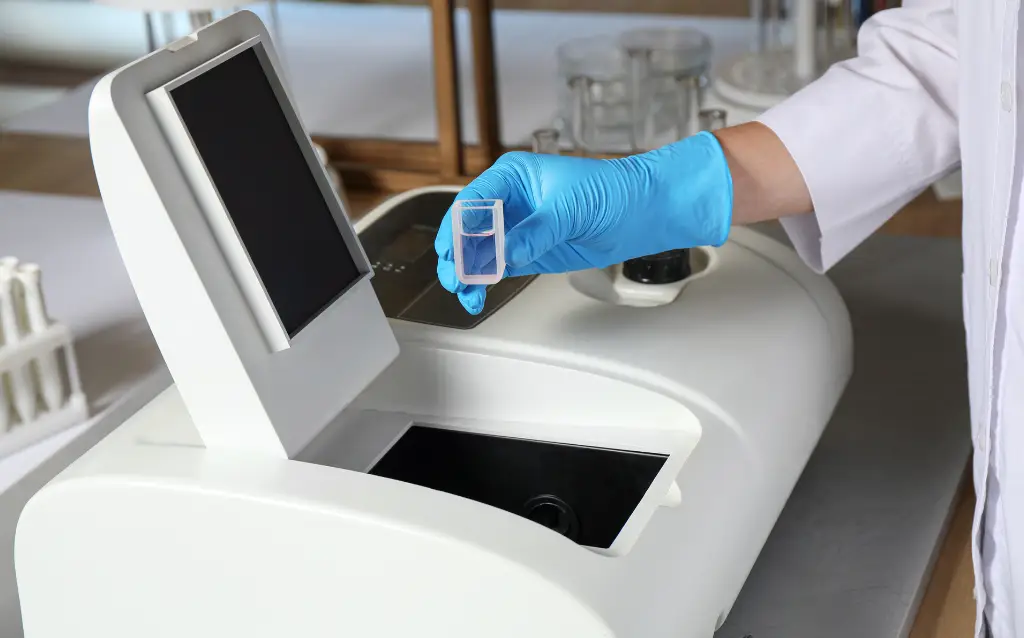
Spectrophotometers and fluorometers are vital tools in analytical science, each with distinct functions. Spectrophotometers measure light absorption, making them ideal for general sample analysis, while fluorometers detect emitted fluorescence, offering high sensitivity for detecting trace compounds. Understanding their differences enables researchers to select the right instrument for accurate and efficient data collection in scientific and environmental applications.