

info@aelabgroup.com
QR Code 1
QR Code 2

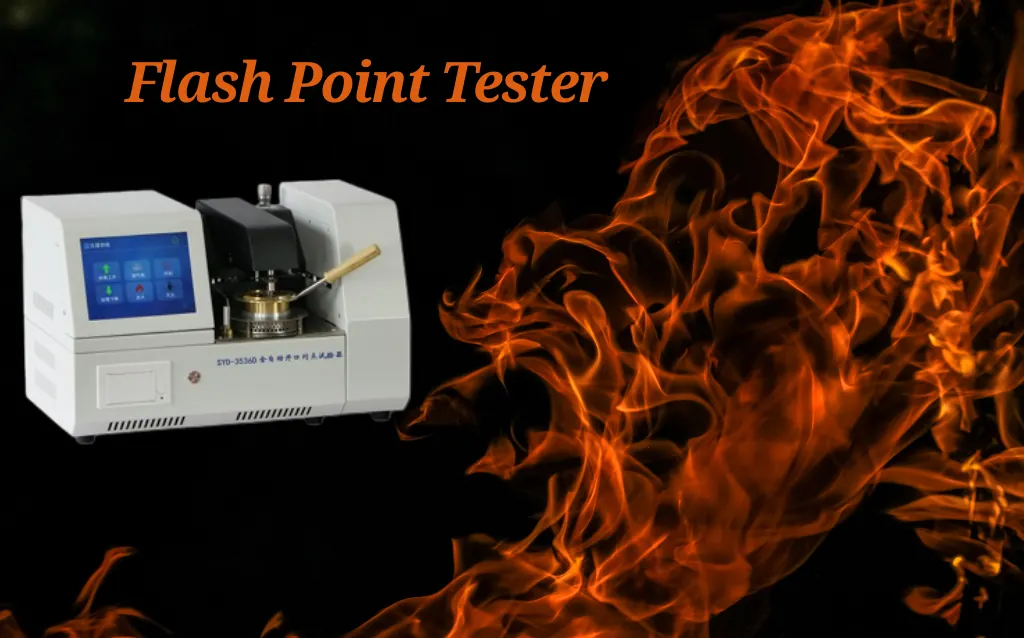
Flash Point Tester: Definition, Types, and Key Features

Discover how the AELAB Flash Point Tester ensures accurate, safe, and compliant measurement of flammable liquids across industries. Learn about its types, working principles, and key advantages that make AELAB instruments the trusted choice for reliable flash point testing worldwide.

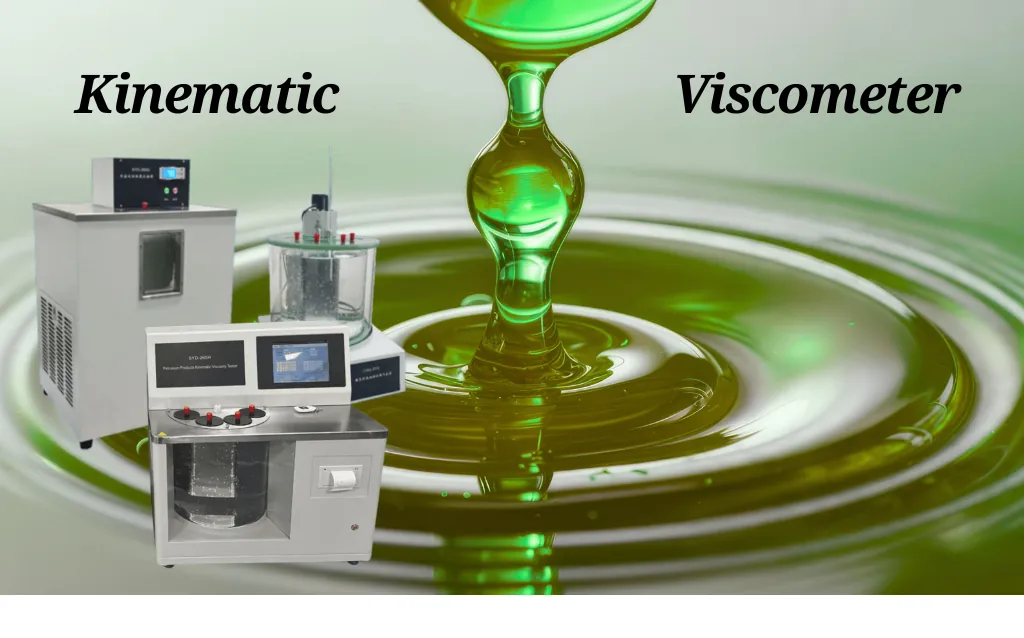
Kinematic Viscometer: Principles and Applications

"A Kinematic Viscometer is a crucial tool for accurately measuring fluid viscosity. Widely used in industries like petrochemical, automotive, and food processing, it helps ensure product quality, process optimization, and regulatory compliance. This guide explains how a Kinematic Viscometer works, its applications, and key considerations when selecting the right model for your lab or industry needs."

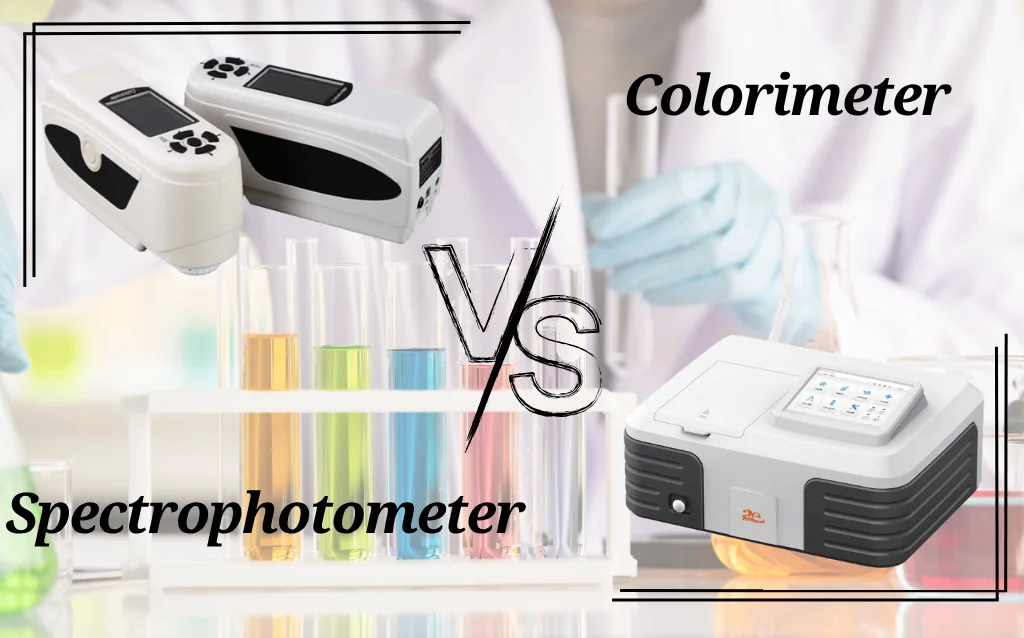
Colorimeter vs Spectrophotometer: What You Need to Know

Discover the key differences in Colorimeter vs Spectrophotometer and learn which color measurement device best suits your industry needs. This comprehensive guide explores their core functionalities, accuracy levels, pros and cons, and ideal use cases across various industries—from manufacturing and cosmetics to pharmaceuticals and environmental analysis. Make an informed decision based on precision, portability, and performance.

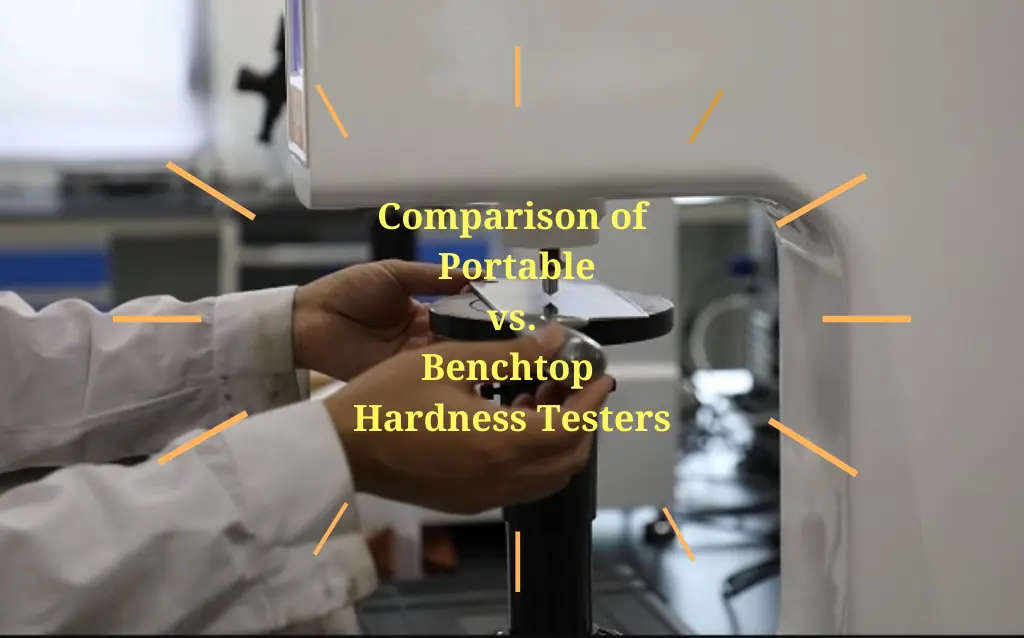
Comprehensive Comparison of Portable vs. Benchtop Hardness Testers

This article provides a comprehensive comparison between portable and benchtop hardness testers, highlighting their key differences, advantages, and ideal use cases. Whether you're conducting field inspections or certified lab testing, understanding which type of tester suits your needs is essential for accurate and efficient material evaluation.

What is the best pH electrode for food applications?

Choosing the right pH electrode isn't rocket science, but it is science — and precision matters. With the right knowledge, you can confidently match the ideal electrode to your application. From AELAB benchtop meters to rugged field probes, there's a perfect fit for every environment.

Fluorometer : Principles, Types, Applications, and Advances in Fluorescence Measurement

Fluorometers are crucial instruments for accurate and sensitive quantification of nucleic acids, proteins, and other bioactive compounds. By measuring fluorescence emitted from samples after excitation, these devices enable precise analysis in various scientific fields, including molecular biology, environmental monitoring, and medical diagnostics. Their high sensitivity, rapid measurement capabilities, and versatility make them essential tools for advanced research and quality control applications.

Best Automated Cell Counter for Accurate Cell Viability Analysis: Fast and Reliable Results for Clinical and Research Labs

Automated cell counters are essential tools in modern laboratories for accurate and efficient cell counting and viability analysis. These devices use advanced technologies such as image analysis, electrical impedance, and fluorescence to provide precise data on cell concentration, viability, and size. Their applications span across clinical diagnostics, cell therapy, and research, offering advantages like high throughput, reduced human error, and faster results compared to traditional manual methods. The integration of automated systems enhances workflow efficiency and ensures reliable, reproducible outcomes.

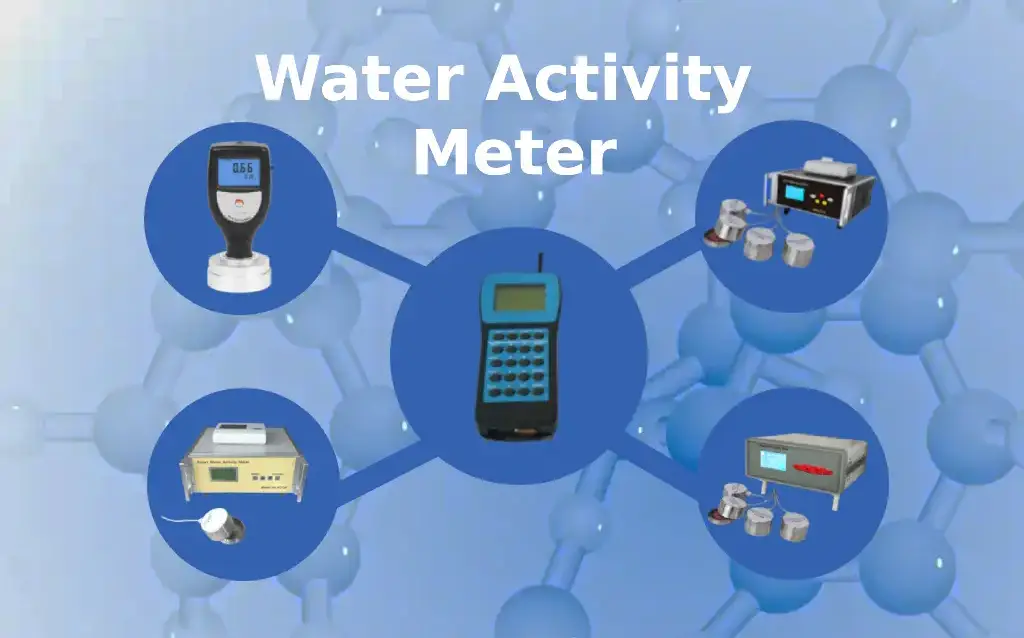
Water Activity Meters: Measuring Water’s Role in Product Stability

Water activity meters are essential tools for measuring free, unbound water in products, crucial for assessing microbial stability, shelf life, and product quality. By measuring water activity (aw), these devices help control moisture levels, prevent microbial growth, and ensure food safety in various industries such as food, pharmaceuticals, and cosmetics. Accurate water activity measurement allows manufacturers to optimize product storage and improve quality control, making these meters indispensable for maintaining stability and safety.

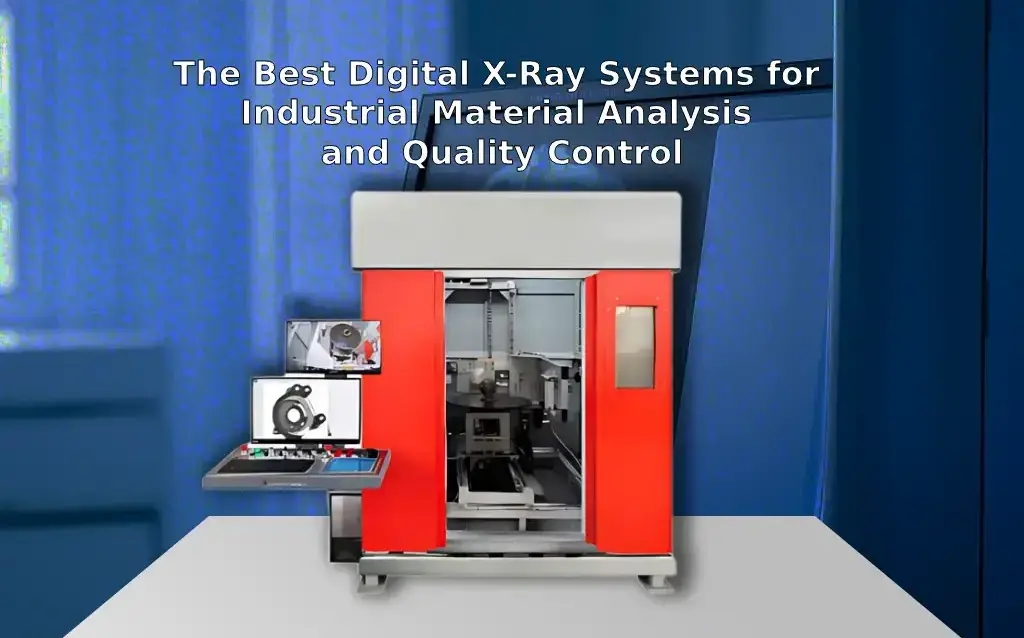
The Best Digital X-Ray Systems for Industrial Material Analysis and Quality Control

Digital X-ray systems and X-ray diffractometers are critical instruments for analyzing industrial materials and ensuring quality control. These systems deliver high-resolution imaging for detecting defects and providing in-depth analysis of crystal structures. They are widely utilized in sectors such as aerospace, automotive, and pharmaceuticals, improving manufacturing workflows and guaranteeing product quality. These technologies support non-destructive testing and accurate material characterization, which is vital for research and development.

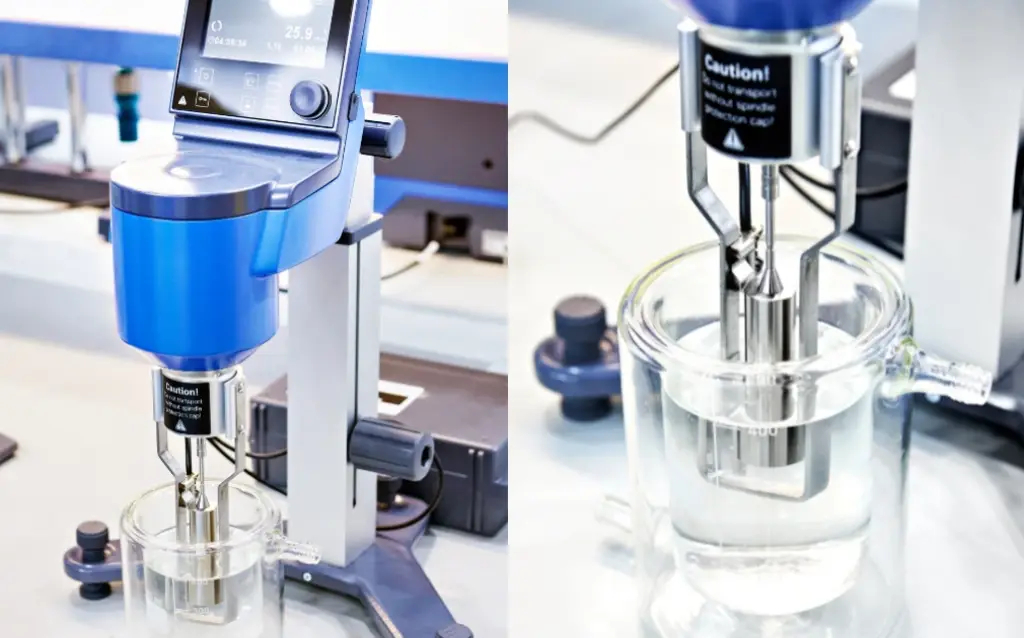
Rotational Viscometer Calibration: Key Components

Rotational viscometer calibration is critical for accurate viscosity measurements in industries like pharmaceuticals, food, and petrochemicals. By following standard calibration procedures, using certified viscosity standards, and addressing common errors, laboratories can ensure precise and reliable results. Adherence to industry standards such as ISO 17025 and ASTM D445 guarantees compliance and enhances the longevity and performance of viscometers.

What is an Alloy Analyzer?

Alloy Analyzer is an advanced analytical tool designed for precise identification and composition analysis of metal alloys. It uses techniques like X-ray fluorescence (XRF) and inductively coupled plasma (ICP) to measure the elemental composition of metals such as copper, aluminum, and steel. Widely used in industries like metallurgy, manufacturing, and recycling, this device ensures accurate material verification, quality control, and compliance with industry standards.

Density Measurement Instruments in Laboratories

Density measurement instruments are crucial for determining the density of materials in laboratory settings. These include hydrometers, pycnometers, hydrostatic balances, and digital density meters. Hydrometers are used for liquids, while pycnometers offer high precision for both solids and liquids. Digital density meters, based on the U-tube oscillation method, provide fast and accurate results. These instruments are essential in industries like pharmaceuticals, chemistry, and oil for quality control and research.