

info@aelabgroup.com
QR Code 1
QR Code 2

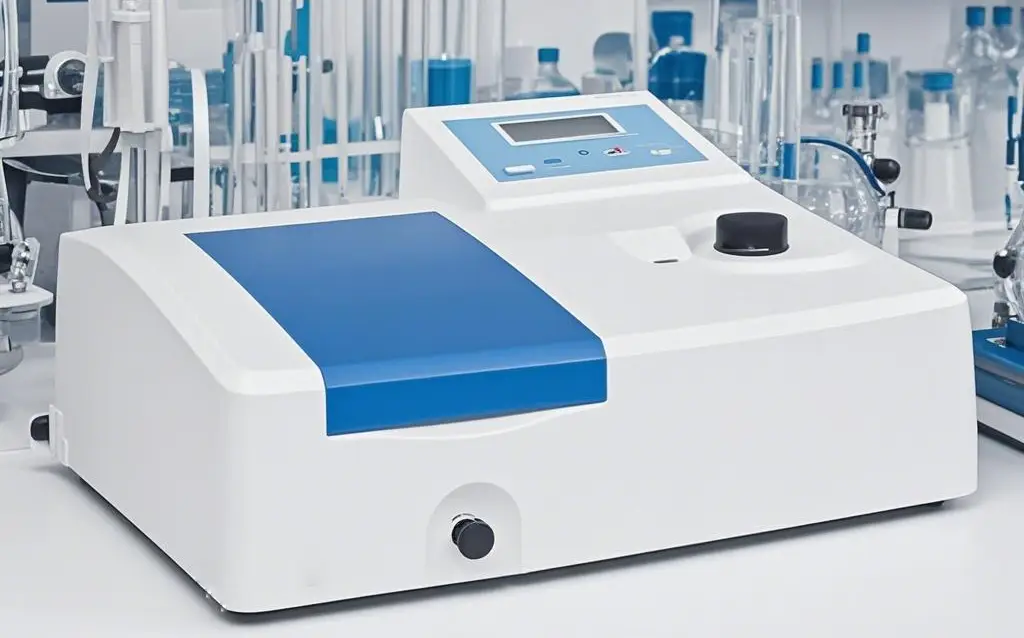
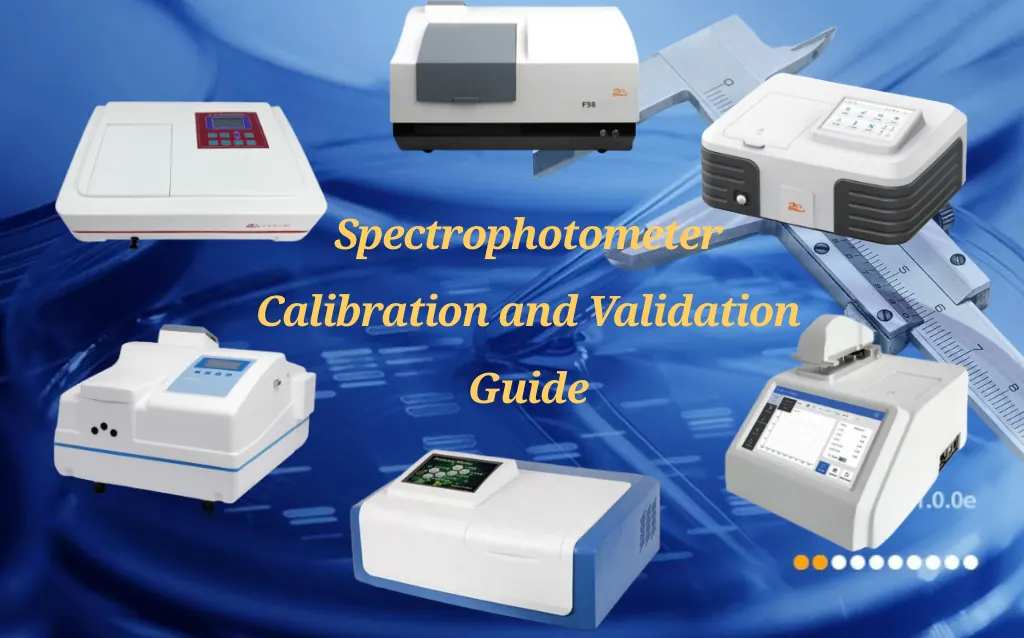
Spectrophotometer Calibration and Validation Guide

Regular spectrophotometer calibration and validation are essential to ensure accurate, traceable, and reliable analytical results in laboratories. This guide explains how proper calibration improves photometric and wavelength accuracy, minimizes measurement errors, and keeps your spectrophotometer compliant with global quality standards. Learn the complete procedure and best practices for maintaining long-term instrument precision.

Spectrophotometer Measurement Errors

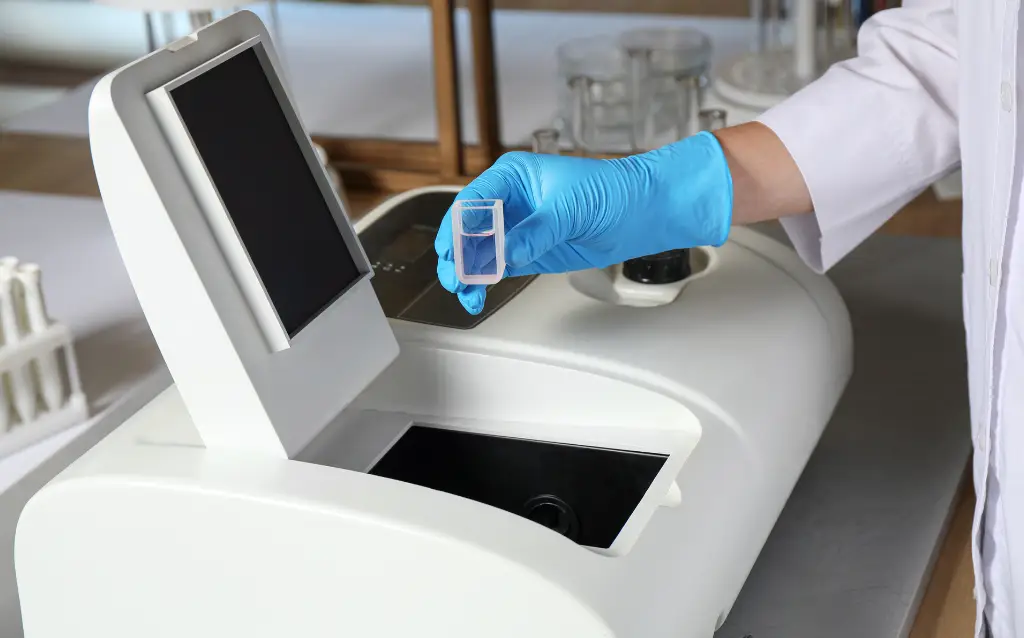
Spectrophotometer Measurement Errors are critical factors influencing the accuracy and reliability of spectrophotometric readings. These errors can arise from various sources, including equipment calibration, sample preparation, environmental conditions, and instrumental limitations. Understanding these sources of error and implementing strategies for their reduction is essential for improving measurement precision and ensuring accurate analytical results across diverse applications.

What is a UV-VIS Spectrophotometer?

UV-VIS spectrophotometry measures light absorption to analyze compounds. It quantifies substances, identifies structures, and monitors molecular interactions. Used in pharmaceuticals, environmental monitoring, and food analysis, it remains a reliable, non-destructive tool. This technique provides fast and accurate results with high reliability.

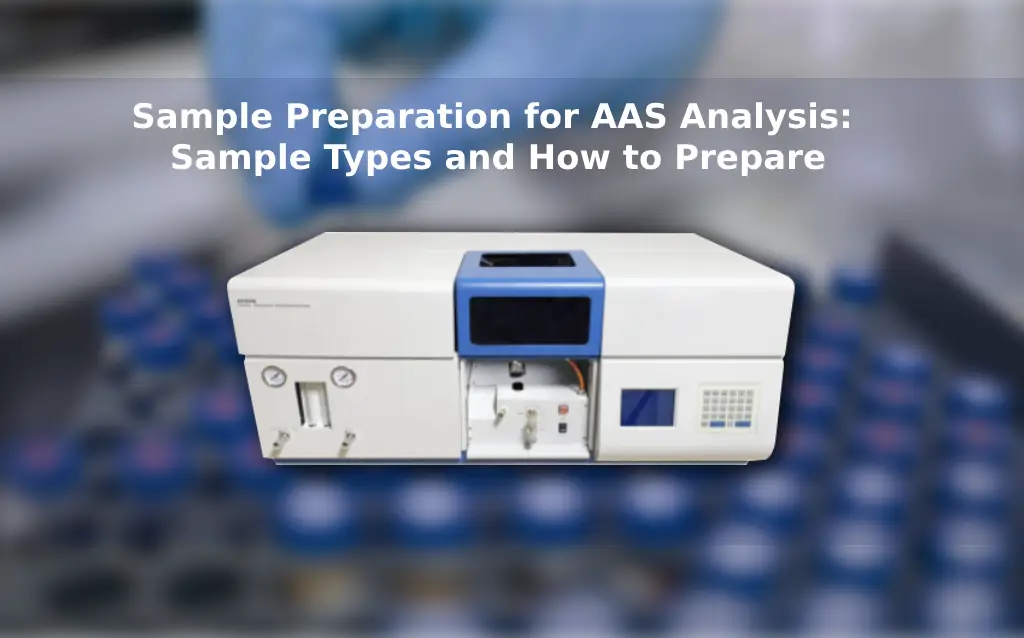
Sample Preparation for AAS Analysis: Sample Types and How to Prepare

This article explores essential sample preparation techniques for Atomic Absorption Spectroscopy (AAS), including methods for solid, liquid, and gaseous samples. It highlights challenges like contamination and matrix interferences and introduces innovative AELAB instruments for precise elemental analysis. These tools enhance efficiency, accuracy, and reliability in modern laboratory applications.

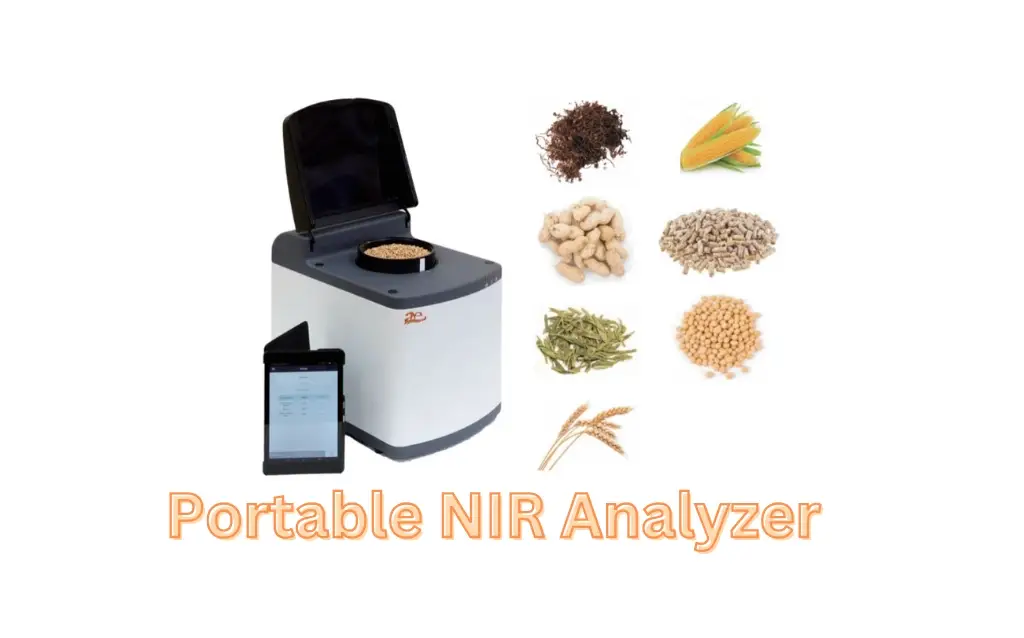
Application of Portable NIR Analyzer 1330 in Quality Control of Ethanol Production from Grains

This article explores the application of portable NIR analyzers in ethanol production from grains. It highlights their role in real-time quality control, grain composition analysis, and process optimization. Portable NIR technology enhances efficiency, reduces waste, and supports sustainable production practices.

Spectrophotometers vs. Fluorometers: Key Differences & Applications

Spectrophotometers and fluorometers are vital tools in analytical science, each with distinct functions. Spectrophotometers measure light absorption, making them ideal for general sample analysis, while fluorometers detect emitted fluorescence, offering high sensitivity for detecting trace compounds. Understanding their differences enables researchers to select the right instrument for accurate and efficient data collection in scientific and environmental applications.

Comparative Analysis of Detection Sensitivity in Heavy Metals: ICP-MS vs. ICP-OES

This article presents a detailed comparison of ICP-MS and ICP-OES techniques for heavy metal detection. It examines detection sensitivity, analytical interferences, sample throughput, and maintenance requirements, outlining the advantages and limitations of each in various applications. This analysis helps select the best method for specific laboratory and industrial needs.

UV-VIS Spectrophotometry for Food Additive Measurement

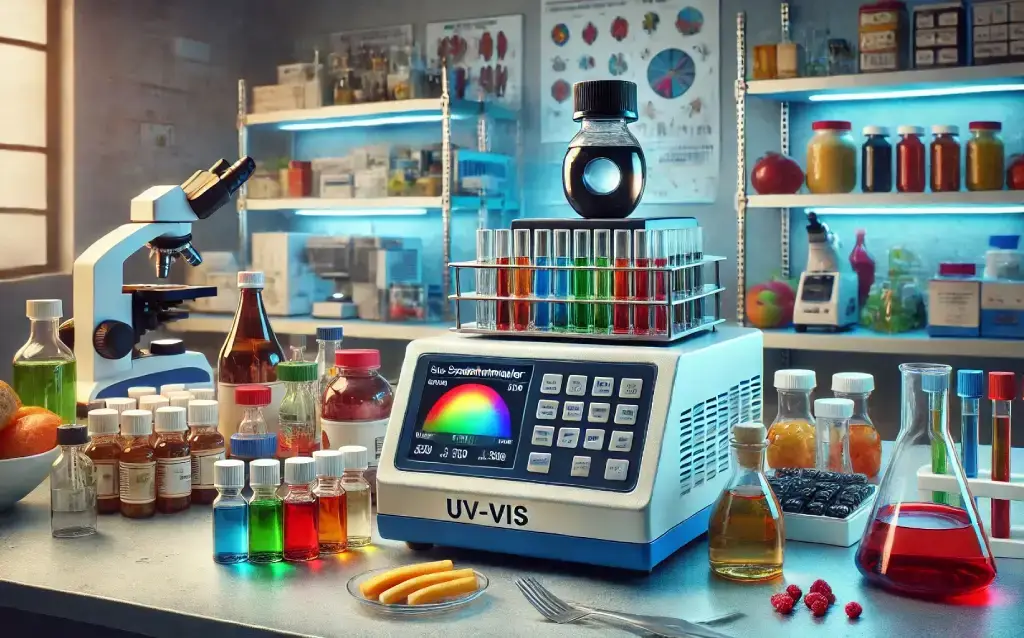
UV-VIS spectrophotometry plays a crucial role in food analysis, allowing precise measurement of additives, preservatives, and contaminants for food safety compliance. This efficient method provides cost-effective testing of nutrients, color stability, and heavy metals in food products. Advanced spectrophotometers enable manufacturers to uphold quality control, ensure consumer safety, and adhere to strict industry standards.

How to Reduce Fluorescence Measurement Errors

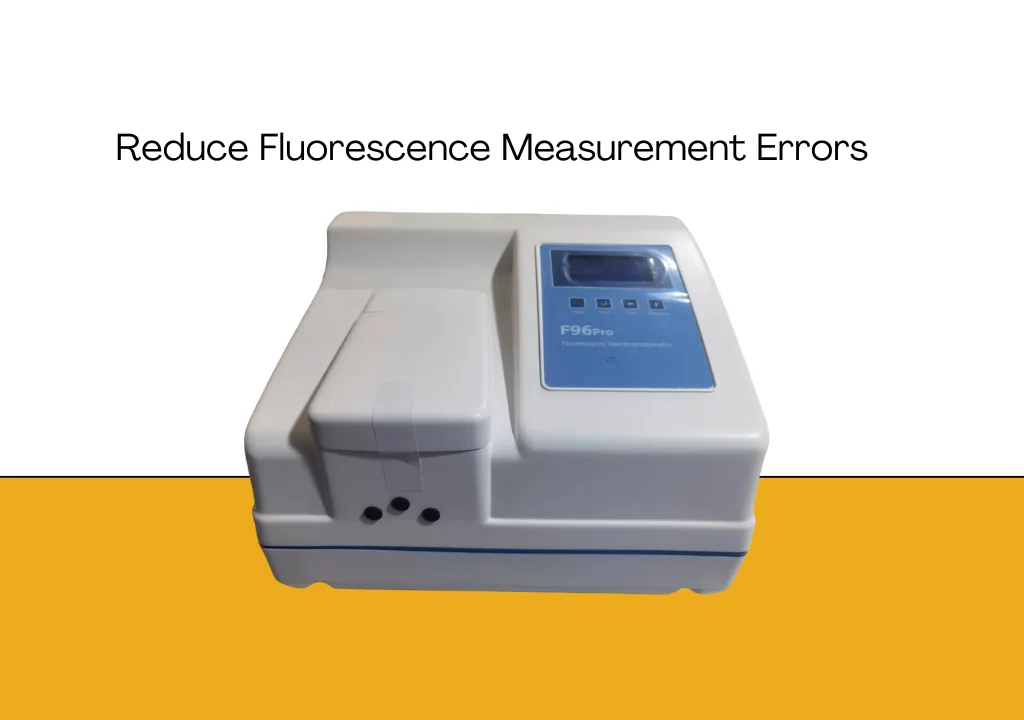
Reducing fluorescence measurement errors is crucial for data accuracy in life sciences. Key strategies include optimizing filter settings, controlling sample concentration, and stabilizing temperature. The F96 Pro AELab microplate reader further enhances accuracy with automated calibration and real-time monitoring, supporting precise fluorescence assays.

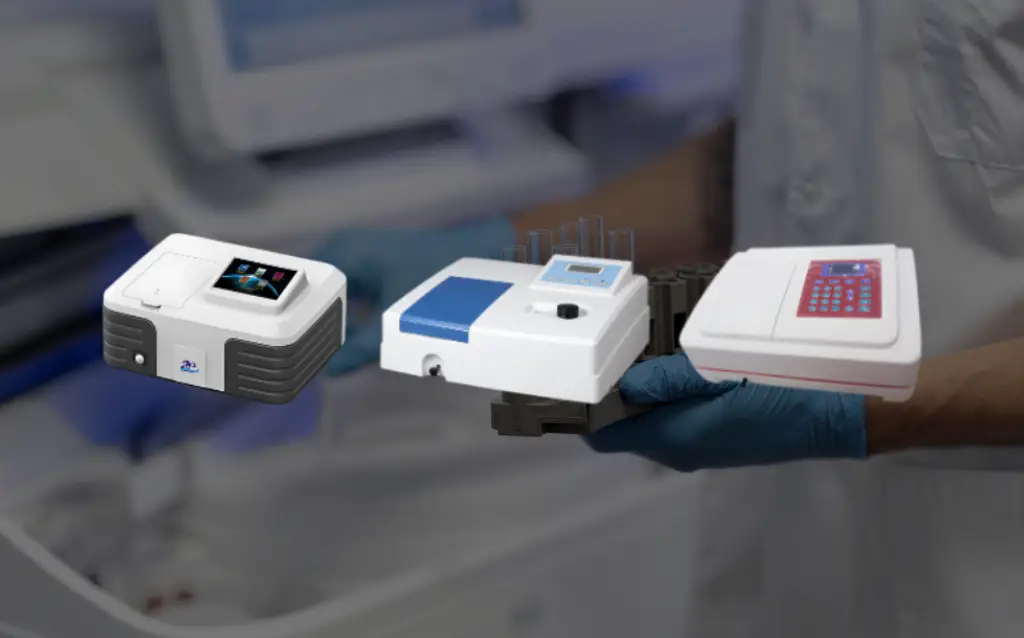
UV-Vis Spectrophotometer vs Visible Spectrophotometer

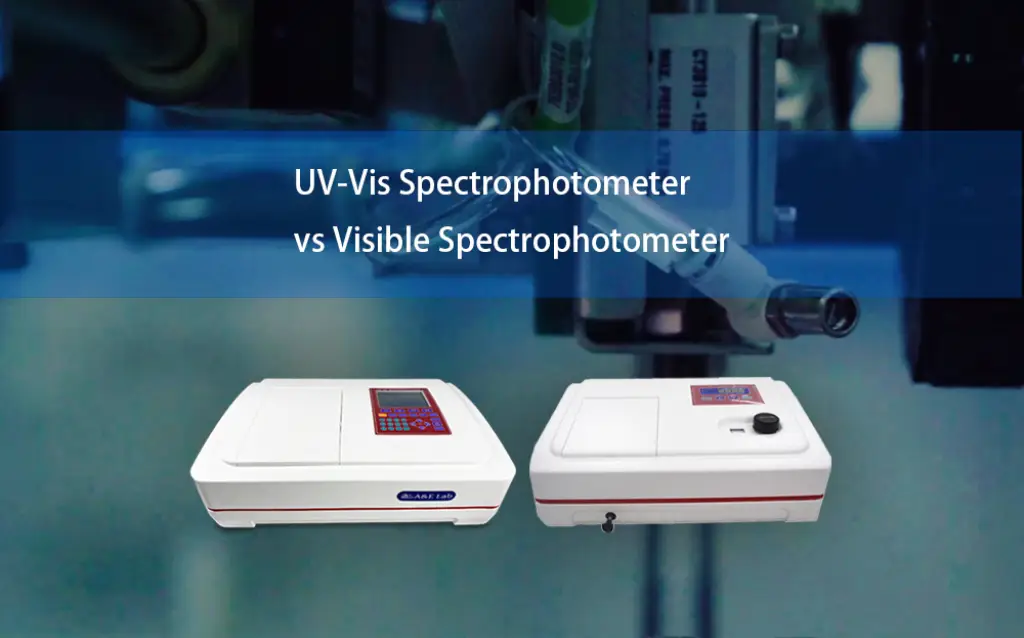
A UV-Vis spectrophotometer is a laboratory instrument used to measure the absorbance or transmittance of ultraviolet (UV) and visible (Vis) light by a sample. It works by passing light through a sample and detecting how much of that light is absorbed at different wavelengths, typically in the range of 190 to 1100 nanometers.

UV-VIS Spectrophotometry: Principles, Methods, and Applications in Quality Assurance

UV-VIS spectrophotometry measures the absorption of UV and visible light by a sample to determine its concentration and purity. It is quick, accurate, and non-destructive, making it widely used in chemistry, biology, and industry.