

info@aelabgroup.com
QR Code 1
QR Code 2

Choosing the Right Laboratory Balance: A Complete Buying Guide

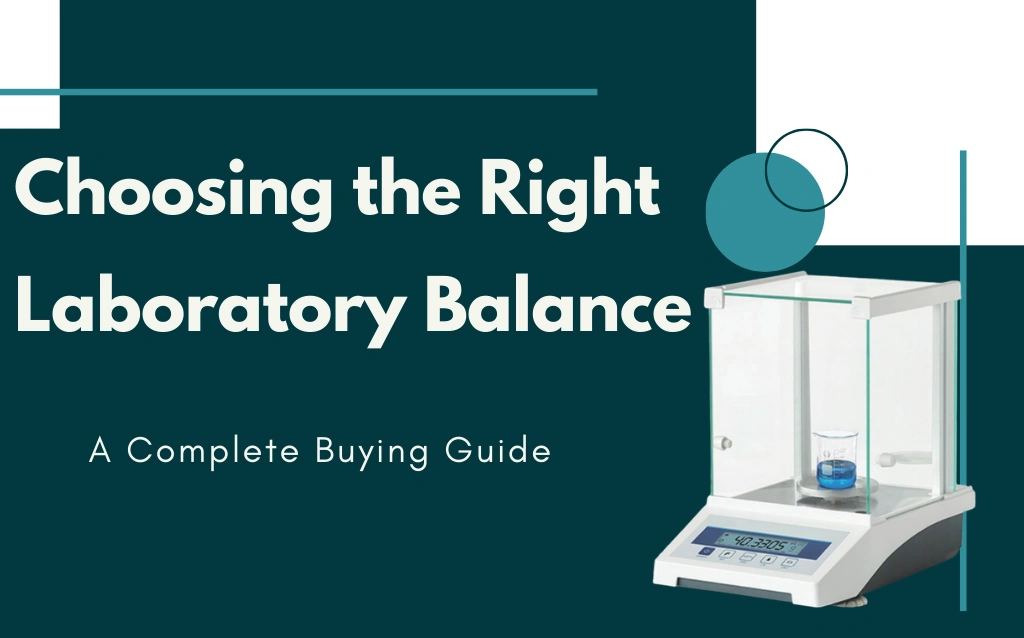
Choosing the Right Laboratory Balance – complete buying guide featuring an analytical laboratory balance with draft shield. AELAB

Choosing the Right Laboratory Balance: A Complete Buying Guide

Introduction

Choosing the right laboratory balance is not just about buying equipment — it is an investment in precision, data integrity, regulatory compliance, and long-term operational efficiency.

Whether you work in pharmaceuticals, chemical analysis, food testing, biotechnology, material science, or industrial quality control, your weighing accuracy directly impacts your results.

Have you experienced:

  • Inconsistent readings?

  • Frequent recalibration issues?

  • Failed audits?

  • Wasted expensive materials?

These problems often stem from choosing the wrong balance — not from poor laboratory practice.

This complete guide will walk you through everything you need to know before buying a laboratory balance, helping you avoid hidden pitfalls and make a future-proof decision.

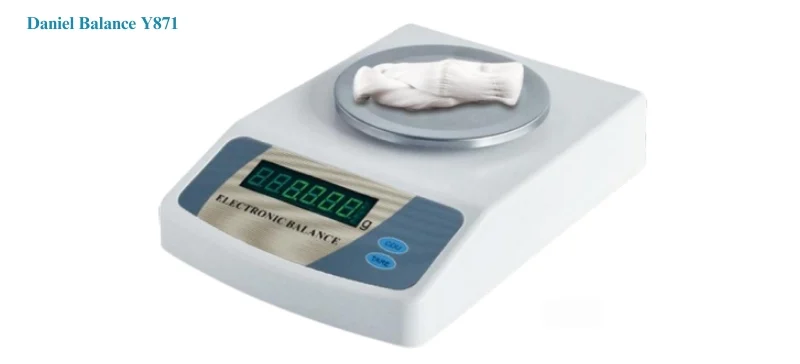
AELAB Daniel Balance Y871 electronic laboratory balance with stainless steel weighing pan and digital display.

Why Choosing the Right Laboratory Balance Matters

Accurate mass measurement is the foundation of:

  • Pharmaceutical formulation

  • Chemical research

  • Environmental testing

  • Food safety analysis

  • Industrial quality control

  • Academic research

An inappropriate balance can result in:

  • Measurement errors

  • Batch rejection

  • Compliance risks

  • Financial losses

  • Reduced scientific credibility

Choosing the correct balance ensures reliable data and long-term performance.

Types of Laboratory Balances

Understanding different types of laboratory balances is the first step toward selecting the right one.

1. Analytical Balance

Best for high-precision applications

Key features:

  • Readability: 0.1 mg or 0.01 mg

  • Capacity: Typically up to 200 g

  • Draft shield enclosure

  • Electromagnetic force compensation (EMFC) sensor

Ideal for:

  • Pharmaceutical laboratories

  • Chemical analysis

  • Research requiring trace-level measurements

If you work with milligram or sub-milligram samples, an analytical balance is essential.

2. Precision Balance

Designed for routine laboratory weighing

Characteristics:

  • Readability: 1 mg

  • Capacity: Hundreds of grams to several kilograms

  • Faster stabilization time

Suitable for:

  • Sample preparation

  • General laboratory tasks

  • Quality control processes

Precision balances offer excellent performance without the extreme sensitivity of analytical models.

3. Microbalance and Ultra-Microbalance

For ultra-small mass measurements

  • Readability: As low as 1 microgram (µg)

  • Highly sensitive to environmental conditions

Applications:

  • Elemental analysis

  • Particle measurement

  • Pipette calibration

  • Advanced research

These balances require vibration-free and temperature-controlled environments.
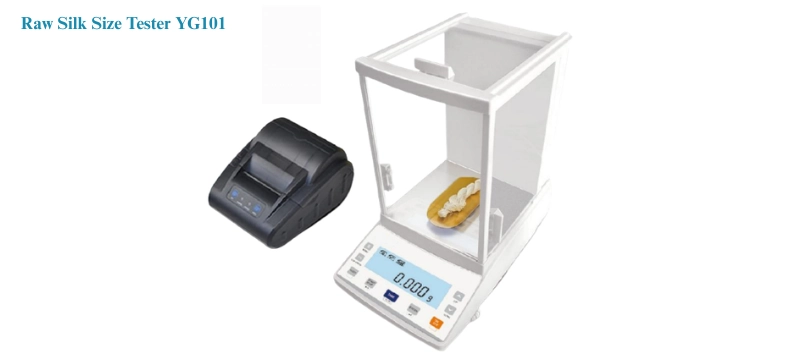
AELAB Raw Silk Size Tester YG101 analytical balance with draft shield and thermal printer for textile laboratory testing.

4. Moisture Analyzer (Moisture Balance)

Measures both weight and moisture content by heating the sample.

Common industries:

  • Food production (wheat, milk, butter, grains)

  • Pharmaceutical powders

  • Soil and chemical testing

Moisture analyzers are critical for quality control and process optimization.

5. High-Capacity and Industrial Laboratory Balances

  • Capacity: From kilograms to tens of kilograms

  • Used for bulk materials

  • More robust for industrial environments
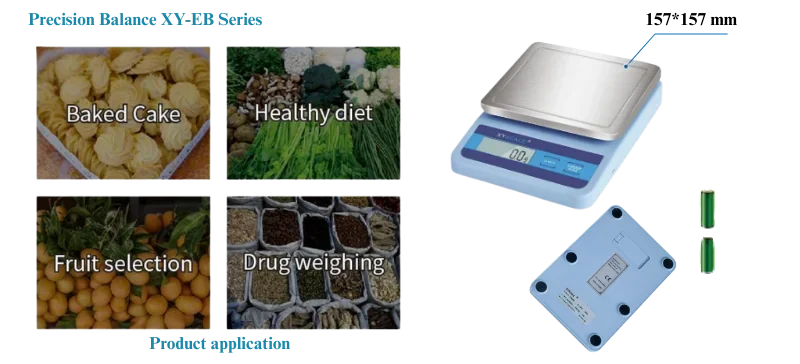
XY-EB Series precision balance with stainless steel pan, digital display, and product application examples including baked cake, fruit selection, healthy diet, and drug weighing.

Key Factors to Consider Before Buying and Choosing the right Laboratory Balance

1. Readability vs. Repeatability: The Most Common Buying Mistake

Many buyers focus only on readability (e.g., 0.1 mg). However, readability alone does not guarantee reliable results.

Why Repeatability Is More Important

Repeatability measures how consistently the balance delivers the same result under identical conditions.

Example of poor repeatability:

  • 100.3 mg

  • 99.8 mg

  • 100.4 mg

Example of high repeatability:

  • 100.0 mg

  • 100.1 mg

  • 99.9 mg

Even with high readability, poor repeatability compromises data integrity.

Always check:

  • Repeatability specification

  • Linearity

  • Minimum weight

  • Stabilization time

2. Capacity Requirements

Choose a balance that:

  • Supports your heaviest sample

  • Maintains accuracy for lighter measurements

Oversizing can reduce precision; undersizing limits usability.

3. Environmental Conditions

Laboratory balances are extremely sensitive.

Environmental factors affecting accuracy:

  • Air drafts

  • Temperature fluctuations

  • Humidity

  • Static electricity

  • Vibrations from nearby equipment or foot traffic

Solutions:

  • Anti-vibration tables

  • Draft shields

  • Anti-static devices

  • Stable, heavy workbenches

  • Controlled laboratory temperature

Micro and analytical balances require special environmental control.
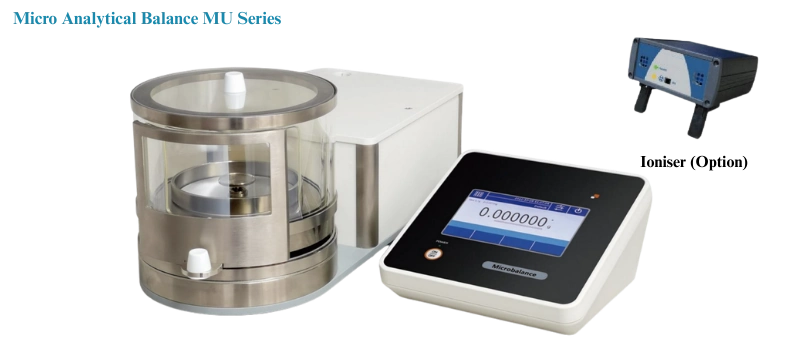
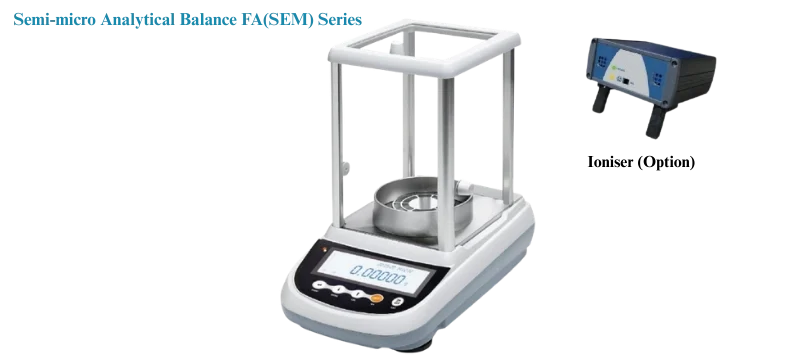
AELAB Micro Analytical Balance MU Series with touchscreen display, draft chamber, and optional ionizer for ultra-precise laboratory weighing.

4. Calibration Options When Choosing the Right Laboratory Balance

When Choosing the Right Laboratory Balance, calibration is essential to ensure ongoing measurement accuracy and long-term reliability.

Manual (External) Calibration

  • Requires external weights

  • Time-consuming

  • Prone to human error

Internal (Automatic) Calibration

  • Triggered automatically by temperature changes

  • Maintains consistent accuracy

  • Essential for regulated laboratories

For GMP, GLP, or ISO-regulated labs, internal calibration is strongly recommended.

5. Regulatory Compliance and Data Integrity

If you operate in regulated industries such as:

  • Pharmaceuticals

  • Biotechnology

  • Food testing

  • Chemical manufacturing

Your balance should support:

  • GLP (Good Laboratory Practice)

  • GMP (Good Manufacturing Practice)

  • ISO standards

  • OIML compliance

  • 21 CFR Part 11 (where required)

Critical features include:

  • Audit trails

  • Time-stamped data

  • User authentication

  • Electronic signatures

  • LIMS or ERP integration

Non-compliance can result in audit failure and legal risks.

6. Connectivity and Workflow Integration

Modern laboratories are data-driven.

Essential connectivity features:

  • USB ports

  • RS-232 interface

  • Ethernet

  • Wi-Fi

  • Direct data export

Manual data transcription:

  • Slows workflow

  • Increases human error

  • Compromises audit compliance

Integrated balances protect data integrity and improve productivity.

7. Future-Proofing Your Investment

Your laboratory needs may evolve.

Before purchasing, ask:

  • Can the balance support density kits?

  • Is firmware upgradeable?

  • Are modular components available?

  • Is software expandable?

  • Is local service support reliable?

A balance should grow with your laboratory — not limit it.

Choosing the Right Laboratory Balance A Complete Buying Guide AELAB (6)

Analytical vs. Precision Balance Comparison

Feature Analytical Balance Precision Balance
Readability 0.01–0.1 mg 1 mg
Capacity Up to 200 g Up to several kg
Draft Shield Yes Usually No
Sensitivity Very High Moderate
Best For Trace analysis Routine weighing
Cost Higher Moderate

Choosing the Right Laboratory Balance depends on your application needs, not simply your budget.

Total Cost of Ownership (TCO)

The purchase price is only part of the cost.

Consider:

  • Annual calibration costs

  • Maintenance

  • Downtime risks

  • Spare parts availability

  • Software limitations

  • Service response time

A reliable manufacturer with strong technical support reduces long-term operational disruptions.

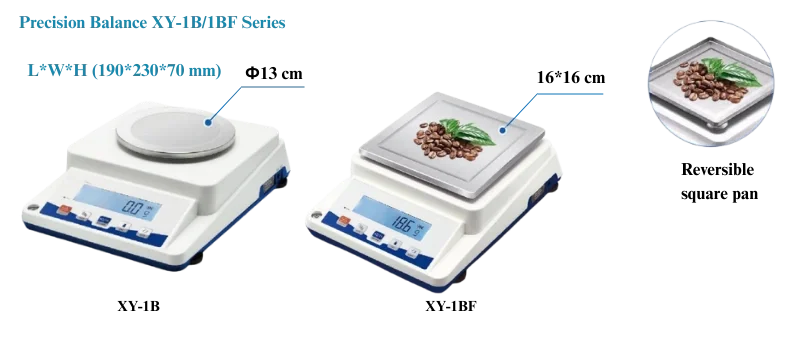
Precision Balance XY-1B and XY-1BF Series with round and reversible square weighing pan for laboratory and food weighing applications.

Final Checklist Before Purchasing a Laboratory Balance

Before Choosing the Right Laboratory Balance for your lab, make sure you confirm the following:

  • Required readability
  • Required capacity
  • Repeatability specification
  • Calibration type
  • Environmental stability
  • Compliance requirements
  • Data connectivity
  • Service coverage
  • Upgrade flexibility

Conclusion: Choosing the Right Laboratory Balance Is Investing in Precision

Buying and Choosing the Right laboratory balance is a strategic decision that affects accuracy, compliance, productivity, and scientific credibility.

By carefully evaluating:

  • Application type

  • Required precision

  • Environmental conditions

  • Regulatory standards

  • Data integration needs

  • Long-term scalability

You ensure that your laboratory balance delivers reliable performance today and sustainable value tomorrow.

Choosing wisely means securing consistent, compliant, and trustworthy results for years to come.

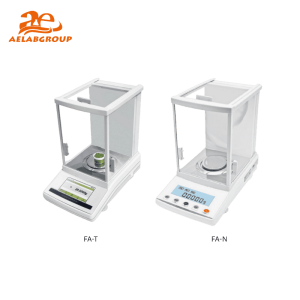
Internal Calibration Touch Screen Analytical Balance FA-T/N SERIES

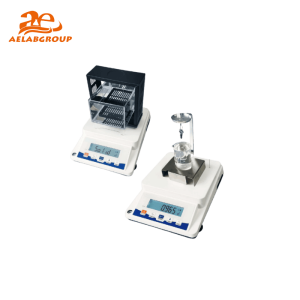
Density Balance XY-2CM Series

Ready for Choosing the Right Laboratory Balance?

Choosing the Right Laboratory Balance starts with expert guidance. Let our specialists help you select a laboratory balance that ensures precision, compliance, and long-term reliability. Contact us today to find the ideal solution for your lab

Frequently Asked Questions

1What is a laboratory balance used for?
A laboratory balance is a precision instrument designed to measure mass accurately in scientific and industrial settings. It is essential for applications such as pharmaceutical formulation, chemical analysis, food testing, and quality control where reliable measurements are critical.
2Why is repeatability more important than readability?
Readability shows the smallest value a balance can display, but repeatability reflects how consistently it produces the same result under identical conditions. Without strong repeatability, even a highly sensitive balance can generate unreliable data.
3How do environmental conditions affect weighing accuracy?
Factors like air drafts, vibrations, temperature changes, humidity, and static electricity can disrupt measurement stability. Analytical and microbalances are especially sensitive and should be placed on vibration-free surfaces in controlled environments.
4When should you choose an analytical balance instead of a precision balance?
An analytical balance is necessary when measuring very small quantities (milligram or sub-milligram levels) that require high sensitivity and draft protection. A precision balance is more suitable for routine laboratory tasks with larger sample sizes.
5Why is internal calibration important?
Internal calibration automatically adjusts the balance to maintain accuracy, especially after temperature changes. This is crucial in regulated environments because it reduces human error and supports compliance with standards such as GLP or GMP.
6What should you consider before purchasing a laboratory balance?
Before buying, evaluate your required accuracy, capacity range, repeatability, environmental conditions, compliance needs, and data connectivity. Choosing based on application requirements rather than price alone ensures long-term reliability and performance.
Share:

Categories

Laboratory and Science Knowledge

Leave a Reply

Leave a Reply

Your email address will not be published. Required fields are marked *

Looking for specific lab equipment? Fill out the form below, and our team will get back to you with detailed information and a personalized quote.