Introduction
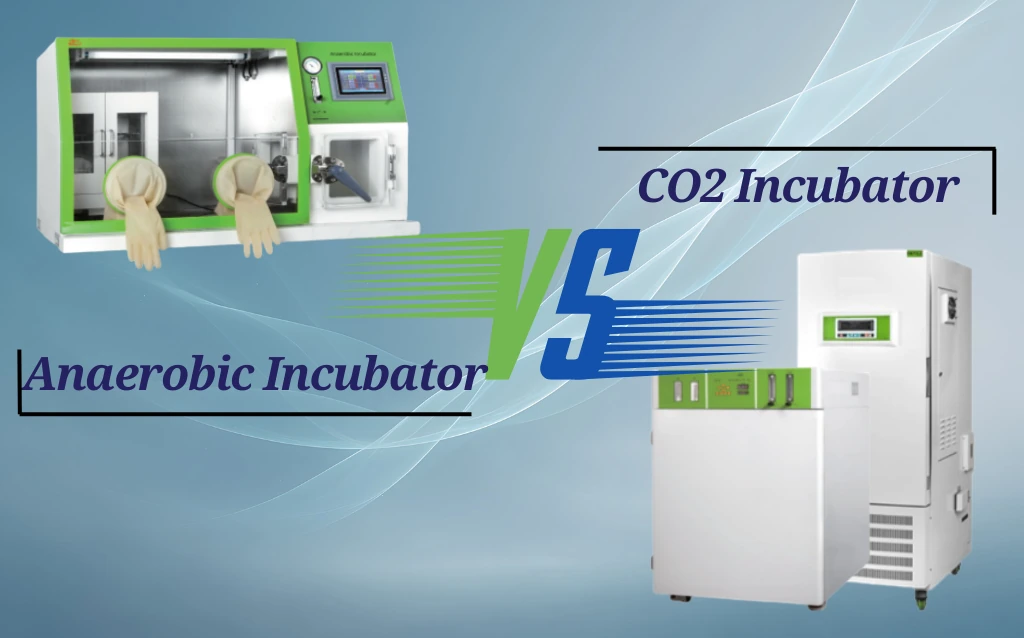
When it comes to laboratory equipment, the debate of CO2 Incubator vs Anaerobic Incubator is a crucial one for researchers. Both devices provide controlled environments, yet their functions, gas composition, and applications differ significantly. In this article, we explore the differences between a CO2 incubator and an anaerobic incubator, helping laboratories choose the right system for cell culture, microbiology, and biotechnology research.
What is a CO2 Incubator?
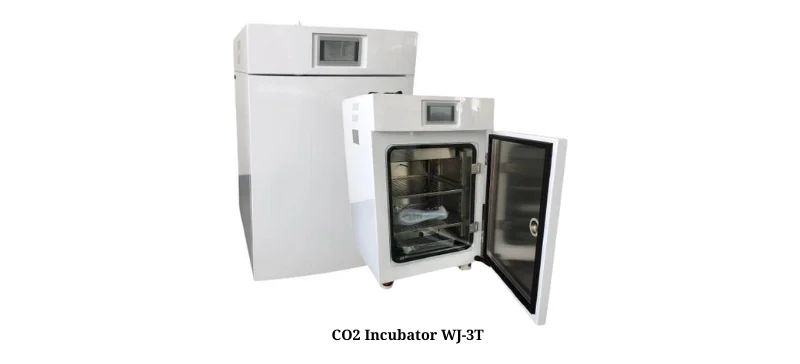
A CO2 incubator simulates in vivo–like conditions by controlling temperature, humidity, and CO2 concentration. It is essential for cell culture incubations, tissue engineering, and sensitive biomedical research. By maintaining a typical atmosphere of 5% CO2 and 95% air, it ensures stable pH levels and promotes optimal cell growth.
What is an Anaerobic Incubator?
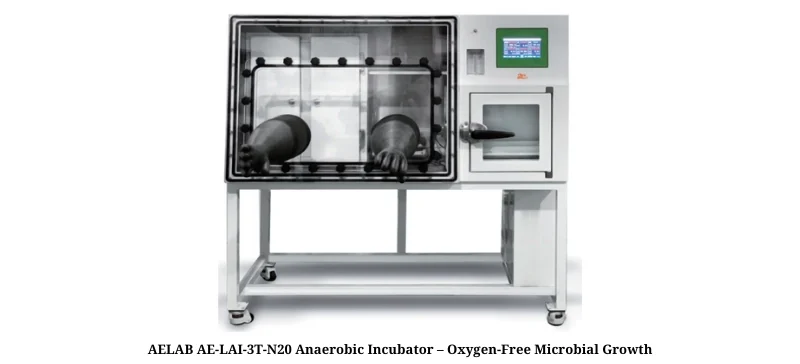
In the comparison of CO2 Incubator vs Anaerobic Incubator, the anaerobic incubator stands out for its ability to maintain a completely oxygen-free environment. Using a gas mixture of 90% nitrogen, 5% hydrogen, and 5% CO2, this incubator supports the growth of strict anaerobic bacteria that cannot survive in oxygen. It is vital for anaerobic microbiology, clinical diagnostics, and environmental studies.
Gas Composition: CO2 Incubator vs Anaerobic Incubator
CO2 Incubators: Use 5% CO2 with a small portion of oxygen, supporting mammalian cell culture and maintaining medium pH.
Anaerobic Incubators: Operate without oxygen, replacing it with nitrogen, hydrogen, and CO2, making them perfect for oxygen-sensitive microbes.
Features and Design
CO2 Incubator Features
Accurate temperature and humidity control (around 37°C, 95% humidity).
Advanced CO2 sensors (IR or TCD) for precise gas regulation.
Anti-contamination systems such as UV sterilization, H2O2, or high-temperature cleaning.
Stainless steel interior with smooth surfaces to reduce contamination.
Anaerobic Incubator Features
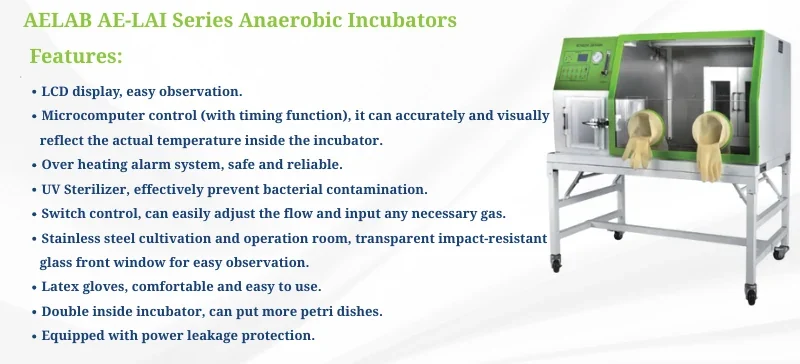
Airtight chamber to prevent oxygen infiltration.
Glove ports and transfer chambers for oxygen-free sample handling.
Anaerobic indicators for monitoring oxygen presence.
Safety alerts for gas leaks and pressure changes.
Applications: CO2 Incubator vs Anaerobic Incubator
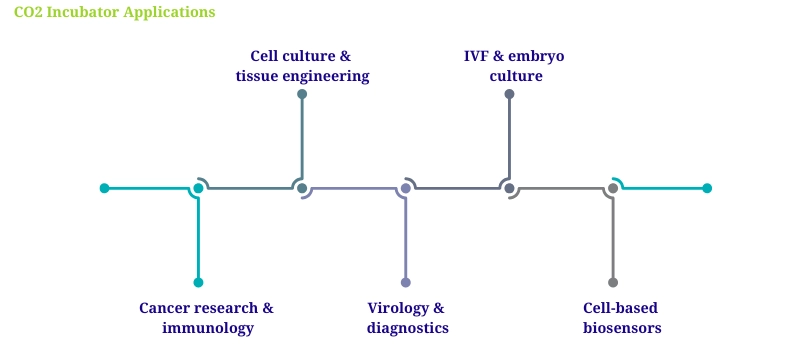
CO2 Incubator Applications
Cell culture and tissue engineering.
In vitro fertilization (IVF) and embryo culture.
Cancer research and immunology studies.
Virology and diagnostics.
Development of cell-based biosensors.
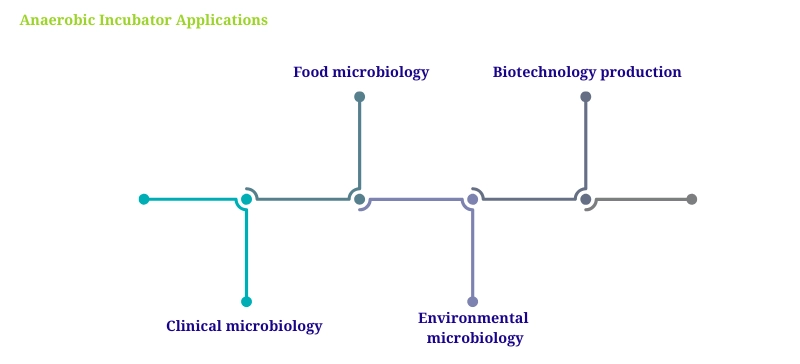
Anaerobic Incubator Applications
Clinical microbiology for pathogen cultivation.
Food microbiology to study spoilage organisms.
Environmental microbiology for soil and aquatic bacteria.
Biotechnology production of enzymes, antibiotics, and metabolites.
Buying Guide: Choosing Between CO2 Incubator vs Anaerobic Incubator
When comparing CO2 Incubator vs Anaerobic Incubator, laboratories should evaluate:
Research focus: CO2 incubators are ideal for cell culture, while anaerobic incubators are essential for anaerobic microbiology.
Capacity needs: Benchtop vs large-capacity systems.
Contamination control features.
Data logging and digital monitoring systems.
Ease of use and safety standards.
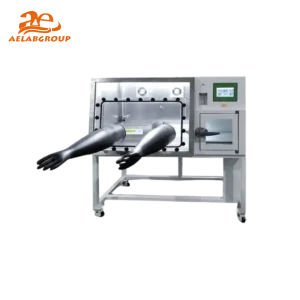
AELAB AE-LAI-3T-N Anaerobic Incubator – Controlled Oxygen-Free Culturing
Similarities
Despite their differences, both CO2 and anaerobic incubators share:
Stable temperature and humidity regulation.
Consistent, reproducible research conditions.
User-friendly design and reliability.
Availability from trusted brands such as AELAB .
Conclusion
The debate of CO2 Incubator vs Anaerobic Incubator ultimately comes down to research goals.
For cell culture, IVF, and tissue engineering, a CO2 incubator is the right choice.
For anaerobic bacteria studies, food safety, and biotechnology, an anaerobic incubator is essential.
👉 For expert advice and access to high-quality laboratory incubators, contact trusted suppliers like AELAB to find the best incubator for your research.