

Introduction
A coagulation analyzer is a vital laboratory device used to measure the blood’s ability to clot, a crucial process to stop bleeding. This device is instrumental in diagnosing bleeding disorders, such as hemophilia or von Willebrand disease, and in monitoring patients on anticoagulant medications like heparin or warfarin. In this guide, we will explore the types, working principles, key parameters measured, and uses of coagulation analyzers, providing a comprehensive understanding of their role in modern healthcare.

What is a Coagulation Analyzer?
A coagulation analyzer measures various blood clotting factors to assess the efficiency of the coagulation process. Coagulation, the body’s natural response to injury, involves a complex interaction of platelets, clotting factors, and other substances like Vitamin K and calcium. The analyzer helps determine how well and how quickly blood clots, which is essential in diagnosing and monitoring patients with clotting disorders or those receiving anticoagulant therapy.
How Does a Coagulation Analyzer Work?
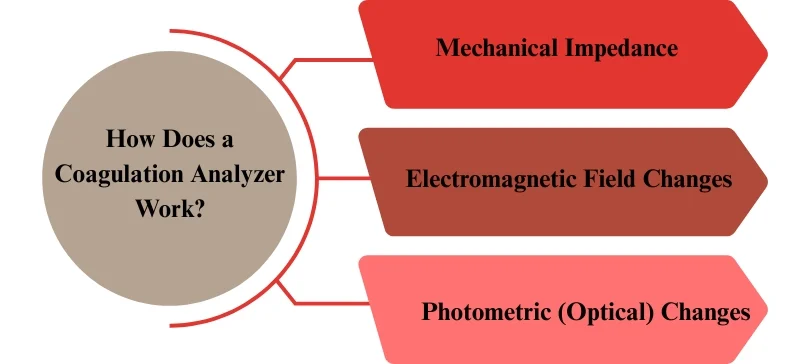
Coagulation analyzers function by assessing the time it takes for blood to clot under controlled conditions. There are several advanced methods used to detect clot formation:
Mechanical Impedance: Measures changes in the viscosity of blood as it begins to clot, helping calculate the clotting time.
Electromagnetic Field Changes: Uses a magnetic sensor or ball to detect changes in the electromagnetic field that occur when a clot forms.
Photometric (Optical) Changes: Measures the optical density of blood to observe the early stages of clot formation.
These modern methods offer faster and more accurate results than traditional manual testing, which can be prone to human error.
Types of Coagulation Analyzers
Coagulation analyzers can be classified based on different factors such as operating mode, number of channels, and measurement method:
Operating Mode
Automatic Coagulation Analyzers: Fully automated, requiring no manual intervention for testing.
Semi-Automatic Coagulation Analyzers: Require some manual preparation, like positioning samples, but the device does most of the testing.
Number of Channels
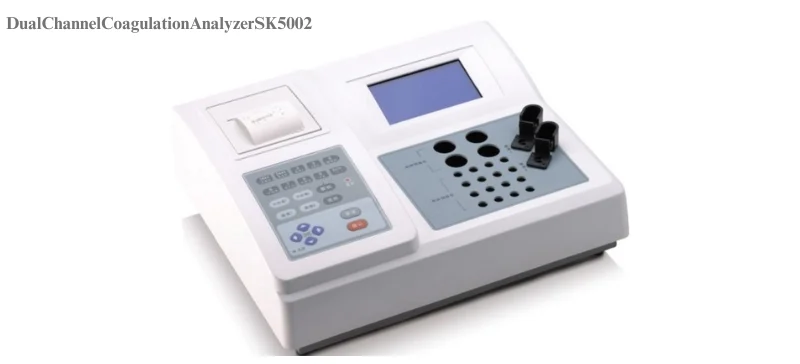
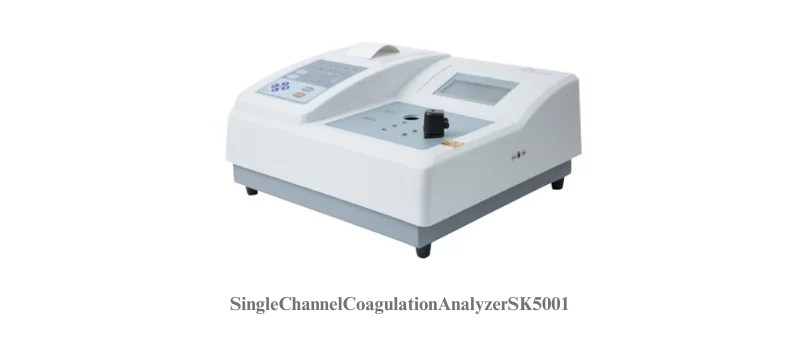
The number of channels indicates how many samples can be processed at the same time. These devices range from single-channel to multi-channel models , with multi-channel analyzers being ideal for labs with high testing volumes.Measurement Methods
Coagulometric: Measures the change in blood viscosity during clot formation.
Immunological: Uses antibodies to detect specific molecules in blood samples.
Chromogenic: Detects clotting factors via chromogenic substrates that change color.
Turbidimetric: Measures cloudiness or turbidity in the sample as blood coagulates.
Some coagulation analyzers combine these methods for more comprehensive testing, providing a complete picture of a patient’s coagulation status.

Key Parameters Measured by Coagulation Analyzers
Coagulation analyzers assess several parameters to evaluate the blood’s clotting ability:
Prothrombin Time (PT): Measures how long it takes for blood to clot.
INR (International Normalized Ratio): Standardizes PT results across different laboratories.
Activated Partial Thromboplastin Time (aPTT): Assesses the clotting time for the intrinsic pathway.
Thrombin Time (TT): Measures how efficiently fibrinogen is converted into fibrin, the protein that forms the clot.
Fibrinogen Levels: This protein is essential for clot formation.
Platelet Count: Indicates the number of platelets in the blood, which are crucial for forming a clot.
Clot Retraction: Measures how much the clot contracts over time.
Bleeding Time: The time it takes for a small puncture to stop bleeding.
Together, these tests form a coagulogram, a comprehensive profile of the blood’s clotting status.

Uses of Coagulation Analyzers
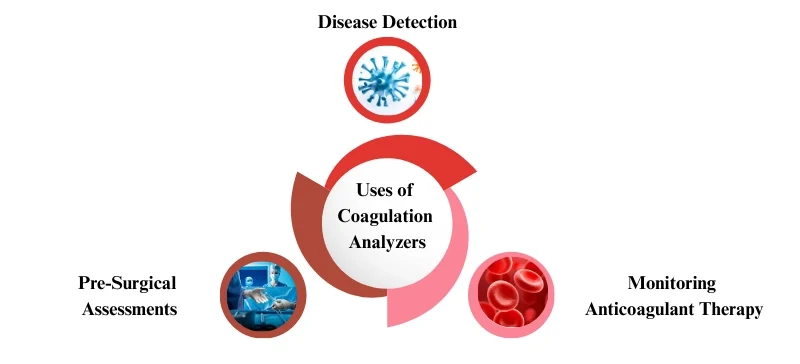
Coagulation analyzers are indispensable for various diagnostic and monitoring purposes:
Disease Detection
They are used to diagnose clotting disorders, such as:Hemophilia
Von Willebrand Disease
Liver Disorders (which affect clotting factors)
Vitamin K Deficiency
Thromboembolic Disorders (like deep vein thrombosis or pulmonary embolism)
Monitoring Anticoagulant Therapy
Coagulation analyzers are crucial for monitoring patients on anticoagulants such as warfarin or heparin. Regular testing helps adjust the dosage to ensure the blood does not become too thin (leading to excessive bleeding) or too thick (increasing the risk of clot formation).Pre-Surgical Assessments
A coagulation profile (coagulogram) is typically performed before surgeries to assess a patient’s bleeding risk during or after the procedure. This is especially important for major surgeries or procedures involving blood loss.
Different Configurations of Coagulation Analyzers
Coagulation analyzers come in various configurations based on the laboratory’s needs:
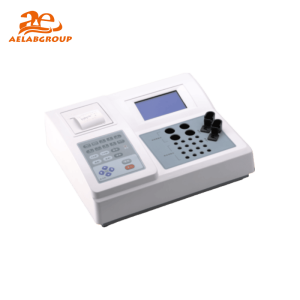
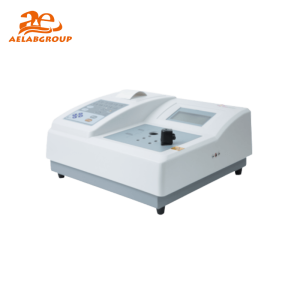
Benchtop Analyzers
These are larger devices used in clinical laboratories for high-volume testing. They offer high accuracy and can process multiple parameters simultaneously, making them ideal for large medical institutions or diagnostic labs.Portable Analyzers (Point of Care Testing)
Portable devices allow for coagulation testing at the patient’s bedside, in emergency rooms, or in ambulances. These analyzers provide quick results and are compact, making them ideal for Point of Care (PoC) testing, where immediate decisions need to be made.
Advantages of Using Coagulation Analyzers
Coagulation analyzers provide several advantages over traditional manual methods:
Speed and Efficiency
These devices deliver rapid results, enabling healthcare professionals to make timely treatment decisions.
High Accuracy and Precision
Modern coagulation analyzers produce highly accurate and precise results, which minimize diagnostic errors and improve patient care.
Automation and Reduced Human Error
Fully automated systems limit human error, ensuring more reliable and consistent results.
Advanced Features
Multiple test capabilities: Perform various clotting tests in a single run.
Data storage: Save thousands of test results for future reference.
Connectivity: Some models connect directly to laboratory information systems (LIS) for better data management and reporting.
Maintenance and Safety of Coagulation Analyzers
Coagulation analyzers generally require minimal maintenance, but laboratory staff must regularly calibrate and clean them to ensure accurate performance. Some devices include automatic quality control systems that perform daily checks to confirm the device’s reliability.
Risks: Drawing blood may cause minor bruising at the puncture site, which usually heals within a few days. Using the analyzer itself does not pose any significant risks.
Conclusion
A coagulation analyzer is a critical tool in modern healthcare, enabling the diagnosis and management of bleeding disorders, the monitoring of anticoagulant therapies, and the assessment of clotting risks before surgeries. With technological advancements, these devices have become faster, more accurate, and easier to use, providing healthcare professionals with the necessary tools to make informed, timely decisions for patient care.
Selecting the right coagulation analyzer depends on various factors such as operating mode, number of channels, and measurement methods. By choosing the most appropriate device for your clinical or laboratory needs, you can improve diagnostic accuracy and ensure the best outcomes for your patients.
Looking for a reliable and accurate Coagulation Analyzer for your laboratory or medical center?
👉Get expert guidance from AELAB and choose the best solution tailored to your laboratory’s needs. Contact us today to get started.