

Introduction
In laboratory research, precise temperature control is essential for ensuring accurate and reproducible results. Two commonly used heating devices, dry baths and water baths, serve this purpose but function in distinct ways. Each has specific advantages and limitations, making them suitable for different applications. Understanding the differences is essential for selecting the best option for laboratory workflows.
What Are Dry Baths and Water Baths?
What is a Dry Bath?
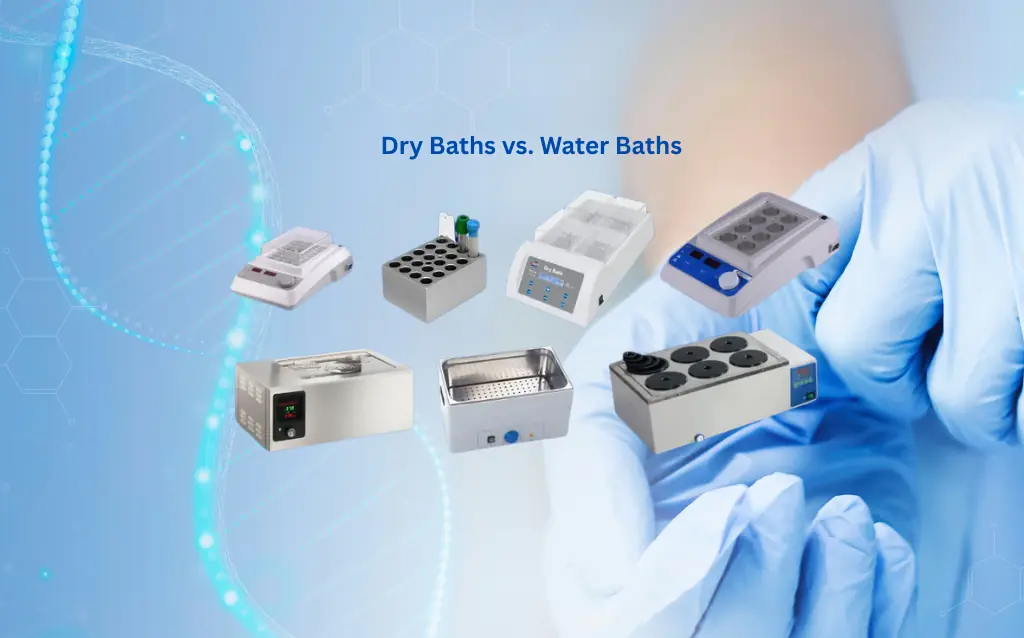
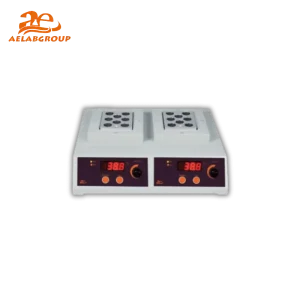
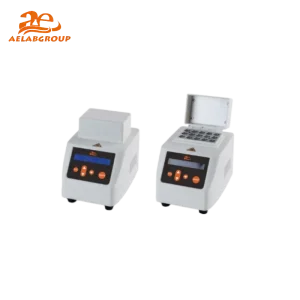
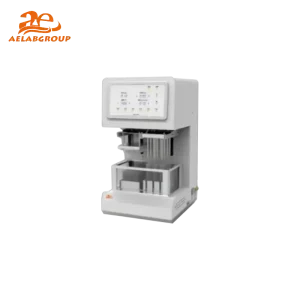
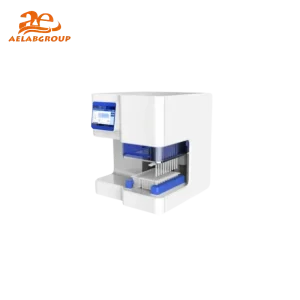
A dry bath, also known as a heat block, utilizes a solid metal block with wells designed to hold test tubes or vials. Heat is transferred directly to the sample through conduction, providing uniform and stable temperature control. Dry baths can achieve higher temperatures, often exceeding 100°C, making them ideal for applications requiring precise and consistent heating.
What is a Water Bath?
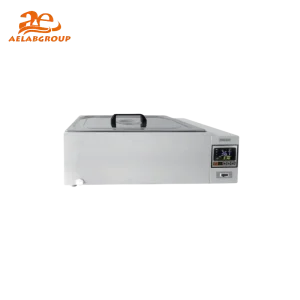
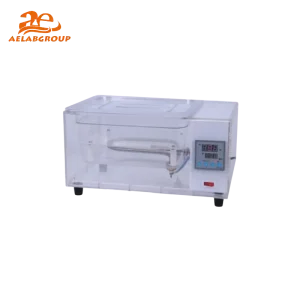
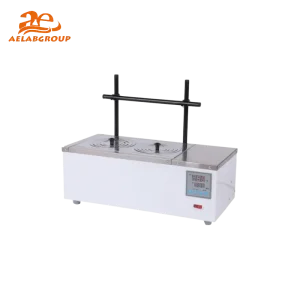
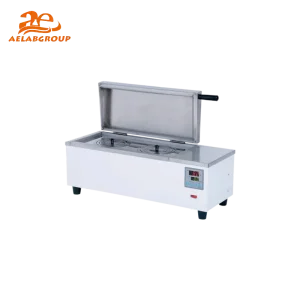
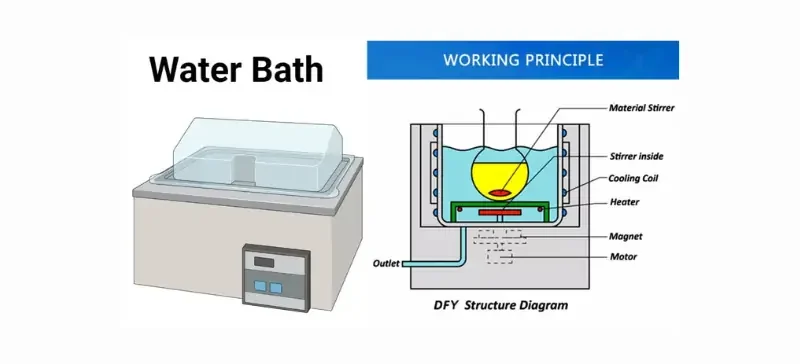
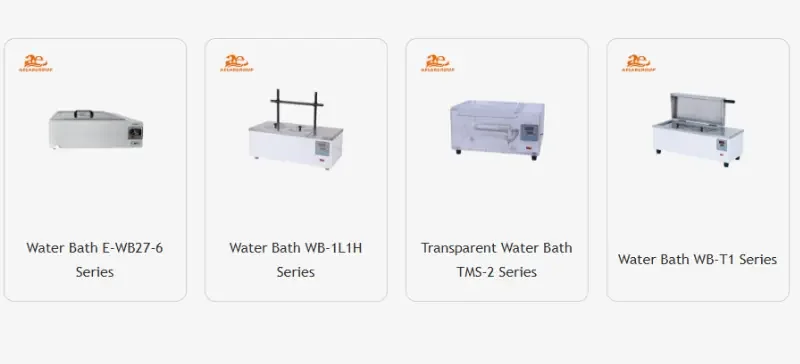
A water bath consists of a container filled with water, which is heated to a desired temperature. Water baths transfer heat indirectly and are particularly effective for gentle and uniform heating of samples, making them indispensable in many lab applications.
Core Differences Between Dry Baths and Water Baths
| Feature | Dry Bath | Water Bath |
|---|---|---|
| Heating Medium | Dry metal block | Heated water |
| Temperature Control | Precise and uniform | Stable but may fluctuate |
| Temperature Range | Up to 150°C or more | Limited to ~100°C |
| Heating Speed | Faster | Slower |
| Sample Contamination Risk | Minimal | Higher |
| Evaporation Risk | None | Yes |
| Maintenance | Low | Requires regular cleaning |
| Flexibility | Limited to tube sizes | Supports various container types |
Applications of Dry Baths in Laboratories
Molecular Biology and Genetic Research
Dry baths play a crucial role in processes such as DNA amplification, RNA extraction, enzyme digestion, and PCR sample preparation. The consistent heating ensures optimal conditions for these sensitive reactions.
Clinical and Diagnostic Laboratories
Used for blood serum analysis, coagulation studies, and other temperature-dependent diagnostic procedures, dry baths ensure contamination-free incubation.
Pharmaceutical and Biochemical Research
Dry baths support drug stability testing and biochemical reactions involving small sample volumes. Their precise heating is critical for compound synthesis and drug formulation.
Industrial and Chemical Applications
Dry baths are employed in petroleum analysis, environmental testing, and reagent heating in chemical labs, where dry, controlled heating is required.
Applications of Water Baths in Laboratories
Molecular Biology and Biochemical Research
Ideal for DNA denaturation, protein coagulation, enzyme activity studies, and maintaining optimal conditions for enzymatic reactions.
Microbiological and Cell Culture Studies
Water baths provide stable temperatures for microbial incubation and culture preparation.
Clinical and Diagnostic Applications
Common in histology, pathology, and blood banks for sample incubation, defrosting, and tissue processing.
Chemical and Pharmaceutical Research
Used for solubility studies, reagent preparation, evaporation, crystallization, and drug stability testing.
Food and Beverage Testing
Ensures uniform heating for microbial and enzyme activity studies in food safety testing.
Industrial and Environmental Applications
Used in petrochemical testing, water quality analysis (COD, BOD), and soil sample studies requiring temperature-controlled environments.
Choosing Between Dry Baths and Water Baths
Temperature Control and Stability
Water baths provide excellent uniformity, ideal for enzyme reactions and microbial incubation. Dry baths offer faster heating and can reach higher temperatures.
Sample Compatibility and Contamination Risks
Water baths work well with larger or irregular containers but pose contamination risks. Dry baths eliminate this risk and are better for sensitive applications.
Maintenance and Durability
Water baths require regular cleaning and monitoring. Dry baths are low maintenance with durable solid-state heating elements.
Flexibility and Sample Volume
Water baths accommodate more container types. Dry baths are precise for smaller, tube-based samples with specific inserts.
Frequently Asked Questions
Can a dry bath replace a water bath?
Sometimes. Dry baths are ideal for applications requiring contamination-free environments, while water baths are better for delicate and larger sample heating.
Are there hybrid options available?
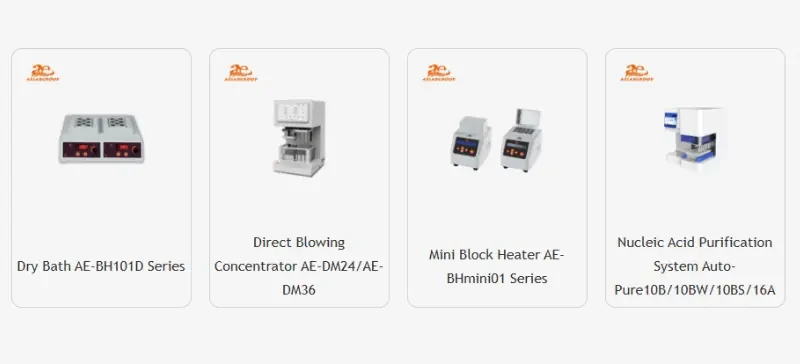
Yes, modern models offer interchangeable heating blocks or water-compatible modules for versatile use.
Final Thoughts
When to Choose a Dry Bath:
Contamination-sensitive tasks (e.g., molecular biology)
Applications needing temperatures above 100°C
Fast heating and minimal maintenance required
When to Choose a Water Bath:
Uniform heating of liquid-based or large samples
Gentle heating for enzymes and cultures
Flexibility in sample container types
Both dry baths and water baths are essential laboratory tools. Choosing the right one depends on temperature needs, sample types, maintenance constraints, and contamination concerns. AELAB offers advanced, reliable solutions tailored to modern laboratory demands.