Introduction
In laboratories where precision and consistency are key, tube rotators play a critical role in ensuring uniform mixing of samples. Whether you’re a lab technician or a procurement specialist looking to make an informed purchase, understanding tube rotators—how they work, their types, and where they’re used—is crucial.
What is a Tube Rotator?
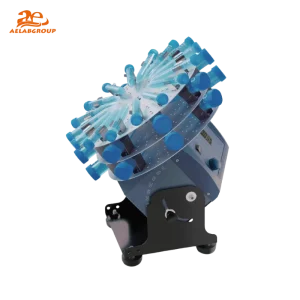
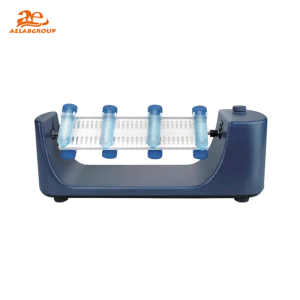
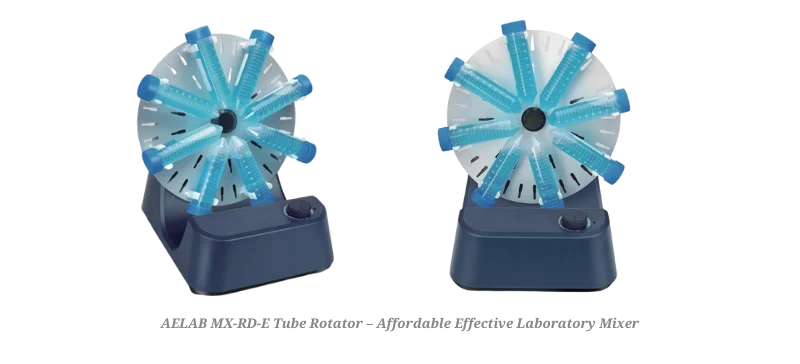
A tube rotator is a piece of laboratory equipment designed to rotate tubes containing liquids at a consistent speed and motion. This ensures even mixing without causing damage to sensitive samples. They are commonly used in applications such as cell culture, DNA extraction, and blood sample processing.
Types of Tube Rotators
Choosing the right type of tube rotator depends on your specific lab requirements. Here are the main types:
Fixed-Speed Rotators: Provide a constant speed; ideal for standard procedures.
Variable-Speed Rotators: Allow control over mixing intensity; better for sensitive samples.
Vertical Rotators: Tubes are held vertically and rotate around a horizontal axis.
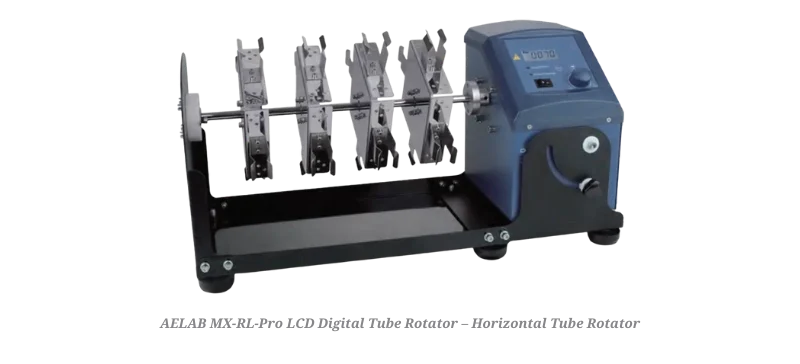
Horizontal Rotators: Rotate tubes horizontally, ideal for blood sample mixing.
Orbital Rotators: Combine rotation and orbital motion for more complex mixing.
Applications of Tube Rotators
Tube rotators are used across various laboratory fields, including:
Clinical and diagnostic labs
Biotechnology and pharmaceutical research
Molecular biology and microbiology labs
Food and environmental testing labs

Benefits of Using Tube Rotators
In the section below, we outline the key benefits of using tube rotators in laboratory settings
The device ensures uniform sample mixing
The tube rotator reduces the risk of sample contamination
The machine handles multiple tubes at the same time
Using the tube rotator saves time and reduces manual effort
The rotator minimizes degradation by preventing excessive shaking

How to Use a Tube Rotator
Using a tube rotator is simple but requires careful setup for optimal results:
Select the appropriate rotator type and speed setting.
Secure the tubes in the rotor slots evenly to maintain balance.
Set the timer and start the rotation.
Monitor periodically for any signs of imbalance or overheating.
Tube Rotator vs. Vortex Mixer
While both mix samples, a tube rotator offers gentle, continuous mixing ideal for long durations. A vortex mixer, on the other hand, provides intense, short-term agitation. The choice depends on the sensitivity and type of your sample.
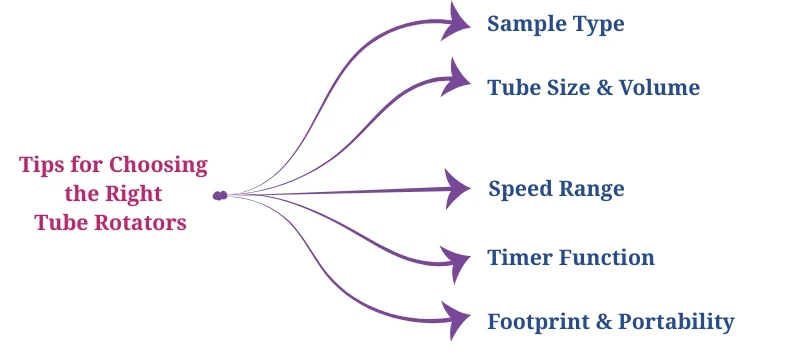
Tips for Choosing the Right Tube Rotators for Your Lab Needs
Sample Type: Consider whether your samples are sensitive or require strong mixing.
Tube Size & Volume: Make sure the rotator accommodates your tube dimensions.
Speed Range: Variable speed gives more control over mixing.
Timer Function: Helps automate processes.
Footprint & Portability: Choose compact models for smaller labs.
Conclusion & CTA
Tube rotators are essential tools for any lab focused on efficiency and accuracy. By choosing the right type and understanding their proper use, you can significantly enhance your laboratory processes.
👉 Looking to upgrade your lab equipment? Explore top-rated tube rotators from trusted brands and compare features before making a decision.