

Introduction
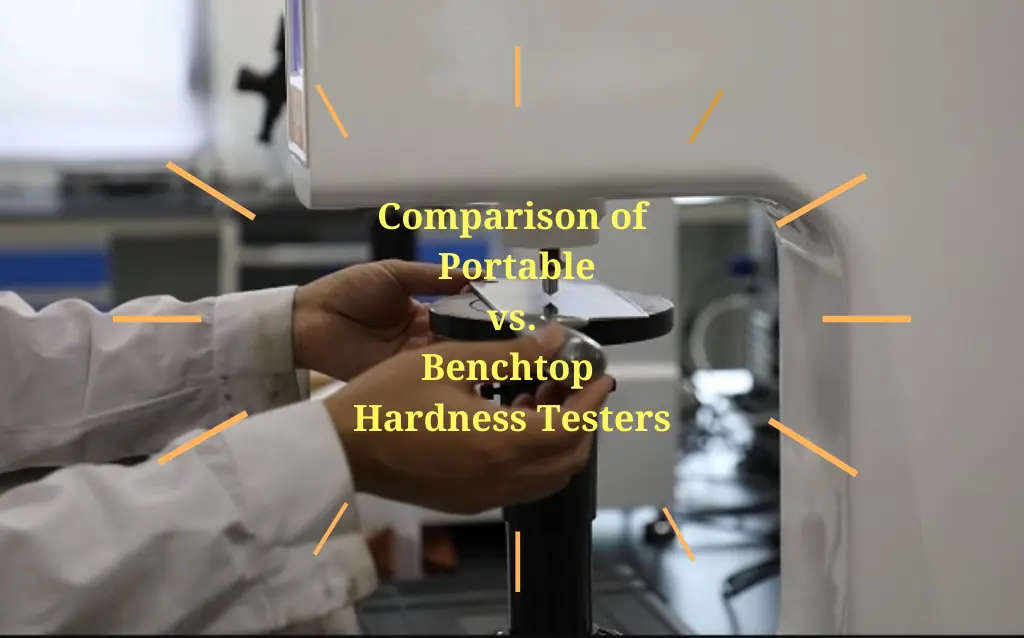
Hardness testing plays a vital role in material evaluation, ensuring the strength, durability, and reliability of metals, plastics, and composites across industries. Two major categories dominate the market: portable hardness testers and benchtop hardness testers. Each offers distinct advantages based on testing location, accuracy requirements, and budget. This article provides an integrated comparison to help you determine which device best suits your needs.

Overview: What Are Portable and Benchtop Hardness Testers?
Portable Hardness Testers
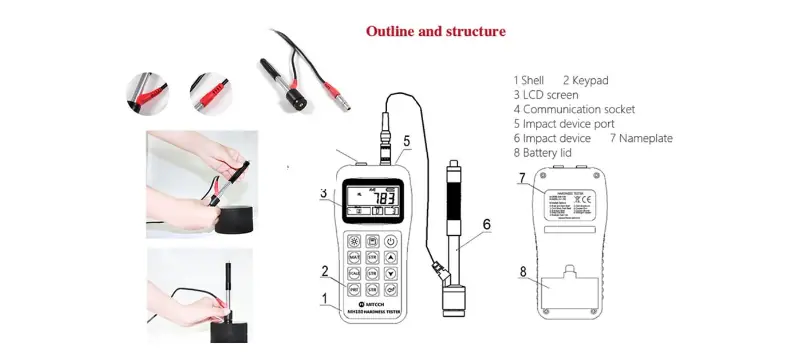
Compact and lightweight, portable testers are designed for in-field or on-site applications where transporting samples to a lab is impractical. Ideal for large, immovable, or assembled components—such as pipelines, bridges, or machinery—they enable fast, non-destructive evaluations.Benchtop Hardness Testers
Stationary instruments used in labs or quality control departments, benchtop testers are built for high-precision and repeatable testing. These are essential for applications requiring certified results and compliance with standards such as ASTM or ISO.
Comparison of Hardness Testing Methods
| Device Type | Common Methods | Ideal Applications |
|---|---|---|
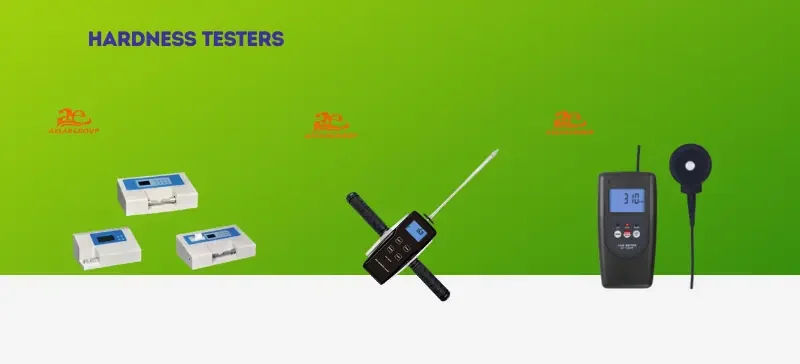
| Portable | Leeb (Rebound), UCI, Portable Rockwell, Portable Brinell | Large or immovable components, in-field inspections |
| Benchtop | Rockwell, Brinell, Vickers, Knoop, Microhardness | Laboratory samples, metallurgical testing, certified assessments |
Key Differences Between Portable and Benchtop Testers
| Factor | Portable Testers | Benchtop Testers |
|---|
| Mobility | Lightweight, ideal for field use | Fixed systems for lab or production environments |
| Accuracy | Good for quick evaluations, influenced by surface conditions | High precision and repeatability under controlled conditions |
| Ease of Use | Simple operation, minimal training required | Requires trained operators and more setup time |
| Surface Sensitivity | Affected by curved or rough surfaces | Best for flat, polished surfaces |
| Testing Methods | Leeb, UCI, portable Rockwell, etc. | Full range: Rockwell, Brinell, Vickers, Knoop, Micro |
| Cost | Lower upfront cost, minimal maintenance | Higher investment, but long-term value and durability |
How to Choose the Right Hardness Tester
Testing Environment
Choose portable testers for on-site, industrial, or construction environments.
Choose benchtop testers for clean, controlled lab environments.
Accuracy and Certification Requirements
For certified testing and regulatory compliance, benchtop models are essential.
Portable devices are ideal for quick checks and preliminary evaluations.
Sample Size and Geometry
Use portable testers for large, assembled, or irregular parts.
Use benchtop testers for small, flat, and uniform samples.
Budget and Operational Needs
Portable units are budget-friendly and easy to maintain.
Benchtop units are more expensive but deliver superior long-term precision.
Common Types of Testers
Portable Testers
Leeb (Rebound): Fast testing for heavy components
UCI (Ultrasonic Contact Impedance): Accurate on thin materials
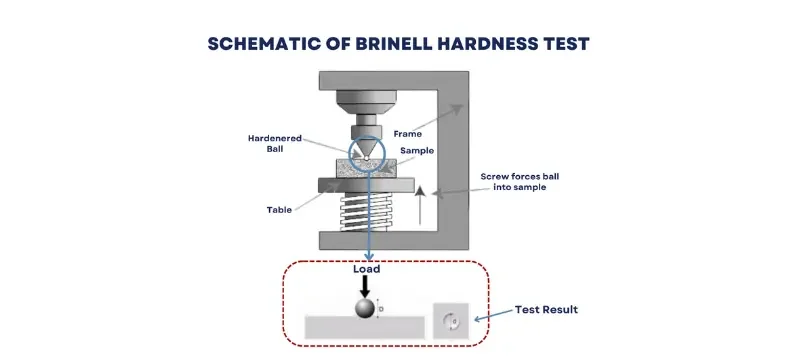
Portable Rockwell/Brinell: Useful for field inspections
Combination Devices: Combine multiple methods for versatile use
Benchtop Testers
Rockwell: Quick and standard for automotive and metallurgy
Brinell: Best for coarse materials like castings
Vickers & Knoop: High-precision for coatings and fine structures
Microhardness: For delicate components like electronics and medical devices
Conclusion
Both portable and benchtop hardness testers serve vital roles in modern material testing. Portable testers offer unmatched flexibility, speed, and cost-effectiveness for fieldwork and rapid assessments. Benchtop testers remain the gold standard for precision, repeatability, and certified results in controlled environments.
For industries that require both mobility and high precision, a hybrid approach—employing both types—ensures thorough quality control and material reliability from factory floor to field operation.