

Introduction
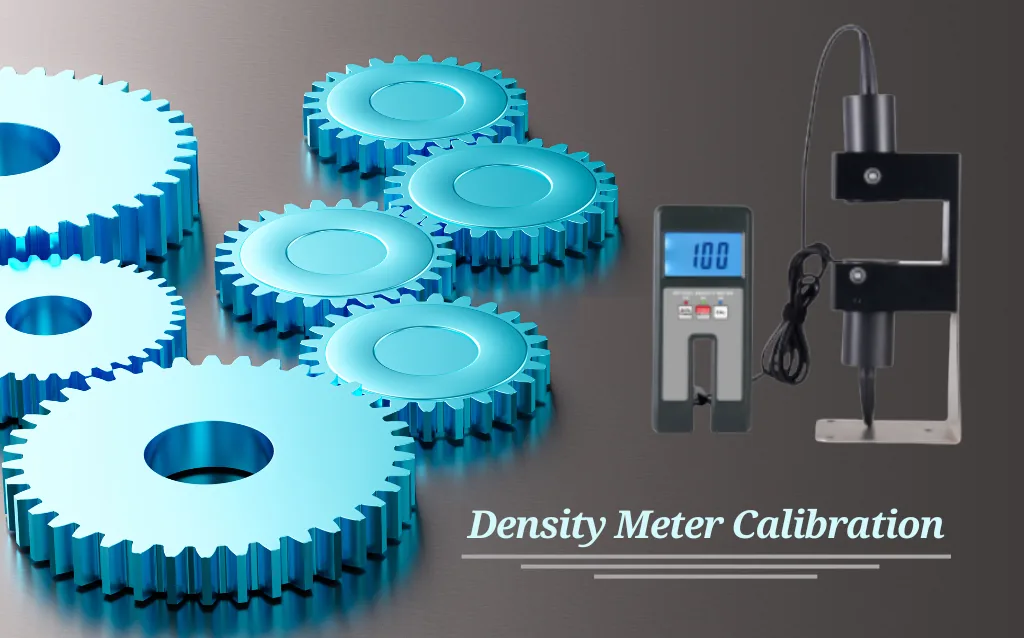
Density meters are essential tools across industries such as pharmaceuticals, petrochemicals, food processing, and environmental monitoring. Whether you’re operating a lab or managing industrial processes, accurate density measurements—and regular density meter calibration—are critical for ensuring product quality, regulatory compliance, and operational efficiency.
However, like any precision instrument, density meters may drift over time due to temperature variations, mechanical wear, or environmental factors. That’s why routine density meter calibration is crucial to maintain consistent and precise readings.
This comprehensive guide explores how density meters work, effective calibration techniques, international standards, and best practices to help maintain long-term accuracy for all users of lab-grade and industrial density meters.
How Density Meters Work: Key Principles
1. Buoyancy-Based (Hydrometer Type)
Utilizes Archimedes’ Principle. A float submerged in a liquid experiences a buoyant force that directly correlates to the fluid’s density.
2. Vibrating Tube Technology (Oscillating Element)
A U-shaped tube filled with fluid vibrates. Changes in its natural frequency are proportional to the density of the liquid.
3. Additional Methods
Differential Pressure Meters: Measure pressure difference across a column of fluid.
Gamma Ray Meters: Use radiation absorption to determine density (common in oil & gas).
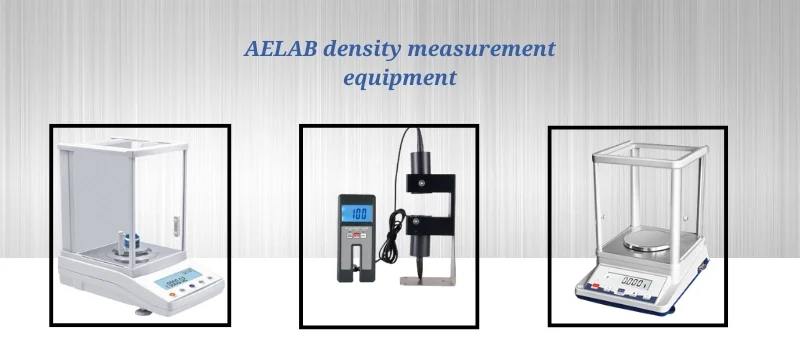
Key Density Meter Calibration Methods for Accuracy
1. Using Certified Reference Materials (CRMs)
Offer traceable, internationally accepted density values.
Ensure compatibility with your instrument’s range.
Best for high-precision environments like pharma and chemical QC labs.
2. Calibration with Standard Liquids
Use well-known fluids like distilled water or ethanol.
Match the calibration liquid’s properties to your typical sample.
Keep the temperature stable and controlled.
3. Two-Point & Multi-Point Calibration
Two-point: Calibrates at the high and low ends of expected density range.
Multi-point: Recommended for non-linear systems and broader ranges.
4. Temperature Compensation Calibration
Perform calibration at various temperatures.
Use Automatic Temperature Control (ATC) or manual correction curves.
Critical for fluids with thermal expansion sensitivity.
5. Dynamic Calibration with Flowing Fluids
Ideal for inline or continuous industrial processes.
Requires a stable flow system and reference fluid.
Supports real-time accuracy for AELAB industrial meters.
6. Calibration Under Special Conditions
High pressure, humidity, or altitudes can distort readings.
Tailor calibration settings to reflect real-world conditions.
Always document modifications and results.
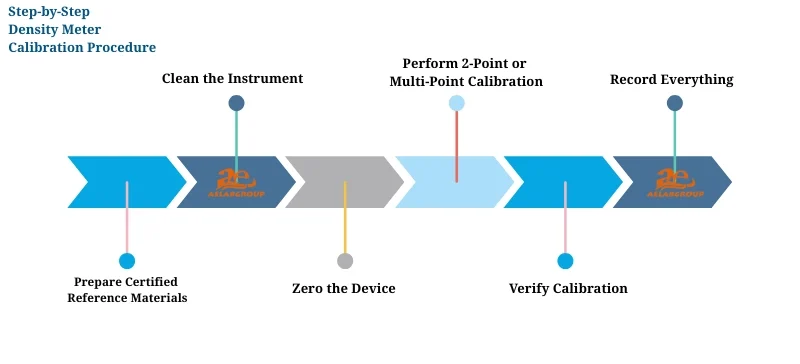
Step-by-Step Density Meter Calibration Procedure
Prepare Certified Reference Materials
Ensure traceability and proper storage conditions.Clean the Instrument
Remove residues or contaminants; inspect for mechanical wear.Zero the Device
Use air or a low-density fluid as a reference point.Perform 2-Point or Multi-Point Calibration
Match actual readings to reference values; apply correction.Verify Calibration
Cross-check with another fluid or independent meter.Record Everything
Include environmental conditions, reference materials, and any adjustments.
Density Meter Calibration Standards to Follow
ISO 15212-1:2002 – For oscillation-type density meters
ASTM D7777 – Density via oscillating U-tube method
JJG 42-2001 – Calibration of glass hydrometers (China)
JJG 1058-2010 – For vibrating-type liquid density meters
Always use ISO/IEC 17025-certified calibration labs to ensure traceability and compliance.
How Often Do You Need Density Meter Calibration?
| Usage Scenario | Recommended Calibration Frequency |
|---|---|
| Standard Laboratory Use | Every 6–12 months |
| High-Precision Applications | Monthly or Quarterly |
| Multi-Shift / Heavy Use | Daily or per shift (verification) |
| After Repairs or Adjustments | Immediately |
| Before Critical Measurements | Prior to each test |
Tip: Even if recalibration isn’t needed daily, always verify with reference fluid (±0.02 density units tolerance).
Common Calibration Issues and Solutions
| Issue | Solution |
|---|---|
| Temperature fluctuation | Use thermostatic baths or digital compensation |
| High viscosity fluids | Use matched reference fluids; apply correction factors |
| Air bubbles in sample | Degas samples before testing |
| Mechanical wear or drift | Schedule regular maintenance and sensor checks |
| Signal interference | Isolate calibration setup from EMF or vibration |
Modern Advances in Calibration Technology
Automated Calibration Systems: Faster, error-free, and repeatable
Smart Diagnostics: Predictive alerts for maintenance or recalibration
In-situ Calibration: No need to remove the device from production line
Advanced CRMs: Ultra-stable materials improve traceability
Best Practices for Density Meter Calibration
Follow a structured calibration schedule based on usage.
Always use calibration standards traceable to ISO or ASTM.
Train personnel in basic calibration, troubleshooting, and maintenance.
Keep detailed logs for audits, troubleshooting, and quality assurance.
Integrate calibration reports into your QMS (Quality Management System).
Conclusion: Calibration is Not Optional — It’s Strategic
Density meter calibration isn’t just a routine task—it’s essential for ensuring measurement accuracy, regulatory compliance, and long-term system reliability. By applying correct calibration methods:
You improve operational efficiency
You minimize costly errors and unexpected downtime
You maintain data accuracy, consistency, and audit readiness
To achieve optimal results, tailor your density meter calibration process to match your operational objectives, sample types, and instrument capabilities. This ensures maximum performance and measurement confidence in both laboratory and industrial environments.