

Introduction
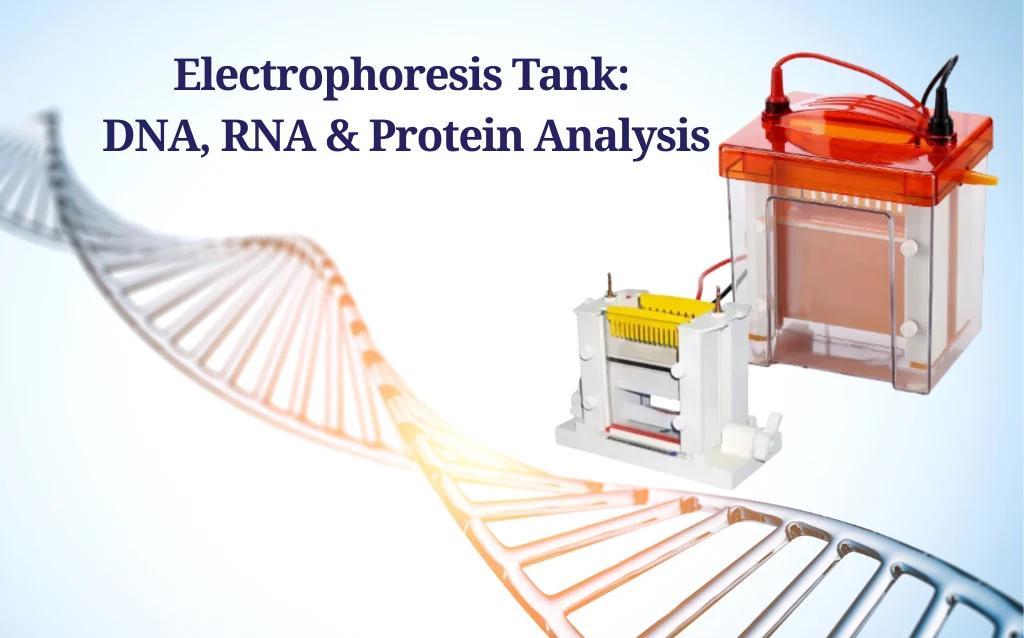
Electrophoresis is a fundamental laboratory technique used to separate and analyze biological molecules such as DNA, RNA, and proteins, often performed using an Electrophoresis Tank for accurate results. By exploiting differences in molecular size, charge, and shape, electrophoresis provides a high-resolution method for molecular characterization. It is widely used in genetics, molecular biology, forensic science, medical diagnostics, and biotechnology.
At the heart of this process is the AELAB electrophoresis tank, a critical piece of laboratory equipment that ensures precise and reproducible results. Understanding its design, function, and best practices can dramatically improve experimental outcomes.
How Electrophoresis Works
Electrophoresis separates molecules under an electric field. The movement is influenced by several factors:
1. Charge
Negatively charged molecules like DNA migrate toward the positive electrode (anode), while positively charged molecules move toward the negative electrode (cathode).
2. Size
Smaller molecules move faster through the gel matrix than larger ones.
3. Shape
Linear, compact, or branched molecules migrate differently depending on their conformation.
4. Medium
Commonly used media include agaroseandpolyacrylamide gels, which act as molecular sieves to slow larger molecules.
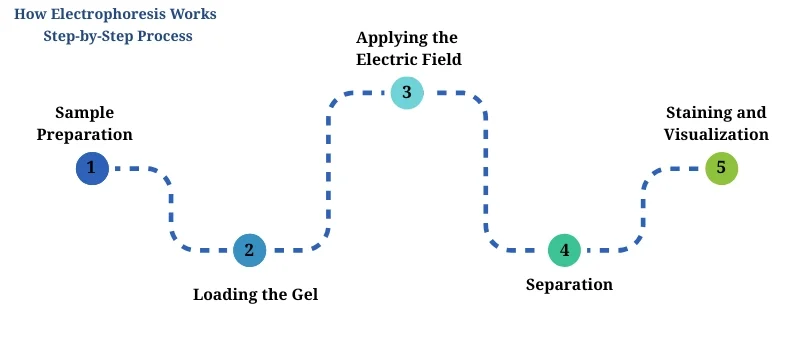
Step-by-Step Process
Sample Preparation: Mix molecules with a buffer to maintain pH and conductivity.
Loading the Gel: Pipette samples into wells in the gel.
Applying the Electric Field: Use the AELAB electrophoresis tank with a controlled power supply.
Separation: Molecules migrate based on size, charge, and shape.
Staining and Visualization: Specialized dyes, such as ethidium bromide or Coomassie Blue, allow visualization under UV light.
What is an Electrophoresis Tank?
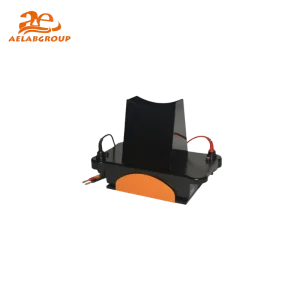
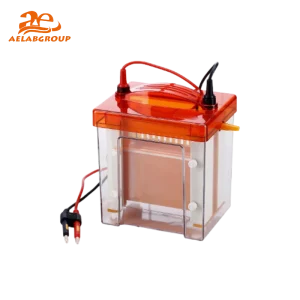
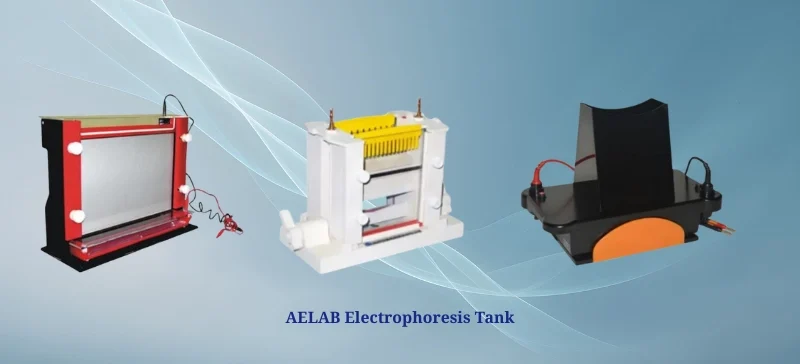
An AELAB electrophoresis tank is a specialized laboratory apparatus designed to hold gels and buffer solutions while an electric field is applied. This setup enables the separation of charged molecules like DNA, RNA, or proteins according to size and charge.
Key Components of an Electrophoresis Tank
Gel Tray: Holds agarose or polyacrylamide gels.
Electrodes: Usually made of platinum or carbon, connected to a power supply.
Buffer Chamber: Contains the conductive buffer to allow current flow.
Lid and Safety Features: Protects users from electric shocks and prevents contamination.
Advantages of Using an AELAB Electrophoresis Tank
Precision and Reproducibility: High-quality separation of molecules.
Versatility: Compatible with DNA, RNA, and proteins.
Ease of Use: Modern tanks include leak-proof designs and cooling systems.
Scalability: Suitable for both small-scale experiments and preparative separations.
Potential Limitations
Requires careful handling to avoid electrical hazards.
Voltage and run time must be optimized to prevent overheating.
Applications of Electrophoresis
Electrophoresis Tank is a key tool in science, enabling applications in genetics, forensics, diagnostics, and biotechnology.
Genetic Research: Visualization of DNA fragments for PCR, genome mapping, and mutation detection.
Forensic Science: DNA fingerprinting, paternity testing, and crime scene investigation.
Medical Diagnostics: Hemoglobin electrophoresis for sickle cell anemia, protein analysis for multiple myeloma.
Biotechnology: Purification and analysis of DNA, RNA, and proteins for genetic engineering and drug development.
Expert Tips for Optimal Results of Electrophoresis Tank
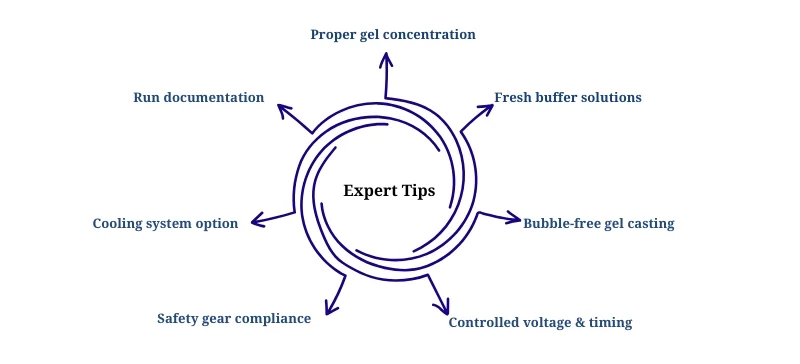
Select the right gel concentration for your molecules.
Use fresh buffers to maintain separation quality.
Avoid air bubbles in the gel.
Monitor voltage and time carefully.
Follow safety protocols with gloves and protective eyewear.
Document every run for reproducibility.
Consider tanks with cooling systems for high-voltage runs.
Comparing Electrophoresis Tanks
| Tank Type | Best Use Case | Pros | Cons |
|---|---|---|---|
| Horizontal Agarose Tank | DNA and RNA separation | Easy setup, good for large gels | Not ideal for proteins |
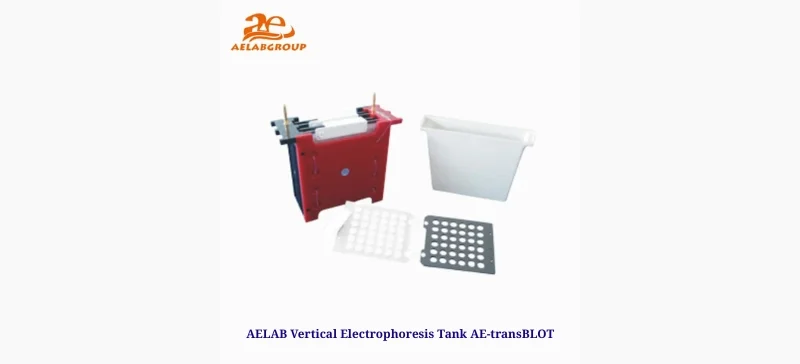
| Vertical Polyacrylamide Tank | Protein separation (SDS-PAGE) | High resolution | Complex setup |
| Mini Gel Tank | Quick experiments and teaching labs | Compact and inexpensive | Limited sample capacity |
| Large/Multiplex Tank | Preparative/high-throughput applications | Handles multiple gels | More buffer required |
Conclusion
The AELAB electrophoresis tank is a versatile and indispensable tool for molecular biology, biotechnology, forensic science, and medical diagnostics. By separating molecules based on size, charge, and shape, it enables accurate and reproducible analysis of DNA, RNA, and proteins.
Upgrade your lab today with AELAB electrophoresis tanks to achieve precision, efficiency, and reliability in every experiment!