

Comprehensive Guide on Paraffin Dispensers: A Key Tool in Histology Laboratories
Paraffin dispensers are essential devices used in histology and pathology laboratories. They are designed to melt solid paraffin wax and keep it in a molten state, providing a continuous supply for embedding tissue samples. By ensuring a consistent flow and accurate temperature control, paraffin dispensers play a critical role in preparing tissue samples for microscopic examination.
Importance of Paraffin Dispensers
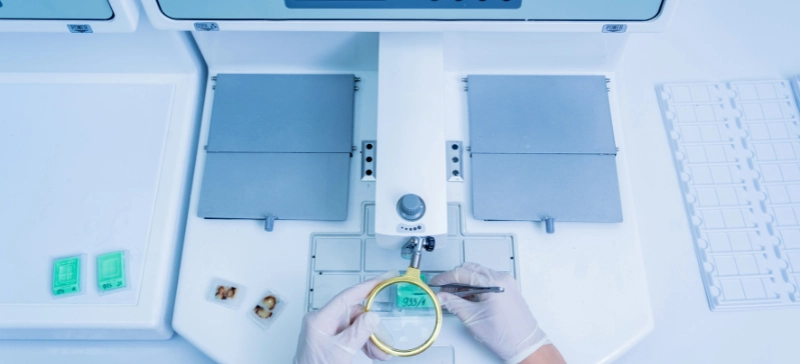
These devices are crucial for embedding tissue samples in paraffin, a process that preserves the samples and prepares them for sectioning. The ability to maintain paraffin at the right temperature ensures the integrity of the samples, preventing degradation or damage during the embedding process. The dispensers also help in minimizing wax waste and ensuring that the process runs efficiently.
Key Features of Paraffin Dispensers
Precise Temperature Control
Accurate temperature regulation is vital for melting paraffin wax at the right temperature. Most dispensers feature digital controls, allowing laboratory professionals to adjust the temperature with precision. The optimal temperature range for paraffin dispensers is typically between 45°C and 70°C. Maintaining this range ensures that the paraffin remains fluid, making the embedding process more efficient.
Heated Dispensing Nozzle
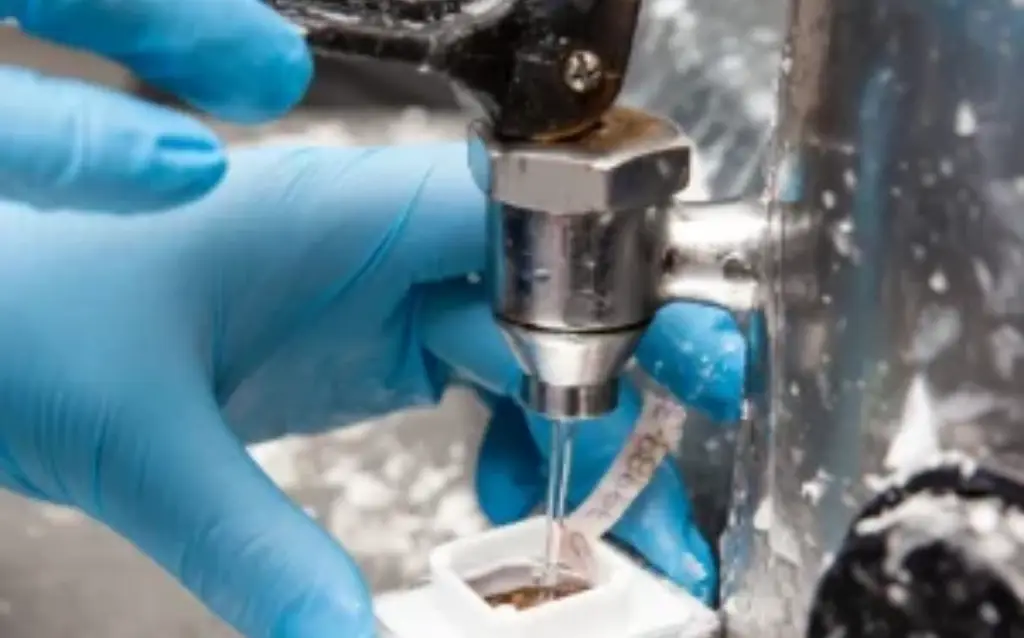
A key feature of modern paraffin dispensers is the heated dispensing nozzle. This prevents the paraffin from solidifying during the dispensing process. The heated nozzle ensures a smooth flow, making it easy to transfer the molten paraffin into embedding molds or other containers without interruption.
Ergonomic Design
Ergonomically designed paraffin dispensers enhance user comfort, especially during extended use. A comfortable device can significantly improve workflow in laboratories where these dispensers are used regularly. The design often includes features such as adjustable height and easy-to-use interfaces to minimize user strain.
Efficient Flow and Minimal Waste
Paraffin dispensers are engineered to provide a consistent flow of molten paraffin, which reduces wastage. The precision of the dispenser ensures that the exact amount of wax is dispensed each time, making the process more economical and reducing unnecessary consumption of paraffin.
Safety Features
Safety is a primary concern when working with molten materials like paraffin. Paraffin dispensers typically come with multiple safety features, including temperature cut-off to prevent overheating, fully insulated tanks to avoid heat loss, and anti-bacterial coatings on the external surfaces. These features help maintain safe operating conditions while ensuring optimal performance.
Applications of Paraffin Dispensers
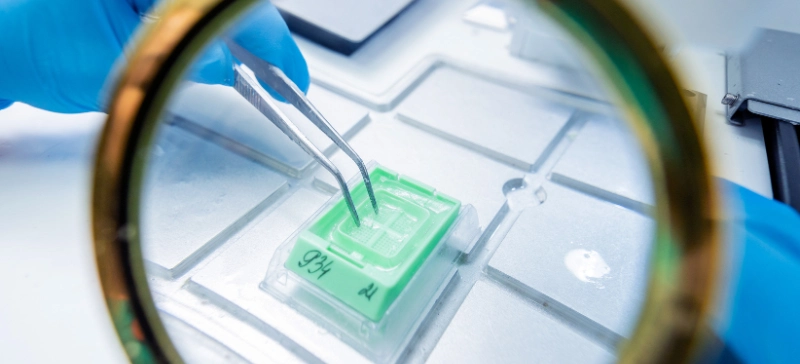
Paraffin dispensers are primarily used in histopathology labs for preparing tissue samples for microscopic analysis. They are essential for embedding biological samples in paraffin wax, which preserves the tissue structure and prevents degradation. Additionally, they are used in forensic medicine and anatomical studies, where precise tissue embedding is required.
In high-volume laboratories, they help streamline the embedding process by ensuring a constant supply of molten wax, which speeds up workflow and increases efficiency. The ability to handle large quantities of wax also makes these devices essential for labs with high throughput.
Benefits of Using Paraffin Dispensers
Enhanced Workflow
With automatic temperature control and efficient wax melting, dispensers reduce the time required for tissue embedding. Laboratories can process more samples in less time, improving overall productivity.
Improved Accuracy
The precise control over temperature ensures that the paraffin remains in the ideal state for embedding, preventing issues related to over-heating or solidification.
Reduced Waste
Dispensers minimize the amount of paraffin users waste, making the process more cost-effective and environmentally friendl
Safety and Convenience
Features like safety shut-offs, anti-drip valves, and ergonomic designs ensure a safer, easier experience for users.
Related Products for Paraffin Wax and Tissue Embedding
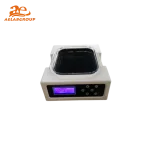
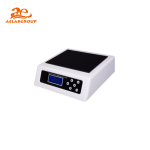
Highlighting the AELAB Paraffin Dispenser YD-C: Efficient and Precise Sample Preparation
One example of such a device is the Paraffin Dispenser YD-C, which offers precise temperature control and a heated dispensing nozzle. This device is ideal for preparing tissue samples for microscopic examination, ensuring a smooth and efficient embedding process. With a 6L capacity and an ergonomic design, the YD-C allows for extended use without discomfort. The heated nozzle prevents solidification, ensuring a consistent flow of molten paraffin, minimizing waste and optimizing the workflow in the laboratory.

Conclusion
Paraffin dispensers are indispensable tools in histology and pathology labs, ensuring that tissue samples are prepared accurately and efficiently. The precise temperature control, ergonomic design, and safety features of modern dispensers make them an essential part of any laboratory’s workflow. By minimizing waste and improving accuracy, paraffin dispensers contribute significantly to high-quality results in research and diagnostics.