

Introduction
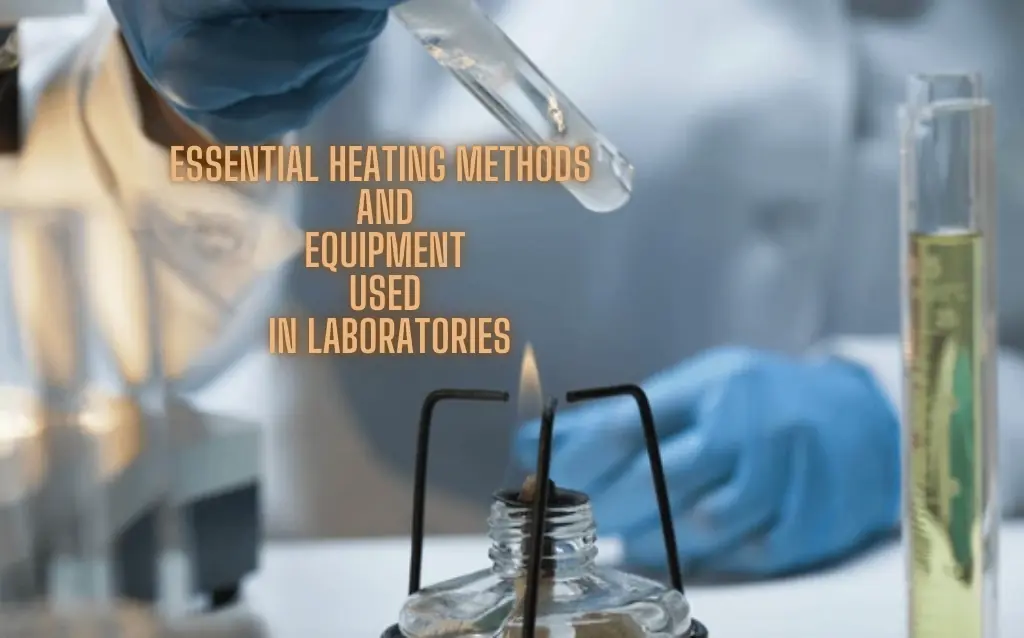
Heating is a core operation in laboratory environments, supporting critical tasks such as chemical reactions, distillation, sterilization, drying, and material synthesis. The choice of heating method and equipment directly influences the reliability, efficiency, and safety of experimental procedures.
With heating accounting for up to 35% of laboratory energy consumption, selecting the appropriate technology not only enhances scientific outcomes but also contributes to cost-effectiveness and risk reduction.
Types of Laboratory Heating Methods
1. Direct Heating
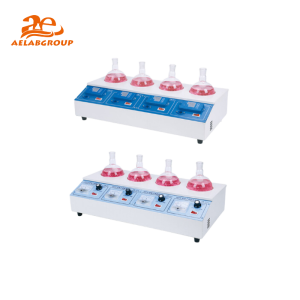
Direct heating applies heat directly to the vessel or sample using open flames or contact heating. It’s ideal for fast, high-intensity applications but comes with limitations in temperature control and safety.
Common Equipment:
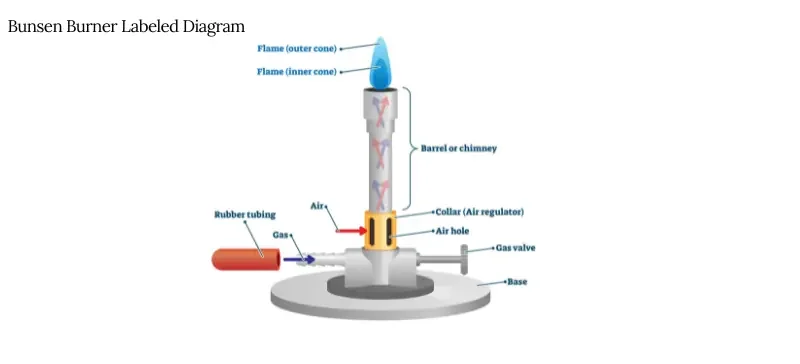
Bunsen burner
Alcohol lamp
Hot air gun
Hot plate
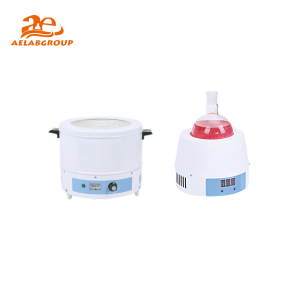
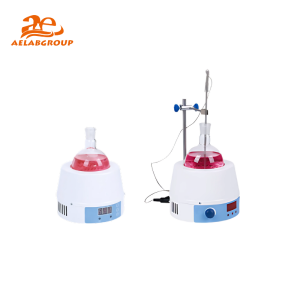
Heating mantle
Advantages:
Fast and straightforward
Low initial cost
Disadvantages:
High fire hazard
Poor temperature uniformity
Limited control precision
2. Indirect Heating
This method uses a medium (liquid, sand, or solid) to transfer heat more evenly and safely to the sample. It is preferred when working with sensitive or flammable substances.
Common Equipment:
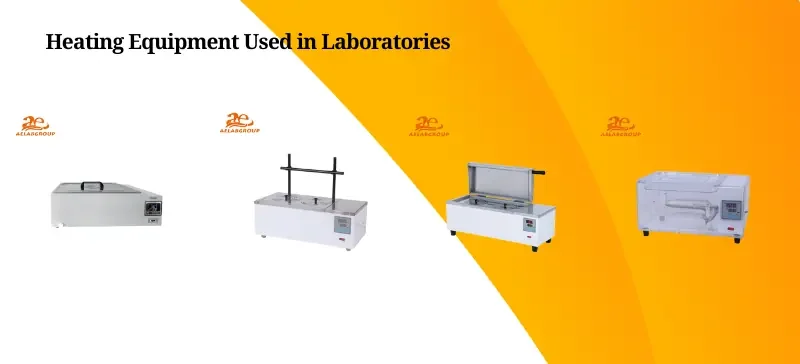
Water bath
Oil bath
Sand or salt bath
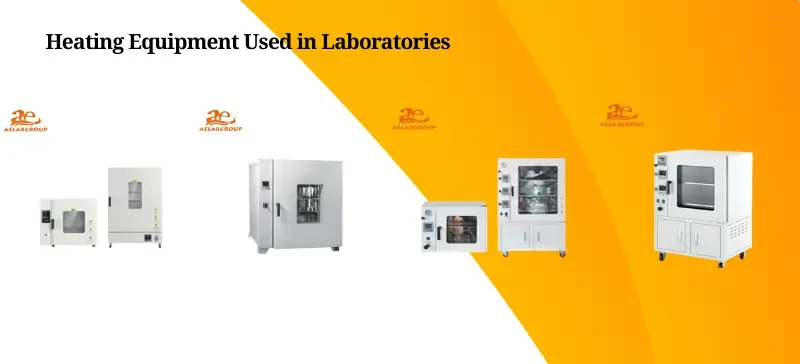
Laboratory oven
Advantages:
Improved temperature stability
Safer for volatile samples
Disadvantages:
Slower heating
Medium maintenance required
3. Advanced Heating Technologies
Advanced methods use specialized technologies for faster heating, precise control, or extreme temperatures.
Common Equipment:
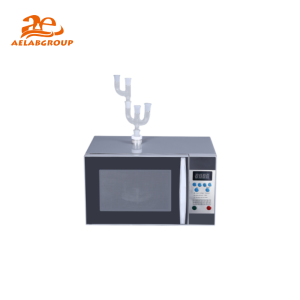
Microwave reactor
Infrared heater
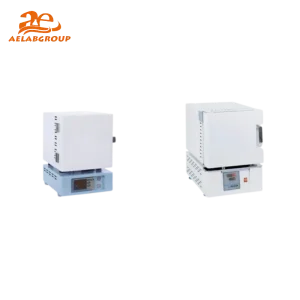
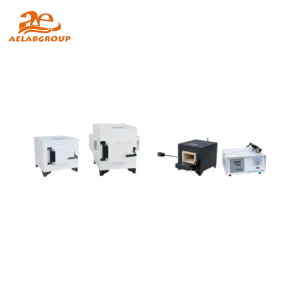
Muffle and tube furnaces
Advantages:
High efficiency and accuracy
Suitable for sophisticated and high-temperature tasks
Disadvantages:
Higher equipment cost
Greater complexity in operation
Comparison Table: Laboratory Heating Equipment
| Equipment | Heating Type | Temp. Range | Control Accuracy | Common Applications | Key Safety Notes |
|---|---|---|---|---|---|
| Bunsen Burner | Flame (Direct) | Up to ~1500°C | ±50°C | Sterilization, boiling | High fire risk, restricted in many labs |
| Hot Plate | Conduction (Direct) | Up to ~450°C | ±1°C | Heating beakers and flasks | Keep away from flammable solvents; check for sparks |
| Heating Mantle | Radiative (Direct) | Up to ~450°C | ±5°C | Distillation, reflux | Use with autotransformer; inspect insulation |
| Water Bath | Liquid Conduction | Up to ~100°C | ±0.1°C | Biochemical reactions | Monitor water level; no volatile substances |
| Oil Bath | Liquid Conduction | Up to ~300°C | ±0.5°C | Organic synthesis | Stir regularly; avoid spills and overfilling |
| Sand/Salt Bath | Solid Conduction | Up to ~425°C | ±2°C | Uniform heating | Keep dry; prevent splashing |
| Laboratory Oven | Forced Convection | 50–300°C | ±2°C | Drying, curing, sterilization | Ensure ventilation; avoid volatile organics |
| Muffle Furnace | Radiative (Advanced) | Up to ~1800°C | ±5°C | Ashing, sintering | Gradual heating recommended; proper exhaust required |
| Microwave Reactor | Microwave Radiation | RT–300°C | ±2°C | Synthesis, digestion | Lab-grade only; no sealed or metallic containers |
| Infrared Heater | IR Radiation | RT–800°C | ±10°C | Surface heating, polymer curing | Avoid direct skin/eye exposure |
RT = Room Temperature (~20–25°C)
Equipment Selection Guidelines
Choosing the right heating device depends on multiple factors:
Temperature Range: High-temperature processes (e.g., sintering) require furnaces; moderate tasks suit hot plates or water baths.
Uniformity Requirements: Critical for nanomaterials and biological assays.
Sample Type: Volatile or flammable materials require indirect heating. Avoid metals in microwaves.
Budget and Energy Efficiency: Advanced methods like microwave reactors may cost more upfront but offer long-term savings and precision.
Best Fit by Lab Type
| Laboratory Type | Recommended Equipment |
|---|
| Chemical Labs | Microwave reactors, heating mantles |
| Biological Labs | Water baths, incubators |
| Materials Science | Tube furnaces, hot presses |
| Clinical Labs | Water baths, CO₂ incubators |
| Analytical Labs | Vacuum ovens, muffle furnaces |
Safety Guidelines for Laboratory Heating
Heating is associated with nearly 22% of lab-related accidents. Implementing strict safety protocols is non-negotiable.
General Precautions
Inspect all equipment for wear, cracks, and contamination.
Use thermostats, thermometers, and safety shut-off devices.
Secure equipment on flat, stable surfaces.
Wear heat-resistant gloves and protective eyewear.
Device-Specific Tips
Oil Baths: Never overfill; stir frequently to avoid hotspots.
Water Baths: Do not use volatile chemicals; check water levels regularly.
Microwaves: Only use lab-grade units; never heat sealed containers.
Furnaces: Heat slowly (<10°C/min); provide adequate exhaust.
Flame Devices: Avoid near solvents; ensure fire extinguishers are nearby.
Emergency Protocols
Gas Leaks: Shut off valves immediately; ventilate with explosion-proof fans.
Fire in Oil Bath: Never use water—use a fire blanket or CO₂ extinguisher.
Burns or Exposure: Apply first aid and notify lab supervisor promptly.
Conclusion
Effective laboratory heating is more than just raising the temperature—it’s about precision, safety, and matching the right technology to your research needs. Whether using a classic Bunsen burner or a modern microwave reactor, understanding each method’s strengths and limitations is vital.