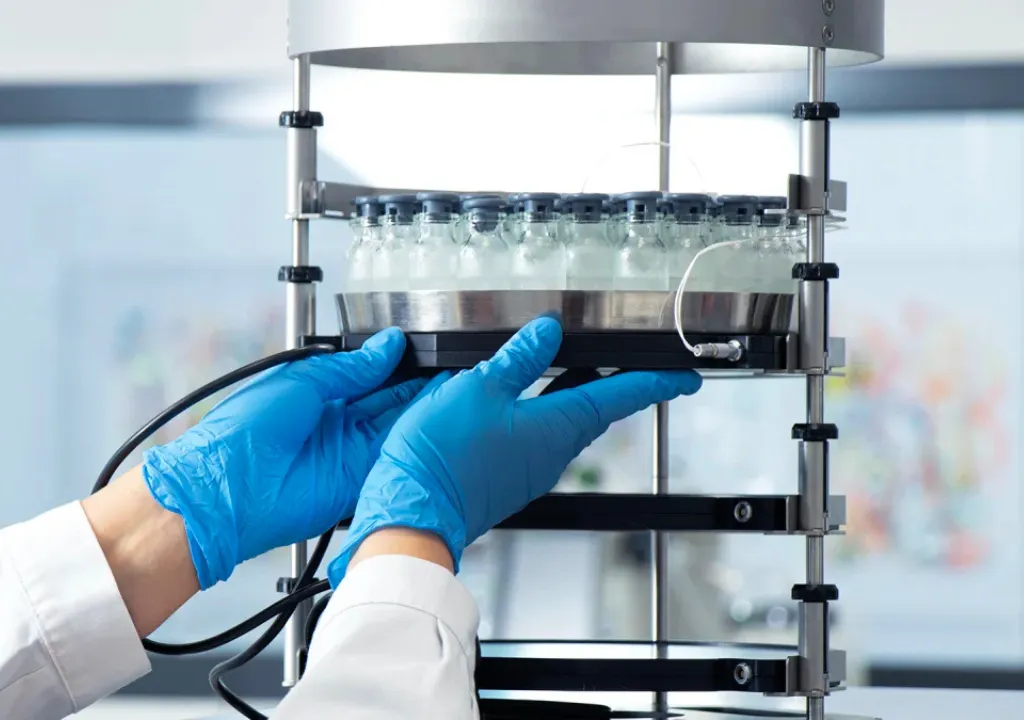
Freeze Drying: A Scientific Overview and Practical Insights
Freeze drying, also known as lyophilization, is an advanced preservation technique used to maintain biological, pharmaceutical, food, and other sensitive materials. The process begins by freezing the material, followed by applying a vacuum that sublimates the ice directly into vapor, bypassing the liquid phase. This method ensures that the material retains its original structure, nutrients, and activity while removing moisture.
In this article, we explore the scientific principles behind freeze drying, the common challenges associated with the process, and its applications in various industries. Additionally, we will introduce some of the freeze dryer models widely used in laboratories and industries today.
Scientific Principles of Freeze Drying
Freeze drying occurs in three essential stages:
-
Freezing
Initially, the material is frozen at very low temperatures, which helps preserve its cellular structure.
-
Primary Drying (Sublimation)
Under vacuum, the ice turns directly into vapor, significantly reducing the moisture content.
-
Secondary Drying (Desorption)
This phase further reduces any remaining moisture through mild heating, achieving the desired low moisture content.
Several factors influence the success of freeze drying, such as the vacuum level, temperature control, and drying duration. Therefore, understanding these parameters is crucial for achieving optimal results, especially when working with sensitive or valuable materials.
Applications of Freeze Drying
Freeze drying /lyophilization
Freeze drying offers numerous applications across different industries, especially those where maintaining the integrity of materials is critical:
- Pharmaceuticals: It is used extensively to preserve biological samples, vaccines, and injectable drugs that require long-term storage without degradation.
- Food Industry: Freeze drying helps preserve fruits, vegetables, and ready-to-eat meals. This process retains the food’s flavor, color, and nutritional value while making it lightweight and shelf-stable.
- Biotechnology: Freeze drying is employed to preserve enzymes, proteins, and other biological materials that need to be stored without degradation.
Challenges of Freeze Drying
Despite its benefits, freeze drying presents certain challenges:
- Cost: The equipment and operational costs can be high, particularly for large-scale operations.
- Time-Intensive: The process can be slow, especially when processing large batches.
- Energy Consumption: Freeze drying requires significant energy for cooling, heating, and maintaining the vacuum.
Optimizing Freeze Drying: Choosing the Right Equipment
To optimize freeze drying, it is essential to select equipment that suits your specific needs:
- Drying Capacity: Choose a model that can handle the required drying area and moisture-capturing capacity based on the scale of your operation.
- Temperature Control: Precise temperature regulation is crucial for preserving the quality of sensitive materials.
- Vacuum Efficiency: A low vacuum level is necessary for effective sublimation, but it must be controlled to avoid damaging the material.
- Automation and Controls: Automated systems enhance efficiency, ensure consistent results, and reduce the risk of errors.
AELab Freeze Dryers: Tailored Solutions for Different Needs
Several AELab freeze dryers offer tailored solutions for various industrial applications. Below are brief descriptions of some of the most popular models:
Silicon Oil Heating Freeze Dryer AE LGJ Series
Food & Pharmaceutical Vacuum Freeze Dryer AE-LYO Series
Freeze Dryer AE LGJ Series
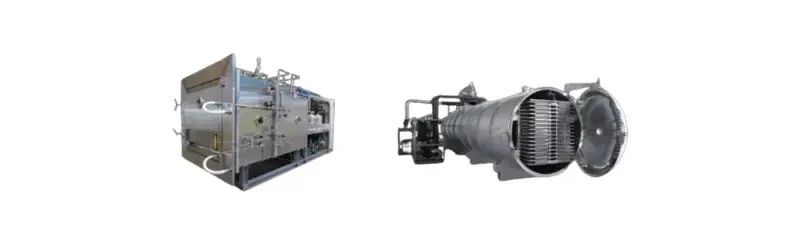
Food & Pharmaceutical Vacuum Freeze Dryer AE-LYO Series


Silicon Oil Heating Freeze Dryer AE LGJ Series
Conclusion
Freeze drying /lyophilization
Freeze drying is a powerful technique for preserving materials while retaining their structure and nutrients. By selecting the right equipment, such as those offered by AELab freeze dryers, you can optimize the freeze drying process to meet the specific needs of your operation. Understanding the principles, applications, challenges, and equipment options will help ensure successful outcomes, whether you are working in the food, pharmaceutical, or biotechnology industries.