

Introduction
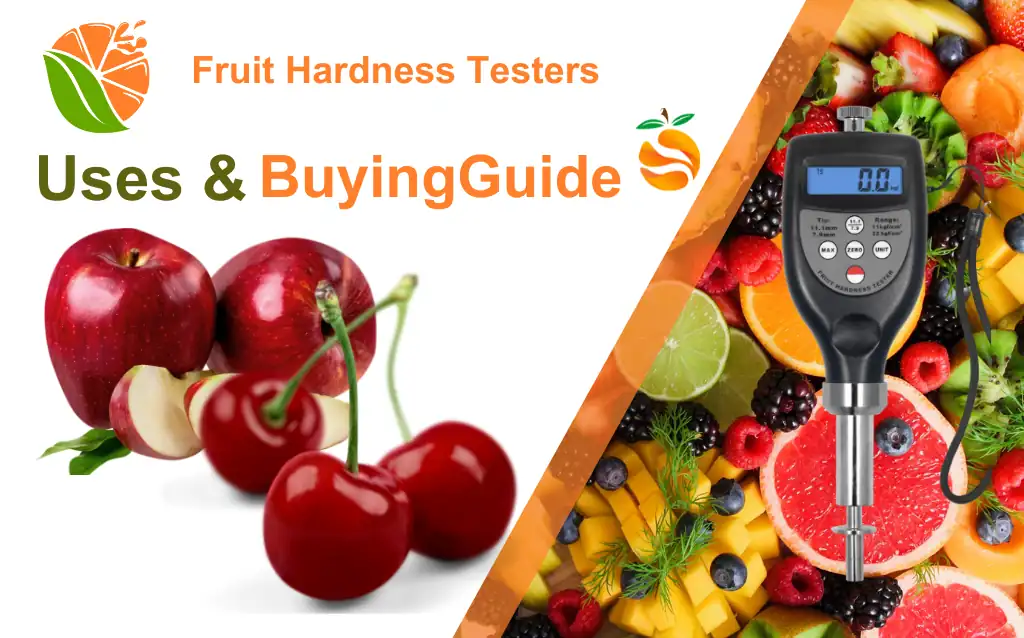
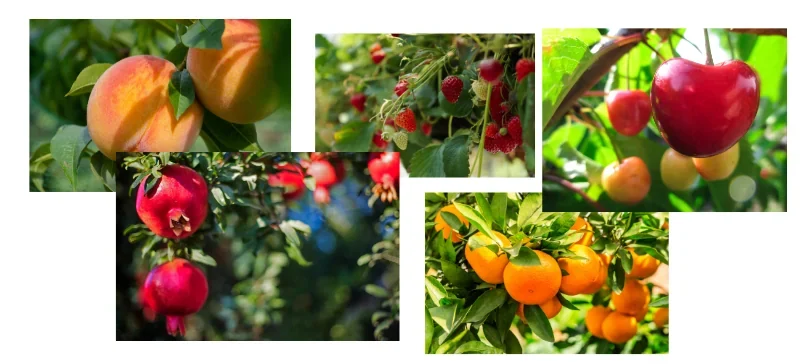
From orchards to supermarket shelves, fruit quality relies heavily on measurable and consistent parameters. Among the most essential of these is firmness — and Fruit Hardness Testers play a vital role in accurately measuring it. Firmness indicates the freshness, ripeness, and durability of fruit throughout handling, transport, and storage.
Using these tools provides producers, exporters, and labs with reliable data to support better decisions on harvest timing, storage practices, and quality classification.
What Is Fruit Firmness and Why Use Fruit Hardness Testers?
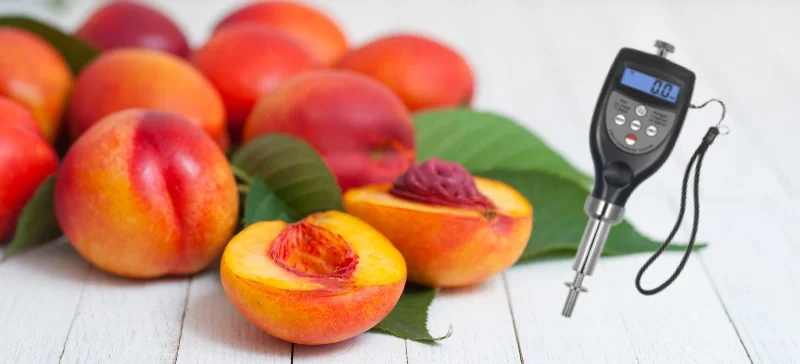
Fruit firmness (or hardness) refers to the resistance of fruit tissue against deformation when pressure is applied. This characteristic is affected by cell wall strength, internal turgor pressure, and pectin content. As fruit ripens, these components naturally degrade, resulting in softening.
These devices make it possible to measure changes in texture objectively, turning guesswork into precise, consistent data.
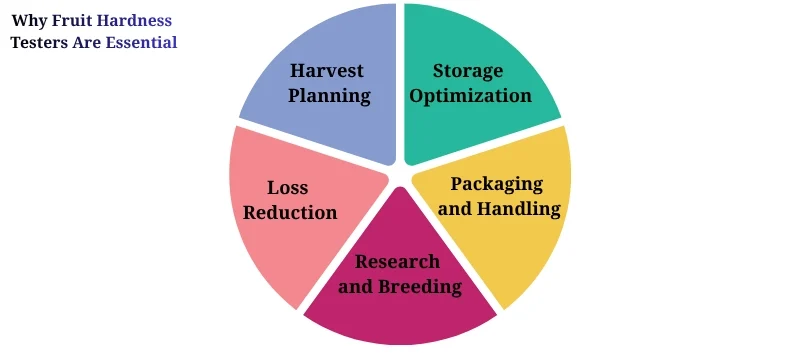
Why Fruit Hardness Testers Are Essential
Harvest Planning: Determine the perfect ripening stage using Fruit Hardness Testers to ensure peak flavor and better shelf life.
Storage Optimization: Match fruit lots with suitable storage conditions based on firmness data.
Packaging and Handling: Minimize bruising by standardizing firmness grades.
Loss Reduction: Early detection of under- or overripe batches prevents waste.
Research and Breeding: Accurate firmness measurements help in developing improved fruit varieties with better texture, durability, and market appeal.
How These Devices Work
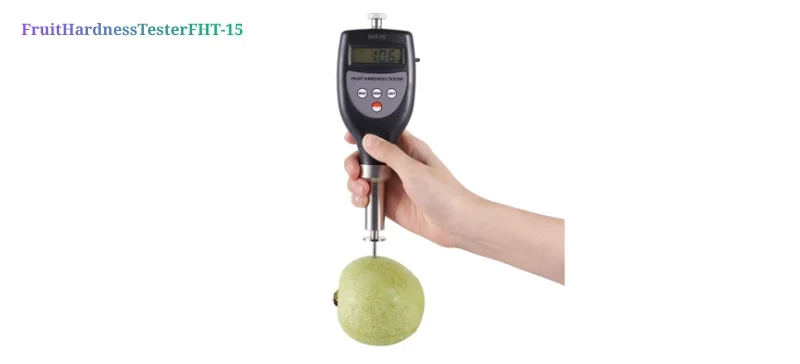
All Fruit Hardness Testers operate on the principle of measuring resistance to applied force. Typically, they use a sensor or load cell that converts pressure into digital readings (Newtons or kg/cm²), indicating how firmly the fruit retains its shape.
Advanced digital versions ensure accurate results with minimal variability.
Modern Features of Digital Fruit Hardness Testers
Today’s digital devices offer advanced functionality such as:
High-precision sensors
USB, Bluetooth, or Wi-Fi connectivity for data transfer
Non-destructive testing with vibration or pressure response
Compatibility with quality control systems
These features allow for quick, consistent, and traceable assessments without damaging the fruit.
Step-by-Step Instructions for Proper Use
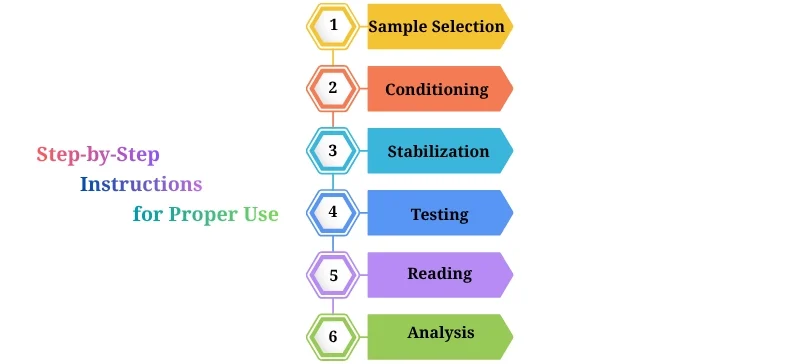
To get accurate and consistent results, follow these essential steps when using Fruit Hardness Testers in your quality assessment process.
Sample Selection: Choose clean, intact fruits.
Conditioning: Ensure all samples are tested at 20 ± 2°C.
Stabilization: Place the fruit securely on a flat surface.
Testing: Apply uniform pressure using the Fruit Hardness Tester.
Reading: Record the peak resistance shown on the display.
Analysis: Average multiple readings and compare with the standard firmness index for that fruit.
Consistent use of Fruit Hardness Testers enables growers and quality managers to track ripening and maintain desired product standards.
Scientific Background of Fruit Firmness
Fruit softening results from biological and chemical changes such as:
Pectin Breakdown: Enzymes soften cell walls during ripening.
Loss of Turgor: Water stress reduces firmness.
Ethylene Influence: Accelerates ripening in climacteric fruits.
Fruit Hardness Testers quantify these changes, especially when combined with °Brix and starch indexes for complete maturity assessment.
What Influences Fruit Firmness?
Several key factors influence fruit firmness—understanding them and monitoring their effects with Fruit Hardness Testers ensures better quality control.
Genetic Factors: Each variety has specific firmness traits.
Agronomic Practices:
Pruning & Thinning: Affect size and sunlight exposure.
Fertilization: Calcium increases firmness; excessive nitrogen can soften fruit.
Irrigation: Water balance is key to turgor.
Climate Conditions: Temperature and light impact firmness distribution.
Pre-Harvest Treatments: Growth regulators and ethylene control help achieve desired firmness for different markets.
These tools enable accurate tracking of all the factors that affect firmness, ensuring better control over fruit quality.
Applications Across the Supply Chain
| Application | Goal | Benefit |
|---|---|---|
| Harvest Planning | Determine maturity | Better flavor, reduced losses |
| Storage/Export | Evaluate resistance | Less damage during transit |
| Local Markets | Assess ripeness | Enhanced taste and consumer satisfaction |
| Research/Breeding | Measure firmness traits | Improved varieties |
| QA Inspections | Verify shipment quality | Fewer customer complaints |
Tips for Selecting the Best Device
When selecting Fruit Hardness Testers, consider the following:
Measurement Range & Precision
Accuracy & Repeatability
User-Friendly Design
Data Logging and Export Features
Calibration Options
Build Quality & Battery Life
Support & Spare Parts
Regulatory Compliance
Choosing a properly equipped device helps guarantee accurate and consistent results in both on-site and laboratory applications.
Tips for Accurate Firmness Testing
For reliable results with Fruit Hardness Testers, follow these best practices during firmness measurement and data recording:
Maintain test temperature at 20 ± 2°C.
Randomize fruit samples from various batches.
Keep test pressure and probe insertion speed consistent.
Record metadata: variety, batch, tester name, date.
Use Fruit Hardness Testers alongside °Brix and color tools for full maturity profiles.
Monitor firmness over time to predict shelf-life and consumer readiness.
Types of Fruit Hardness Testers
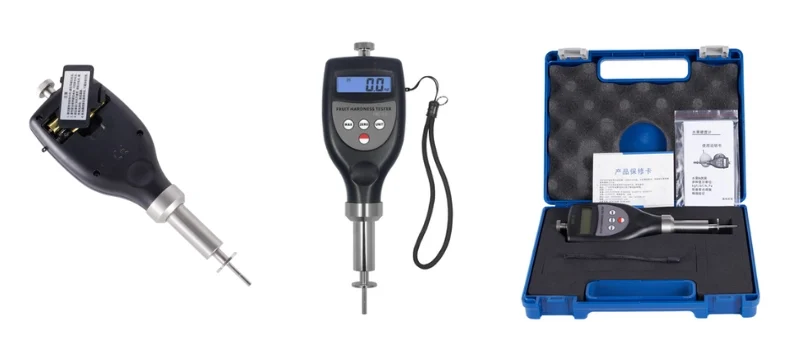
A variety of models are available to meet different requirements, ranging from basic handheld options to sophisticated digital and automated systems.
Manual Testers: Budget-friendly, perfect for small farms and field use.
Digital Fruit Hardness Testers: Offer high accuracy with data storage and transfer features.
Motorized Systems: Ideal for labs or commercial QA setups that require precision and automation.
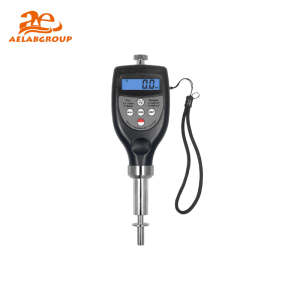
AELAB Fruit Hardness Testers are among the most trusted instruments, known for precision, durability, and ease of use.
Conclusion
Fruit Hardness Testers are not just testing tools—they’re vital instruments in modern fruit production and supply chains. By providing reliable data on fruit firmness, they help producers optimize harvest timing, reduce losses, and deliver better-tasting, longer-lasting fruit to market.
If you’re looking to upgrade your quality control processes, explore AELAB’s full range of Fruit Hardness Testers — built for precision, reliability, and ease of use.