Introduction
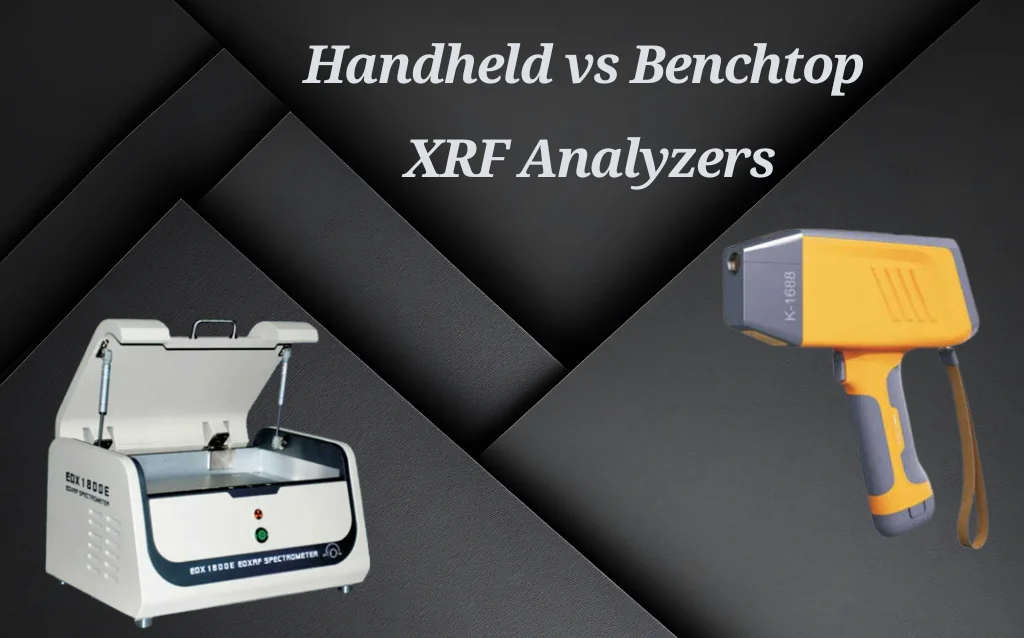
Understanding the differences in handheld vs benchtop XRF analyzers is essential for accurately identifying the elemental composition of materials. Whether you work in metallurgy, mining, construction, or environmental testing, selecting the right XRF analyzer can significantly impact the quality and reliability of your results. This article highlights the key features, advantages, and limitations of handheld vs benchtop XRF analyzers to help you make an informed choice for your material testing needs.
What is XRF Analysis?
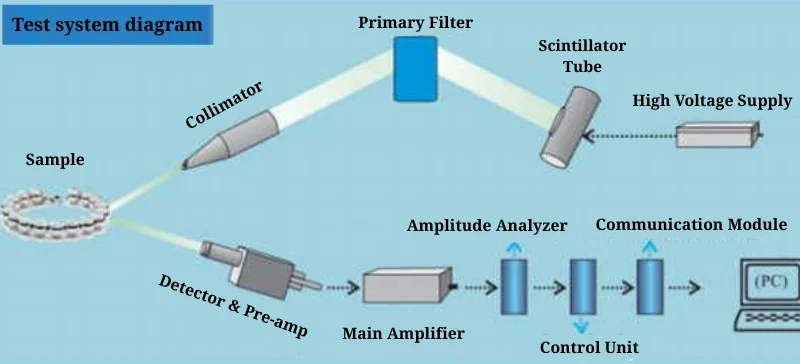
Before comparing handheld vs benchtop XRF analyzers, it’s essential to understand how XRF technology works. These analyzers emit X-rays that interact with the atoms in a sample, causing them to release secondary X-rays known as fluorescence. By measuring these emissions, the analyzer identifies the material’s elemental composition. This non-destructive testing method makes XRF technology highly valuable across industries such as quality control, material verification, and environmental analysis.
Handheld XRF Analyzers: Portability and Convenience
Handheld XRF analyzers are portable, battery-operated devices designed for on-the-go elemental analysis. These devices are ideal for fieldwork or situations where mobility and quick results are essential.
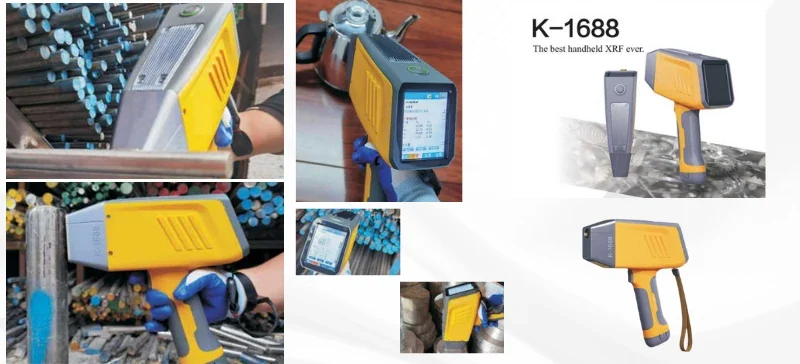
Advantages of Handheld XRF Analyzers
Portability: Handheld XRF analyzers are lightweight and easy to carry, making them perfect for use in remote locations or on job sites.
Fast Results: They deliver rapid results, typically within seconds, enabling quick decision-making on-site.
Non-Destructive Testing: Handheld XRF devices allow for the analysis of materials without altering or damaging the sample, making them valuable for testing precious or fragile items.
Minimal Sample Preparation: Unlike laboratory methods, handheld XRF analyzers require little to no sample preparation, saving both time and resources.
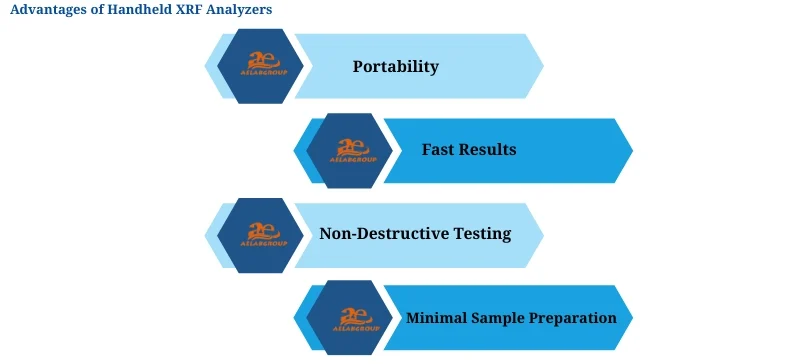
Limitations of Handheld XRF Analyzers
Lower Accuracy: While handheld models provide quick results, their accuracy may not be as high as benchtop devices, especially for trace element analysis.
Surface-Level Analysis: Handheld XRF analyzers are typically limited to surface-level analysis, making them less effective for multi-layered or coated materials.
Limited Sensitivity: Detection of light elements (like sodium or magnesium) may be less reliable with handheld XRF devices compared to benchtop models.
Ideal Applications for Handheld XRF
Mining and Exploration: Quickly analyze ore composition and identify precious metals.
Scrap Metal Recycling: Efficiently sort and identify alloys in scrap metal.
Construction and Coating Verification: Ensure the quality and composition of construction materials or coatings.
Environmental Testing: Detect hazardous elements such as lead in soil, dust, or water.
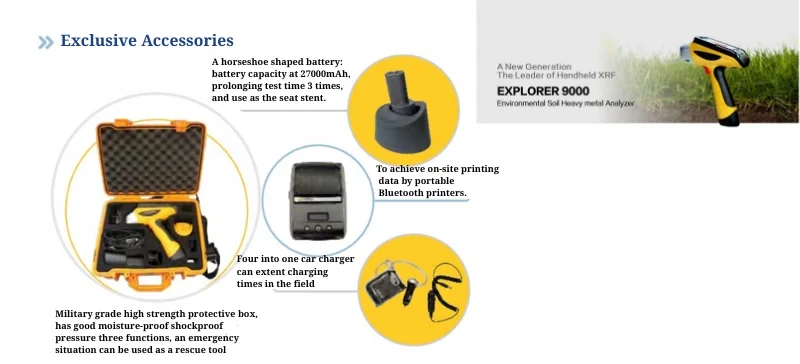
Benchtop XRF Analyzers: Precision and Accuracy
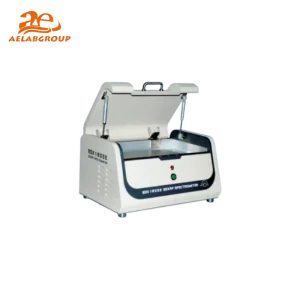
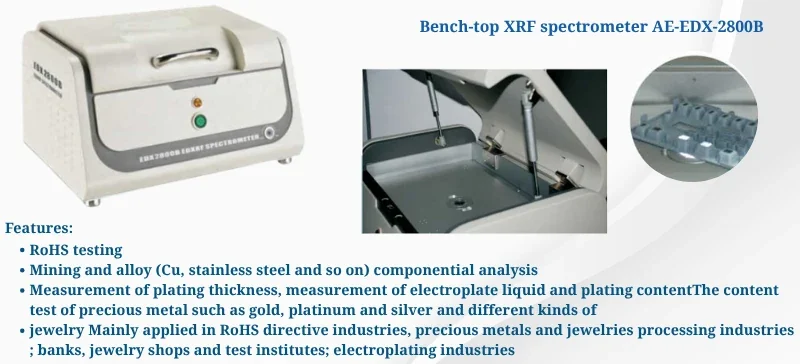
On the other hand, benchtop XRF analyzers are stationary devices designed for more detailed, high-accuracy analysis. These instruments are typically used in laboratory settings where precision and reproducibility are paramount.
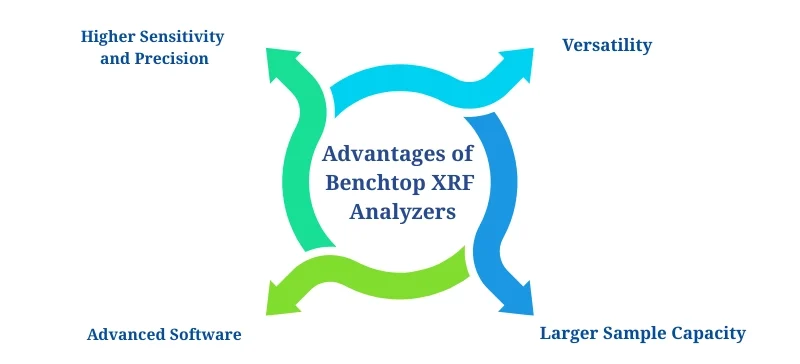
Advantages of Benchtop XRF Analyzers
Higher Sensitivity and Precision: Benchtop XRF systems offer superior accuracy, making them ideal for detecting trace elements and providing quantitative analysis.
Versatility: These systems can analyze a wide range of sample types, including liquids, powders, and solid materials.
Advanced Software: Many benchtop XRF analyzers come with sophisticated software that allows for customized testing conditions and detailed data analysis.
Larger Sample Capacity: Benchtop systems can accommodate larger samples, making them suitable for more complex or bulk material analysis.
Limitations of Benchtop XRF Analyzers
Limited Portability: Unlike handheld models, benchtop XRF analyzers are stationary and require a fixed setup, making them unsuitable for field testing.
Longer Analysis Time: Benchtop XRF systems often require more time for sample preparation and analysis compared to handheld devices.
Higher Cost: Benchtop XRF analyzers are generally more expensive, both in terms of initial investment and maintenance costs.
Ideal Applications for Benchtop XRF
Precise Material Composition: Perfect for applications where high accuracy is crucial, such as in the pharmaceutical, food, or metallurgy industries.
Environmental Analysis: Ideal for in-depth analysis of environmental samples, such as soil, water, or air.
Metallurgical Testing: Accurately determine alloy composition or detect impurities in metal samples.
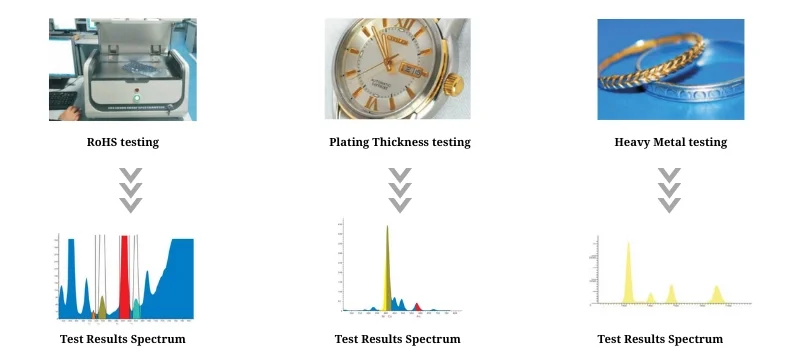
Regulatory Compliance: Ensure compliance with industry standards, such as RoHS or WEEE regulations.
Key Differences Between Handheld and Benchtop XRF Analyzers
| Feature | Handheld XRF | Benchtop XRF |
|---|---|---|
| Portability | Highly portable, ideal for field use | Stationary, requires a lab setup |
| Accuracy | Moderate, suited for quick screening | High, ideal for detailed and quantitative analysis |
| Sample Size | Small, surface-level analysis | Larger samples, including liquids and powders |
| Speed | Fast, results in seconds | Moderate, requires more preparation and time |
| Cost | More affordable, lower initial investment | Higher cost, including maintenance |
| Sensitivity | Less sensitive, particularly for light elements | High sensitivity, ideal for trace element detection |
| Applications | Fieldwork, on-site testing | Lab-based testing, regulatory compliance |
Choosing the Right XRF Analyzer for Your Needs
When deciding between handheld and benchtop XRF analyzers, there are several factors to consider:
Application Environment: If you need a portable solution for field analysis, a handheld XRF analyzer is your best choice. However, for lab-based, high-precision analysis, a benchtop model is more suitable.
Accuracy Requirements: If you require high accuracy and detailed analysis, such as for compliance testing or research, a benchtop XRF analyzer is the better option.
Sample Type: Handheld XRF analyzers are ideal for small, surface-level samples, while benchtop models excel at analyzing larger and more complex samples.
Budget: Handheld XRF analyzers are more budget-friendly, both in terms of initial cost and operating expenses, making them a cost-effective choice for many businesses.
Conclusion: Making the Right Choice for Your Material Testing
Both handheld and benchtop XRF analyzers offer unique advantages depending on your specific material testing needs. Handheld XRF analyzers are portable, cost-effective, and perfect for on-site testing, while benchtop XRF analyzers provide higher accuracy and precision for laboratory-based analysis. Understanding your requirements in terms of accuracy, sample type, and budget will help you select the right analyzer for your workflow.
Call to Action
If you’re looking for a portable solution for quick material analysis or need precise, lab-grade testing, understanding the key differences between handheld and benchtop XRF analyzers will help you make the best decision. Contact us today to learn more about our range of AELAB XRF systems and how they can enhance your material testing process.