

Introduction : Hot Plate Magnetic Stirrers Safety Guide
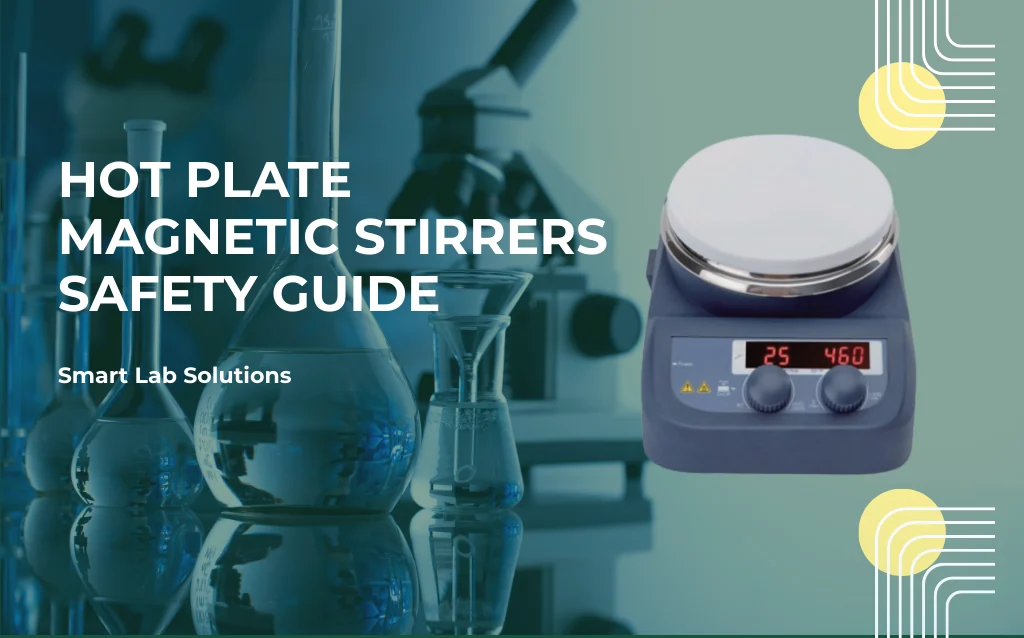
The Hot Plate Magnetic Stirrers Safety Guide highlights essential practices for using these indispensable laboratory tools. Hot plate magnetic stirrers provide precise heating and efficient mixing for a wide range of scientific applications—from chemical synthesis and sample preparation to quality control and biological research. While they significantly improve experimental efficiency, improper use can lead to burns, fires, chemical spills, contamination, or electrical hazards. This guide combines industry best practices, technical insights, and safety recommendations to help researchers and lab technicians operate hot plate magnetic stirrers safely and effectively.
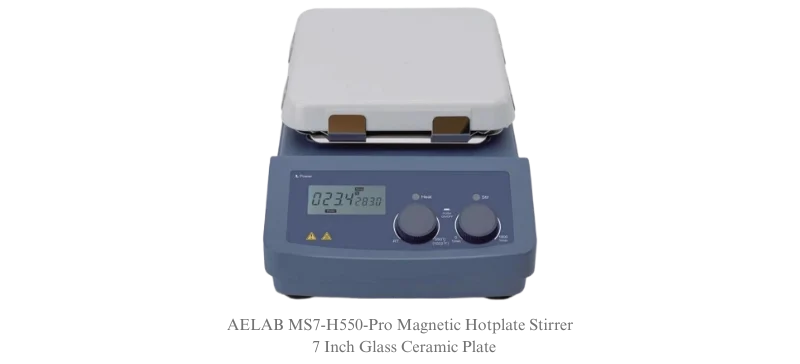
What Is a Hot Plate Magnetic Stirrer?
A hot plate magnetic stirrer integrates two functions:
Heating Plate – Provides precise temperature control, often adjustable up to 450°C (842°F) depending on the model.
Magnetic Stirring System – Uses a rotating magnetic field to drive a magnetic stir bar (“flea”) inside the vessel.
Modern units allow long-term, unattended operation, but their simplicity does not eliminate risk. Careful handling and adherence to safety procedures are crucial to prevent accidents.
Common Applications:
Dissolving solids in liquids
Chemical reactions and synthesis
Media and buffer preparation
Biological sample mixing
Analytical chemistry and quality control
1. Pre-Operation Safety: Inspection and Setup
1.1 Inspect Equipment Before Every Use
Before starting any experiment:
Check for cracks, corrosion, or residue on the hot plate surface.
Inspect power cords, switches, and control knobs for damage.
Examine stir bars for wear or chemical degradation.
Ensure all components are secure and vibration-free.
⚠️ Older hot plates, especially pre-1984 models, lack temperature feedback and can overheat unpredictably. Avoid outdated equipment.
1.2 Correct Placement and Laboratory Setup
Proper placement prevents tipping, heat accumulation, and accidental burns:
Place on a stable, level, heat-resistant surface.
Keep away from edges and foot traffic areas.
Allow adequate ventilation around the unit.
Avoid storage near corrosive chemicals, solvents, or flammable materials.
For flammable samples, always use a fume hood.
1.3 Select Appropriate Vessels and Glassware
Using the right glassware reduces risk:
Borosilicate glass is ideal due to thermal shock resistance.
Inspect for chips, cracks, or scratches, especially at the bottom.
Never overfill containers—fill ½ to ⅔ of volume to avoid splashing.
Ensure materials are compatible with chemical properties and temperature.
2. Safe Heating: Temperature Control and Monitoring
Follow this Hot Plate Magnetic Stirrers Safety Guide to ensure proper temperature control and safe operation before proceeding with specific heating procedures.
2.1 Set and Stabilize Temperature
Allow the hot plate to reach the programmed temperature before inserting the vessel.
Monitor with built-in displays or external thermometers.
Avoid exceeding recommended limits for your glassware or chemical mixture.
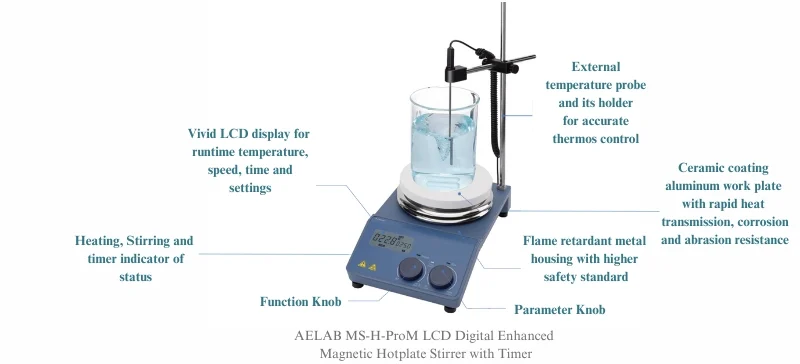
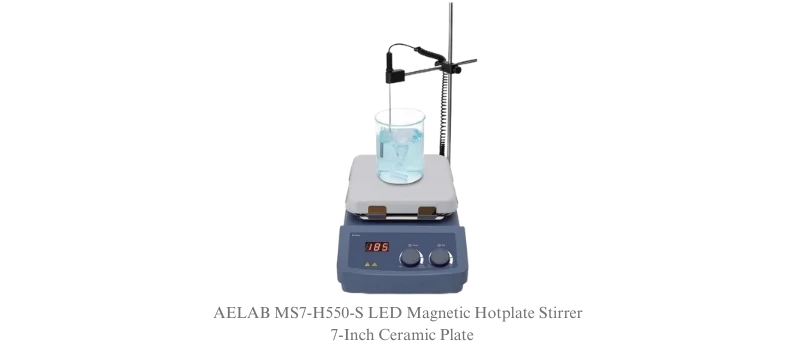
2.2 Use a Pt100 Temperature Probe
A Pt100 probe improves accuracy and detects hazardous situations such as:
Sudden drops in liquid level
Overheating when plate and sample temperatures diverge
Probe disconnection or failure
With a temperature probe, some units can automatically shut down in dangerous conditions, significantly improving lab safety.
3. Safe Stirring: Preventing Spills and Equipment Damage
3.1 Correct Stir Bar Selection
Choose a stir bar that fits securely without contacting vessel sides or bottom.
Ensure compatibility with sample viscosity.
Replace worn or chemically degraded stir bars.
Highly viscous liquids may require an overhead stirrer for effective mixing.
3.2 Speed Adjustment
Begin at low RPM and gradually increase.
Avoid vortexing or splashing that may eject the stir bar.
Do not overload hot plates with oversized or heavy flasks.
3.3 Secure Attachment
Use flask clamps or supports to prevent tipping during vigorous stirring.
Ensure containers are centered on the hot plate.
4. Chemical and Fire Safety
4.1 Handling Flammable and Hazardous Substances
Operate flammable, toxic, or corrosive chemicals in a fume hood.
Keep ignition sources far from the workspace.
Use safety shields or flame arrestors.
Review SDS documents for all chemicals used.
Never leave the unit unattended when handling hazardous materials.
4.2 Preventing Fire Risks
Fires can result from:
Faulty wiring
Unattended heating
Incorrect heat settings
Storing flammables nearby
Modern hot plates with hot-warning lights, temperature limiters, and safety circuits reduce the risk of accidental burns and fires.
5. Preventing Contamination and Maintaining Clean Equipment
5.1 Clean Hot Plate Surfaces
Wipe spills immediately.
Remove chemical residues with manufacturer-recommended solutions.
Consider antimicrobial surface coatings (e.g., BioCote®) to reduce cross-contamination.
5.2 Care for Stir Bars and Accessories
Clean stir bars thoroughly after each use.
Replace damaged or worn bars.
Use a stir bar retriever to avoid burns.
6. Emergency Preparedness
6.1 Burns and Injuries
Cool burns immediately under running water.
Use first aid and seek medical attention if necessary.
Always wear heat-resistant gloves, goggles, and lab coats.
6.2 Electrical Malfunctions
If smoke, sparks, or unusual odors appear:
Disconnect power immediately
Do not attempt self-repair
Report the failure to lab management
6.3 Chemical Spills and Fire Response
Use spill kits or fire extinguishers only if safe.
Activate the emergency power-off switch.
Evacuate and follow institutional safety protocols.
7. Post-Operation Procedures
Turn off the unit and let it cool completely.
Clean the plate with a damp cloth (avoid harsh chemicals).
Store in a clean, dry location.
Inspect for wear before the next use.
8. Professional Tips for Laboratory Efficiency
Use temperature probes for high-accuracy reactions.
Calibrate equipment regularly for safety and precision.
Avoid excessive stirring speeds that can damage vessels or stir bars.
Ensure proper ventilation to prevent heat accumulation.
Conclusion & Call to Action
Hot plate magnetic stirrers are powerful, efficient, and versatile laboratory tools, but safety is always the top priority. By following the steps in this Hot Plate Magnetic Stirrers Safety Guide—including equipment inspection, selecting proper glassware, controlled heating and stirring, chemical precautions, regular maintenance, and emergency preparedness—you can ensure a safe laboratory environment and achieve reliable experimental results.
💡 Next Steps: Enhance your lab’s safety and efficiency by reviewing current safety procedures, training your team on best practices, and, if needed, upgrading older equipment to advanced AELAB hot plates and magnetic stirrers with modern safety features. Now is the time to create a smarter, safer, and more reliable laboratory environment.