

How Microwave Digestion Systems Work: A Comprehensive Guide
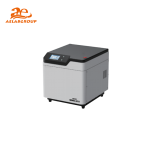
Microwave digestion systems play a key role in analytical laboratories for preparing samples efficiently. These systems accelerate chemical reactions, ensuring the thorough digestion of a wide variety of materials. In this article, we will explain how microwave digestion systems function, discuss their components and applications, and highlight key considerations to help laboratories choose the most suitable system for their needs.
What is Microwave Digestion?
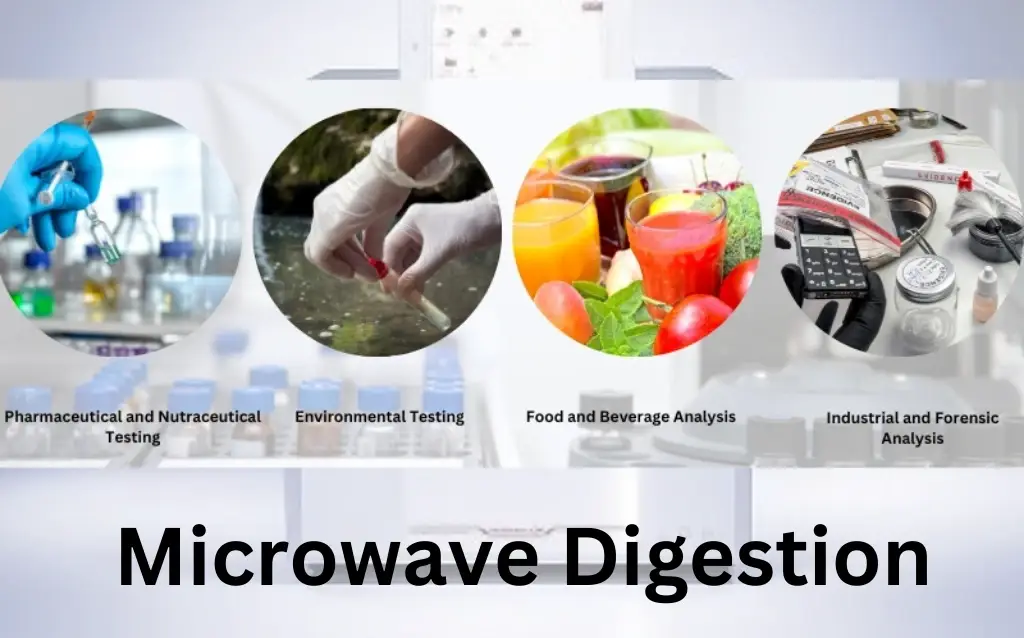
Microwave digestion involves exposing samples to high-pressure and high-temperature conditions inside a closed vessel, where microwave energy facilitates the process. This technique accelerates chemical reactions, breaking down complex sample matrices into simpler forms, making them easier to analyze. Laboratories commonly use this method in fields such as environmental testing, food and beverage analysis, industrial materials testing, and pharmaceutical research.
Microwave digestion relies on microwave radiation to heat the sample. When the microwave energy is absorbed by the sample, it creates a uniform heating environment, increasing the temperature and pressure inside the digestion vessel. This rapid increase in temperature helps break down the sample material, which accelerates the chemical digestion process. The closed-vessel nature of the system ensures safety by containing any fumes or gases generated during digestion.
Key Components of Microwave Digestion Systems
Microwave Source
The core of a microwave digestion system is the microwave generator, typically a magnetron that produces electromagnetic waves. These waves penetrate the sample and heat it uniformly.
Digestion Vessel
Samples are placed in specially designed, high-strength vessels that can withstand the pressure and temperature generated during digestion. These vessels are often made from materials like Teflon or quartz, which are resistant to corrosion from acidic reagents.
Pressure and Temperature Control
Modern microwave digestion systems feature advanced sensors to monitor and control the pressure and temperature within the digestion vessel. These sensors help prevent over-pressurization or excessive heating, ensuring safe and effective digestion.
Cooling System
To quickly bring the sample to a safe temperature after digestion, they include cooling mechanisms, often involving internal and external cooling fans. This helps reduce turnaround times and enhances efficiency.
In this revision, “they” replaces “microwave digestion systems” in the second paragraph, making the text more concise and avoiding repetition.
Rotors
Some systems include rotors with multiple positions for simultaneous digestion of several samples. This allows high-throughput processing, ideal for large-scale laboratories.
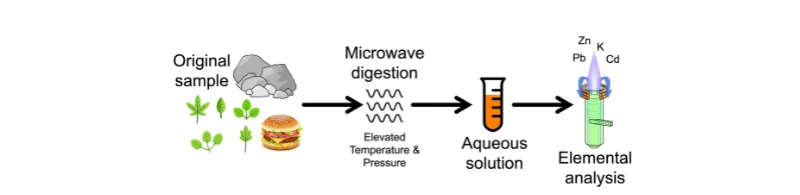
Figure 1: Microwave Digestion Process and Elemental Analysis Workflow
This figure illustrates the microwave digestion process, starting with the preparation of various samples (such as rocks, plants, and food items) and leading to elemental analysis. Microwave energy is applied under high temperature and pressure to break down complex samples into simpler forms, which are then converted into aqueous solutions. These solutions are used for elemental analysis, such as measuring metals like Zinc (Zn), Potassium (K), Lead (Pb), and Cadmium (Cd).
How Microwave Digestion Systems Improve Sample Preparation
These systems offer several advantages over traditional sample preparation techniques like open-vessel digestion. These include:
Faster Digestion
The microwave energy significantly reduces digestion time, often allowing processes to be completed in minutes rather than hours.
Enhanced Precision
The uniform heating from microwaves ensures consistent sample digestion, reducing errors caused by temperature fluctuations.
Higher Efficiency
The closed-vessel system prevents sample loss due to volatilization of analytes, increasing overall recovery rates.
Increased Safety
Unlike open-vessel digestion, microwave digestion contains any potentially hazardous gases or fumes, making it safer for operators.
Applications of Microwave Digestion
Environmental Testing
Microwave digestion is used to prepare soil, water, and air samples for analysis. It helps extract metals, minerals, and other analytes from environmental samples.
Food and Beverage Analysis
In food chemistry, microwave digestion helps prepare samples for the analysis of trace elements, heavy metals, and other contaminants.
Pharmaceutical and Nutraceutical Testing
For testing drug formulations and supplements, microwave digestion ensures the complete breakdown of complex matrices.
Industrial and Forensic Analysis
Microwave digestion plays a crucial role in materials science, helping to analyze metals, alloys, and polymers, as well as forensic evidence like hair or bone samples.

Key Considerations for Choosing a Microwave Digestion System
When selecting a microwave digestion systems, several factors must be taken into account to ensure optimal performance:
Pressure and Temperature Control
The system should provide accurate control over both pressure and temperature. Advanced systems use non-contact sensors for real-time monitoring, reducing the need for manual adjustments.
Safety Features
Look for systems that incorporate pressure relief mechanisms, fume collection systems, and user-friendly lids to minimize risks of exposure to hazardous fumes.
Flexibility
The system should be capable of handling a wide range of sample types and volumes. Models with customizable rotors and vessel options provide greater versatility.
Compliance and Software
Ensure that the system complies with relevant regulatory standards, such as 21 CFR Part 11 for pharmaceutical applications. Advanced software that can manage digestion parameters, provide real-time monitoring, and generate reports is crucial for maintaining consistency and traceability.
Optimizing Efficiency in Microwave Digestion
To achieve the best results, laboratories should ensure they follow key guidelines for microwave digestion. These include:
Vessel Loading
Ensure the sample is well distributed within the digestion vessel and adequately surrounded by reagents for efficient digestion.
Pre-Digestion Venting
For certain samples, a pre-digestion venting step can help avoid excessive pressure buildup during the digestion process.
Sample Size and Reagent Ratios
If incomplete digestion occurs, adjusting the ratio of acid to sample or increasing the reaction time may help achieve complete digestion.
Use of Additives
For certain challenging samples, such as metals or organics, the addition of specific acids or reagents (e.g., hydrogen peroxide or aqua regia) can improve digestion efficiency.
Conclusion
Microwave digestion systems are indispensable tools for modern analytical laboratories. They provide fast, safe, and efficient sample preparation, making them essential for a wide range of applications. By selecting the right system and following best practices, laboratories can improve the quality of their results and reduce sample preparation time.