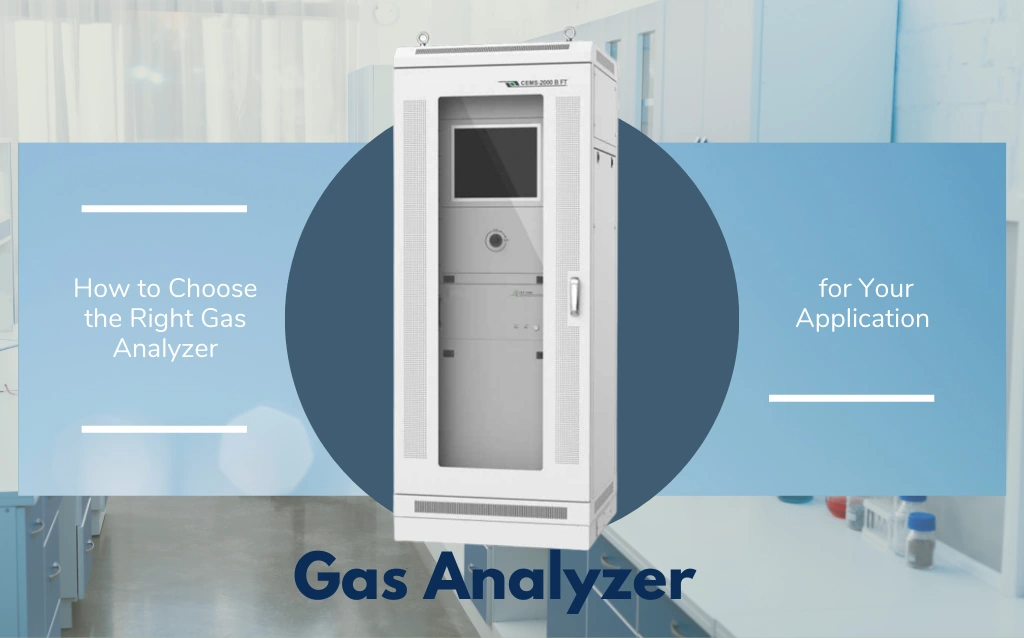
Reliable Gas Analyzer Solutions for Industrial Applications
Selecting the right gas analyzer is a strategic decision that directly affects measurement accuracy, workplace safety, regulatory compliance, and long-term operational efficiency. Whether used in industrial processing, environmental monitoring, laboratories, or energy systems, the correct gas analysis instrument helps prevent costly downtime, false alarms, and safety risks.
This comprehensive gas analyzer selection guide explains how to choose the most suitable solution based on application requirements, measurement technology, operating conditions, and total cost of ownership—without unnecessary complexity or overspending.
What Is a Gas Analyzer and Why Is It Important?
A gas analyzer is an analytical instrument designed to detect, identify, and quantify one or more gas components in a sample, process stream, or ambient environment.
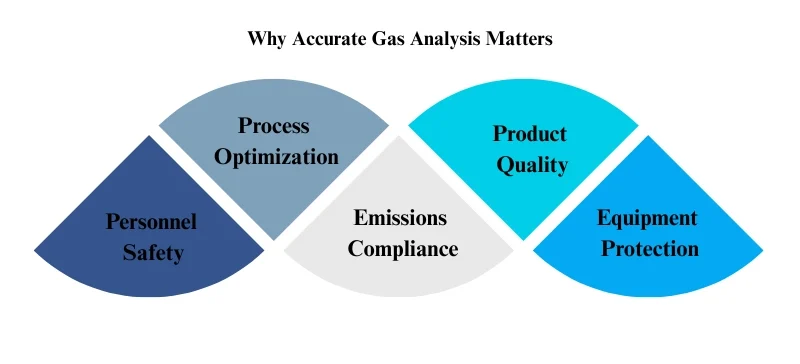
Accurate gas analysis is essential for:
Protecting personnel from toxic or explosive gases
Optimizing combustion and industrial processes
Monitoring emissions and meeting environmental regulations
Ensuring product quality and consistency
Preventing equipment damage and operational inefficiencies
Reliable gas measurement plays a critical role in safety, productivity, and compliance across multiple industries.
Key Industrial Applications of Gas Analyzer Systems
- Oil, Gas, and Petrochemical
Gas analyzers detect hazardous gases such as H₂S, CH₄, CO, and O₂, helping prevent leaks, explosions, and toxic exposure.
- Power Generation and Energy
They optimize combustion efficiency and monitor flue gases like CO₂, CO, NOx, and O₂ to improve performance and reduce emissions.
- Manufacturing and Metal Processing
Accurate oxygen and hydrogen analysis is essential for steelmaking, heat treatment, welding, and furnace control.
- Food, Beverage, and Pharmaceutical
Gas analysis supports controlled atmospheres, contamination detection, and quality assurance throughout production.
- Occupational Safety and Environmental Monitoring
Fixed and portable gas analyzers protect workers in confined spaces, mines, industrial plants, and outdoor environments.
Step-by-Step Guide to Selecting the Right Gas Analyzer
1. Define the Target Gas and Measurement Range
Begin by identifying:
Which gas or gases must be measured
Required concentration range (ppm or % volume)
Normal operating values and alarm thresholds
📌 Always choose a gas analyzer specifically designed for the target gas and concentration range relevant to your application.
2. Determine Accuracy, Stability, and Response Time
Measurement performance directly impacts reliability:
High-risk or control applications require high accuracy and repeatability
Fast response time (T90) is critical for leak detection and safety monitoring
High stability reduces recalibration frequency and operating effort .
3. Evaluate Process and Environmental Conditions
Environmental factors significantly influence analyzer performance:
Temperature and pressure variations
Humidity, condensation, and water vapor
Dust, particulates, and corrosive gases
Indoor vs. outdoor installation
These conditions help determine whether in-situ, extractive, or open-path measurement is most appropriate.
4. Choose the Appropriate Gas Analysis Technology
Understanding gas analyzer technologies ensures optimal performance without over-specification.
TDLAS (Tunable Diode Laser Absorption Spectroscopy)
Sub-second response time
High selectivity and minimal drift
Low maintenance, factory-calibrated
Ideal for NH₃, H₂S, CH₄, O₂, H₂O
NDIR (Non-Dispersive Infrared)
Cost-effective and widely used
Stable and reliable for CO₂, CO, hydrocarbons
Best for clean, conditioned samples
FTIR (Fourier Transform Infrared)
Simultaneous multi-gas measurement
Suitable for emissions monitoring and research
Requires trained operators and sample conditioning
Electrochemical Sensors
Common in portable gas analyzers
High sensitivity and fast response
Require periodic calibration and sensor replacement
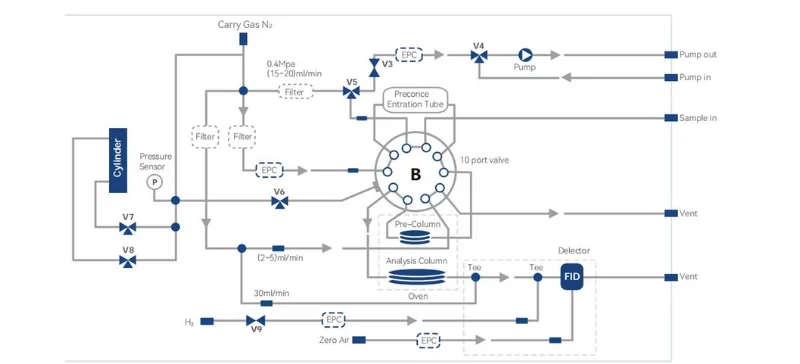
Gas Chromatography (GC)
Laboratory-grade accuracy and component separation
Ideal for R&D, quality control, and complex gas mixtures
Higher system complexity and cost
5. Select the Installation Method
In-situ analyzers provide the fastest response with no sample transport delay
Extractive systems handle wet, dusty, or corrosive gas streams effectively
Open-path analyzers are ideal for large areas, perimeter monitoring, and remote detection
6. Consider Total Cost of Ownership (TCO)
The purchase price alone does not reflect true cost. Evaluate:
Calibration frequency and gas consumption
Sensor lifespan and replacement costs
Downtime during maintenance
Availability of spare parts and technical support
In many cases, a higher-quality analyzer delivers lower long-term operational costs.
7. Ease of Use, Durability, and Serviceability
An effective gas analyzer should be:
Simple to operate and maintain
Durable enough for industrial environments
Easy to calibrate and service
Proper training and clear documentation significantly reduce errors and equipment damage.
8. Compliance and Certifications
Ensure the instrument meets all required standards:
Non-compliant instruments can result in costly retrofits or rejected installations.
Best Practices for Reliable Gas Analyzer Use
Regularly inspect sensors, sample lines, and connections
Prevent leaks in sampling systems
Keep filters and tubing clean
Use automated diagnostics and compensation features
Operate within manufacturer-specified limits
Final Thoughts: Gas Analyzer Selection for Long-Term Performance
There is no universal gas analyzer suitable for every application. The optimal solution depends on target gas, process conditions, required accuracy, and long-term operating costs.
Need fast, selective, low-maintenance measurements? → TDLAS
Need multi-gas analysis at a single point? → FTIR or GC
Need a cost-effective solution for common gases? → NDIR or electrochemical sensors
Careful specification and expert consultation ensure your gas analyzer delivers accurate results, improved safety, and sustainable operational value.
Call to Action (CTA)
👉 Looking for expert guidance on selecting the right gas analyzer for your application?
Consult AELAB’s experienced gas analysis specialists or discover professional gas analyzer solutions designed for accurate and reliable long-term performance
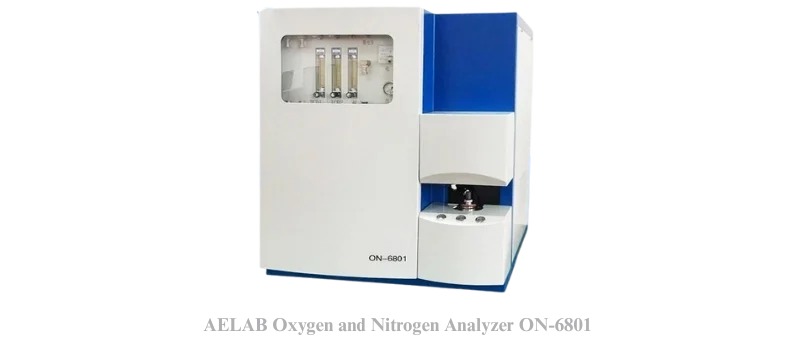
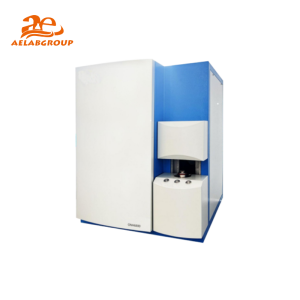
AELAB Oxygen Nitrogen Hydrogen Analyzer ONH6800 – Advanced Elemental Analysis
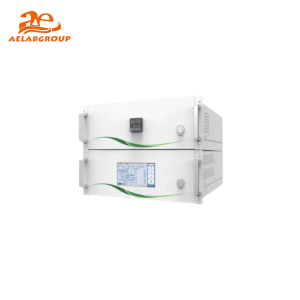
AELAB AQMS-650 NH₃ Analyzer – Real-Time Ammonia Gas Monitoring