

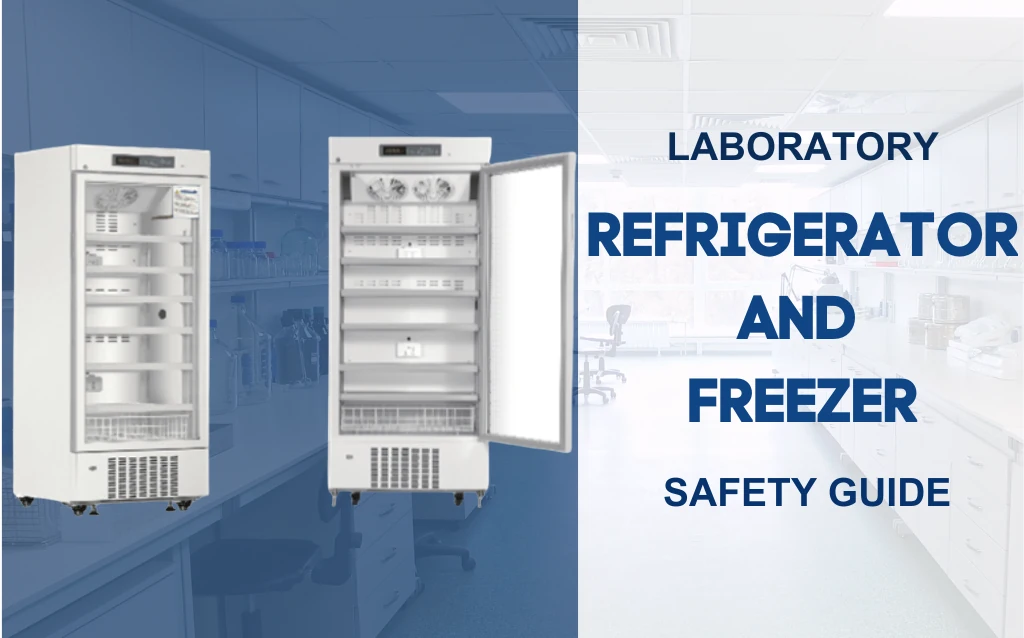
Introduction to Laboratory Refrigerator and Freezer Safety
Refrigerator and freezer safety is a fundamental requirement in modern laboratories, as laboratory refrigerators and freezers are responsible for the secure storage of temperature-sensitive materials including biological samples, reagents, vaccines, pharmaceuticals, and chemicals. Unlike household appliances, laboratory-grade refrigeration systems are designed to provide stable temperature performance, consistent airflow, and advanced safety controls essential for laboratory use.
Failure to follow proper safety and maintenance practices can result in sample degradation, data loss, regulatory non-compliance, equipment damage, and serious safety risks. This article provides a comprehensive, SEO-optimized guide to laboratory refrigerator and freezer safety, maintenance routines, and best practices aligned with international standards.
What Is a Laboratory Refrigerator and Freezer?
Laboratory refrigerators and freezers are specialized cold storage units engineered to provide:
Precise and stable temperature control
Uniform internal airflow
Advanced safety and alarm systems
Compliance with regulatory standards such as CDC, FDA, WHO, ISO
Common Temperature Ranges
Laboratory Refrigerator: +2°C to +8°C
Laboratory Freezer: -10°C to -30°C
Ultra-Low Temperature (ULT) Freezer: -80°C
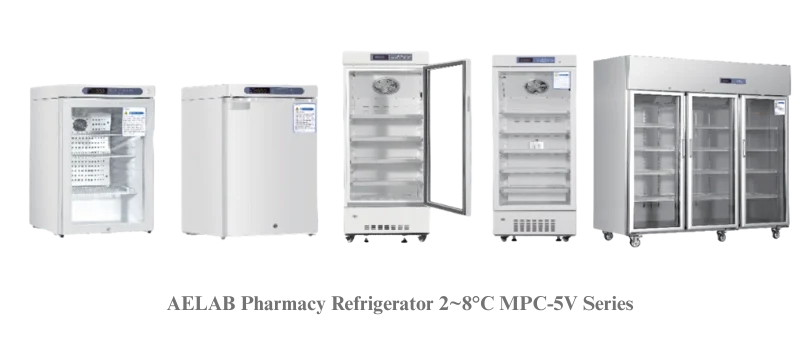
Why Refrigerator and Freezer Safety and Maintenance Matter in Laboratory Cold Storage
Proper cold storage management is a core element of laboratory quality assurance. Poor practices can lead to:
Sample contamination or degradation
Loss of critical research data
Increased downtime and repair costs
Regulatory violations
Risks to laboratory personnel
Maintaining laboratory refrigerators and freezers is not optional—it is essential for operational reliability and regulatory compliance.
In the following section, we outline the key laboratory refrigerator and freezer safety best practices that help prevent these risks and ensure consistent cold storage performance.
General Refrigerator and Freezer Safety Guidelines
Never store food or beverages for human consumption in laboratory refrigerators or freezers.
Separate biological, chemical, and non-hazardous materials to prevent cross-contamination.
Ensure all containers are tightly sealed, leak-proof, and clearly labeled with waterproof labels.
Avoid using aluminum foil, corks, or glass stoppers as container closures.
Place liquid chemicals in chemical-resistant secondary containment trays.
Assign a trained individual to be responsible for each unit.
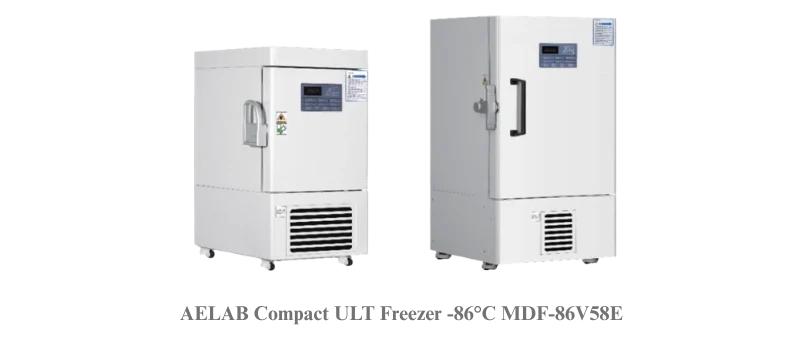
Proper Installation and Electrical Practices for Refrigerator and Freezer Safety
Correct installation is essential for refrigerator and freezer safety and long-term performance.
Install units away from exits and high-traffic areas.
Position equipment near fire-resistant walls when possible.
Maintain adequate clearance for airflow and ventilation.
Keep units away from direct sunlight, heat sources, and humid environments.
Connect equipment to a dedicated, grounded power outlet—extension cords should never be used.
Consider backup power systems such as UPS or generators.
Temperature Monitoring and Alarm Systems
Temperature stability is critical for protecting samples.
Best Practices
Continuous digital temperature monitoring
Use of calibrated, NIST-traceable probes
Audible and remote alarm systems
Daily review of temperature logs
Automated data logging with cloud-based alerts
Ideal laboratory refrigerator temperature: 2–8°C
Standard freezer temperature: -20°C
ULT freezer temperature: -80°C
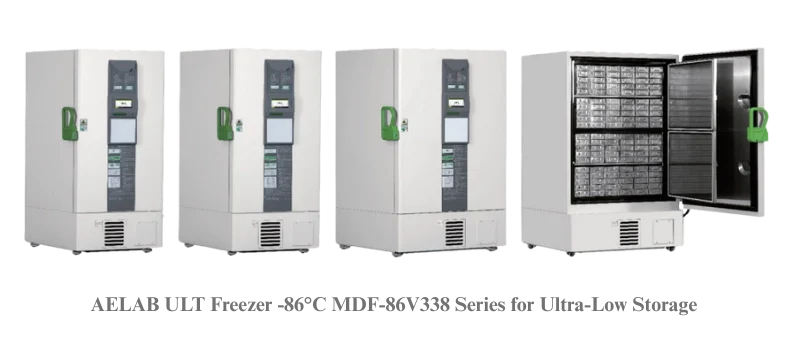
Proper Storage Organization for Refrigerator and Freezer Safety
Efficient organization improves safety and temperature consistency.
Avoid overloading shelves
Maintain clear airflow between stored items
Use racks, bins, and freezer boxes
Store frequently accessed items at the front
Maintain an up-to-date inventory
Regularly check expiration dates and chemical compatibility
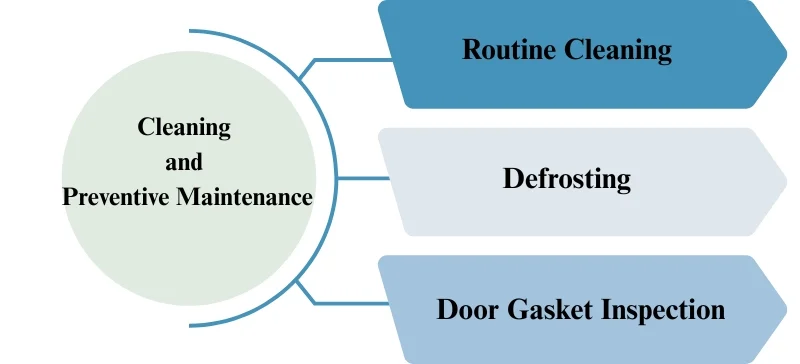
Cleaning and Preventive Maintenance for Refrigerator and Freezer Safety
Routine Cleaning
Routine cleaning, defrosting, and gasket checks are critical to refrigerator and freezer safety and consistent laboratory cold storage performance.
Clean interior surfaces with mild detergent and lukewarm water
Dry thoroughly to prevent mold and bacterial growth
Remove dust from condenser coils and ventilation areas at least twice per year
Defrosting
Ice buildup reduces airflow and increases energy consumption.
Schedule regular defrosting, especially for freezers
Ensure doors are fully closed to prevent moisture intrusion
Door Gasket Inspection
Inspect gaskets for cracks, warping, or loss of elasticity
Perform the paper test to verify proper sealing
Replace damaged gaskets promptly to maintain efficiency
Laboratory Refrigerator and Freezer Maintenance Checklist
Daily Tasks
Verify and log temperatures
Check alarm status
Ensure doors close securely
Weekly Tasks
Clean exterior surfaces
Review temperature trends
Monthly Tasks
Clean condenser coils
Inspect power cords and plugs
Annual Tasks
Professional calibration
Preventive maintenance inspection
Validation and documentation review
Handling Hazardous and Specialized Materials
Store flammable or volatile chemicals only in laboratory-safe or explosion-proof refrigerators
Explosion-proof units comply with UL, FM, and NFPA standards
Clearly label refrigerators containing radioactive materials
Spill Response
Chemical spills: Clean according to SDS instructions
Biological spills: Use a 10% bleach solution
Radioactive spills: Contact radiation safety authorities immediately
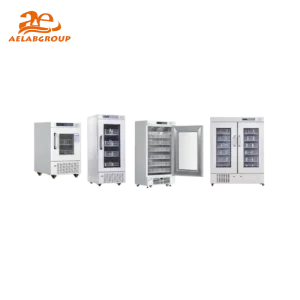
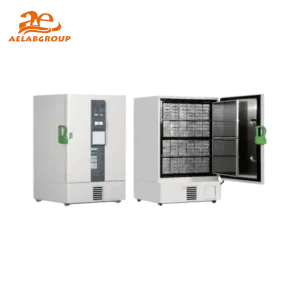
Regulatory Compliance and Documentation for Refrigerator and Freezer Safety
To maintain refrigerator and freezer safety, laboratory refrigerators and freezers must meet multiple regulatory requirements, including:
CDC vaccine storage guidelines
FDA 21 CFR Part 11
ISO 13485 and ISO 17025
WHO cold chain standards
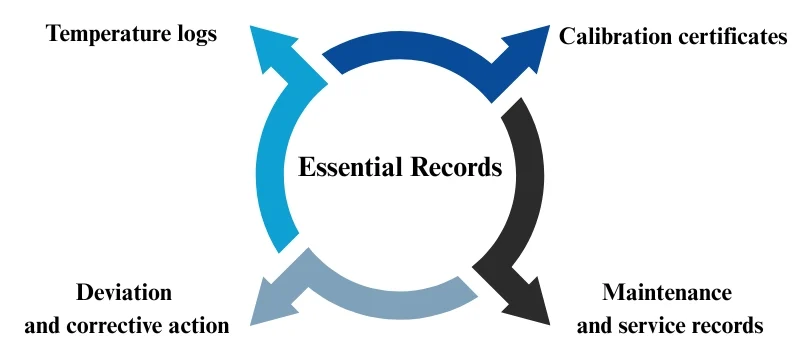
Essential Records
Temperature logs
Calibration certificates
Maintenance and service records
Deviation and corrective action (CAPA) reports
Laboratory Refrigerator vs. Domestic Refrigerator
| Feature | Laboratory Refrigerator | Domestic Refrigerator |
|---|---|---|
| Temperature Stability | High precision | Fluctuates |
| Airflow | Uniform | Uneven |
| Alarm System | Standard | Rare |
| Regulatory Compliance | Yes | No |
Conclusion: Domestic refrigerators should never be used in professional laboratory environments.
Conclusion: Protect Samples, Data, and Laboratory Integrity
Laboratory refrigerator and freezer safety and maintenance are non-negotiable aspects of laboratory operations. By implementing proper safety protocols, routine maintenance, accurate temperature monitoring, and regulatory compliance, laboratories can protect valuable samples, ensure data integrity, and extend equipment lifespan.
Call to Action
If you are planning to upgrade your laboratory cold storage systems, improve regulatory compliance, or audit your current refrigeration practices, consult a certified laboratory equipment provider today to ensure maximum safety and performance.