


Understanding the Melting Point Device and Its Applications
A Melting Point Device is an essential tool in laboratories used to determine the melting point of substances. This device plays a crucial role in the fields of chemistry, pharmaceuticals, and material science, helping researchers and professionals identify and characterize compounds accurately. Understanding how a melting point device works and its applications can provide valuable insights into its importance in scientific research and industrial processes.
How a Melting Point Device Works
A melting point device measures the temperature at which a substance transitions from a solid to a liquid state. This temperature is a critical physical property that can help identify and verify the purity of a substance.
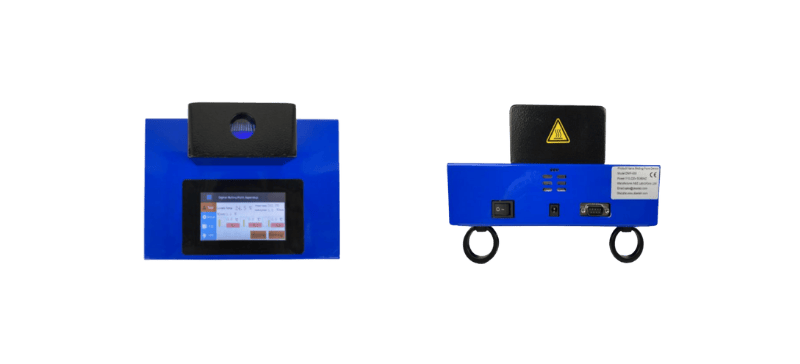
Colorful Touch Screen Melting Point Device
Key Components and Operation:
- Sample Preparation: The technician finely powders the substance and places it into a thin capillary tube.
- Heating Element: The technician inserts the capillary tube into the device’s heating chamber, where the temperature gradually increases.
- Observation Window: The technician observes the sample through a magnifying lens or digital display as the temperature rises.
- Melting Point Determination: The technician records the melting point at the exact temperature when the substance transitions from solid to liquid.
Applications of Melting Point Devices
Melting point devices are widely used in various industries and research fields due to their ability to provide precise measurements. Here are some of the primary applications:
Pharmaceutical Industry
In the pharmaceutical industry, melting point determination is crucial for identifying and verifying the purity of drugs and active pharmaceutical ingredients (APIs). A precise melting point ensures that the substance is pure and free from impurities, which is essential for the safety and efficacy of pharmaceutical products.
Chemical Analysis
Chemists use melting point devices to characterize and identify compounds. The melting point can confirm the identity of a substance and provide insights into its purity. This information is vital for quality control and research purposes, ensuring that chemical reactions and processes are carried out with accurate materials.
Material Science
In material science, the melting point is a fundamental property that helps determine the behavior of materials under different temperature conditions. Researchers use melting point devices to study the thermal properties of metals, polymers, and other materials, which is essential for developing new materials and improving existing ones.
Food and Beverage Industry
The food and beverage industry uses melting point devices to analyze the thermal properties of various ingredients and products. For instance, the melting point of fats and oils can affect the texture and stability of food products. Accurate determination of melting points helps in quality control and product development.
Advantages of Using Melting Point Devices
- Accuracy: Melting point devices provide precise and reliable measurements.
- Efficiency: Quick and straightforward operation allows for rapid analysis.
- Versatility: Applicable to a wide range of substances across different industries.
- Purity Verification: Essential for confirming the purity of compounds and materials.
Conclusion
Melting point devices are indispensable tools in modern laboratories, offering critical insights into the properties of various substances. From pharmaceuticals to material science, their applications are diverse and far-reaching. By understanding the operation and benefits of these devices, researchers and professionals can ensure the quality and integrity of their work.