

Introduction
In contemporary analytical chemistry, precise and efficient sample preparation is critical for achieving accurate and reliable results. Among the various modern techniques available, microwave-assisted digestion has become the gold standard for breaking down complex sample matrices prior to elemental analysis. This method has transformed how laboratories prepare samples for techniques such as ICP-MS, ICP-OES, and AAS, offering unmatched speed, safety, and reproducibility.
This article provides a comprehensive overview of how microwave digestion systems work, the core principles behind them, and their practical advantages across diverse scientific applications.
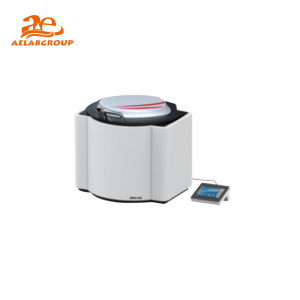
What Is Microwave Digestion?
Microwave digestion is a closed-vessel sample preparation technique that uses microwave energy to heat strong acids (e.g., HNO₃, HCl, HF, H₂SO₄, H₂O₂), decomposing solid or semi-solid samples into clear solutions for analysis. Operating at elevated temperatures (200–260°C) and high pressures, this method ensures complete digestion of even the most challenging matrices.
Microwave energy interacts with polar molecules and ions, producing heat via molecular rotation and ion collisions. This accelerates chemical reactions and significantly shortens digestion time, all within a sealed and controlled environment.
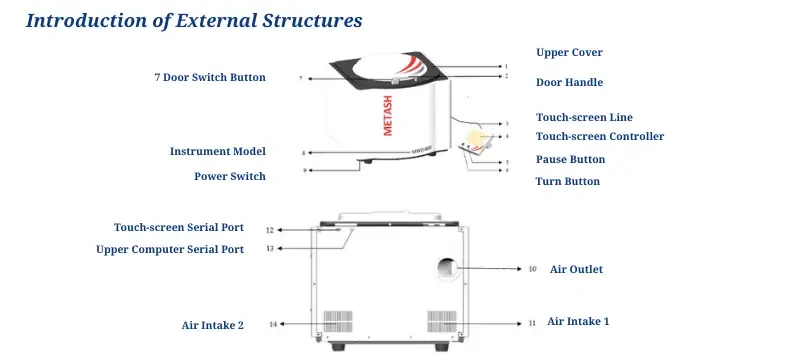
Key Components of Microwave Digestion Systems
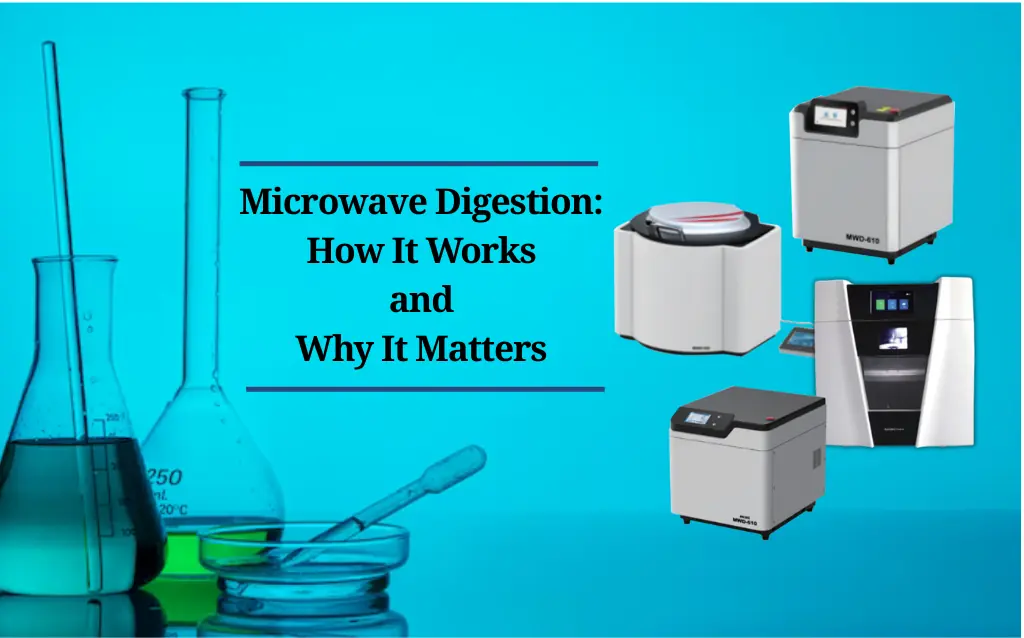
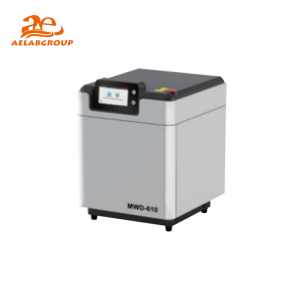
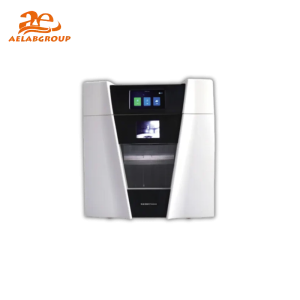
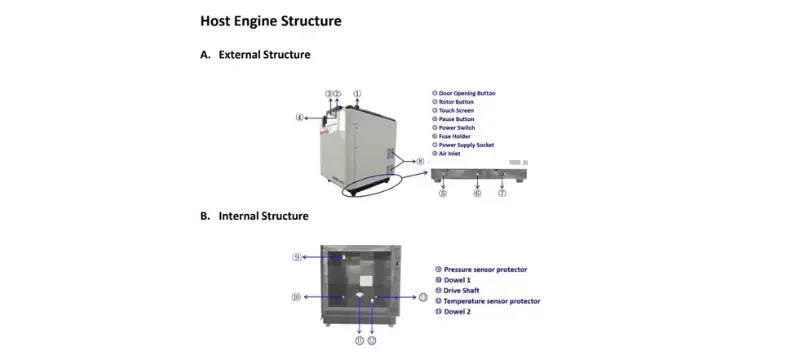
Modern microwave digestion systems integrate several advanced components to ensure high performance:
Microwave Generator
Produces electromagnetic waves that heat the sample by interacting with dipolar and ionic species.Microwave Cavity
A shielded chamber ensuring uniform distribution of microwave energy for consistent heating.High-Pressure Digestion Vessels (TFM™, PTFE, Quartz)
Chemically resistant containers designed to withstand high temperature and pressure during digestion.Temperature and Pressure Sensors
Provide real-time feedback and control, essential for reproducibility and safety.Cooling System
Gradually reduces temperature post-digestion to prevent pressure shocks and loss of volatile elements.Control Software
User-friendly interfaces that allow programming, real-time monitoring, and automation of digestion cycles.Safety Features
Include pressure relief valves, interlocks, and emergency shut-off systems to protect users and equipment.Exhaust and Ventilation
Removes toxic vapors generated during digestion, maintaining a safe working environment.Multi-Sample Racks
Enable high-throughput processing by allowing simultaneous digestion of multiple samples.
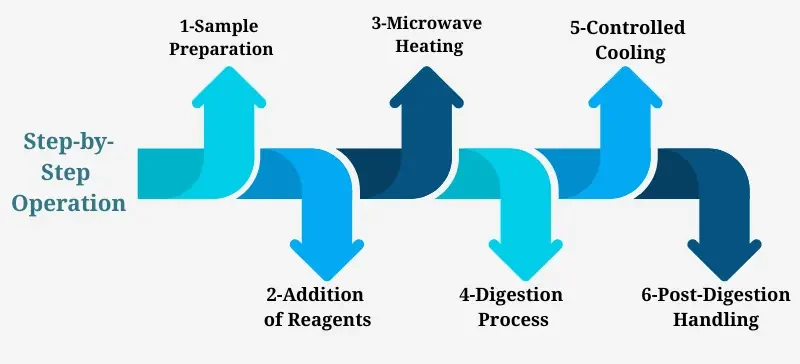
Step-by-Step Operation
Sample Preparation
Weigh the solid or liquid sample and place it into the digestion vessel.Addition of Reagents
Add appropriate acids based on the sample type and matrix.Microwave Heating
Vessels are sealed and exposed to microwave energy, rapidly increasing internal temperature and pressure.Digestion Process
The sample matrix is chemically decomposed into a homogenous solution.Controlled Cooling
The system cools the vessels gradually, stabilizing the digest and preserving volatile components.Post-Digestion Handling
The clear solution is ready for further analysis using elemental detection techniques.
Advantages Over Conventional Methods
| Feature | Microwave Digestion | Open Vessel Digestion |
|---|---|---|
| Digestion Time | 20–60 minutes | 2–4 hours or more |
| Safety | High (sealed, automated) | Moderate (exposure to vapors) |
| Efficiency | High (multi-sample capability) | Medium |
| Reproducibility | Excellent | Variable |
| Contamination Risk | Very Low | Higher (open environment) |
| Labor Intensity | Low (automated process) | High (manual steps) |
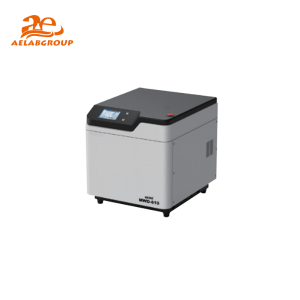
Applications Across Industries
Microwave digestion is used in numerous sectors requiring trace elemental analysis:
Environmental Testing
Digestion of soil, sediment, sludge, and water for heavy metals (EPA 3051A, 3052 protocols)Pharmaceuticals
Metal impurity analysis in drug products and excipients (ICH Q3D compliance)Food & Agriculture
Mineral content analysis in dairy, cereals, meats, and processed foods (Codex and FDA standards)Materials Science & Metallurgy
Digestion of alloys, ceramics, composites, and nanomaterialsClinical & Biomedical Research
Analysis of biological matrices like blood, tissue, and urine for nutritional and toxicological studies
Best Practices and Quality Control
To ensure accuracy and repeatability in microwave digestion:
Use validated protocols to comply with industry regulations.
Perform blank runs to identify potential contamination.
Conduct recovery studies by spiking samples with known standards.
Calibrate and maintain equipment regularly to avoid cross-contamination.
Do not overfill vessels, and always select the correct reagent mixture for your sample type.
Safety Considerations
Microwave digestion involves elevated pressures and temperatures, making safety features essential:
For inorganic samples, temperature monitoring may suffice.
For organic matrices, both temperature and pressure must be closely monitored due to gas formation (e.g., CO₂).
All vessels must be equipped with overpressure relief mechanisms connected to an exhaust manifold to ensure safe operation.
Conclusion
Microwave digestion represents a transformative leap in sample preparation, offering unmatched speed, precision, and safety for elemental analysis. Its closed-system efficiency, high-throughput capability, and broad chemical compatibility make it an indispensable tool in modern laboratories.
Whether used in environmental testing, pharmaceuticals, or materials science, adopting microwave digestion allows laboratories to generate more accurate data, meet regulatory standards, and optimize productivity.
Microwave digestion doesn’t just improve sample preparation—it redefines it.