

A muffle furnace is a high-temperature heating device used extensively in laboratories and industries. It is known for providing precise temperature control while isolating materials from combustion gases and fuel byproducts. This article explores the essential features, applications, benefits, and considerations for selecting the right muffle furnace based on various scientific and industrial requirements.
What is a Muffle Furnace?
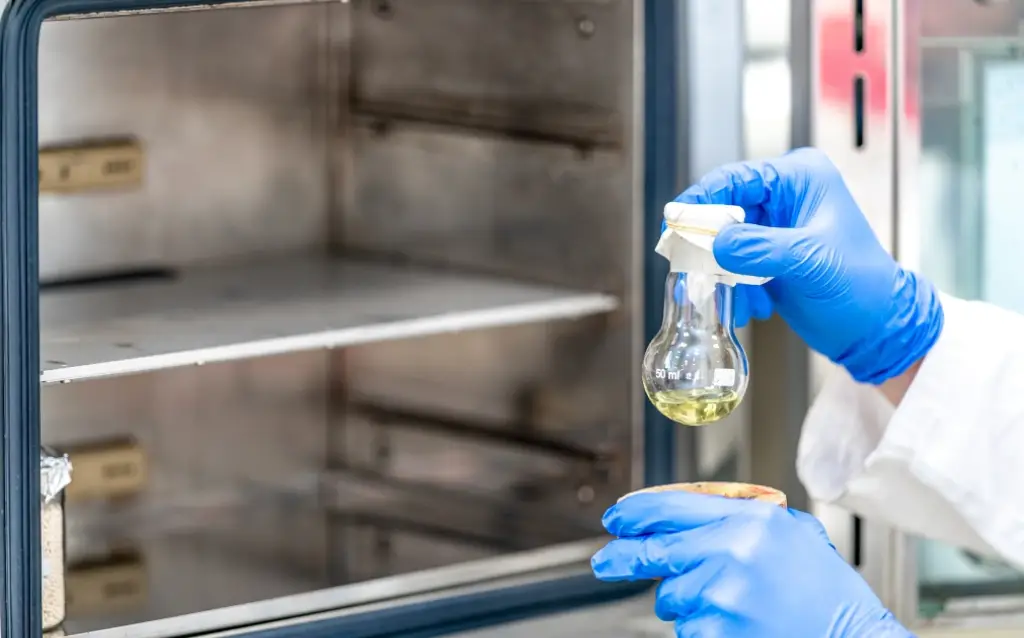
A muffle furnace is a laboratory instrument designed to heat materials to high temperatures while keeping them isolated from the heat source, preventing contamination from combustion gases. The furnace features an insulated chamber, ensuring that the sample remains unaffected by external heat or pollutants. Muffle furnaces are also known as chamber furnaces or box furnaces due to their enclosed design.

Learn more : How Microwave Digestion Systems Work
What are Muffle Furnaces Used For?
Muffle furnaces serve a variety of essential functions in both laboratories and industrial settings. They are widely used for:
-
Ashing
Determining the ash content of a sample.
-
Heat Treatment
Altering the physical and chemical properties of materials.
-
Annealing
Softening materials or relieving internal stress.
-
Sintering
Fusing powder materials together at high temperatures.
-
Calcination
Heating materials to induce chemical changes.
-
Loss on Ignition (LOI)
Measuring the loss of material weight when heated.
These processes make muffle furnaces indispensable in industries such as biomedical, ceramics, pharmaceuticals, and glass production.
What is the Difference Between a Muffle Furnace and an Oven?
A muffle furnace is specifically designed to isolate the material being heated from the heat source and combustion byproducts. Unlike ovens, which are used for general heating applications, muffle furnaces ensure a contamination-free environment, which is essential for precise tasks such as ashing and sintering.
How Does a Muffle Furnace Work?
A muffle furnace operates by enclosing the material inside a chamber separated from the heating elements. Heating elements, typically made from Kanthal wire or silicon carbide, generate heat that is retained within the insulated chamber. The heat source does not directly contact the sample, preventing contamination. Modern muffle furnaces are equipped with digital controllers, allowing for precise temperature settings, making them ideal for high-temperature applications.
What is the Principle of a Muffle Furnace?
The principle behind this device is simple: isolate the sample from combustion gases and fuel byproducts by enclosing it within an insulated chamber. This ensures a clean and controlled heating environment, allowing for accurate results in various applications like ashing, sintering, and calcination.
Temperature Range of Muffle Furnaces
Muffle furnaces have varying temperature ranges:
-
Standard models
These reach temperatures between 1000°C and 1200°C, suitable for general material processing.
-
High-temperature models
Some muffle furnaces can reach 1600°C to 1800°C, ideal for specialized processes like advanced materials testing.
Applications of Muffle Furnaces
Muffle furnaces are versatile and find applications in multiple industries, including:
-
Materials Testing
Determining the non-combustible content of samples and analyzing material behavior at high temperatures.
-
Ceramics Processing
Used to fire and harden ceramic products.
-
Quality Control
Verifying the properties of materials to meet industry standards.
-
Environmental Testing
Simulating extreme heat conditions to assess material behavior.
These industries benefit significantly from the consistent and controlled heating capabilities of muffle furnaces.

Benefits of Using a Muffle Furnace
There are several key benefits of using muffle furnaces:
-
Cost-Effective
Due to their long service life and energy efficiency, muffle furnaces are a cost-effective option for laboratories and industries.
-
High Temperature Resistance
Built from heat-resistant materials, muffle furnaces provide durability even in demanding environments.
-
Temperature Uniformity
The design of the furnace ensures even heat distribution, which is essential for processes like sintering and annealing.
-
Energy Efficiency
Many muffle furnaces are designed to minimize heat loss, making them more energy-efficient compared to conventional heating methods.
How to Choose the Right Muffle Furnace
When selecting the right muffle furnace for your needs, consider the following factors:
-
Temperature Range
Choose a furnace that can achieve the necessary temperature for your application. Standard models typically reach 1000°C to 1200°C, but higher temperatures may be required for certain processes.
-
Chamber Size
Ensure the furnace chamber is large enough to accommodate your sample without wasting energy on excess space.
-
Heating Elements
Look for a furnace with durable heating elements like Kanthal wire or silicon carbide that offer excellent heat distribution and longevity.
-
Digital Controls
Modern muffle furnaces come with digital controllers, allowing for precise temperature control.
-
Exhaust and Ventilation
Some models come with exhaust systems to remove combustion gases and prevent contamination.
Frequently Asked Questions
-
What is a muffle furnace?
- It is a high-temperature heating device used to heat materials while isolating them from fuel and combustion byproducts.
-
What is the difference between a muffle furnace and an oven?
- Unlike ovens, muffle furnaces isolate the material from the heat source, ensuring no contamination from combustion gases, making them ideal for precise applications like ashing and sintering.
-
What is the principle of a muffle furnace?
- The principle is to enclose the material in an insulated chamber to prevent contamination by isolating it from the combustion gases and heat source.
-
What is another name for a muffle furnace?
- Muffle furnaces are also known as chamber furnaces or box furnaces.
-
How does a muffle furnace work?
- It works by enclosing the material in an insulated chamber, where heat is evenly distributed, ensuring a clean heating environment free from combustion gases.
-
How to choose the right muffle furnace?
- When choosing the right device, consider factors such as the temperature range, chamber size, heating elements, and digital control systems to meet your specific requirements.
Aelab’s related products

Box Type Muffle Furnace AE SX Series
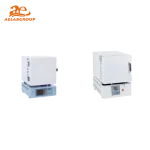
Ceramic Muffle Furnace AE TC Series
Conclusion
A muffle furnace serves as an essential tool in both laboratory and industrial applications that require high-temperature heating.. Its ability to provide precise temperature control and isolate materials from combustion byproducts makes it indispensable for tasks like ashing, sintering, heat treatment, and more. When selecting a muffle furnace, it is important to consider factors such as temperature range, chamber size, and heating element durability to ensure optimal performance for your specific application.