Introduction
In modern molecular biology, clinical diagnostics, and genetic research, nucleic acid extraction and purification are foundational for accurate downstream analysis. Whether the goal is PCR amplification, next-generation sequencing (NGS), cloning, CRISPR assays, or viral detection, the quality, purity, and integrity of DNA and RNA directly determine the reliability of results.
Traditionally performed using manual chemical and mechanical methods, nucleic acid extraction has evolved with automated instruments and magnetic bead platforms that deliver higher throughput, reproducibility, and biosafety. Laboratories today can choose from manual kits for small-scale experiments to industrial-scale extraction systems capable of processing hundreds of samples in parallel.
What is Nucleic Acid Extraction and Purification?
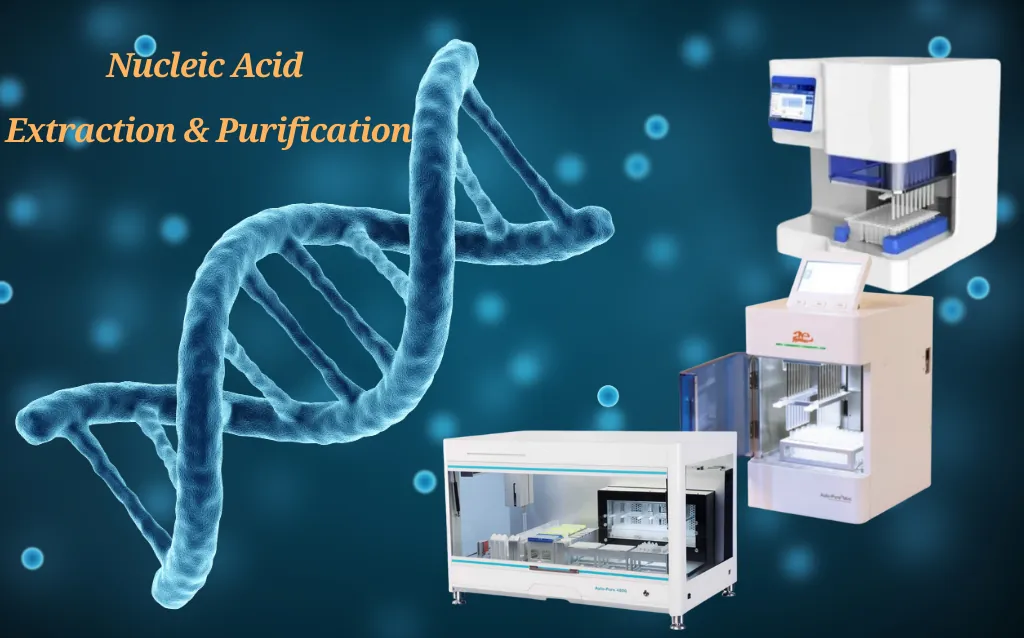
Nucleic acid extraction is the process of isolating DNA or RNA from biological or environmental samples, while purification removes proteins, lipids, polysaccharides, and chemical inhibitors. AELAB nucleic acid extraction systems ensure high-quality yields suitable for sensitive applications.
Nucleic acid extraction and purification is the process of isolating DNA or RNA from samples while removing impurities, enabling reliable molecular analyses such as PCR, sequencing, and diagnostics.
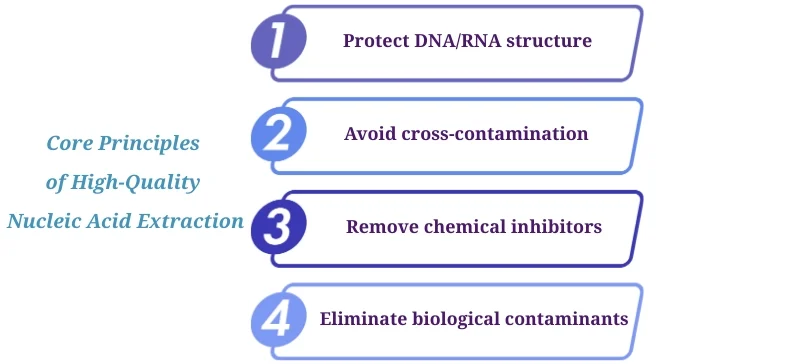
Core Principles of High-Quality Nucleic Acid Extraction
Effective extraction must:
Preserve the native structure of DNA/RNA to prevent degradation.
Prevent cross-contamination between samples.
Remove inhibitors such as phenol, ethanol residues, and metal ions.
Eliminate biological contaminants like proteins, lipids, and polysaccharides.
Key Steps in Nucleic Acid Extraction
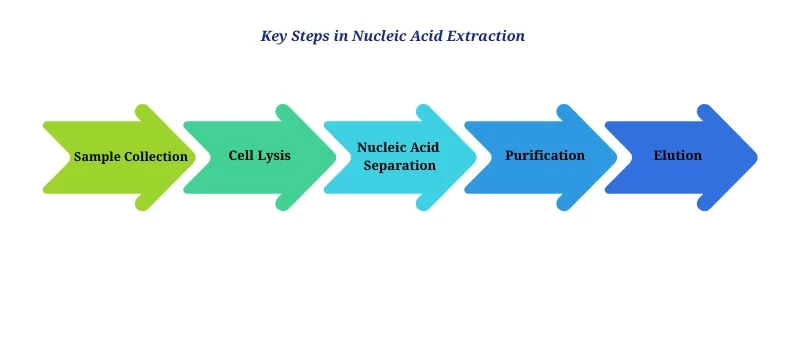
Despite differences between systems, the standard workflow includes:
Sample Collection
Blood, saliva, tissue, cultured cells, environmental samples.
Cell Lysis
Chemical, enzymatic, or mechanical methods to release nucleic acids.
Nucleic Acid Separation
Silica membranes, magnetic beads, or organic solvents isolate DNA/RNA.
Purification
Washing away proteins, lipids, and inhibitors to obtain clean nucleic acids.
Elution
Recovering purified DNA/RNA in buffer or nuclease-free water.
Manual vs. Automated Extraction Systems
| Type | Advantages | Limitations |
|---|
| Manual Kits (spin columns, magnetic beads) | Low cost, flexible | Higher hands-on time, user variability |
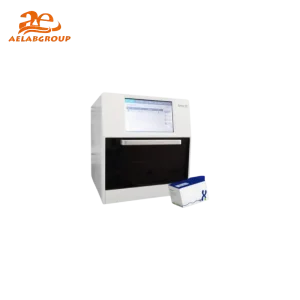
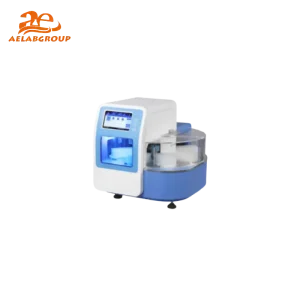
| Automated Benchtop Systems | Consistency, reduced contamination, faster | Higher initial investment |
| High-Throughput Systems | Process hundreds of samples, ideal for large labs | Space requirements, consumables |
DNA Extraction vs. RNA Extraction
| Feature | DNA | RNA |
|---|---|---|
| Stability | Relatively stable | Highly sensitive to degradation |
| Enzyme Sensitivity | DNases | RNases |
| Storage | -20°C or -80°C | -80°C, rapid processing required |
| Applications | Sequencing, genotyping, forensics | Gene expression, transcriptomics, viral detection |
Key Tip: RNA workflows require RNase-free reagents, cold handling, and rapid processing.
Why Purity Matters
High-quality nucleic acids are essential for:
qPCR
NGS
CRISPR screening
Residual proteins, hemoglobin, polysaccharides, or ethanol can lead to:
False negatives in pathogen detection
Low sequencing read quality
Inaccurate gene expression quantification
AELAB extraction systems are designed to maximize purity without compromising yield.
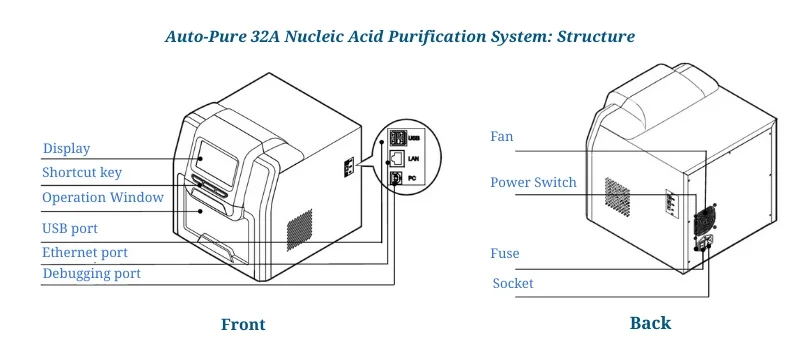
Applications of Nucleic Acid Extraction
Medical Diagnostics: COVID-19, HIV, tuberculosis detection
Forensic Science: DNA profiling from trace evidence
Genetic Research: Genome mapping, epigenetic studies
Biopharma: Vaccine development, gene therapy
Food Safety & Environment: Detecting microbial contamination in food, water, and soil
The Role of Automation in Modern Labs
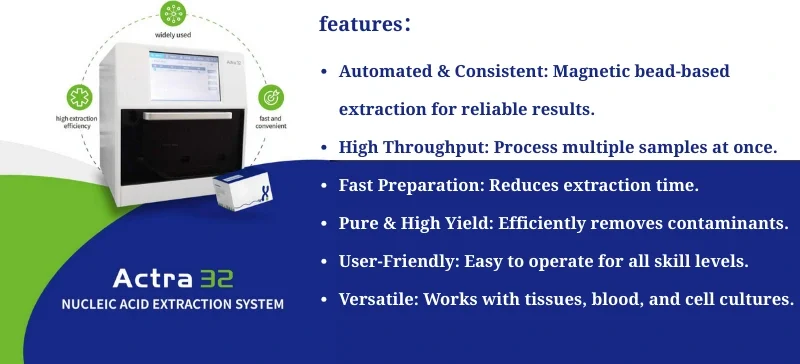
Automated nucleic acid extraction systems, such as AELAB instruments, offer:
Standardized protocols for reproducibility
Reduced human error
High-throughput testing for outbreak response
Enhanced biosafety
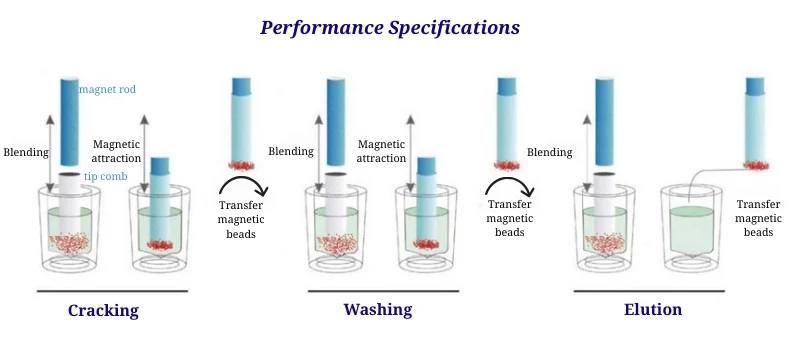
Expert Tips for Optimal Results
Use fresh, high-quality samples
Add RNase inhibitors for RNA workflows
Regularly calibrate instruments
Follow manufacturer protocols precisely
Include positive and negative controls
Store nucleic acids appropriately (DNA: -20°C, RNA: -80°C)
Conclusion
Nucleic acid extraction and purification remain cornerstones of modern science. With automated and AELAB systems, researchers and clinicians can achieve faster, safer, and more reproducible results. Selecting the right method depends on sample type, throughput, and downstream applications—but the goal is the same: pure, intact DNA and RNA for reliable science.
Take Action: Explore AELAB extraction systems to elevate your lab workflows and ensure consistent high-quality results in every experiment.