

Introduction: Why Accurate Metal Analysis Is Critical Today
Metal quality directly impacts safety, performance, and long-term durability across industries such as automotive, aerospace, energy, metallurgy, and precision manufacturing, which is why the OES vs XRF comparison has become increasingly important. As global standards become stricter, accurate metal composition analysis is no longer optional—it is a business necessity.
Modern metal inspection applications demand:
Fast and reliable Positive Material Identification (PMI)
High-precision chemical composition analysis
Accurate detection of trace and light elements (C, P, S, N, B)
Confident alloy grade identification
Full compliance with ASTM, ISO, and EN standards
When choosing between Optical Emission Spectroscopy (OES) and X-ray Fluorescence (XRF), the right decision depends on how deep your analysis needs to go and which elements matter most for your products and quality control process.
As a professional analytical instrument supplier, AELAB provides both advanced OES systems and XRF analyzers. This guide explains how each technology works, compares their performance, and helps you select the most suitable metal analysis solution for your business.
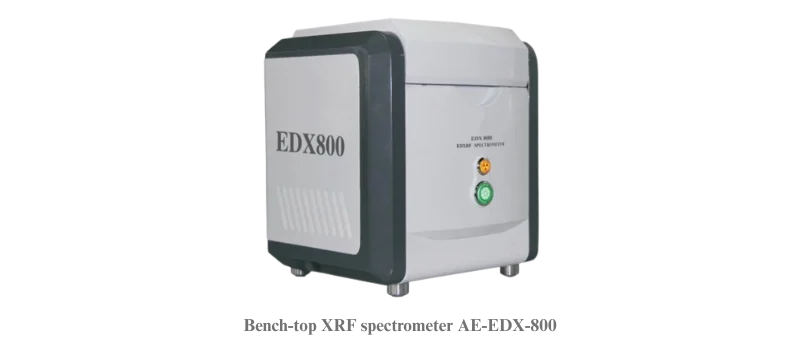
What Is an Optical Emission Spectrometer (OES)?
What Is an Optical Emission Spectrometer (OES)?
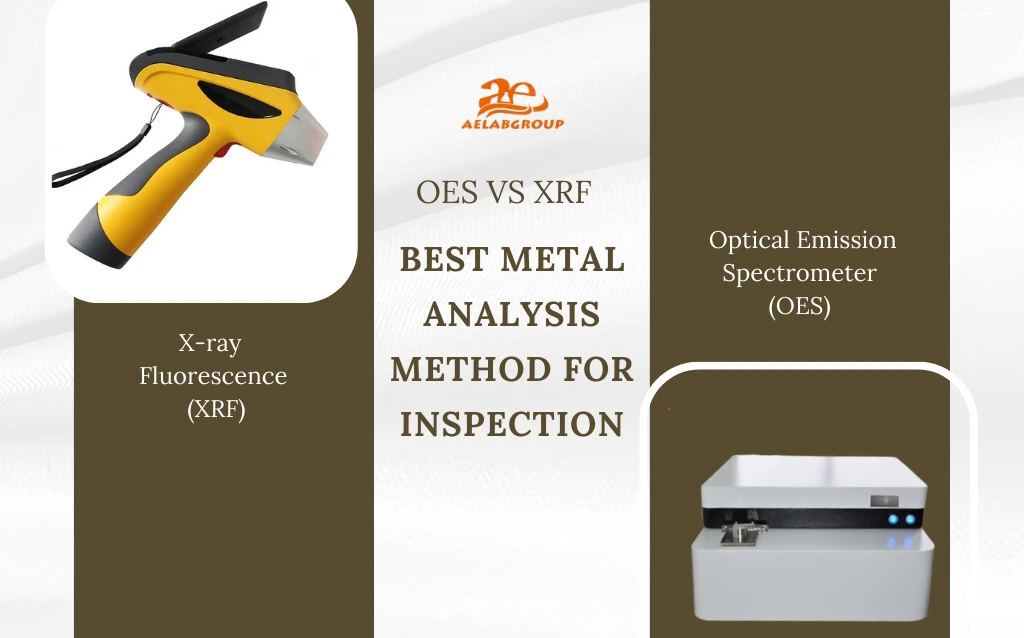
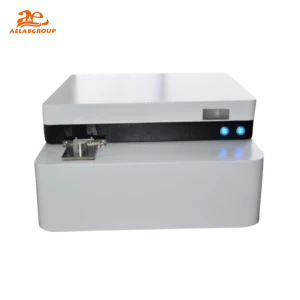
An Optical Emission Spectrometer (OES)—also known as a direct reading spectrometer—is widely regarded as the gold standard for high-accuracy metal composition analysis in production and laboratory environments.
How OES Works
OES uses a high-energy electrical spark (Arc/Spark OES) applied to the metal surface. This spark excites atoms within the sample, causing them to emit light at element-specific wavelengths. The spectrometer measures this emitted light to precisely determine the concentration of each element present.
Key Characteristics of OES
Requires a controlled environment with high-purity argon gas
Capable of detecting light elements such as carbon, phosphorus, sulfur, nitrogen, and boron
Suitable for ferrous and non-ferrous metals
Designed for high-precision alloy production and quality assurance
Advantages of OES
Exceptional accuracy and repeatability
Reliable detection of carbon and other light elements
Ideal for steelmaking, aerospace, and metallurgical QA/QC
Industry-approved for material certification
Limitations of OES
Micro-destructive (leaves a small burn mark)
Requires surface preparation (grinding/cleaning)
Larger footprint and limited portability
Higher initial and operational costs
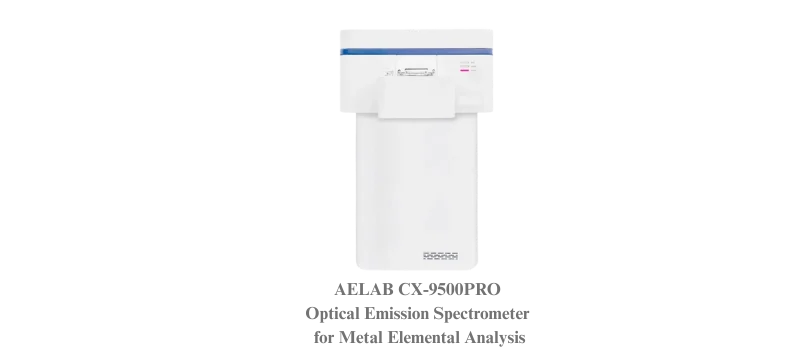
What Is XRF (X-ray Fluorescence Spectroscopy)?
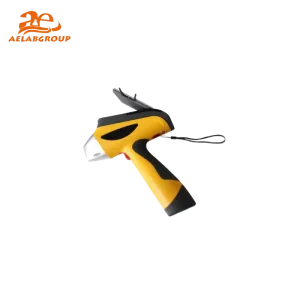
X-ray Fluorescence (XRF) is a fast, non-destructive analytical technique primarily used for rapid elemental identification and alloy screening.
How XRF Works
XRF instruments expose the sample to primary X-rays, which displace inner-shell electrons. When outer-shell electrons fill these vacancies, the atoms emit characteristic fluorescent X-rays. These signals are analyzed to identify elements and estimate their concentrations.
Key Characteristics of XRF
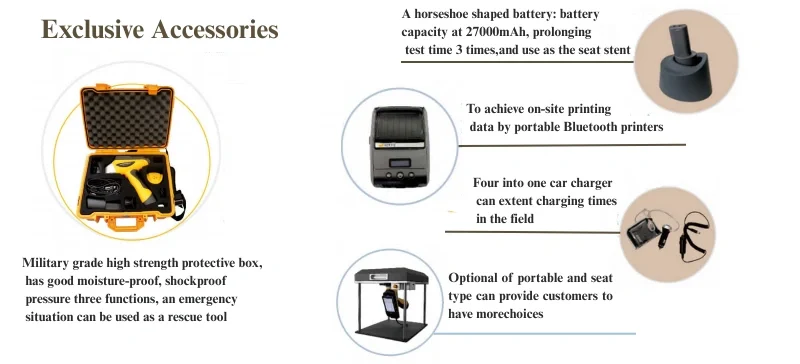
Available in handheld and benchtop formats
Requires minimal or no sample preparation
Non-destructive testing method
Ideal for field inspections and rapid screening
Advantages of XRF
Completely non-destructive
Extremely fast analysis (seconds per test)
Highly portable and easy to operate
Excellent for mid-to-heavy elements (Cr, Ni, Mo, Cu, etc.)
Limitations of XRF
Cannot reliably detect light elements such as carbon, nitrogen, sulfur, or boron
Lower accuracy for trace-level quantification
Not suitable for precise steel grade differentiation
OES vs XRF: Performance and Application Comparison
| Comparison Dimension | OES | XRF |
|---|---|---|
| Light Element Detection | Excellent (C, P, S, N, B) | Very limited / Not reliable |
| Heavy Element Detection | Excellent | Excellent |
| Accuracy & Precision | Very high | Moderate to high |
| Sample Damage | Micro-destructive | Non-destructive |
| Sample Types | Solid conductive metals | Solids, powders, liquids |
| Portability | Low (mostly stationary) | High (handheld options) |
| Analysis Speed | 10–30 seconds | 1–10 seconds |
| Operating Costs | Higher (argon, maintenance) | Lower overall |
👉 Featured Snippet Answer:
OES is ideal for high-precision alloy and carbon analysis, while XRF is best for fast, non-destructive, on-site metal identification.
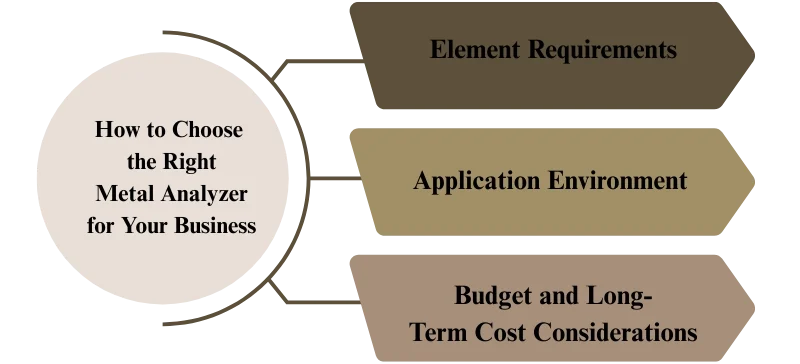
How to Choose the Right Metal Analyzer for Your Business: OES vs XRF
1. Element Requirements: Carbon Is the Deciding Factor
If your application requires accurate detection of carbon or other light elements, OES is the only reliable choice. This is critical for:
Steel grade differentiation (e.g., 304 vs 304L)
Furnace control and metallurgical consistency
Certification and compliance testing
XRF simply cannot detect these elements at meaningful levels.
If your goal is rapid alloy identification without carbon dependency, XRF offers unmatched speed and convenience.
2. Application Environment: Laboratory or Field?
Laboratory & Production Lines:
Benchtop OES provides laboratory-grade precision for strict quality control.On-Site & Field Inspections:
Handheld XRF analyzers excel in scrapyards, pipelines, construction sites, and incoming material inspections.
3. Budget and Long-Term Cost Considerations
OES: Higher upfront cost, ongoing argon consumption, skilled operation
XRF: Lower total cost of ownership, minimal consumables, easy operation
Think in terms of ROI, not just purchase price.
Why Choose AELAB for Metal Analysis Solutions?
AELAB understands that every industry has unique analytical requirements. Rather than promoting a single technology, we focus on solution-driven recommendations based on:
Your inspection goals
Required accuracy and elements
Budget and operational constraints
Our portfolio includes high-performance OES spectrometers and reliable portable XRF analyzers, ensuring optimal performance and long-term value for your metal analysis operations.
Final Conclusion: OES vs XRF—Choose Based on Your Needs
There is no universally “better” technology in the OES vs XRF debate. The correct choice depends entirely on your inspection priorities:
Choose OES for high accuracy, carbon detection, and strict quality control
Choose XRF for fast, non-destructive, on-site alloy identification
With the right understanding and the right partner, metal analysis becomes a competitive advantage—not a bottleneck.
Call to Action (CTA)
Not sure which metal analysis solution fits your application?
Let AELAB help you select the most efficient and cost-effective analyzer for your workflow.
👉 Contact our technical team today for a personalized consultation.