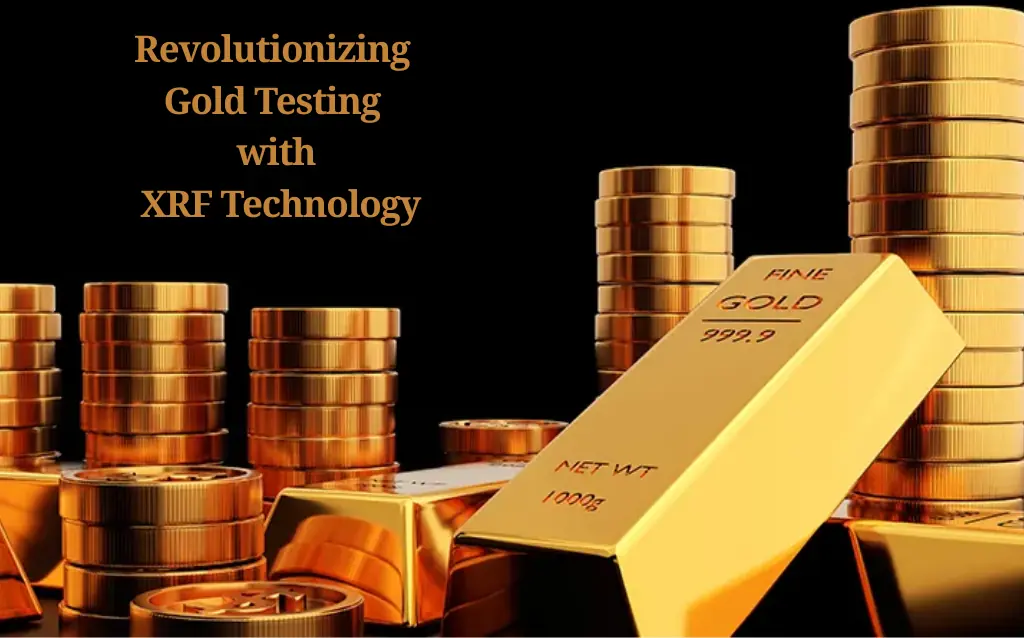
Introduction to Gold Testing with X-Ray Fluorescence (XRF)
Gold has been a symbol of wealth and financial security for centuries. However, with its high value comes the persistent risk of counterfeit and impure gold entering the market. Traditional testing methods, such as acid tests and fire assays, can be destructive, time-consuming, and less accurate. To mitigate these risks, X-ray fluorescence (XRF) analyzers have emerged as a fast, non-destructive, and highly accurate method for testing gold, providing a reliable solution for investors, jewelers, and consumers.
XRF technology has revolutionized gold testing, offering precise and rapid results by determining the elemental composition of a material. It works by emitting high-energy X-rays onto a gold sample, which excites the atoms in the material, causing them to emit secondary (fluorescent) X-rays. These emitted X-rays are then detected and analyzed to identify the elements and their concentrations, providing an accurate assessment of the sample’s purity
Types of XRF Analyzers for Gold Testing
XRF analyzers come in two primary types:
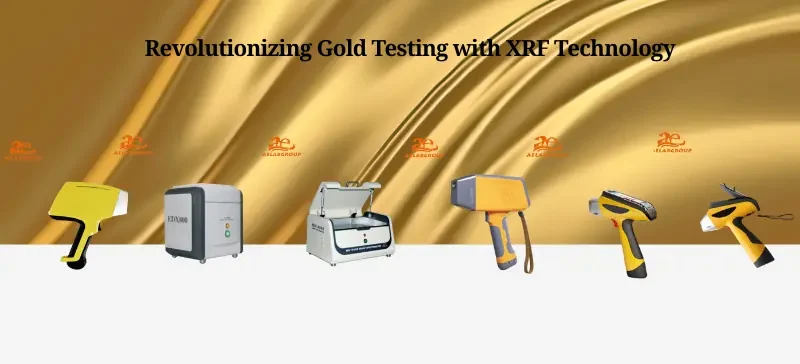
Handheld XRF Analyzers: These are portable, convenient, and perfect for on-the-spot testing in places such as jewelry stores, pawnshops, and fieldwork. They are compact and provide quick results without the need for sample preparation, making them an excellent choice for quick and easy evaluations.
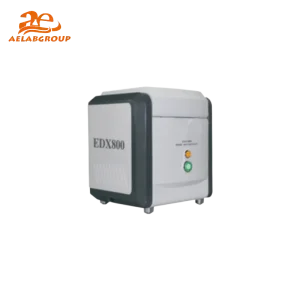
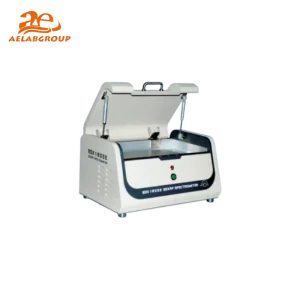
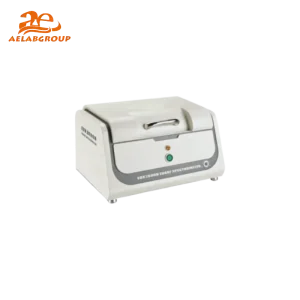
Benchtop XRF Analyzers: Larger and more precise, these are typically used in laboratories for in-depth analysis. They offer higher sensitivity and are ideal for specialized tests or complex material characterization.



How XRF Analyzers Identify Real Gold
XRF analyzers are designed to detect and analyze the elemental composition of a sample. In gold testing, XRF provides highly accurate measurements of gold purity, even detecting trace elements like copper, silver, and zinc, which are often alloyed with gold. AELAB XRF analyzers, for example, can detect gold concentrations with accuracy as high as 0.01%. Additionally, XRF can differentiate between real gold and counterfeits, such as gold-plated items or tungsten-filled gold bars.
The process involves placing the gold sample under the XRF analyzer’s sensor, emitting X-rays that excite the atoms within the material. The analyzer then detects the secondary X-rays emitted by the atoms, each element having a unique energy signature. This allows the analyzer to determine the exact composition of the gold, providing a breakdown of purity and any alloying elements.
Advantages of XRF Over Traditional Gold Testing Methods
Non-Destructive: XRF does not damage the sample, unlike acid tests, which can leave permanent damage on the jewelry or gold.
Rapid and Accurate Results: XRF analyzers provide immediate, highly accurate results, whereas traditional methods like acid testing are time-consuming and provide only approximations of gold purity.
Gold Plating Detection: XRF can identify gold-plated items, providing transparency and safeguarding against fraudulent practices.
Comprehensive Analysis: Unlike acid testing, which only offers a rough estimation of purity, XRF can analyze the entire composition of the sample, including any alloying metals.


Applications of XRF Analyzers in the Gold Industry
XRF technology is widely used in various sectors:
Jewelers: To verify the authenticity and purity of gold, ensuring customers receive the gold quality they paid for.
Gold Traders & Refiners: To assay gold bullion and scrap, ensuring precise valuations and preventing fraudulent gold from entering the market.
Pawn Shops: To quickly assess the value of gold items brought in as collateral.
Customs & Law Enforcement: To detect and identify counterfeit gold in transit, aiding in fraud prevention and smuggling detection.
Recycling Facilities: To determine the gold content in electronic waste and other materials for efficient gold recovery.
Accuracy and Precision of XRF Testing
XRF gold testers are highly accurate, especially for higher-karat gold (such as 22K or 24K). AELAB XRF analyzers, for instance, offer precision down to 0.01%, ensuring that even minute traces of impurities or alloy metals are detected. However, the accuracy of XRF can be influenced by factors such as sample surface condition, calibration, and the presence of coatings or plating.
Why Choose XRF for Gold Testing?
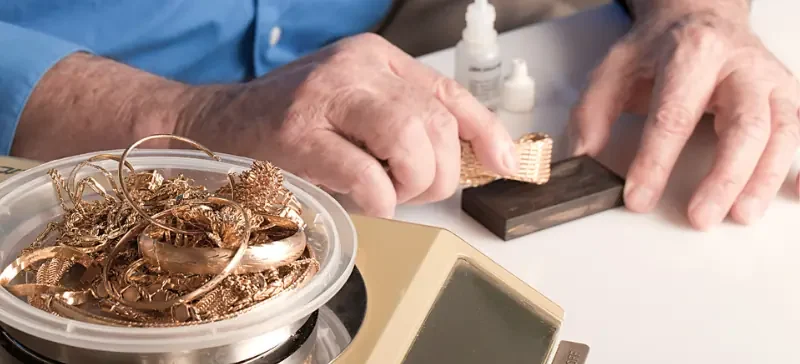
Traditional methods like nitric acid testing have notable drawbacks:
Inaccuracy: Acid tests only provide an estimate of purity and may not reveal frauds such as gold plating or tungsten-filled bars.
Damage: Acid tests can damage valuable gold items, compromising their integrity.
Health Hazards: Acid tests involve hazardous chemicals that pose risks of burns and exposure to harmful fumes.
XRF, on the other hand, is a safe, environmentally friendly, and highly accurate method that does not pose health risks and does not cause damage to the gold being tested. This makes XRF the preferred choice for jewelers, investors, and professionals in the gold industry.
Choosing the Right XRF Analyzer
When selecting an XRF analyzer for gold testing, consider the following factors:
Accuracy and Precision: Look for an analyzer that provides highly accurate results, especially when testing lower karat or alloyed gold.
Portability: Portable XRF analyzers are ideal for quick on-site testing, while benchtop models are more suited for detailed and high-precision lab analyses.
Software and Data Management: Choose an analyzer with user-friendly software that facilitates easy data analysis and reporting.
Calibration and Standards: Regular calibration ensures the analyzer delivers consistent and reliable results.
The Future of Gold Testing with XRF
As gold counterfeiting becomes more sophisticated, the role of XRF technology in ensuring gold authenticity will continue to grow. XRF analyzers like AELAB provide an essential tool for maintaining integrity in gold transactions, offering fast, reliable, and non-destructive testing. The future of gold testing lies in embracing these advanced technologies to meet the increasing demand for accuracy, safety, and cost-efficiency.
Conclusion
XRF technology, especially through devices like AELAB XRF analyzers, has transformed the way gold testing is conducted, offering unparalleled speed, accuracy, and safety compared to traditional methods. Whether you’re a jeweler, investor, or industry professional, XRF ensures reliable and non-destructive testing, safeguarding against fraud and ensuring the authenticity of gold. With its continued development, XRF is poised to remain the gold standard in precious metal testing