

Introduction
Dry bath incubators—also known as dry block heaters—are essential laboratory instruments used for precise temperature control in molecular biology, clinical diagnostics, pharmaceutical research, and industrial laboratories. Ensuring the Safe Operation of Dry Bath equipment is critical, as improper handling, inadequate maintenance, or inaccurate calibration can lead to compromised experimental results, equipment damage, and potential safety hazards for laboratory personnel.
In this complete guide, we provide a professional, practical, and SEO-optimized overview of safe operation practices for dry bath incubators, including usage best practices, maintenance routines, calibration procedures, troubleshooting guidance, and frequently asked questions.
Whether you are a lab technician, researcher, laboratory manager, or quality control specialist, this guide will help you maintain accuracy, operational safety, and compliance with laboratory standards.
What Is a Dry Bath Incubator?
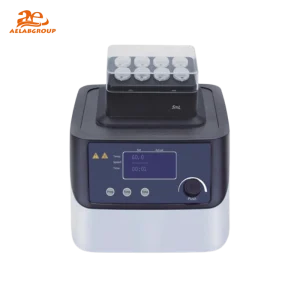
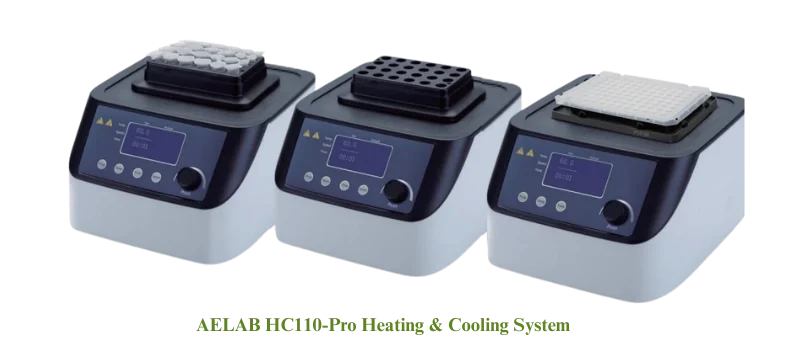
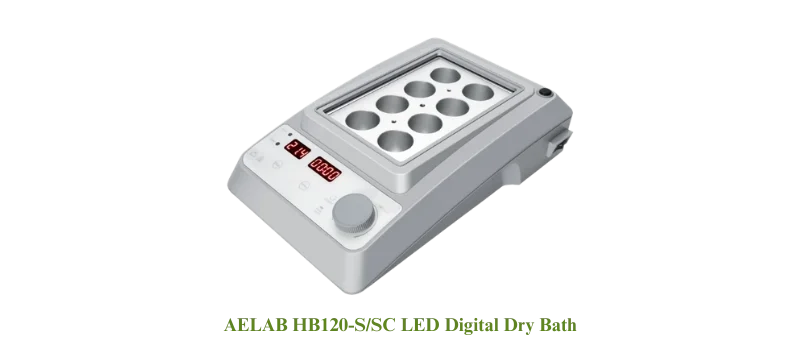
A dry bath incubator is a laboratory device designed to heat samples at a constant, controlled temperature using interchangeable metal blocks instead of water. Unlike water baths, dry bath incubators eliminate contamination risks associated with water while providing stable thermal conditions.
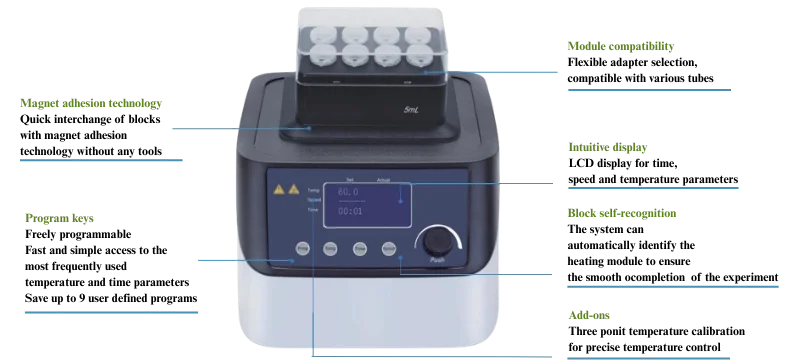
Key Components of a Dry Bath Incubator:
Heating block (aluminum or alloy)
Temperature control system
Digital display and control panel
Built-in temperature sensor
Safety features (overheat protection)
Common Applications:
DNA/RNA sample incubation
Enzyme reactions
Sample thawing
Protein denaturation
Clinical diagnostics testing
Pharmaceutical stability studies

Why Safe Operation of Dry Bath Incubators Matters
Proper usage directly impacts:
Accuracy of experimental results
Laboratory safety compliance
Equipment longevity
Prevention of sample contamination
Reduced downtime and repair costs
Failure to follow proper procedures may result in temperature drift, sample degradation, or even fire hazards in extreme cases.
Practical Tips for Safe Operation of Dry Bath Devices
1. Pre-Operation Safety Checklist
Before switching on the unit:
Ensure the incubator is placed on a stable, heat-resistant surface.
Verify proper ventilation around the device.
Inspect power cords for damage.
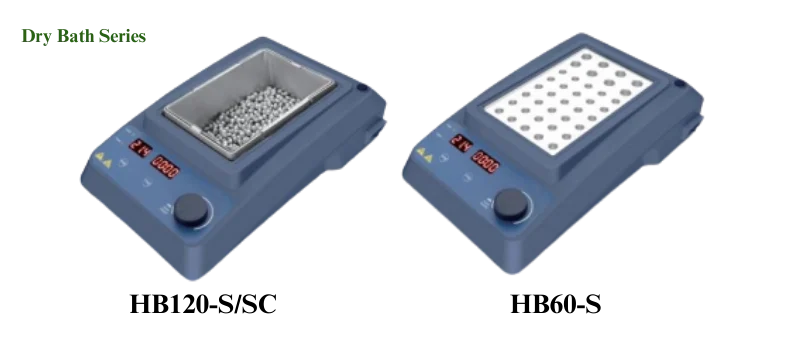
Confirm the correct heating block is installed securely.
Check temperature settings before inserting samples.
Pro Tip: Always consult the manufacturer’s user manual for model-specific instructions.
2. Proper Sample Placement
Incorrect sample placement can cause uneven heating.
Best Practices:
Use compatible tubes for the selected block.
Ensure tubes fit snugly in the block wells.
Avoid overfilling tubes.
Do not insert damaged or cracked tubes.
Keep lids closed to prevent evaporation.
Uneven contact between tube and heating block can cause temperature inconsistencies.
3. Temperature Setting & Monitoring
Accurate temperature control is critical for molecular biology applications.
Steps for Safe Temperature Setup:
Power on the device.
Set desired temperature using digital controls.
Allow preheating time (usually 5–15 minutes).
Verify temperature using a calibrated external thermometer if required.
Insert samples only after temperature stabilizes.
Important Safety Note:
Never exceed the manufacturer’s maximum temperature limit.
4. During Operation
While the dry bath incubator is running:
Do not leave the device unattended for extended periods.
Monitor for unusual sounds or smells.
Avoid touching the heating block directly.
Use heat-resistant gloves if necessary.
Keep flammable materials away.
Maintenance of Dry Bath Incubators
Routine maintenance ensures consistent performance and compliance with laboratory quality standards.
Daily Maintenance
Clean exterior with a soft cloth.
Remove spills immediately.
Ensure heating block is free from debris.
Inspect display panel for error messages.
Weekly / Monthly Maintenance
Remove and clean heating blocks.
Check temperature accuracy.
Inspect power connections.
Verify ventilation openings are dust-free.
Cleaning Guidelines
Never immerse the device in water.
Recommended cleaning method:
Turn off and unplug.
Allow complete cooling.
Use mild laboratory disinfectant.
Avoid abrasive chemicals.
Proper cleaning reduces contamination risks and extends equipment lifespan.
Calibration of Dry Bath Incubators
Why Calibration Is Essential
Temperature accuracy is vital in regulated environments such as:
GMP laboratories
Clinical diagnostic labs
Pharmaceutical production
ISO-certified facilities
Even small deviations (±1°C) can affect enzyme reactions and test outcomes.
How to Calibrate a Dry Bath Incubator
Method 1: External Thermometer Verification
Insert a calibrated probe into a reference tube filled with mineral oil or water.
Place it in the heating block.
Compare displayed temperature with actual reading.
Adjust calibration settings (if supported).
Method 2: Professional Calibration Service
For regulated laboratories, annual calibration by certified technicians is recommended.
Recommended Calibration Frequency
Standard labs: Every 6–12 months
High-precision labs: Every 3–6 months
After repairs or relocation

Common Problems & Troubleshooting
1. Temperature Fluctuation
Possible Causes:
Faulty sensor
Loose heating block
Poor ventilation
Solution:
Reinstall block
Check calibration
Contact technical support
2. Device Not Heating
Possible Causes:
Blown fuse
Power supply issue
Internal heating element failure
3. Overheating Warning
Immediately:
Turn off device
Disconnect power
Allow cooling
Inspect temperature sensor
Troubleshooting Guide for Safe Operation of Dry Bath Equipment
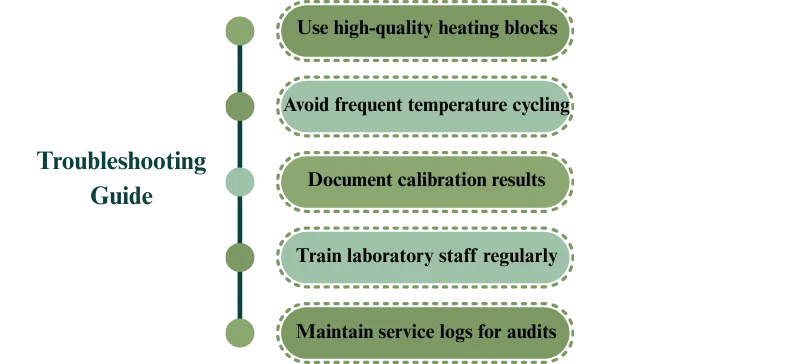
Use high-quality heating blocks.
Avoid frequent temperature cycling.
Document calibration results.
Train laboratory staff regularly.
Maintain service logs for audits.
In regulated environments, documentation is just as important as operation.
Expert Recommendations for Lab Managers on Safe Operation of Dry Bath
To Maintain Compliance and Operational Excellence in Safe Operation of Dry Bath:
- Develop and strictly implement clear Standard Operating Procedures (SOPs)
- Establish a routine preventive maintenance schedule
- Maintain accurate and well-documented temperature logs
- Conduct regular laboratory safety training for staff
- Collaborate with certified and trusted equipment suppliers
These structured practices strengthen the Safe Operation of Dry Bath systems while supporting regulatory compliance and long-term performance. Additionally, they align with E-E-A-T principles by reinforcing professional expertise, operational authority, and institutional trustworthiness in laboratory environments.
Final Recommendations for Safe Operation of Dry Bath Equipment
The safe operation of dry bath incubators is essential for laboratory accuracy, safety, and regulatory compliance. By following proper usage guidelines, performing routine maintenance, and conducting regular calibration, laboratories can ensure reliable results and extend equipment lifespan.
If you are responsible for laboratory equipment management, now is the time to:
- Review your current SOPs
- Schedule calibration checks
- Train your staff on proper operation
- Upgrade to certified, high-precision dry bath incubators
Need Expert Guidance?
If you are looking for professional laboratory equipment consultation, calibration services, or high-quality dry bath incubators, contact our experts today and ensure your lab operates at the highest standards of safety and precision.
Your laboratory accuracy starts with proper temperature control.