


Introduction
In laboratory environments, mixers play a vital role in ensuring consistent, homogeneous blending of substances across a variety of applications—from routine research to industrial process simulation. Choosing the right lab mixer not only improves the quality and reproducibility of your results but also paves the way for seamless scale-up from lab bench to production floor.
This comprehensive guide brings together technical insights and practical considerations to help you select the ideal lab mixer for your scientific and industrial needs.
Types of Lab Mixers and Their Applications
| Mixer Type | Best For | Key Features |
|---|---|---|
| Magnetic Stirrer | Low-viscosity liquids, small volumes | Quiet, contamination-free, available with heating |
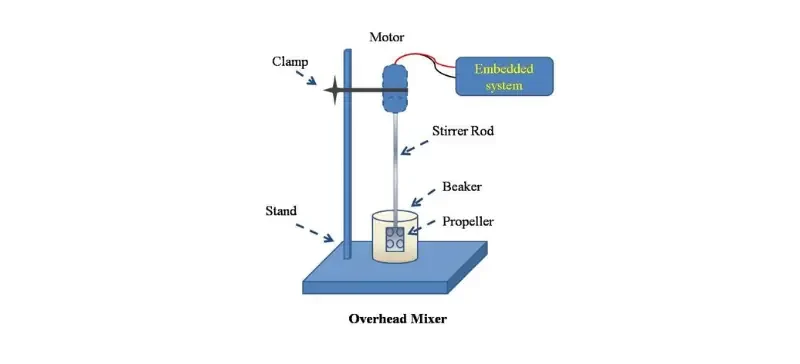
| Overhead Stirrer | High-viscosity materials, large batches | High torque, adjustable speed, precise control |
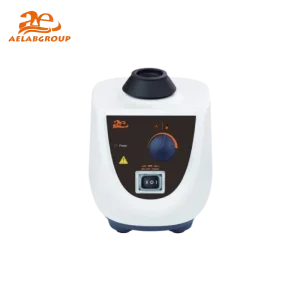
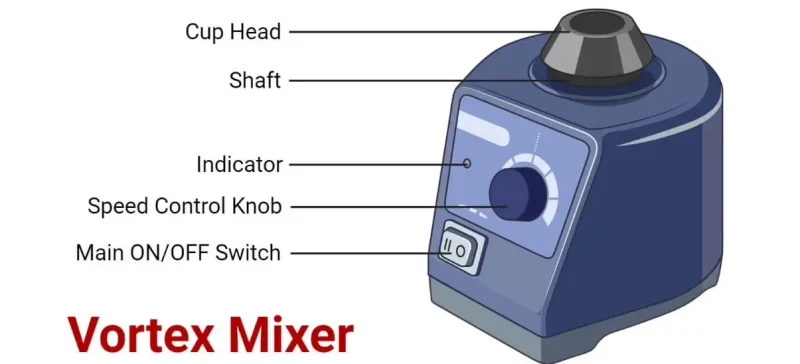
| Vortex Mixer | Small sample tubes | Rapid mixing, compact design |
| Orbital/Reciprocal Shaker | Microbiology, cell cultures | Gentle, consistent agitation |
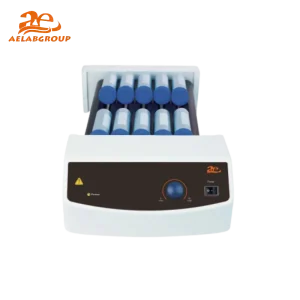
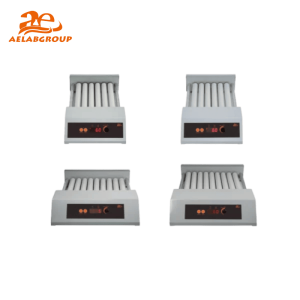
| Roller Mixer | Delicate biological samples like blood | Continuous gentle mixing, maintains cell integrity |
| Homogenizer | Emulsification, cell disruption | High-speed mixing, particle size reduction |
| Planetary Disperser | Ultra-viscous materials like pastes | Dual-axis motion for complete batch contact |

Key Considerations When Selecting a Lab Mixer
Sample Characteristics
Volume: Match the mixer capacity with your sample size.
Viscosity: Thicker materials require higher torque and shear force.
Material Compatibility: Use corrosion-resistant components (e.g., stainless steel or PTFE-coated parts).
Process Requirements
Speed Control: Variable RPM is essential for both delicate and intensive mixing.
Mixing Action: Choose the appropriate mechanism—vortexing, overhead stirring, high-shear homogenization, etc.
Temperature Sensitivity: Look for mixers with heating/cooling options for thermally sensitive processes.
Design & Ergonomics
Compact footprint, height-adjustable platforms, digital touchscreens, and user-friendly interfaces improve lab workflow and user comfort.
Power & Safety
Motor Strength: Ensure the motor is powerful enough for your viscosity range.
Power Source: Use air-driven mixers in flammable environments.
Safety Features: Include emergency stops, containment trays, and overload protection.

Understanding Fluid Behavior and Mixer Selection
Newtonian Fluids: Constant viscosity (e.g., water, oils) — compatible with basic stirrers.
Dilatant Fluids: Viscosity increases with shear rate (e.g., slurries) — require robust motors.
Pseudoplastic Fluids: Viscosity decreases under shear (e.g., creams, latex) — benefit from high-shear devices.
Thixotropic Fluids: Temporary viscosity reduction with agitation (e.g., gels) — need controlled mixing.
Lab Testing: Why It Matters
Before purchasing or scaling up, always conduct practical tests:
Bring Your Own Samples: Use real materials for accurate evaluation.
Observe in Real-Time: Participate in testing sessions to identify performance gaps.
Match Industrial Specs: Select lab mixers that reflect your production equipment.
Simulation Options: Look for features like vacuum sealing, heating, or real-time monitoring during tests.
Modern Features in Lab Mixers
Today’s mixers can be highly advanced, offering:
IoT connectivity for remote monitoring
Automated calibration and cleaning systems
Programmable recipes and touchscreen controls
Modular design for easy part replacement
Explosion-proof construction for hazardous applications

Industry Applications
Lab mixers support a wide range of sectors:
Pharmaceuticals: Gels, emulsions, ointments
Cosmetics: Creams, foundations, scrubs
Food: Emulsions, dairy mixes, flavorings
Chemicals: Inks, adhesives, sealants
Biotech: Buffer prep, cell culture media
Cost, Durability, and Maintenance
Initial Investment: Prices range from a few hundred to several thousand dollars—budget according to your technical needs.
Durability: Stainless steel parts and sealed components improve longevity.
Ease of Cleaning: Look for mixers with minimal dead zones and detachable components for quick sanitation.
Conclusion
Lab mixers are not just pieces of equipment—they are critical tools that drive innovation, reproducibility, and scale-up success. Whether you’re developing pharmaceuticals, formulating cosmetics, or conducting chemical analysis, choosing the right mixer can enhance performance, reduce costs, and accelerate your research-to-market journey.