

Introduction
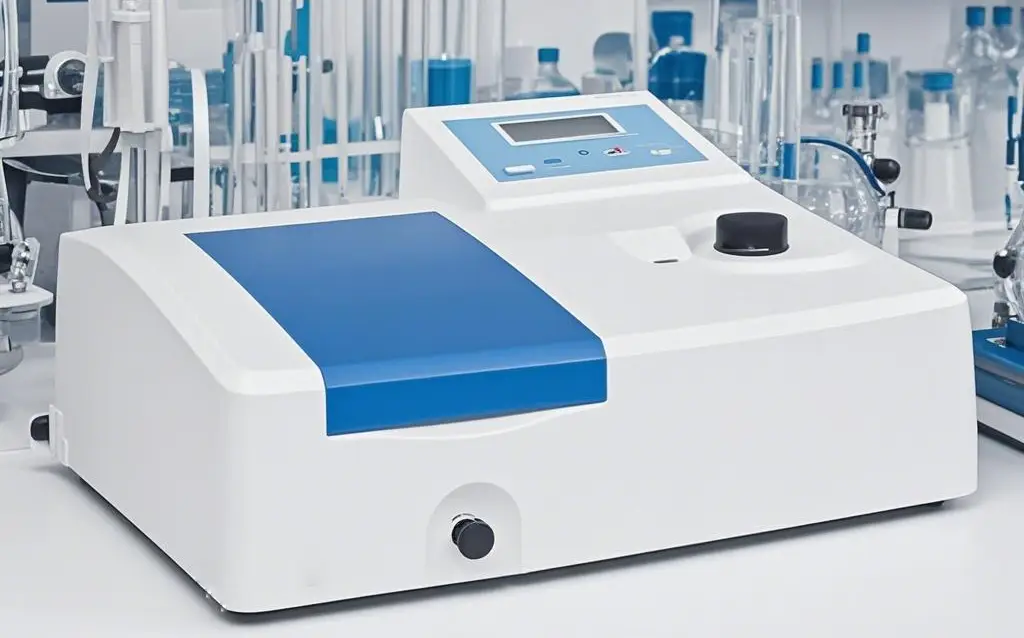
Spectrophotometer measurement errors are a common challenge in spectrophotometry, which can significantly affect the accuracy of results. Spectrophotometers are essential tools in various scientific fields, from chemical analysis to material testing. Despite their widespread use, these instruments are susceptible to measurement errors that arise from several sources, including instrumental limitations, sample characteristics, environmental factors, and user handling. Understanding the causes of spectrophotometer measurement errors is crucial for improving accuracy and ensuring reliable data. This article explores the primary causes of these errors and discusses strategies to minimize their impact on spectrophotometric measurements.

Sources of Spectrophotometer Measurement Errors
Several factors contribute to errors in spectrophotometer measurements. These can be broadly classified into instrumental errors, sample-related errors, and environmental errors.
Instrumental Errors
- Wavelength Calibration Errors: Errors in the spectrophotometer’s wavelength calibration can lead to incorrect readings, particularly when measuring absorption or transmittance at specific wavelengths.
- Photomultiplier Tube Sensitivity: Variations in the sensitivity of photomultiplier tubes (PMTs) across the cathode can cause errors. The positioning of the light beam on the cathode can result in discrepancies in the measured signal.
- Optical Path Length Variations: Variations in the optical path length, often caused by misalignment of optical components, can significantly impact the measurement accuracy. These variations may be subtle but have a substantial effect on results.
- Polarization Effects: In commercial photometers, light is often partially polarized. The polarization of light can affect the measurement, especially if the sample surface reflects light at an angle. This can introduce errors if not properly accounted for during measurement.

Figure 1: Schematic of Spectrophotometer Calibration Process
This diagram illustrates the spectrophotometer calibration process, which is directly related to spectrophotometer measurement errors. Incorrect wavelength calibration or misalignment of optical components (such as the monochromator and entrance/exit slits) can lead to inaccuracies in wavelength measurement and result in erroneous data. Therefore, proper calibration and precise alignment of these components are crucial for minimizing spectrophotometer measurement errors and ensuring accurate spectrophotometric measurements.
Sample-Related Errors
- Sample Thickness Variations: The sample thickness can influence the results, especially when interference fringes are present. For example, variations in sample thickness of just a few micrometers can affect the results significantly, especially when high accuracy is required.
- Sample Homogeneity: If the sample is inhomogeneous, such as having varying concentrations of components or uneven absorption properties, this can lead to errors in measurement.
- Surface Contamination: Any contamination on the surface of the sample can alter its optical properties and affect the accuracy of the measurements. Even minor contaminants can cause significant errors.
Environmental Errors
- Temperature Fluctuations: Changes in temperature can cause optical components to expand or contract, affecting the light path and leading to errors. Furthermore, temperature variations can influence the sample’s optical properties.
- Air Currents: In some cases, air currents can influence the path of light through the sample, leading to small, unpredictable changes in measurements.

Minimizing Spectrophotometer Measurement Errors
Reducing errors in spectrophotometric measurements is essential for achieving accurate and reliable results. Several methods can help mitigate the effects of these errors:
Regular Calibration and Maintenance
- Wavelength Calibration: Ensure that the spectrophotometer is regularly calibrated using certified reference materials (CRMs) to minimize wavelength errors.
- Instrument Alignment: Proper alignment of optical components, such as mirrors and lenses, is crucial for minimizing path length errors. Regular checks and alignment adjustments can reduce instrumental errors.
- Photomultiplier Tube (PMT) Calibration: Ensure the sensitivity of the PMT is calibrated for accurate measurements. This can be done by using standard samples with known properties.
Sample Preparation and Handling
- Consistent Sample Thickness: To reduce errors due to variations in sample thickness, use precise sample holders and ensure the samples are homogeneous. If interference effects are significant, consider measuring at multiple sample thicknesses to average out errors.
- Cleanliness: Keep the sample surface free from contamination, which can alter optical properties and affect the measurement. Use clean, lint-free cloths or wipes to clean the sample holder and cuvettes.
- Proper Sample Placement: Ensure the sample is placed correctly within the beam path to prevent errors due to misalignment or scattering.
Environmental Control
- Temperature Control: Conduct measurements in a temperature-controlled environment to minimize the effects of temperature-induced errors. This can help maintain the stability of optical components and the sample itself.
- Avoid Air Currents: Make measurements in a stable environment free from air currents, which could alter the path of the light and cause fluctuations in the readings.
Suggestions for Further Research and Improvement
Advanced Calibration Techniques
- Investigating more sophisticated calibration methods to improve wavelength accuracy.
Automation of Sample Handling
- Developing automated systems to ensure consistent sample placement and minimize human error.
Temperature Compensation
- Implementing advanced temperature compensation methods to reduce the impact of environmental fluctuations.
By continuously refining these aspects, spectrophotometry can achieve higher levels of precision and reliability, supporting a broader range of scientific applications.
Table 1: Common Spectrophotometer Measurement Errors
| Error Type | Cause | Effect | Mitigation Strategy |
| Wavelength Calibration | Misalignment of the monochromator or light source | Incorrect wavelength readings | Regular calibration with certified standards |
| PMT Sensitivity Variations | Position of the beam on the cathode | Inconsistent signal detection | Regular maintenance and calibration of PMT |
| Sample Thickness Variations | Inconsistent sample thickness | Inaccurate absorption/transmittance readings | Ensure uniform sample preparation and handling |
| Polarization Effects | Light polarization at oblique angles | Error in reflection and absorption readings | Use polarization-compensating accessories |
| Temperature Fluctuations | Environmental temperature changes | Changes in optical component properties | Control environmental temperature during measurements |
Conclusion
Spectrophotometric measurement errors are inevitable, but understanding their sources can help mitigate their effects.
Instrumental factors like wavelength calibration and PMT sensitivity, sample-related factors like thickness variations and contamination, and environmental factors like temperature and air currents all contribute to measurement inaccuracies.
By adopting rigorous calibration practices, ensuring sample consistency, and controlling environmental conditions, the accuracy of spectrophotometric measurements can be significantly improved.
Researchers and laboratory technicians should be aware of these potential sources of error and implement best practices to minimize their impact on measurement accuracy.