

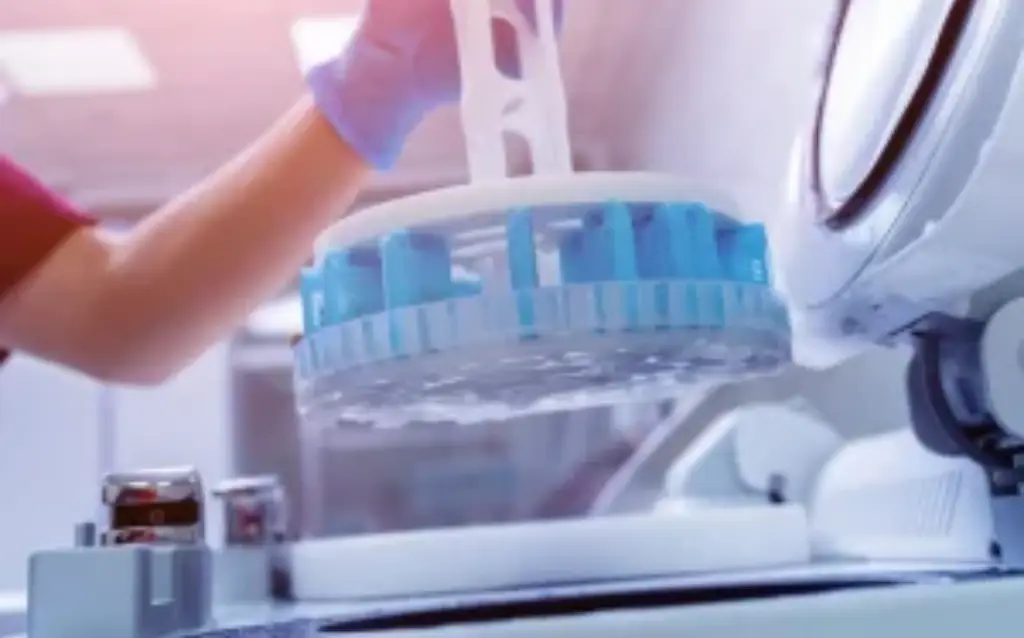
A tissue processor in histology automates the preparation of histological samples. It ensures consistent fixation, dehydration, clearing, infiltration, embedding, and sectioning. Accurate processing improves microscopic analysis and disease diagnosis.
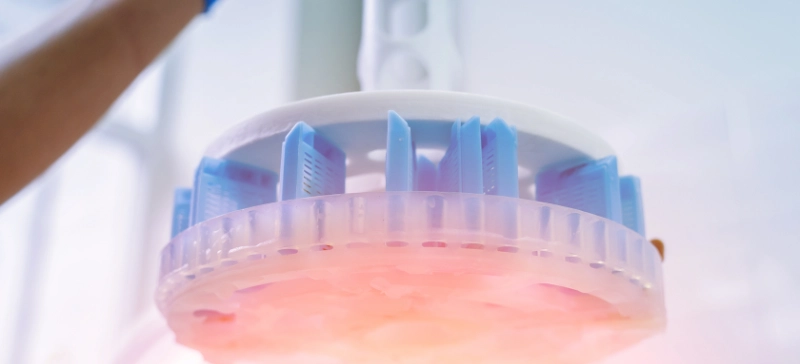
Key Tissue Processing Steps in Histology
| Step | Purpose | Common Chemicals Used |
|---|---|---|
| Fixation | Preserves tissue structure | Formalin, Alcohol |
| Dehydration | Removes water for wax infiltration | Ethanol (70%-100%) |
| Clearing | Replaces alcohol with wax-compatible solvent | Xylene, Toluene |
| Infiltration | Saturates tissue with paraffin | Paraffin wax |
| Embedding | Forms a solid block for sectioning | Paraffin mold |
| Sectioning | Cuts tissue into thin slices for microscopy | Microtome |
| Staining | Enhances contrast for histological analysis | H&E, Special Stains |
Tissues are processed in automatic or manual tissue processors. Automated tissue processors offer higher consistency and safety. Manual tissue processing is still used in small labs or when processing limited samples.
Choosing the Right Tissue Processor in Histology for Your Lab: Manual vs. Automatic Options
Manual vs. Automatic Tissue Processors
- Manual Processors require operator control at each step.
- Automatic Processors complete processing with pre-programmed settings.
- Automatic models reduce errors and improve workflow efficiency.
Best Tissue Processors for Histopathology Labs
- Consider processing capacity.
- Look for vacuum and pressure cycle features.
- Ensure compatibility with paraffin wax embedding.
Tissue Processor Cost & Pricing Guide
- Basic models start from $5,000.
- Advanced systems range $20,000 – $50,000+.
- Costs depend on automation, capacity, and technology.
Supplementary Equipment for Tissue Processing
Paraffin Wax Dispenser in Histopathology
Why Do You Need a Paraffin Dispenser?
- Speeds up embedding.
- Prevents contamination.
- Ensures consistent wax temperature.
How Paraffin Dispensers Improve Tissue Processing
- Reduces manual wax handling.
- Enhances section quality.
- Saves processing time.
Common Challenges in Tissue Processors
1. Under-Processing
- Tissue remains soft and difficult to cut.
- Poor infiltration leads to weak tissue sections.
2. Over-Processing
- Tissue becomes too hard and brittle.
- Excessive dehydration causes shrinkage.
3. Incorrect Reagent Use
- Contaminated or expired reagents affect tissue quality.
- Improper sequencing leads to processing errors.
4. Inconsistent Embedding
- Incorrect orientation results in poor sectioning.
- Uneven wax penetration weakens tissue support.
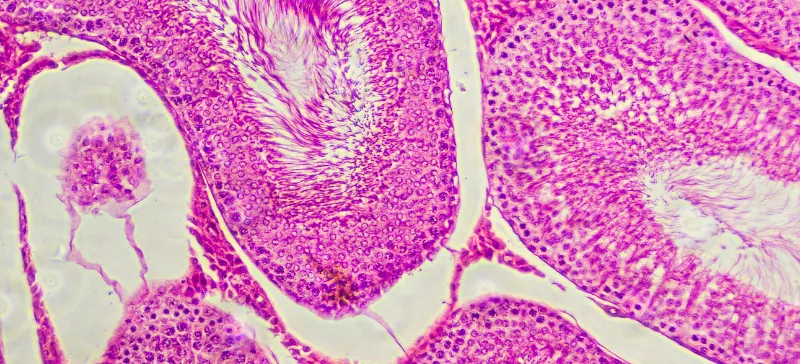
New Trends in Tissue Processing
Xylene-Free Processing
- Uses alternative solvents to reduce toxicity.
- Improves lab safety and environmental impact.
Microwave-Assisted Processing
- Speeds up fixation and dehydration.
- Enhances molecular preservation.
AI-Powered Tissue Processors
- Adjusts processing conditions in real-time.
- Reduces human error and variability.


Frequently Asked Questions (FAQs)
What does a tissue processor do?
It prepares fixed tissues for embedding and sectioning.
How much does a tissue processor cost?
Prices range from $5,000 to $50,000+, depending on features.
What is an automatic tissue processor?
A device that automates tissue preparation for histology labs.
What are the steps in tissue processing?
Fixation → Dehydration → Clearing → Infiltration → Embedding → Sectioning → Staining.
Final Thoughts on Tissue Processors in Histology
A tissue processor ensures high-quality histological slides. Proper selection of manual or automatic models enhances efficiency. Adding a paraffin wax dispenser further improves workflow. Understanding processing steps helps optimize lab results.