



Quantitative Analysis, Kinetic Studies, and Quality Control
Introduction to UV-VIS Spectrophotometry
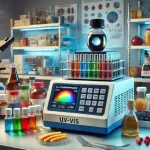
UV-VIS spectrophotometry is a powerful analytical technique used to analyze light absorption in the ultraviolet (UV) and visible (VIS) regions of the electromagnetic spectrum. This technique is essential for various applications, including quantitative analysis, studying reaction kinetics, and ensuring product quality in industries like pharmaceuticals and food.

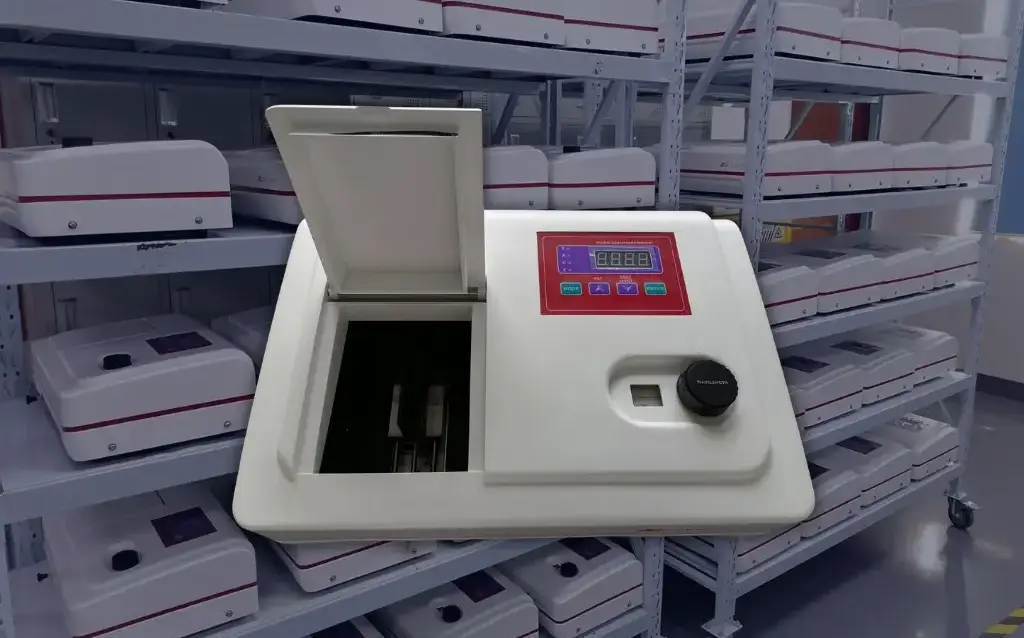
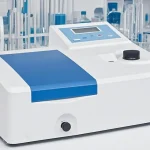
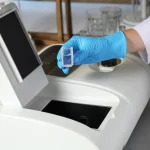
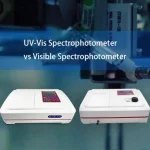
UV-VIS Spectrophotometer AE-S70 Series
Components of a UV-VIS Spectrophotometer
-
Light Source
A deuterium lamp is used for ultraviolet (UV) light, while a tungsten-halogen lamp is used for visible light. These lamps provide a continuous spectrum of light over the necessary wavelength range.
-
Monochromator
This device disperses the light into its individual wavelengths and allows for the selection of a specific wavelength to pass through the sample.
-
Sample Holder
The sample is placed in a cuvette, which is transparent to both UV and visible light, allowing the light to pass through the sample.
-
Detector
Typically a photodiode or photomultiplier tube, the detector measures the intensity of transmitted light and converts this data into an electrical signal for analysis.
Applications of UV-VIS Spectrophotometry
- 1. Quantitative Analysis
UV-VIS spectrophotometry plays a key role in determining the concentration of analytes in a solution. According to Beer’s Law, the absorbance of light is directly proportional to the analyte’s concentration. This principle makes UV-VIS essential for accurate measurements in both chemical and biological research.2. Kinetic Studies Using UV-VIS Spectrometer
By measuring changes in absorbance over time, UV-VIS spectrophotometry helps study reaction rates and mechanisms. Researchers can monitor reaction progress and analyze kinetics effectively using this method.3. Quality Control
In industries like pharmaceuticals, food, and chemicals, UV-VIS spectrophotometry ensures product consistency and purity. It detects impurities, helping to guarantee the quality of raw materials and finished products.
Advantages of UV-VIS Spectrophotometry
- Non-Destructive: It is non-destructive, meaning the sample remains intact during analysis. This is particularly useful for valuable or limited samples.
- Rapid and Simple: This technique provides quick, reliable results with minimal sample preparation, making it a time-efficient tool in laboratories.
- Versatile: UV-VIS spectrophotometry is suitable for analyzing both organic and inorganic compounds, making it a versatile tool across various research and industrial applications.
Conclusion
UV-VIS spectrophotometry is an essential technique in modern analytical laboratories. It provides rapid, accurate, and non-destructive analysis. As technology continues to advance, UV-VIS spectrophotometers are becoming increasingly sensitive and precise, further expanding their applications in both research and industry.
2 Responses
I want to buy this instrument
Hi , Please fill Request a Quote form or contact us with email or whatsapp