Introduction
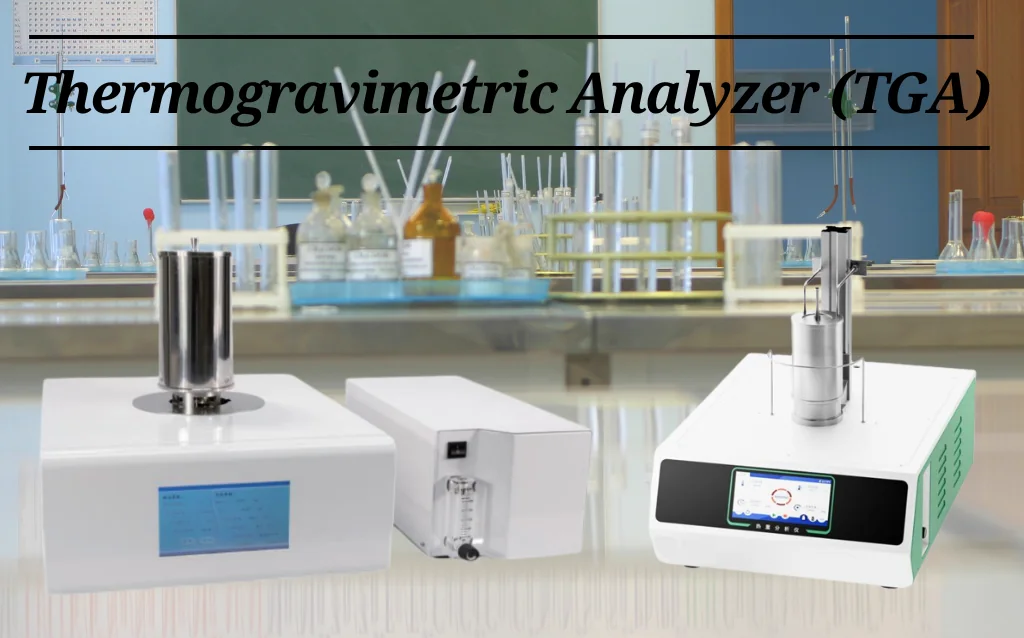
In modern research and industrial quality control, thermal characterization of materials is essential for ensuring safety, performance, and innovation. Among the most reliable tools in this field is the Thermogravimetric Analyzer (TGA). Unlike general thermal analysis techniques, a TGA instrument provides real-time, highly precise measurements of weight change as a sample undergoes controlled heating or cooling.
From polymers and pharmaceuticals to metals and fuels, the AELAB Thermogravimetric Analyzer is widely used across industries to evaluate thermal stability, decomposition behavior, and composition. This article provides a complete overview of what a thermogravimetric analyzer is, how it works, its core components, applications, advantages, limitations, and best practices.
What is a Thermogravimetric Analyzer?
A Thermogravimetric Analyzer (TGA) is a scientific instrument that continuously measures the mass of a sample as it is subjected to controlled changes in temperature and atmosphere. Unlike methods that only study heat flow, TGA directly records mass loss or gain, which reveals important physical and chemical processes such as:
The data is plotted as a TGA curve (mass vs. temperature/time).
Core Components of a Thermogravimetric Analyzer
A typical thermogravimetric analyzer consists of four main parts:
High-Precision Balance
Furnace
Atmosphere Control
Enables testing under inert gases (N₂, Ar), oxidative (O₂, air), reducing, or even corrosive/vacuum environments.
Software & Data System
During operation, the sample (a few milligrams) is placed in a crucible connected to the balance inside the furnace. As temperature changes, the instrument continuously records weight fluctuations.
Types of Thermogravimetric Analysis (TGA Modes)
A Thermogravimetric Analyzer can perform several experimental modes depending on research goals:
Isothermal TGA
Dynamic TGA
Quasistatic TGA
What Can a Thermogravimetric Analyzer Reveal?
A TGA instrument provides key insights such as:
Thermal stability and maximum safe operating temperature
Moisture and volatile content (e.g., water, solvents, plasticizers)
Filler and additive quantification in polymers and composites
Oxidation and combustion behavior under controlled atmospheres
Decomposition kinetics (e.g., Kissinger method)
Inhomogeneity detection, revealing differences in sample composition
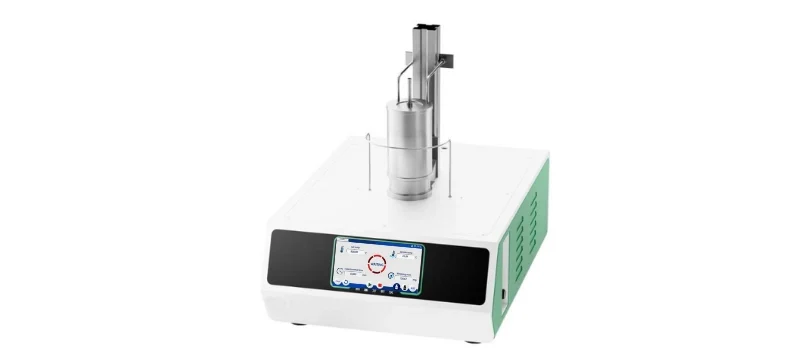
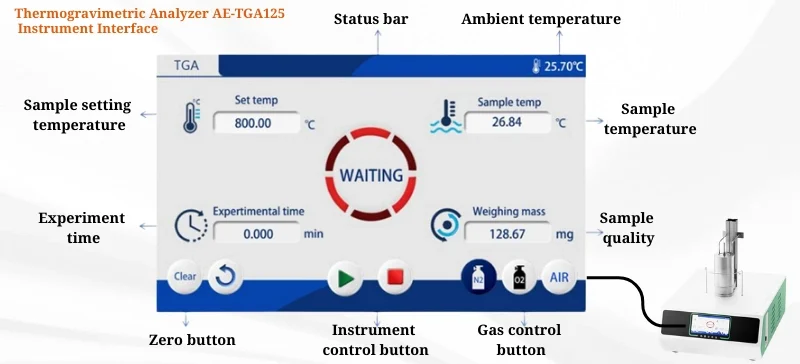
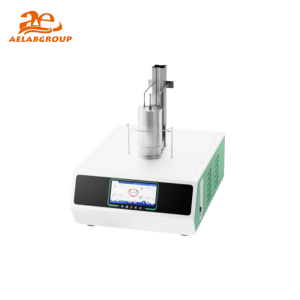
Thermo Gravimetric Analyzer AE-TGA125
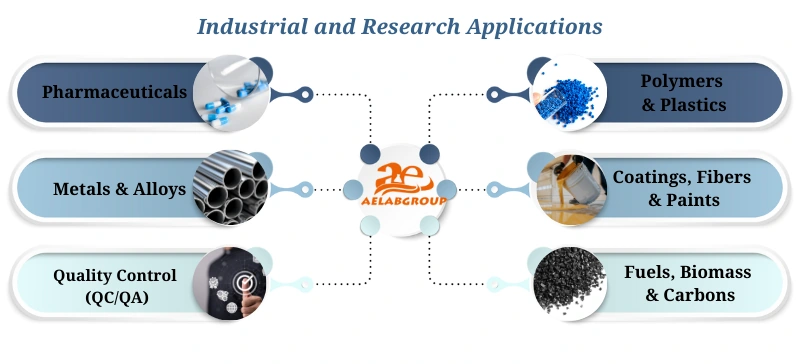
Industrial and Research Applications of Thermogravimetric Analyzer
The Thermogravimetric Analyzer is used across many sectors:
Polymers & Plastics
Determining decomposition steps
Measuring filler percentages
Defining safe processing temperatures
Pharmaceuticals
Studying drug stability and storage conditions
Measuring solvent/moisture content
Supporting regulatory compliance
Coatings, Fibers & Paints
Investigating curing behavior
Detecting volatile content
Evaluating long-term stability
Metals & Alloys
Fuels, Biomass & Carbons
Distinguishing drying, pyrolysis, and combustion stages
Ash and carbon residue analysis
Quality Control (QC/QA)
Thermogravimetric Analyzer in Combination with Other Techniques
For deeper insights, TGAs are often hyphenated with:
This combination makes it possible to not only measure mass change but also identify the chemical nature of gases released.
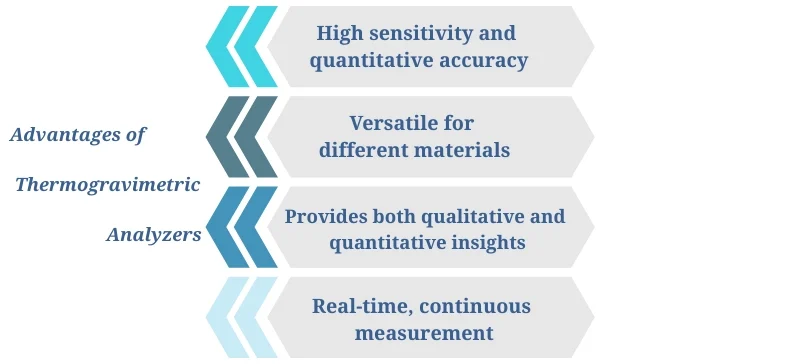
Advantages of Thermogravimetric Analyzers
High sensitivity and quantitative accuracy
Versatile for different materials (polymers, metals, ceramics, drugs)
Provides both qualitative and quantitative insights
Real-time, continuous measurement
Conclusion
The Thermogravimetric Analyzer (TGA) is an indispensable tool in today’s laboratories and industries. By measuring weight changes under controlled heating, it provides unparalleled insights into material stability, composition, and performance.
From ensuring the safety of pharmaceuticals to improving the durability of polymers, the AELAB TGA stands at the core of innovation and quality control.
👉 Looking to learn more? Follow our blog for expert insights on analytical instruments and their applications, and discover how the AELAB TGA can transform your research and industrial processes.