Why pH Electrodes Matter More Than You Think
Whether you’re in a high-stakes pharmaceutical lab or testing soil in a greenhouse, selecting the right pH electrode is crucial. It’s not just a plug-and-play accessory — it’s the heart of your pH measurement system. Choose wrong, and your readings will be about as useful as a broken compass in a thunderstorm.
pH measurement is essential in various industries such as laboratory research, food processing, wastewater treatment, and pharmaceutical manufacturing. The accuracy and reliability of pH meters depend heavily on selecting the right electrode for each specific application. With different sample compositions, temperature ranges, and chemical properties, choosing the best electrodes ensures precise and long-lasting performance.
Understanding the Functions of Electrodes in pH Meters
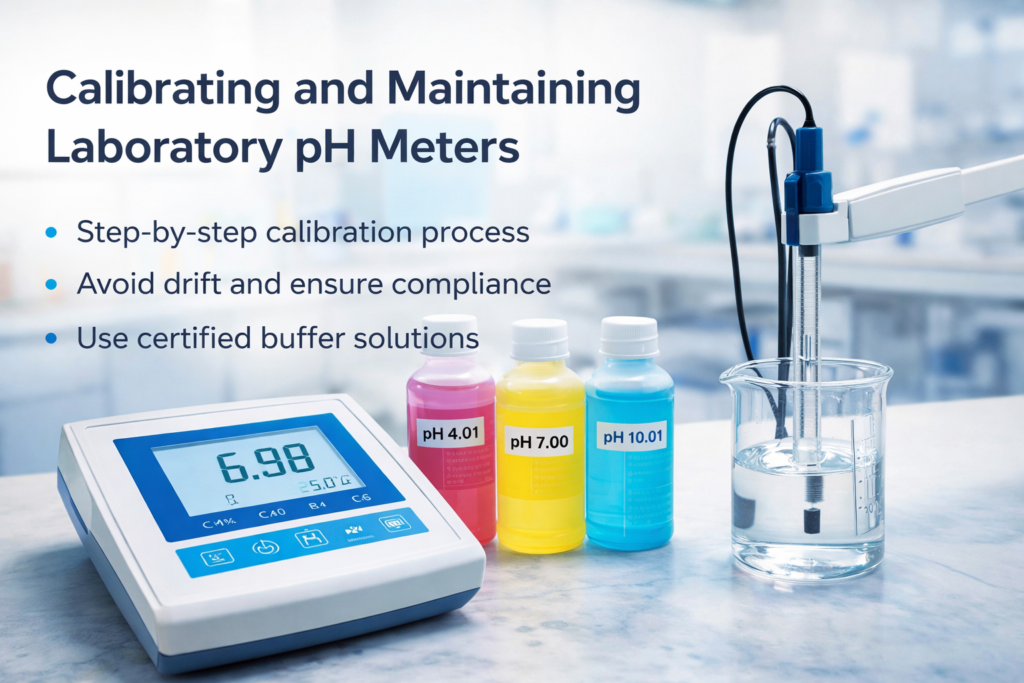
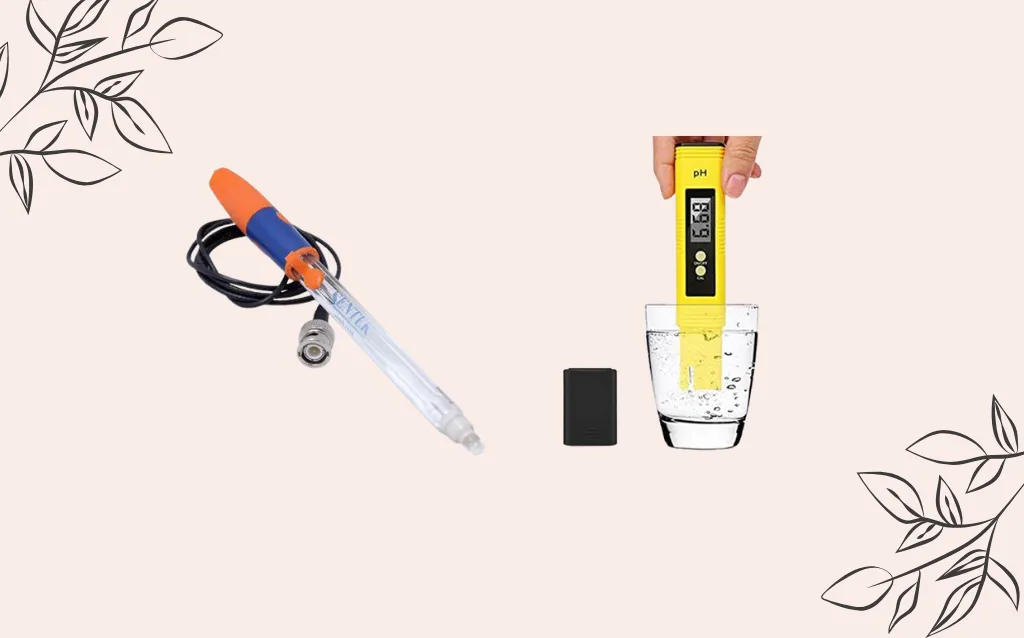
Electrodes in pH meters play a crucial role in measuring the hydrogen ion concentration of a solution, which determines its pH value. A typical pH electrode consists of a sensing electrode and a reference electrode. The sensing electrode detects hydrogen ion activity through a specialized glass membrane, generating a voltage proportional to the solution’s pH. The reference electrode provides a stable voltage to compare against the sensing electrode’s signal, ensuring accurate readings. Some electrodes also include temperature compensation to adjust for fluctuations that may affect measurement accuracy.
Types of Electrodes for pH Meters
| Type | Description | Advantages | Limitations |
|---|---|---|---|
| Glass Electrode | Standard electrode with a glass bulb for measuring pH in liquid samples. | High accuracy, stable readings. | Fragile, requires careful handling. |
| Epoxy/Plastic Electrode | Durable, impact-resistant electrode for field and industrial use. | Shatterproof, resistant to damage. | Slightly lower accuracy compared to glass electrodes. |
| Refillable Electrode | Allows electrolyte refilling for extended lifespan. | Long lifespan, stable performance. | Requires regular maintenance. |
| Gel-Filled Electrode | Pre-filled with gel, requiring minimal maintenance. | Low maintenance, easy to use. | Shorter lifespan. |
| Flat-Tip Electrode | Features a flat sensing surface for surface pH measurements. | Ideal for non-liquid samples, easy to clean. | Not suitable for immersion. |
| Spear-Tip Electrode | Has a pointed tip for penetrating semi-solid samples. | Ideal for solids and semi-solids. | Fragile tip, careful handling needed. |
| Open-Junction Electrode | Prevents clogging in thick or contaminated samples. | Resistant to contamination. | Slower response time. |
| Double-Junction Electrode | Two chambers prevent contamination of reference system. | Reduces interference. | Slightly more expensive. |
| High-Temperature Electrode | Built with special glass for heat resistance. | Durable in heat. | More costly. |
| Combination Electrode | Contains both sensing and reference electrode. | Compact, easy to use. | May not suit all advanced needs. |
Key Factors to Consider When Choosing a pH Electrode
1. Sample Characteristics and Compatibility
Standard glass electrodes are suitable for aqueous solutions, but more challenging samples require specialized designs. Viscous substances, slurries, and semi-solid samples, such as dairy products or soil, demand open-junction or spear-tip electrodes. Protein-rich samples like blood or serum benefit from gel-filled electrodes for better durability and contamination resistance.
2. Temperature Range and Compensation
Temperature significantly impacts pH readings. Standard electrodes work well at room temperature, while high-temperature environments like food sterilization need specially designed high-temp electrodes. Some advanced models include Automatic Temperature Compensation (ATC) to maintain accuracy.
3. Electrode Junction Type
Ceramic junctions work well for clean lab samples but may clog with thick materials. Open-junctions are better for slurries and biological samples. Double-junction electrodes are ideal for chemical-heavy applications such as wastewater or pharma.
4. Electrode Body Material and Durability
Glass bodies are accurate and chemically resistant but fragile. Epoxy/plastic bodies are durable and ideal for fieldwork or food production environments.
5. Electrode Tip Shape and Application
Flat-tip for surface pH (skin, paper), spear-tip for solids (meat, cheese), and bulb-tip for liquids in lab environments.
6. Maintenance and Longevity
Refillable: long-lasting but needs regular care. Gel-filled: low-maintenance, shorter lifespan. Choose based on usage frequency and user convenience.
7. Compatibility with pH Meter
Check connector types: BNC, DIN, S7, etc. Also verify if ATC is needed for accurate temperature-compensated readings.
Choosing the Right pH Electrode for Specific Applications
| Application | Recommended Electrode Type | Key Features |
| Laboratory | Glass Electrode, Combination | High accuracy, stable. |
| Field Testing | Epoxy, Gel-Filled | Durable, low maintenance. |
| Food & Beverage | Spear-Tip, Open-Junction | Penetrates semi-solids, prevents clogging. |
| Wastewater | Open-Junction, Double-Junction | Contamination resistant. |
| High-Temp Processing | High-Temperature Electrode | Heat resistant. |
| Biological Samples | Double/Open-Junction | Prevents clogging. |
| Surface Testing | Flat-Tip | Easy to clean, direct contact. |
| Agriculture/Soil | Spear-Tip, Epoxy | Durable, penetrates well. |
| Chemical/Industrial | Double-Junction, Refillable | Long-lasting, resistant. |
| Water Quality | Glass, Combination | Accurate in liquids. |
Expert Tips for Electrode Selection
- Always store electrodes in proper storage solution.
- Calibrate regularly for accurate results.
- Clean after use, especially with complex samples.
- Replace electrodes if calibration fails repeatedly.
Looking for the best electrodes to pair with your AELAB pH meter? Browse our catalog or contact our experts for tailored recommendations. Let us help you elevate your pH analysis game today!