

Window Tint Meters
Window tint meters are essential tools for measuring the amount of light transmitted through glass surfaces. These meters ensure that the glass complies with industry standards and regulations. They are widely used across various sectors, including automotive, construction, and security. This article explores how window tint meters benefit these industries, focusing on their roles in enhancing safety, energy efficiency, and privacy.
Automotive Industry: Ensuring Compliance and Safety
In the automotive industry, window tint meters ensure vehicle windows meet local and international standards for light transmission. Many countries impose strict regulations on tint levels to guarantee driver visibility and road safety. Window tint meters measure the light transmission of vehicle windows, ensuring compliance with legal limits, such as ASTM D1033-61 and JIS K7105-81.
These meters also assess the effectiveness of UV protection films applied to automotive windows. These films reduce harmful UV radiation, protecting passengers and preserving the interior of vehicles. Manufacturers and regulatory bodies rely on accurate readings from tint meters to ensure these films meet safety standards.

Read more:UV-VIS Spectrophotometry for Food Additive Measurement
Construction Industry: Enhancing Energy Efficiency and Comfort
In construction, window tint meters measure the light transmission of glass used in buildings. Controlling the amount of light and heat entering a building is essential for energy efficiency. By testing window tint levels, construction professionals can choose the best glass or film options to reduce heat gain, improve insulation, and enhance comfort.
Window tint meters also ensure that building windows comply with energy efficiency standards, preventing excessive heat gain and maintaining comfortable indoor temperatures. This improves energy efficiency, reduces costs, and contributes to a sustainable environment.
Security Industry: Privacy and Protection
In the security industry, window tint meters help measure the light transmission through glass in sensitive areas, such as banks, offices, and secure facilities. Tinting windows can prevent unauthorized viewing and protect the privacy of both employees and clients. By testing the tint levels, businesses ensure the windows provide adequate privacy without sacrificing visibility.
Moreover, this devices also measure the impact of tints on visibility in security systems, such as cameras or surveillance equipment. Ensuring that the glass allows for proper light transmission is crucial for maintaining the effectiveness of security systems.
Retail and Commercial Use: Aesthetic and Functional Benefits
Retailers and commercial spaces use it to measure light transmission through glass to create a comfortable environment for customers. The right level of tint can reduce glare, provide UV protection, and improve aesthetics. Window tint meters ensure that tinting solutions meet the desired appearance and functionality for commercial applications.
Businesses can use these meters to balance energy efficiency, customer comfort, and aesthetic appeal. Properly tinted windows can enhance both the interior environment and the building’s exterior appearance, making it more inviting to customers.

Read more:Comparative Analysis of Detection Sensitivity in Heavy Metals: ICP-MS vs. ICP-OES
Product Spotlight: Aelab Window Tint Meter
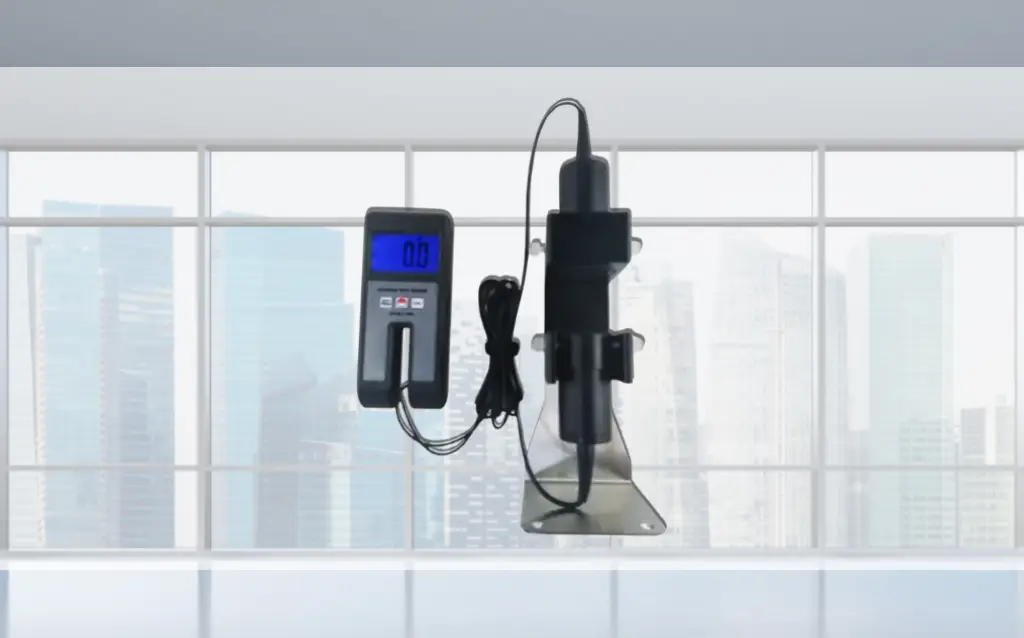
Aelab Window Tint Meters are portable devices designed for accurately measuring light transmission, ensuring compliance with legal and performance standards. These meters are used in various industries such as automotive, construction, and commercial applications. Aelab offers several models, including the Window Tint Meter WTM-1500P/1500, Window Tint Meter WTM-1100 , and window-tint-meter WTM-1200-S , each tailored to meet specific needs.

Key Features:
-
High Accuracy and Resolution
These devices provide precise measurements with a resolution of 0.1% and an accuracy of ±2%.
-
Wide Measurement Range
They measure light transmission from 0% to 100%, suitable for various types of glass and tint films.
-
Portability and Ease of Use
Their compact design ensures easy transport, and the user-friendly interface makes it simple for professionals to assess tint levels quickly and accurately.
-
Data Output Options
All models support USB and Bluetooth connectivity for seamless data transfer to PCs or other devices.
Aelab Window Tint Meters represent the integration of advanced technology into everyday tools, helping professionals ensure safety, performance, and regulatory compliance across different industries.
Conclusion
Window tint meters play a crucial role in industries that require precise light transmission measurements. From automotive to construction, security, and commercial sectors, these devices ensure compliance with legal standards and optimize safety, comfort, and efficiency. By providing accurate measurements and supporting different data transfer options, they help industries meet performance and regulatory requirements. The Aelab Window Tint Meter is an example of how modern technology continues to improve the tools used in these important applications.