

info@aelabgroup.com
QR Code 1
QR Code 2

Benchtop High-Speed Refrigerated Centrifuge Maintenance Tips

Benchtop High-Speed Refrigerated Centrifuge Maintenance Tips AELAB

Benchtop High-Speed Refrigerated Centrifuge Maintenance Tips

Importance of Proper Maintenance for Benchtop High-Speed Refrigerated Centrifuges

A benchtop high-speed refrigerated centrifuge serves as an essential laboratory instrument widely used in fields like biotechnology, clinical diagnostics, and life sciences. Researchers specifically design these centrifuges to rapidly separate samples while maintaining precise temperature control for temperature-sensitive materials. Regular and systematic maintenance ensures optimal performance, extends the equipment’s lifespan, and preserves the integrity of your samples. Effective maintenance practices include daily, weekly, monthly, and annual maintenance tasks that maximize centrifuge efficiency and reliability. This guide provides the best maintenance tips for refrigerated centrifuges, ensuring that your high-speed centrifuge continues to perform efficiently, providing accurate and consistent results in your laboratory.

How to Maintain a Benchtop High-Speed Refrigerated Centrifuge?

A benchtop high-speed refrigerated centrifuge is a crucial laboratory device used widely in molecular biology, clinical diagnostics, and various research applications. This device separates components of a sample by applying centrifugal force at high speeds, with the added benefit of refrigeration to maintain temperature-sensitive samples. Proper maintenance ensures the centrifuge’s performance, longevity, and accuracy, especially when handling delicate or high-value samples. In this guide, we cover the best practices for maintaining a benchtop high-speed refrigerated centrifuge.

1. Importance of Regular Maintenance

Regular maintenance ensures that the centrifuge operates efficiently and safely. It helps extend the lifespan of the equipment, prevent malfunctions, and improve the accuracy of results. Neglecting maintenance can lead to issues like improper sample separation, motor failure, and contamination, all of which can affect experimental outcomes.


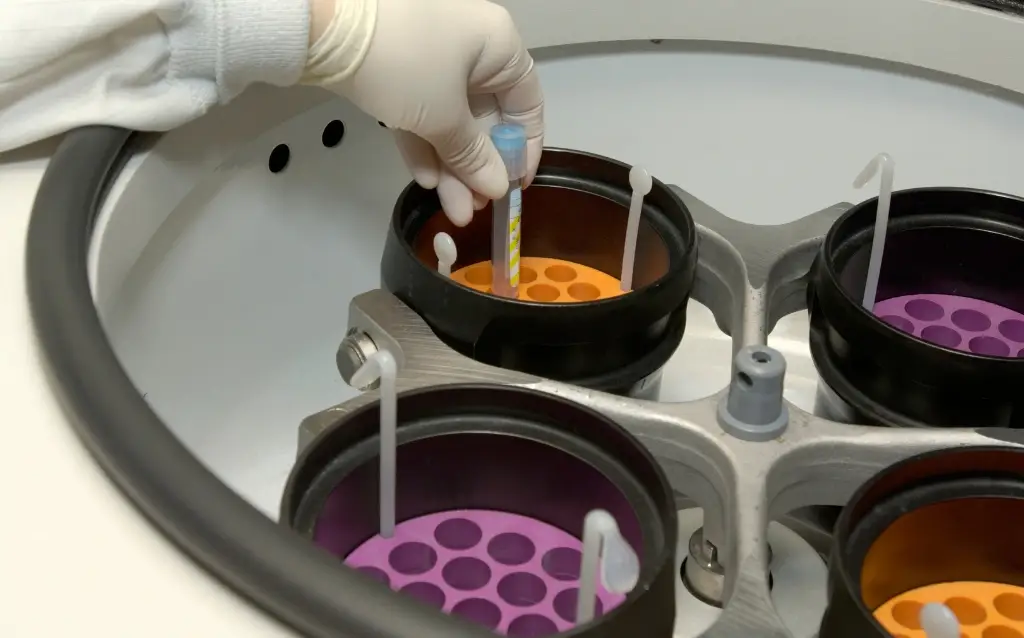
How To Maintain A Benchtop High Speed Refrigerated Centrifuge

Learn more : What are CO2 Incubators?

2. Daily Maintenance Tasks

Daily maintenance tasks keep the centrifuge running smoothly and prevent wear over time:

  • Drying the Chamber: After turning off the centrifuge at the end of each day, open the lid to allow the centrifuge chamber to dry completely. This prevents moisture buildup that could lead to corrosion or microbial growth.
  • Avoiding Moisture Build-Up: While the centrifuge operates under refrigeration, keep the lid closed to prevent condensation or ice from forming inside the chamber. This maintains the temperature control mechanism and avoids issues with sample integrity.
  • Check for Irregularities: Before starting a new session, check the centrifuge for any unusual vibrations, noises, or signs of wear. If overheating or deterioration is detected, consult a qualified service technician immediately.

3. Weekly Maintenance Tasks

Weekly maintenance focuses on disinfecting and inspecting components that experience the most wear, such as rotors and lids:

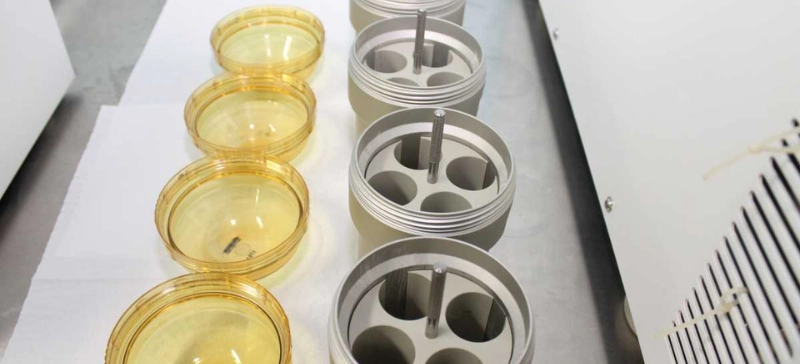
  • Cleaning the Rotors: Inspect the rotors and rotor bores for any residue, dirt, or corrosion. Clean them with a neutral detergent and rinse with sterile water if any residue is found.
  • Soaking Parts in Disinfectant: Autoclave metal components or soak them in a non-bleach disinfectant solution for about 15 minutes. Ensure thorough rinsing and air drying before reassembling.
  • Lid Cleaning: Soak the lids in a 1% bleach solution for 5 minutes, then rinse them with 70% alcohol or sterile water to disinfect thoroughly.

4. Monthly Maintenance Tasks

Monthly maintenance requires more thorough cleaning and lubrication to ensure peak performance:

  • Clean Centrifuge Housing and Rotor Chamber: Clean the housing, rotor chamber, and rotor accessories with a mild, neutral detergent. This step removes dirt or grime buildup, preventing contamination in future operations.
  • Lubricate Rotors and O-Rings: Lubricate the rotor threads and O-rings to reduce friction and ensure smooth operation. Always use the recommended lubricant from the manufacturer for optimal performance.
  • Deep Cleaning of Plastic and Non-Metal Parts: Use a fresh solution of 1% sodium hypochlorite (bleach) to clean plastic and non-metal parts, followed by thorough rinsing with sterile water to remove any traces of disinfectant.

5. Annual Maintenance Tasks

At least once a year, a qualified service technician should perform in-depth maintenance, including:

  • Service the Motor: Inspect and replace the centrifuge brushes if necessary. Regular servicing ensures the motor runs smoothly and efficiently, reducing the risk of motor failure.
  • Check Electrical Components: Ensure all electrical components are functioning properly and check for issues with wiring or connections.
  • Inspect for Leaks: Look for any leaks, which could indicate issues with seals or other components.
  • Verify Speed Calibration: Over time, the centrifuge’s speed accuracy may degrade. A service technician should verify the centrifuge is operating within the correct speed range to maintain consistent performance.

Micro High-Speed Refrigerated Centrifuge TGL-18Maintenance for Benchtop High-Speed Refrigerated Centrifuges

Learn more : Density Measurement Instruments in Laboratories

6. Best Practices for Centrifuge Usage

Adhering to best practices ensures accurate results and prolongs the centrifuge’s lifespan:

  • Symmetrical Loading: Always load samples symmetrically into the centrifuge to avoid unbalanced forces that could damage the motor or affect sample separation.
  • Proper Tube Selection: Use centrifuge tubes capable of withstanding the required speed. Ensure they are properly sealed to prevent leaks during centrifugation.
  • Use Bio Safety Cabinets (BSC): Open the centrifuge within a biosafety cabinet after use to minimize the risk of exposure to hazardous materials.
  • Check O-Rings: Regularly inspect the O-rings for wear and tear. A damaged O-ring can lead to contamination and compromise safety.

7. Common Practices to Avoid

Certain practices can compromise the centrifuge’s function and should be avoided:

  • Moving or Knocking During Operation: Always place the centrifuge on a stable surface and avoid moving or knocking it during operation.
  • Unbalanced Sample Loads: Running the centrifuge with an unbalanced load causes vibration, which can damage the motor or affect operational efficiency. Always ensure the load is evenly distributed.
  • Neglecting O-Ring Damage: A worn or damaged O-ring in the aerosol lid compromises safety and can cause sample contamination. Always replace damaged O-rings immediately.
  • Water Balancing: Never add water to balance tubes during centrifugation, as this can alter the sample’s properties and produce inconsistent results.
  • Stopping the Cycle Early: Do not stop the centrifuge before the cycle completes. Prematurely stopping the cycle may result in incomplete separation of the samples.

8. Keeping a Centrifuge Usage Log

It’s essential to keep a usage log to track maintenance activities, which components were cleaned or replaced, and any operational issues. This helps in troubleshooting problems and planning future maintenance tasks.

Related AELab Products in Benchtop High-Speed Refrigerated Centrifuges
TGL-18M/MC Benchtop High-Speed Refrigerated Centrifuge

The TGL-18M/MC Benchtop High-Speed Refrigerated Centrifuge is a versatile and efficient laboratory device, ideal for routine sample analysis in biotechnology, PCR, life sciences, and clinical labs. It features a reliable CFC-free compressor with a temperature range of -20℃ to +40℃, providing precise temperature control to ensure sample integrity. With a maximum speed of 18,000 rpm and a maximum RCF of 23,200 xg, it delivers rapid separation of samples. The centrifuge is equipped with a digital LCD touch screen for easy control, a brushless AC frequency motor for smooth operation, and an emergency lid lock for safety. It also supports up to 10 programmable settings for convenience and efficiency in high-throughput labs.

Micro High-Speed Refrigerated Centrifuge TGL-18

The Micro High-Speed Refrigerated Centrifuge TGL-18 is a compact and efficient laboratory device designed for routine applications in biotechnology, PCR, life science, and clinical labs. It features a stainless steel chamber and supports 8 different rotor capacities, offering versatility for various sample types. The centrifuge operates with a temperature range of -10℃ to +30℃, ensuring precise temperature control with a high accuracy of ±1℃. Equipped with a safety interlock system, imbalance sensor, and emergency lid lock, it ensures secure and reliable operation. With a maximum speed of 18,500 rpm and a maximum RCF of 19,920 xg, this centrifuge rapidly separates small samples while maintaining temperature stability. Additionally, it includes a digital LCD touch screen for easy operation and the ability to store up to 10 programs for convenience.


Conclusion

Regular and systematic maintenance of a benchtop high-speed refrigerated centrifuge is crucial for optimal performance and longevity. By following daily, weekly, monthly, and annual maintenance protocols and adhering to proper usage practices, laboratories can ensure the centrifuge continues to provide accurate results without breakdowns. Maintaining the centrifuge in top condition preserves sample integrity and ensures the safety of laboratory personnel and equipment.

Incorporating these essential maintenance practices maximizes the efficiency of your centrifuge, ensuring reliable and consistent results for years to come.

Frequently Asked Questions

1What is a benchtop high-speed refrigerated centrifuge and why is it important in laboratories?
A benchtop high-speed refrigerated centrifuge is a lab device used to separate sample components rapidly while keeping them at controlled temperatures. It's essential for handling temperature-sensitive materials in fields like biotechnology, diagnostics, and life sciences.
2Why is regular maintenance of a refrigerated centrifuge necessary?
Regular maintenance ensures optimal performance, extends equipment lifespan, prevents malfunctions, and maintains the integrity of samples. Neglect can lead to motor failure, contamination, or poor separation results.
3What daily tasks help keep a centrifuge in good condition?
Daily tasks include drying the chamber after use, keeping the lid closed during operation to prevent moisture buildup, and checking for unusual noises or vibrations that could signal mechanical issues.
4What are some common mistakes to avoid when using a centrifuge?
Avoid running unbalanced loads, moving the machine during operation, using damaged O-rings, adding water for balancing, and stopping the cycle prematurely — all of which can damage the device or compromise sample quality.
5How should you perform weekly and monthly maintenance?
Weekly: Clean rotors and lids, disinfect with non-bleach solutions, and inspect for corrosion. Monthly: Deep clean the housing and rotor chamber, lubricate parts like O-rings, and disinfect plastic components with bleach followed by sterile water.
6What is the benefit of keeping a centrifuge usage log?
A usage log helps track maintenance tasks, note any issues, and schedule future servicing. It aids in troubleshooting and ensures the centrifuge stays in optimal working condition over time.
Share:

Categories

Laboratory and Science Knowledge

Leave a Reply

Leave a Reply

Your email address will not be published. Required fields are marked *