





info@aelabgroup.com
QR Code 1
QR Code 2

How Microwave Digestion Systems Work

Microwave digestion systems are essential tools in modern analytical laboratories for efficient sample preparation. These systems utilize microwave energy to rapidly heat samples under high pressure and temperature, ensuring complete digestion of complex matrices. They offer precise control over temperature and pressure, enhancing the accuracy of elemental analysis. This method is widely used in environmental testing, pharmaceutical research, and industrial material analysis.

Magnetic Stirring Heating Mantles: Ultimate Guide for Choosing the Best Stirrer and Heater for Your Lab

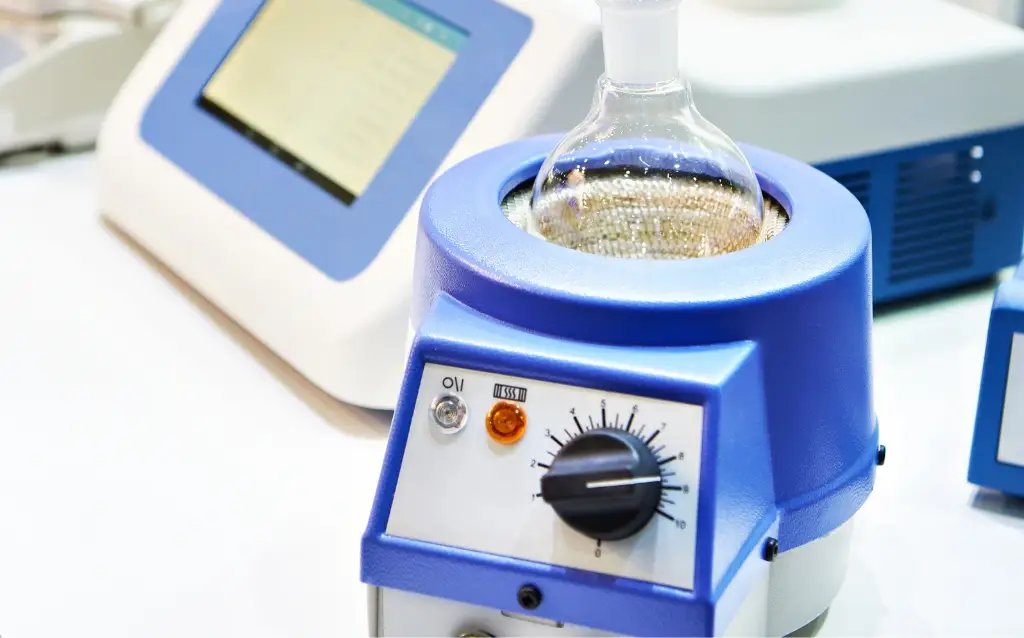
Magnetic Stirring Heating Mantles combine precise heating and stirring functions, making them essential in laboratories for applications such as chemical reactions, biochemical studies, and pharmaceutical research. These devices use high-temperature-resistant fiberglass and nickel-chrome resistance wire to provide safe and uniform heating. With stepless speed control, they offer accurate stirring, making them ideal for small-volume and sensitive experiments. Magnetic Stirring Heating Mantles ensure reliable results in both industrial and scientific research labs.

Centrifuge Safety: Key Practices for Risk Prevention

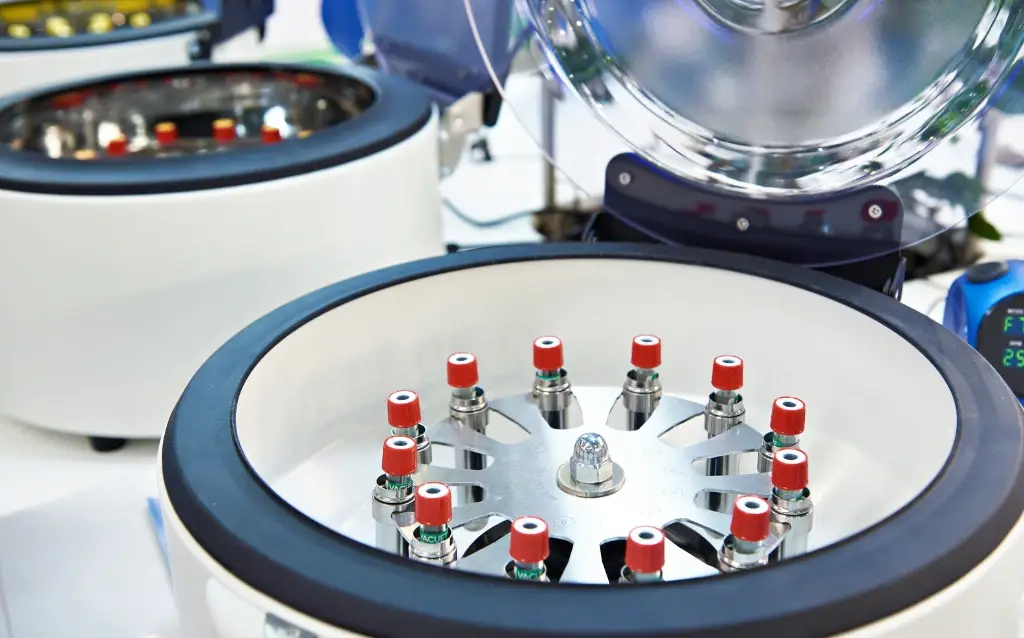
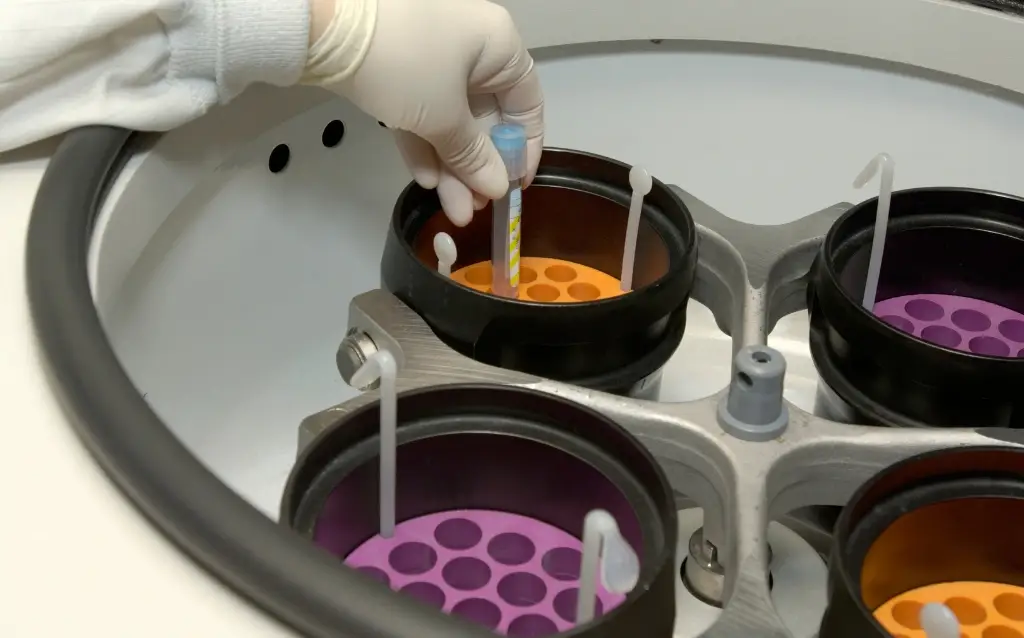
Centrifuge safety is critical to preventing rotor failure, mechanical hazards, and biohazard exposure. Improper use can lead to vibration, imbalance, and aerosol release. Safe centrifuge operation requires proper maintenance, balanced rotors, and regular inspections. Preventive maintenance reduces risks and extends equipment lifespan. In case of spills or malfunctions, a quick emergency response minimizes danger. Following best practices in centrifuge risk management ensures safety in laboratories and industrial settings.

Sterilizing Glassware in the Lab

Sterilizing glassware is essential to prevent contamination and ensure accurate lab results. This article explores various sterilization methods, including dry heat, autoclaving, boiling water, and chemical solutions. Each method is suitable for different types of glassware and laboratory needs. Key considerations, such as proper rinsing and drying, are highlighted for maintaining sterility and reliability in experiments.

Rotational Viscometer Calibration: Key Components

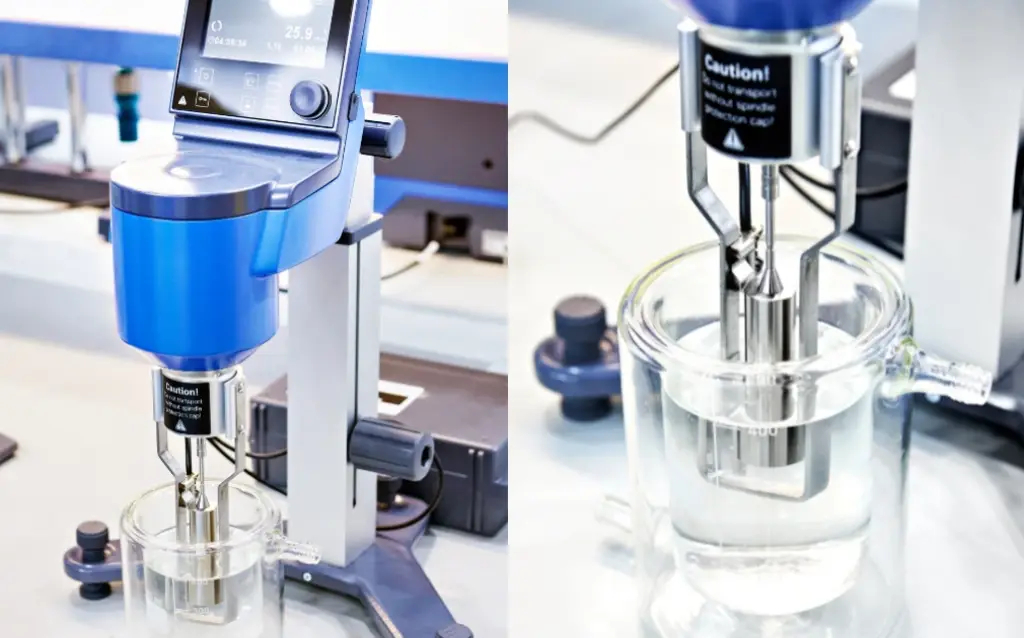
Rotational viscometer calibration is critical for accurate viscosity measurements in industries like pharmaceuticals, food, and petrochemicals. By following standard calibration procedures, using certified viscosity standards, and addressing common errors, laboratories can ensure precise and reliable results. Adherence to industry standards such as ISO 17025 and ASTM D445 guarantees compliance and enhances the longevity and performance of viscometers.

Spectrophotometer Measurement Errors

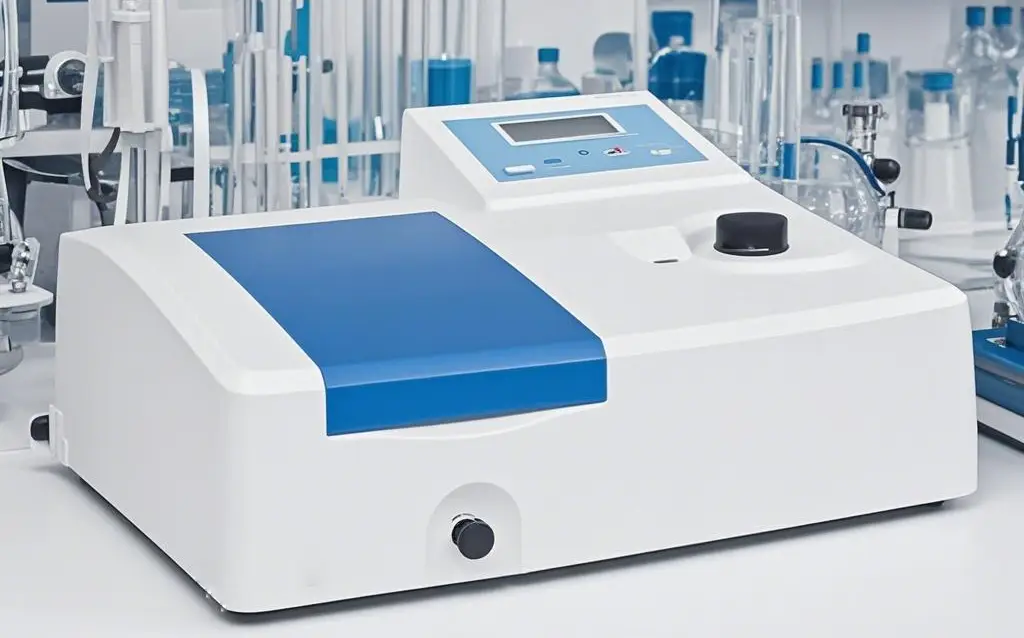
Spectrophotometer Measurement Errors are critical factors influencing the accuracy and reliability of spectrophotometric readings. These errors can arise from various sources, including equipment calibration, sample preparation, environmental conditions, and instrumental limitations. Understanding these sources of error and implementing strategies for their reduction is essential for improving measurement precision and ensuring accurate analytical results across diverse applications.

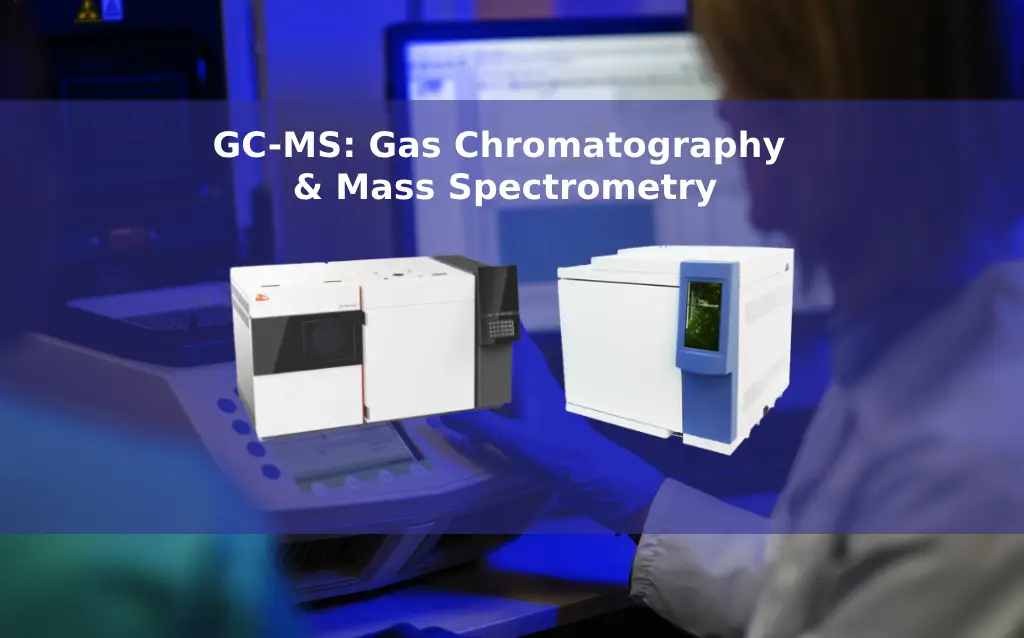
GC-MS: Gas Chromatography & Mass Spectrometry

GC-MS (Gas Chromatography-Mass Spectrometry) combines gas chromatography and mass spectrometry to analyze complex chemical mixtures. It separates, identifies, and quantifies components with high precision. This technique is widely used in environmental testing, forensics, pharmaceuticals, and food safety to detect trace amounts of substances. GC-MS ensures accurate results and is essential for reliable chemical analysis.

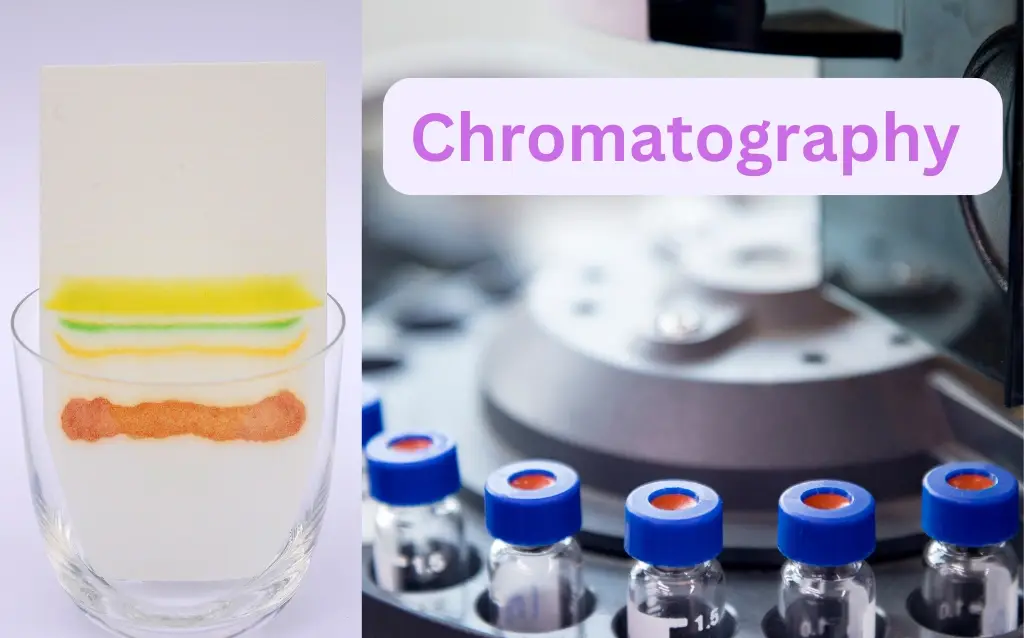
Chromatography Techniques:Principles, and Applications

Chromatography is a powerful separation technique used to analyze mixtures based on their interactions with stationary and mobile phases. Different methods, like paper, thin-layer, and liquid chromatography, separate compounds based on properties like polarity, size, or charge. These techniques are widely used in chemical analysis, environmental testing, and pharmaceutical research.

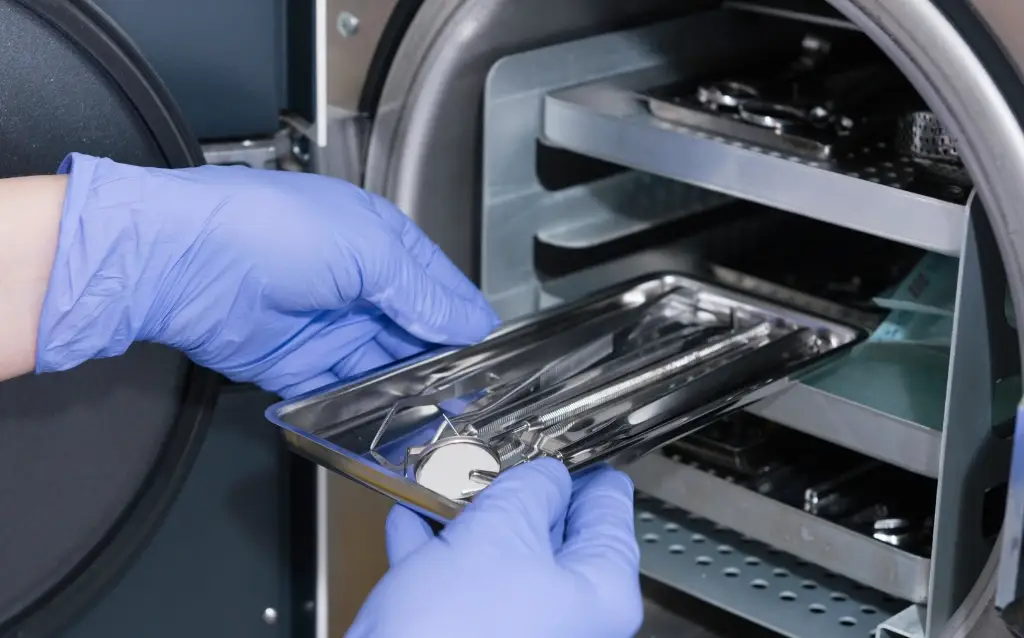
What is an Autoclave?

Autoclaves are essential devices used for sterilization in medical, laboratory, and industrial environments. They use high-pressure steam to kill microorganisms on instruments and materials. Proper monitoring through chemical indicators and biological testing ensures the effectiveness of each sterilization cycle. Regular maintenance and monitoring are key to maintaining safety and reliability in sterilization processes.

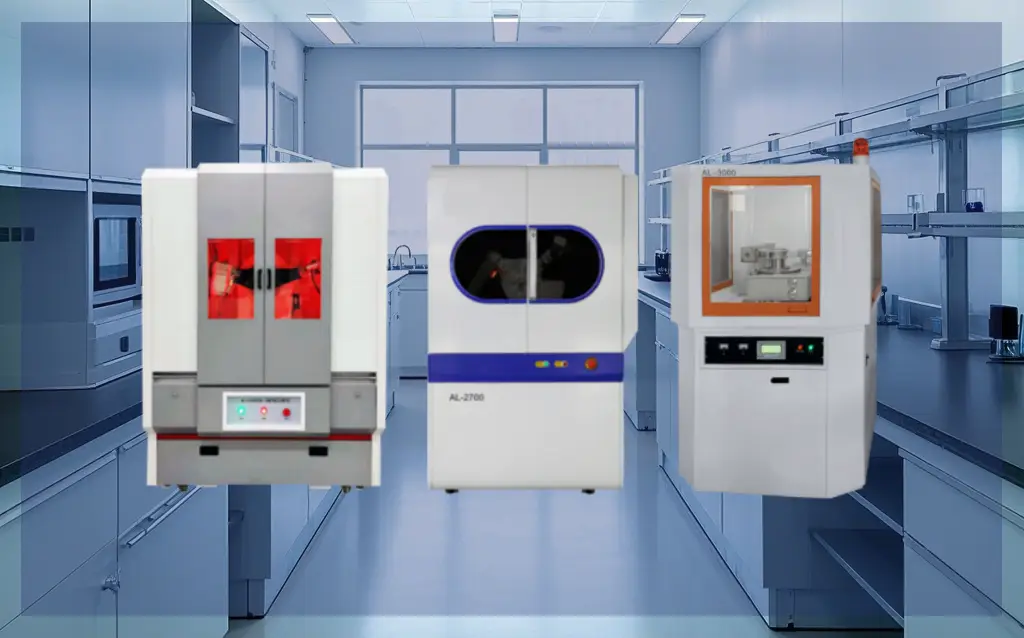
What is X-Ray Diffractometer (XRD)?

An X-Ray Diffractometer (XRD) is a vital tool for analyzing the crystal structure, phase composition, and residual stress of materials. By utilizing X-rays, it provides detailed insights into atomic structures through diffraction patterns. XRD is widely used across industries such as metallurgy, nanotechnology, pharmaceuticals, and geology, offering both non-destructive and fast analysis for materials, including powders, thin films, and bulk samples.

Benchtop High-Speed Refrigerated Centrifuge Maintenance Tips

Proper maintenance of a benchtop high-speed refrigerated centrifuge is crucial for optimal performance. These devices are used in laboratories to separate samples using centrifugal force and refrigeration to maintain temperature-sensitive materials. By performing daily, weekly, monthly, and annual maintenance tasks, one can extend the centrifuge’s lifespan and ensure accurate experimental results. This article explores the best practices for maintaining, repairing, and properly using a refrigerated centrifuge.

What is an Alloy Analyzer?

Alloy Analyzer is an advanced analytical tool designed for precise identification and composition analysis of metal alloys. It uses techniques like X-ray fluorescence (XRF) and inductively coupled plasma (ICP) to measure the elemental composition of metals such as copper, aluminum, and steel. Widely used in industries like metallurgy, manufacturing, and recycling, this device ensures accurate material verification, quality control, and compliance with industry standards.