


info@aelabgroup.com
QR Code 1
QR Code 2

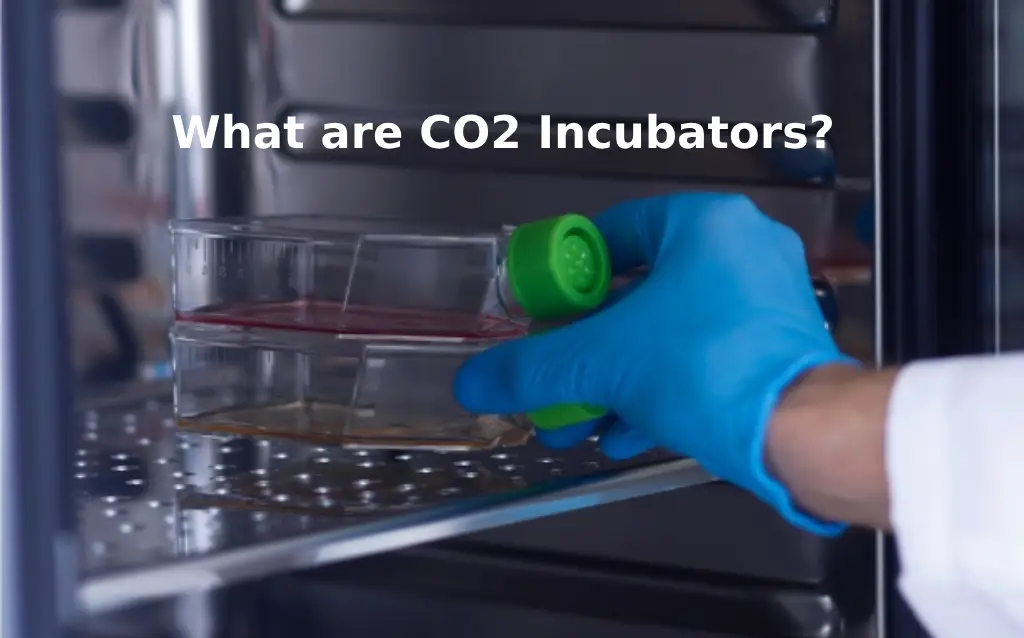
What are CO2 Incubators?

"CO2 incubators provide controlled environments for cell culture, tissue engineering, diagnostics, and biosensor development. Essential for research in pharmaceuticals, cancer studies, and microbiology, these incubators regulate key factors like temperature, CO2, and humidity to ensure optimal growth conditions."

Density Measurement Instruments in Laboratories

Density measurement instruments are crucial for determining the density of materials in laboratory settings. These include hydrometers, pycnometers, hydrostatic balances, and digital density meters. Hydrometers are used for liquids, while pycnometers offer high precision for both solids and liquids. Digital density meters, based on the U-tube oscillation method, provide fast and accurate results. These instruments are essential in industries like pharmaceuticals, chemistry, and oil for quality control and research.

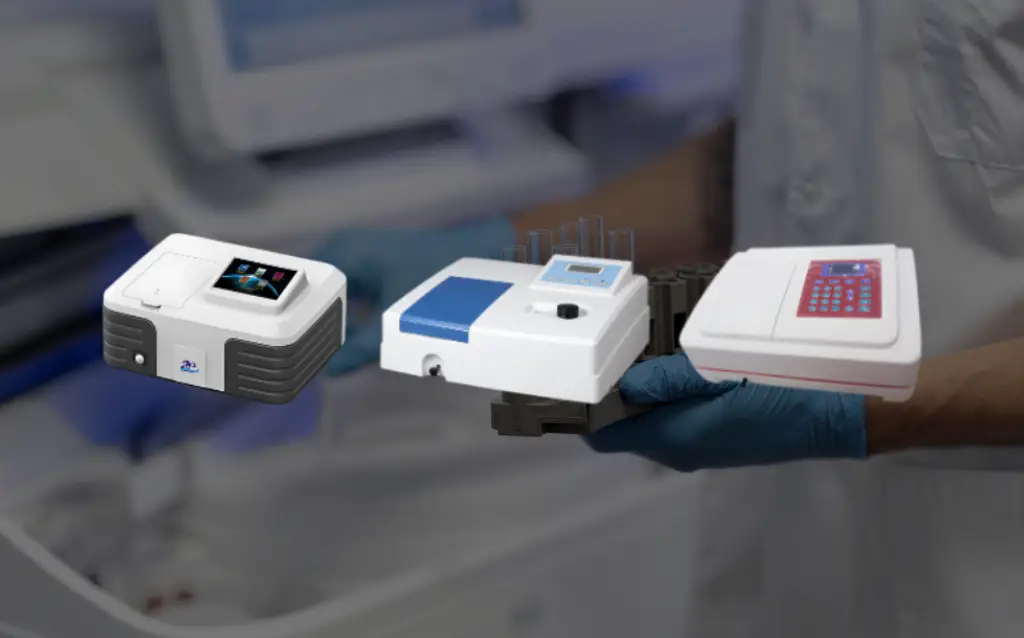
What is a UV-VIS Spectrophotometer?

UV-VIS spectrophotometry measures light absorption to analyze compounds. It quantifies substances, identifies structures, and monitors molecular interactions. Used in pharmaceuticals, environmental monitoring, and food analysis, it remains a reliable, non-destructive tool. This technique provides fast and accurate results with high reliability.

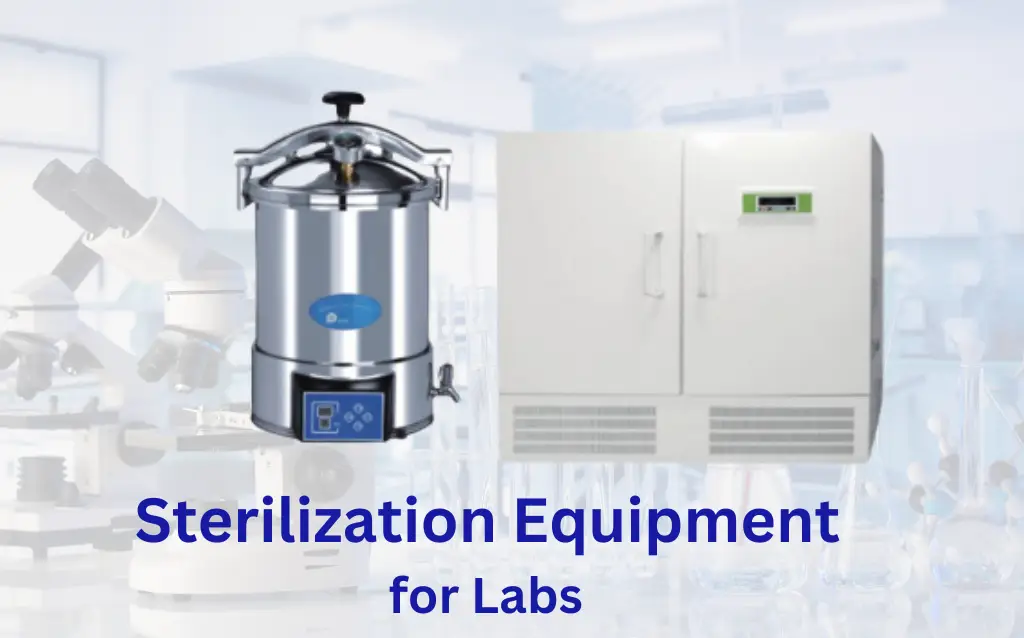
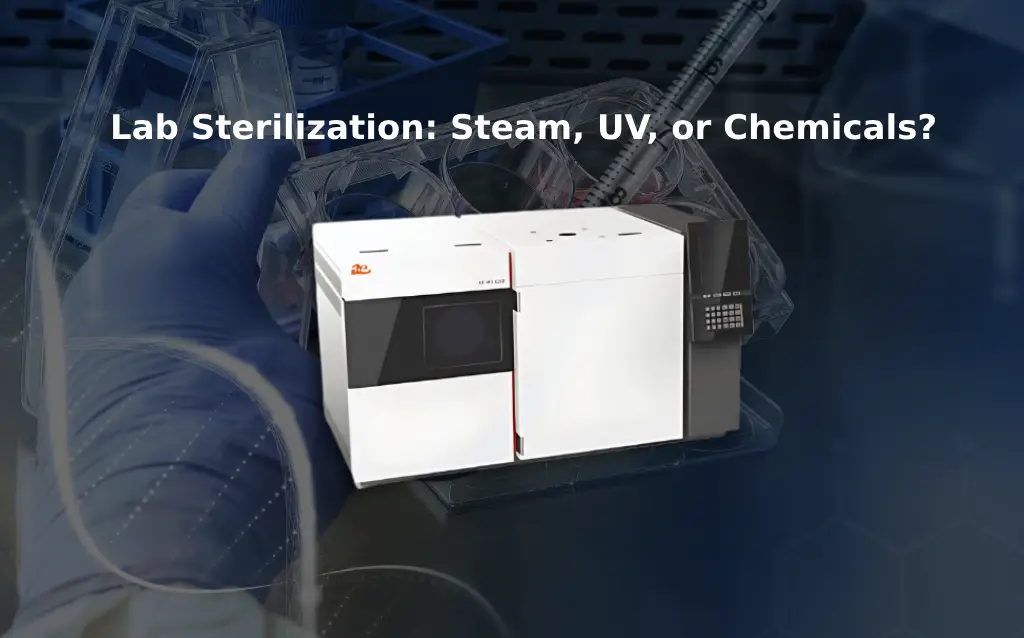
Lab Sterilization: Steam, UV, or Chemicals?

Sterilization equipment is essential for ensuring the safety and hygiene of laboratory environments. Steam, UV, and chemical methods each have unique advantages for different types of sterilization needs. Steam is ideal for heat-resistant materials, UV is perfect for surface disinfection, and chemicals are effective for sterilizing sensitive equipment. Choosing the right method depends on the nature of the materials and the desired sterilization results.

Gas Chromatography: Techniques, Applications, and Key Concepts

Gas chromatography (GC) is a powerful analytical technique used to separate, identify, and quantify compounds in a mixture based on their volatility. It finds applications in various fields, including environmental analysis, pharmaceuticals, and food safety, offering precise and efficient results. With advancements like GC-MS and specialized detectors, it continues to be a critical tool for both research and industrial quality control.

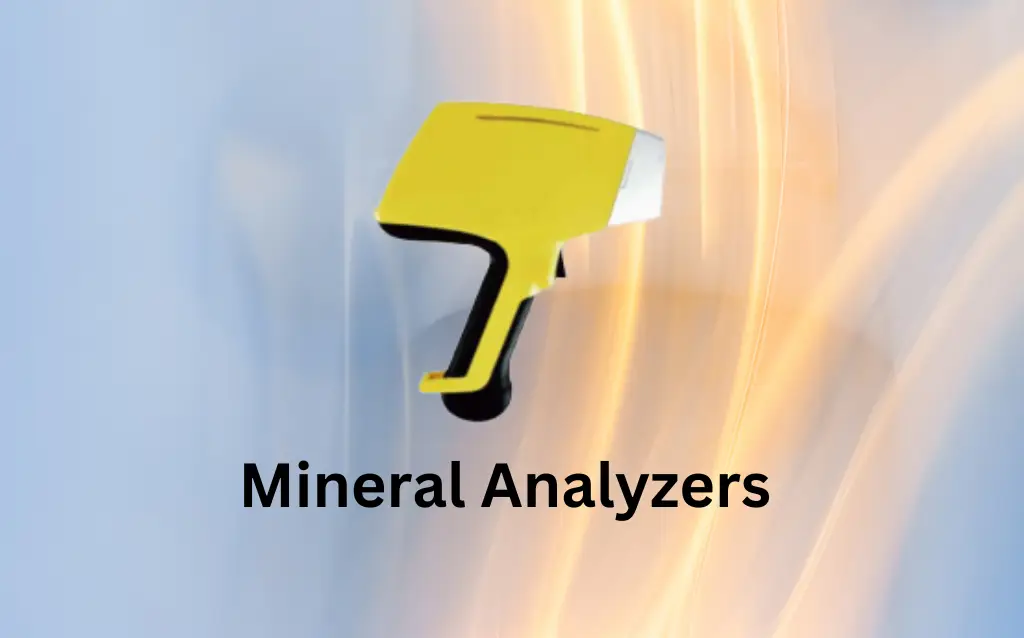
The Role of Mineral Analyzers in Transforming Mineral Exploration

Mineral analyzers, such as Raman spectroscopy and XRF, have revolutionized exploration by providing rapid, accurate, and sustainable methods for analyzing minerals. These tools address traditional challenges by enhancing efficiency, reducing costs, and minimizing environmental impact. From ore grading to mapping mineralized zones, they are indispensable in modern exploration. Future advancements, including AI integration, promise even greater precision and automation in the field.

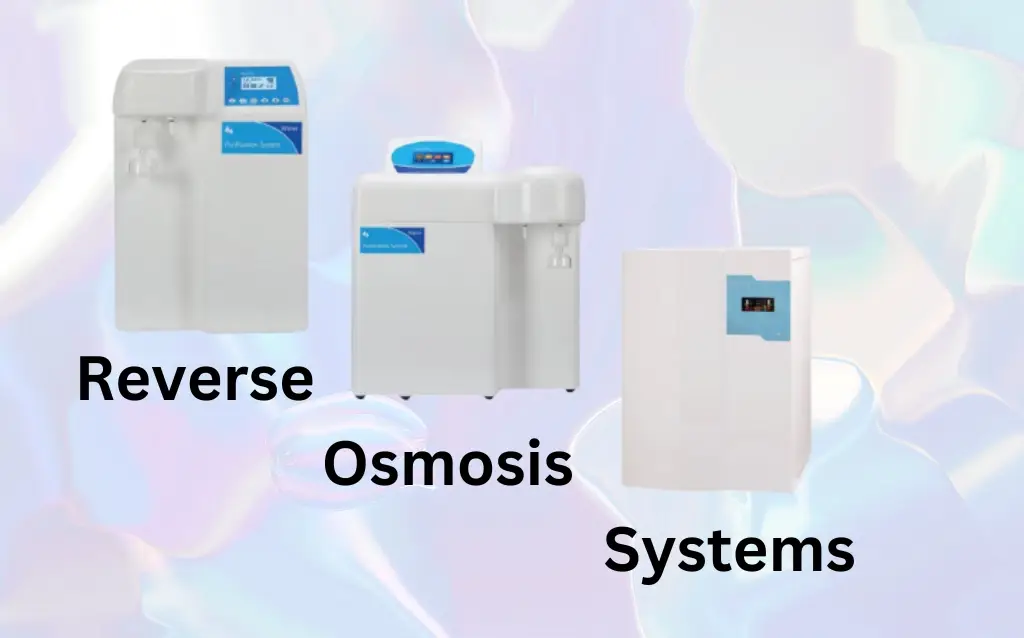
The Case for Reverse Osmosis Water Purification Systems

Reverse osmosis systems deliver ultrapure water by removing contaminants with precision. Ideal for laboratories, industries, and desalination, these advanced technologies ensure safe, cost-effective, and environmentally friendly water solutions. Perfect for critical applications requiring high purity.

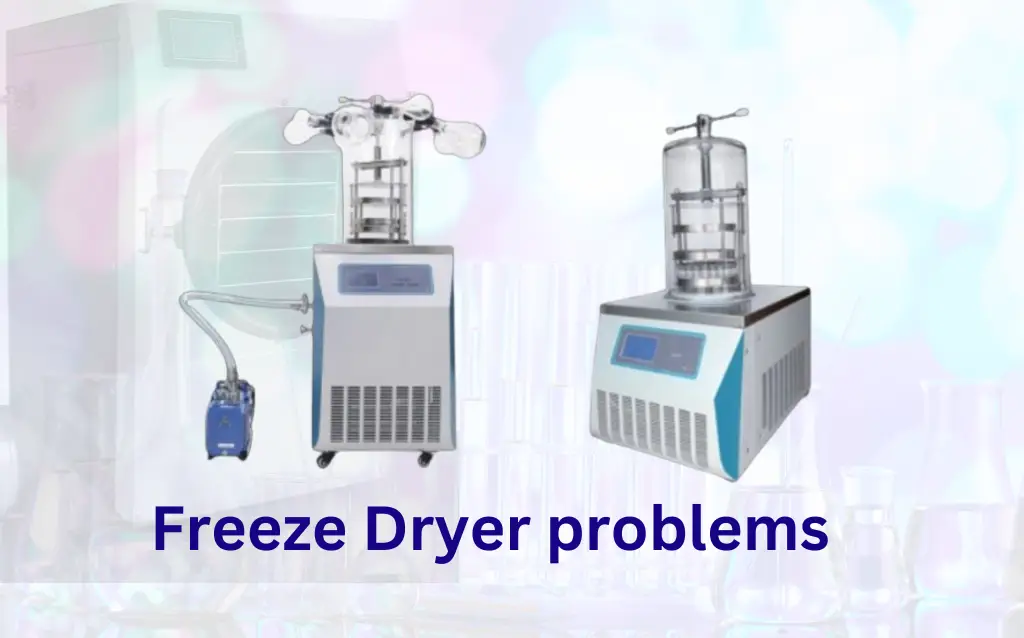
Freeze Dryer’s Problem: Common Solutions

This article addresses common issues in vacuum freeze dryers and effective solutions to improve their performance. Issues such as inconsistent drying times, poor vacuum performance, and temperature/pressure fluctuations are analyzed. Solutions like proper temperature control, optimizing vacuum pumps, and regular maintenance can significantly enhance the drying process.

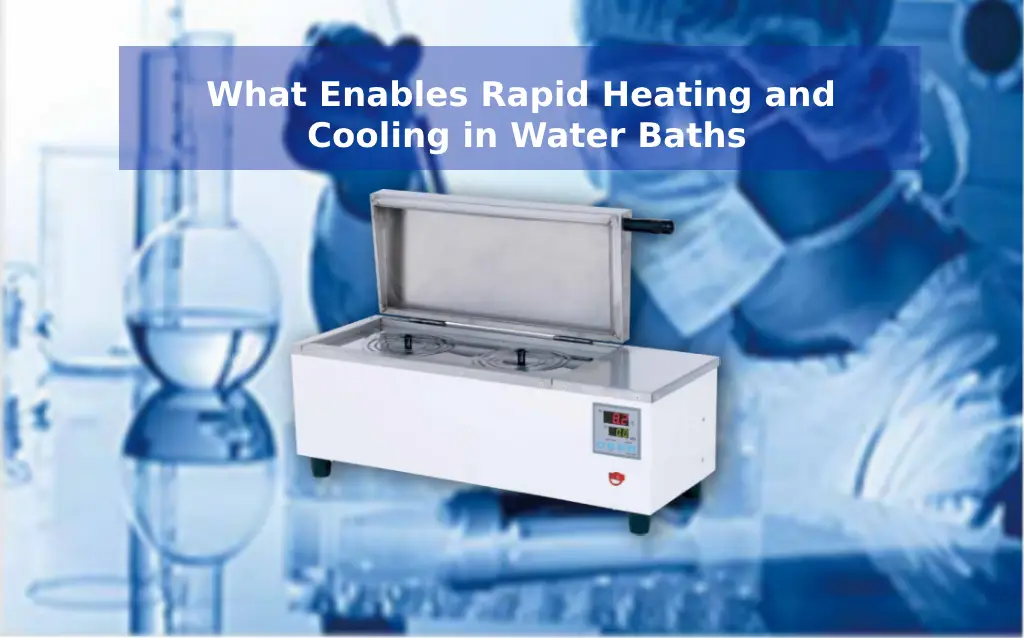
What Enables Rapid Heating and Cooling in Water Baths

Water baths provide precise temperature control for heating and cooling processes. They use efficient heat transfer to ensure uniform results. Advanced models offer digital controls and energy efficiency for a variety of applications.

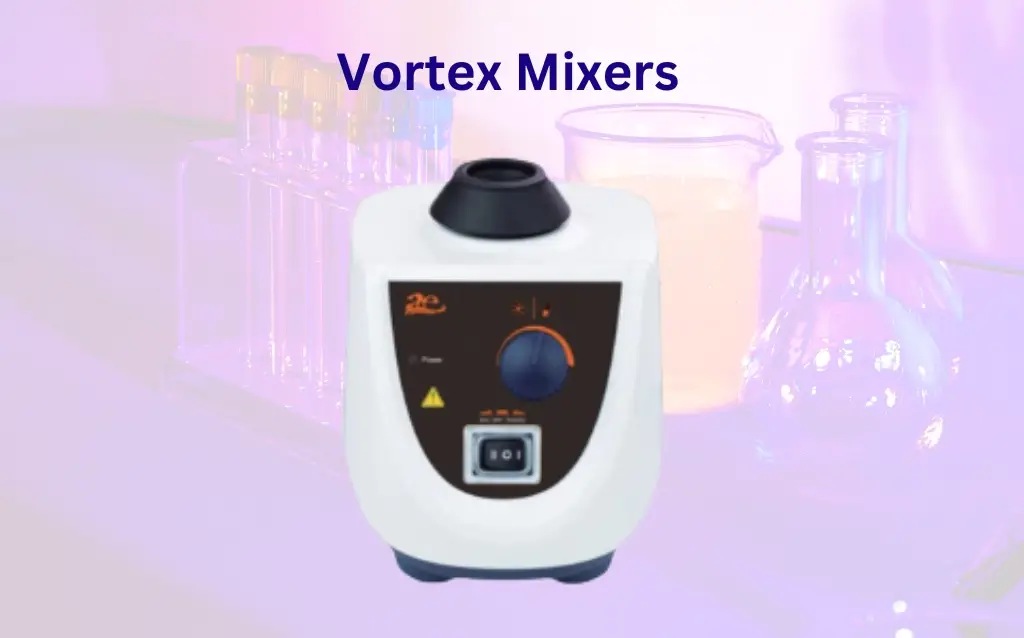
Using Vortex Mixers for Sensitive Sample Handling in Biochemistry and Molecular Biology

Vortex mixers are crucial laboratory tools for efficiently blending small liquid volumes in biochemistry and molecular biology. They ensure uniform mixing of samples, reagents, and biomolecules, optimizing experimental outcomes. With adjustable speeds and reliable performance, vortex mixers are key to achieving reproducible and precise results in sensitive scientific research.

How to Select the Best Elemental Analyzer for Your Requirements

Learn how to select the best elemental analyzer based on key factors like sensitivity, accuracy, and sample type. Explore techniques such as ICP, AAS, and XRF to find the ideal fit for your analysis needs, ensuring reliable results and optimal performance.

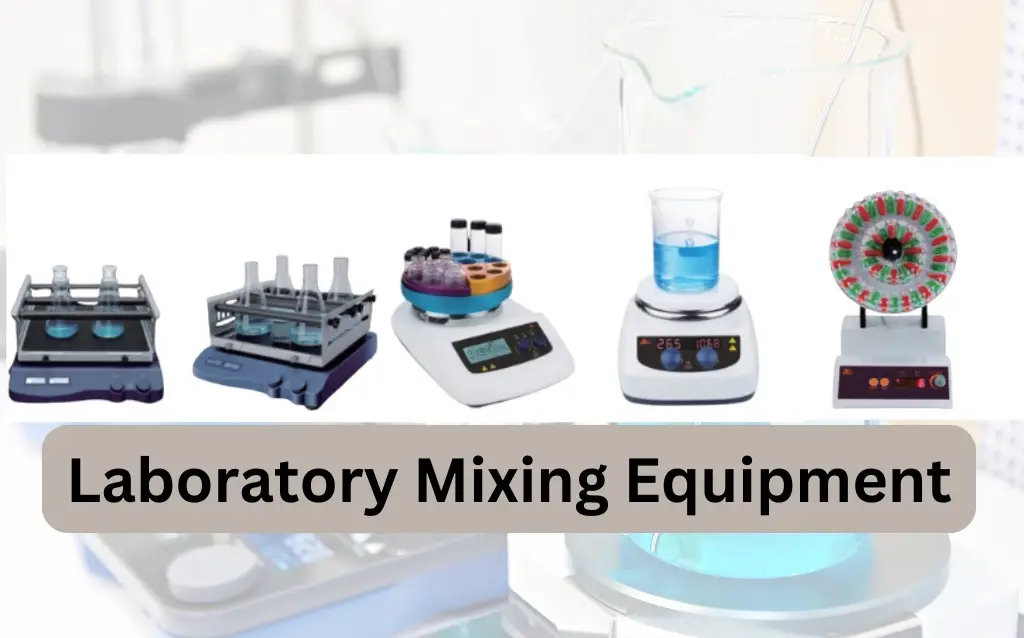
Laboratory Mixing Equipment: Types, Applications, and Selection Guide

Laboratory mixing equipment plays a critical role in research and industrial processes, ensuring precise mixing of liquids, powders, and high-viscosity materials. This article explores key types such as magnetic stirrers, ultrasonic mixers, and homogenizers, along with their applications in pharmaceuticals, biotechnology, and environmental testing. Learn essential tips for selecting the right mixer to enhance efficiency and accuracy